The go north, I first had to head west about 10 kilometres along the south side of the Orinoco River. Porto Ordaz reminds me of Port Hedland in Western Australia (even with the red iron ore dust) except it is on a huge navigable river instead of the ocean. It’s a large industrial city which now runs at about 10% of its capacity due to government interference, mismanagement, theft, and corruption and the associated decline in the country’s population. Venezuela’s current population is 28 million similar to Australia, but at least 8 million have left the country in the last 10 years. At least 20,000 of the antigovernment people that stayed have been arrested, imprisoned or murdered. It is so sad. They are such lovely people here and the country is beautiful and has so many natural resources. At the start of this century (just 25 years ago) it was one of the richest countries in the world. It still has the largest oil reserves in the world.
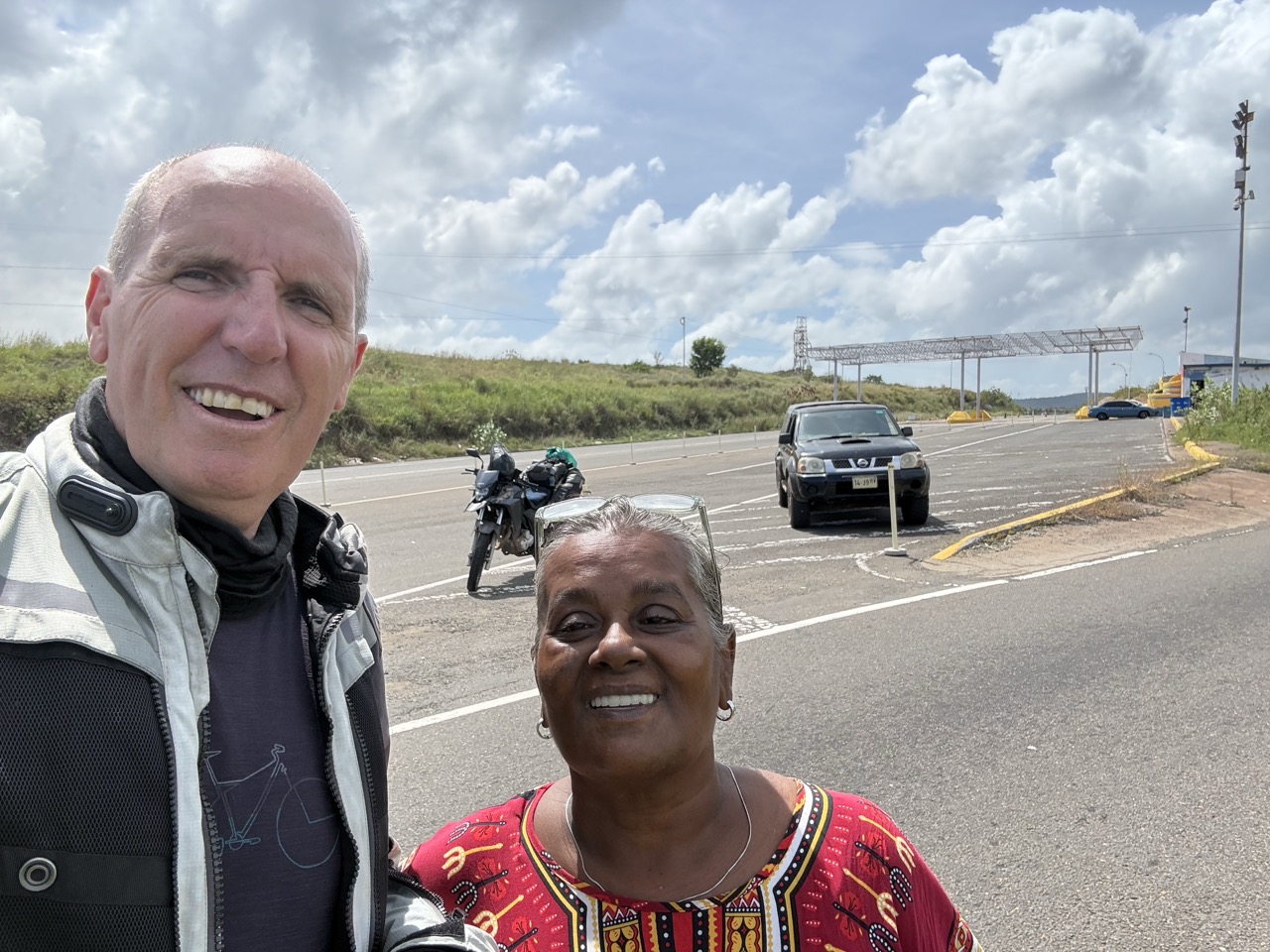
So I was thinking about this as I rode the 10 kilometres past factories and industrial complexes that almost look abandoned. I also forgot to mention that Porrto Ordaz also have a huge hydro electric plant nearby which have also deteriorated for the same reasons as above and now they have power outages and poor water supply. Okay. Enough sad stuff. There are only two bridges that cross the Orinoco River. I had to cross one of them and stopped for a photo. Another lady also stopped. She is dutch but was born and now lives, back in Guyana. She had packed up her car and her 2 dogs and was off on an adventure exploring South America. How cool.
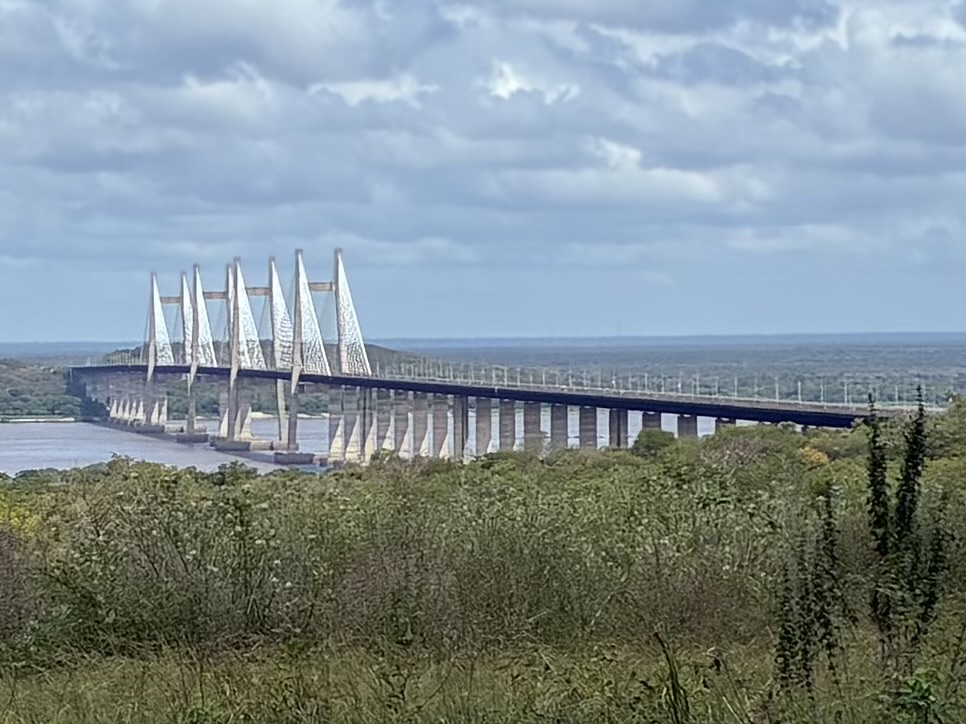
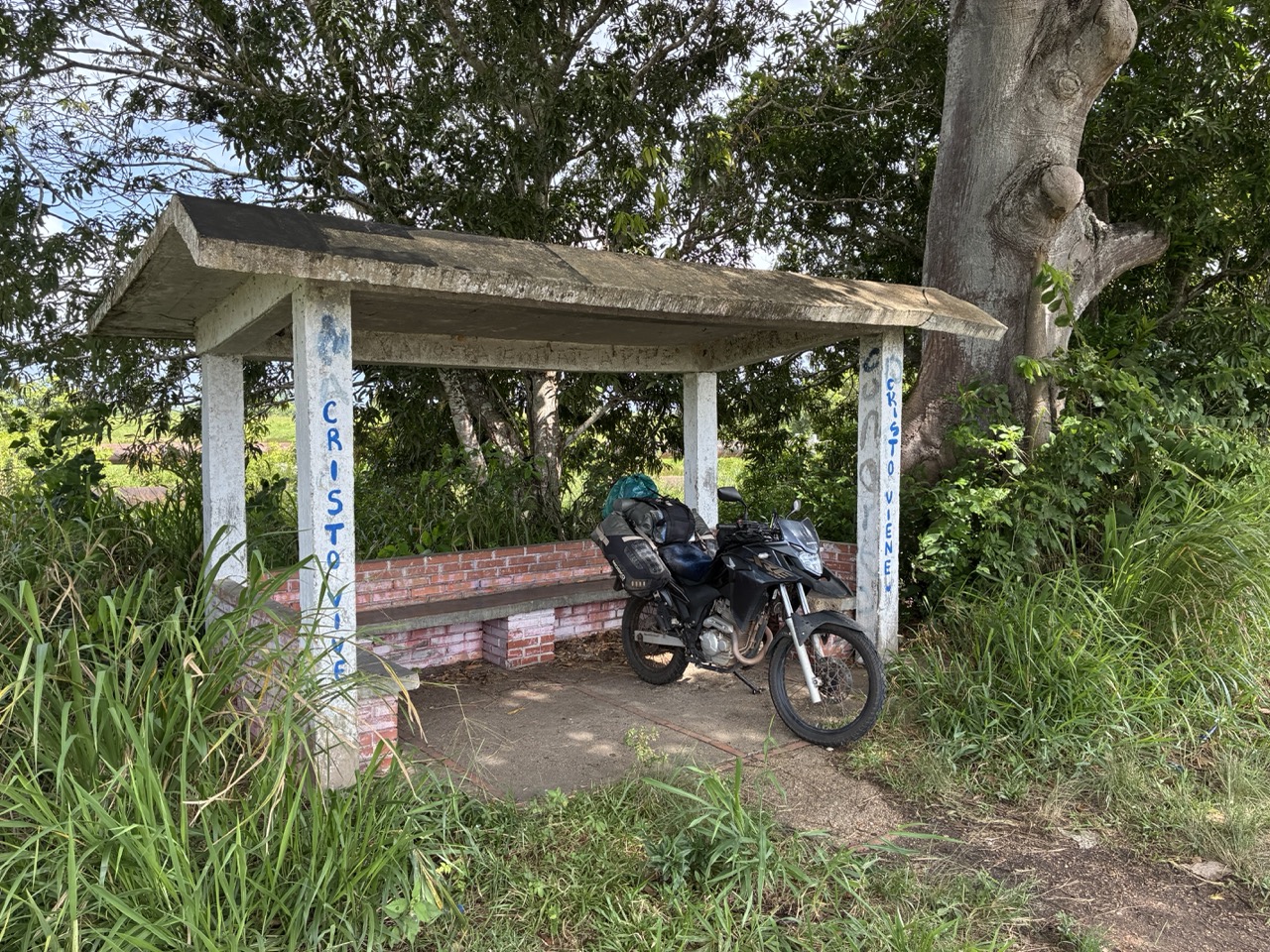
I think that I also forgot to mention that there is a song by Enya about the Orinoco River. Not that I am a music buff, but I know, and like the song. Orinoco Flow, which is sometimes called, Sail Away, Sail Away, Sail Away. And the bridge looks like it has sails. It’s a cool bridge for its age and like many things was built when the country was rich. The first section of road was familiar to me as I had gone this way on my car trip to the Orinoco Delta. My plan was to reach the town of Caripe which was 330kms away. It was threatening rain all day and I eventually found a nice little shelter and put on my rain gear. In the end I didn’t need it and arrived in town before dark. I had been recommended Pueblo Pequeno which had nice little cabins, and I could pay by credit card. I don’t have much cash left. And the owner spoke good english.
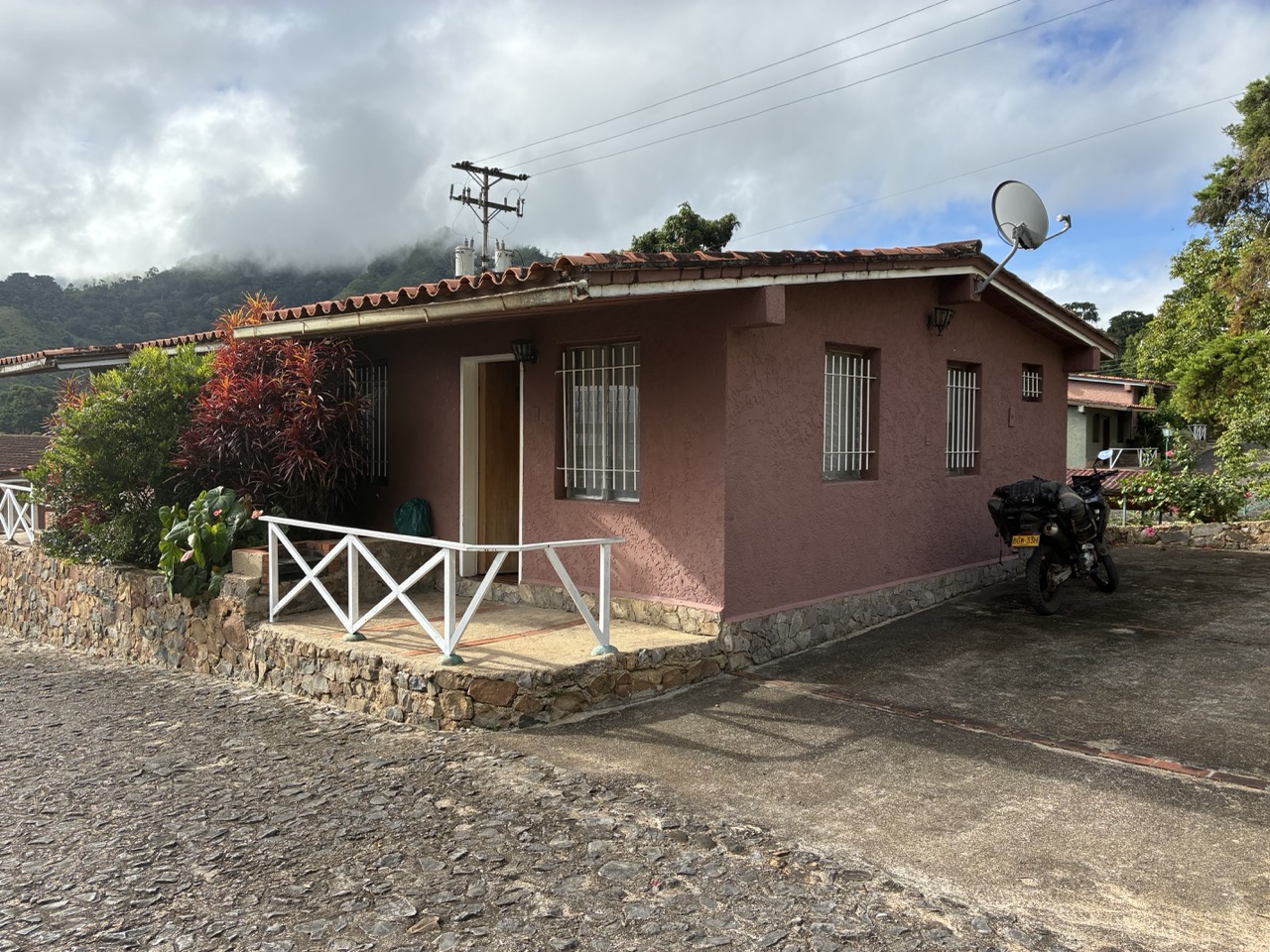
The reason I stopped at this town was to see the Guacharo Cave. It was discovered in 1799 by Alexander Humboldt (I see his name a lot). This cave and surrounding jungle became Venezuela’s first National Monument in 1949. The cave is about 6kms deep, but it’s what lives in the cave that makes it famous. The Guacharo bird, or oilbird, is a fruit eating bird that live in the cave and only comes out at night to feed. I thought they were a bat, but they are almost half a metre long and have a wingspan of almost a metre. There are about 15,000 of them in the cave. It was a 20 minute ride to get there at dusk. Or only a 10 minute ride if you went in the right direction.
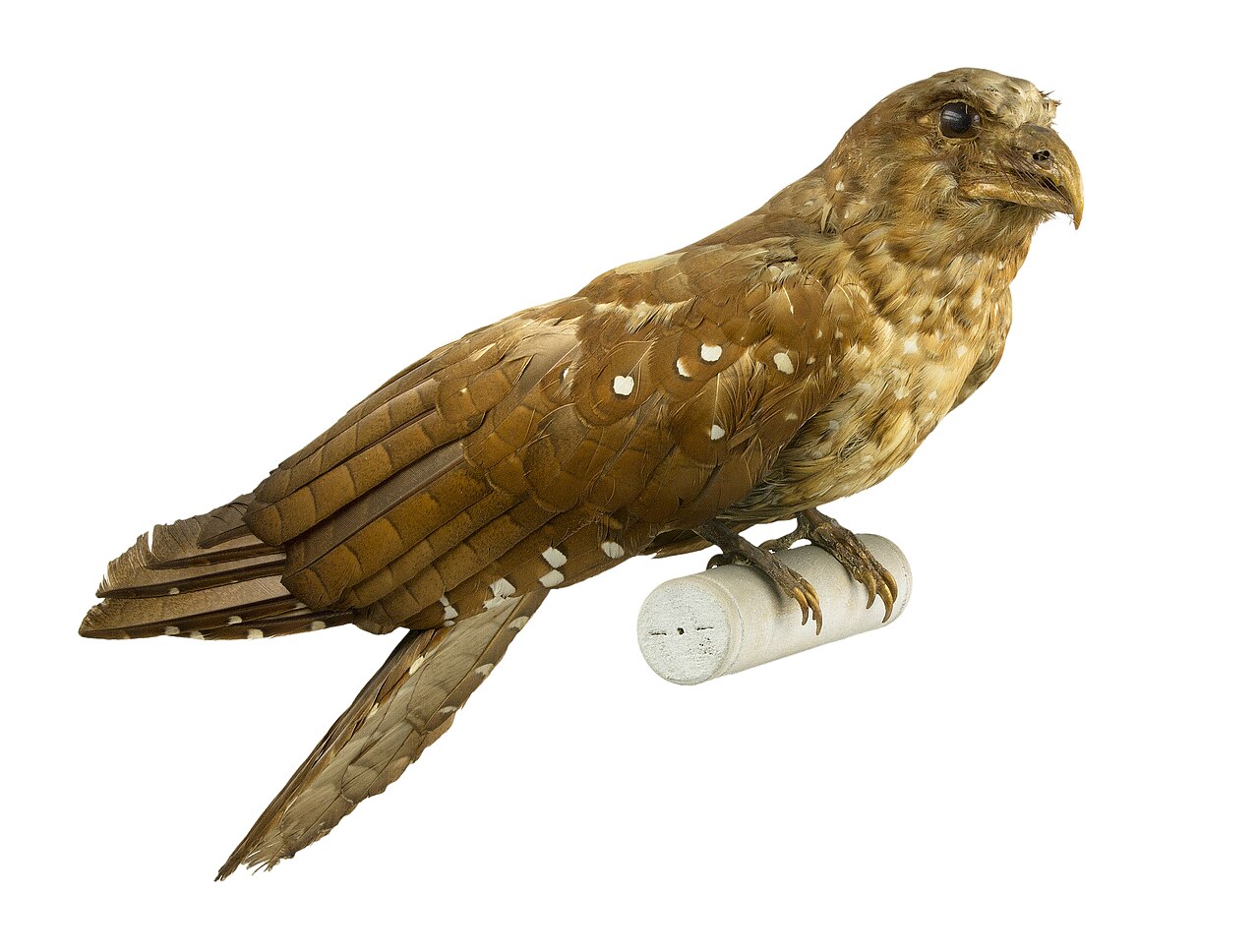
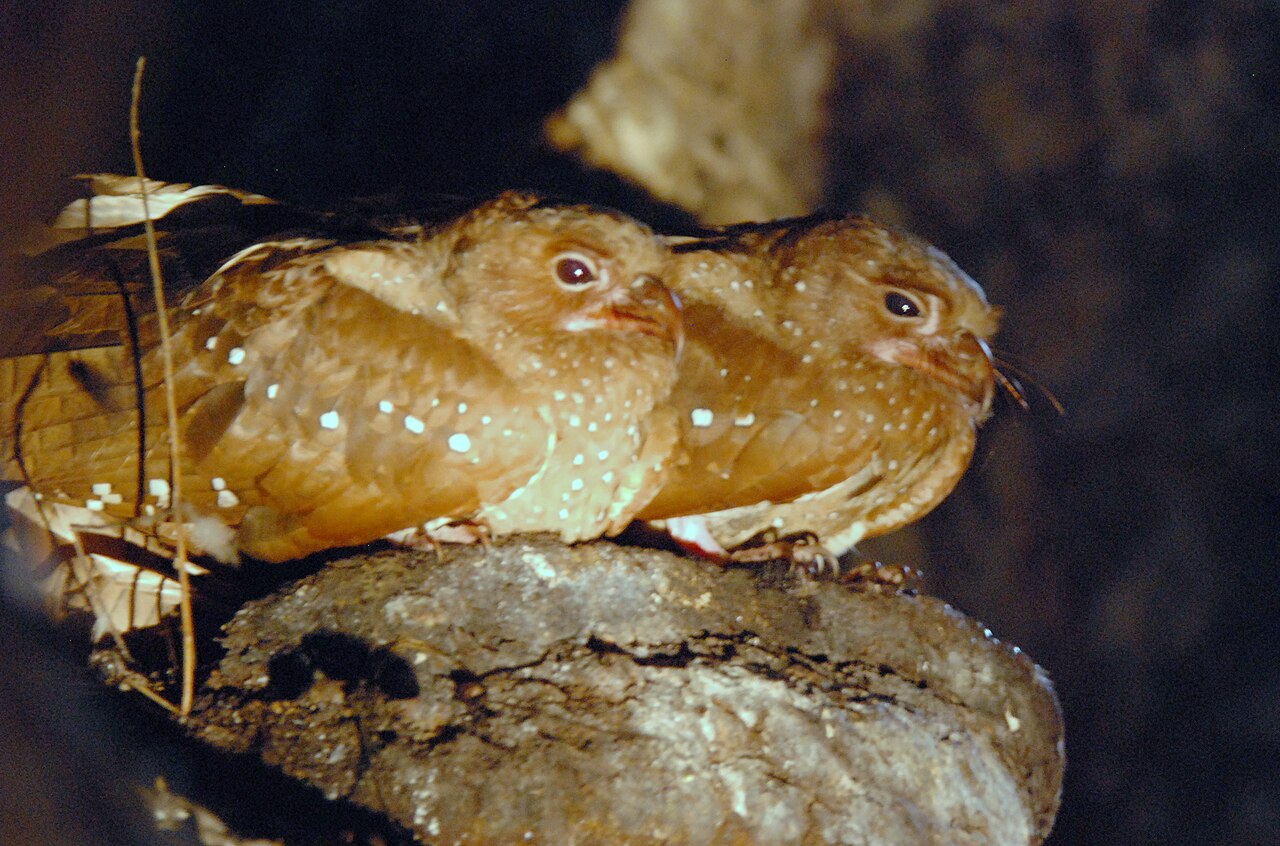
The park is open during the day, and you can do a cave tour. But at night the park is still open and you can go and listen to the birds leaving the cave to go foraging at night. For free. I was the only person there, except a few security people. To be honest it wasn’t overly exciting but there was a small museum attached to the building and one of the security guys took me in and showed me around it. As for the birds. It’s almost totally dark when they come out of the cave. They squark and squelch and circle around for a while before they leave. They do have eyes, but they mainly navigate by sonar like bats do. Sending off a clicking noise and waiting for it to return. After sitting in the dark for a while I realised why there was probably no one else there and went back to my bike and rode back to my cabin.
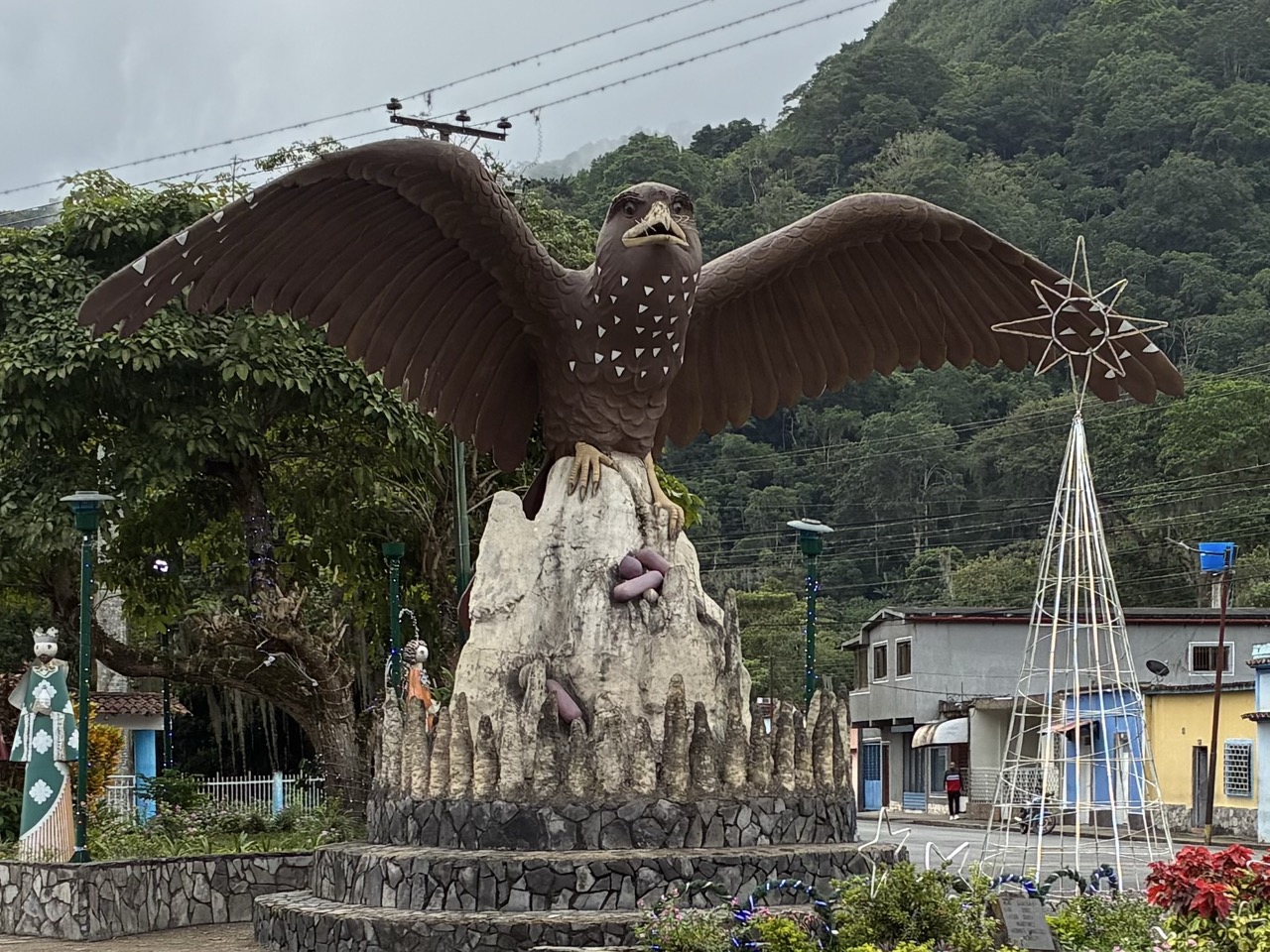
I was met there by the owners daughter who also spoke good english and wasn’t afraid to use it. She was lovely but after an hour I had to politely run away. It had been my first day on the bike for about 10 days and I was tired. Next morning I left early and hoped to make it to the coast. I needed fuel and it was available but there was a reasonable queue. I parked up opposite the Guacharo statue and then walked up the fuel pump just to clarify I could buy fuel. All good and he said I could come to the front of the line which was nice. I’m sure they would be nice to all the old Aussie bike riders that get fuel there. No one in the line seemed to care.
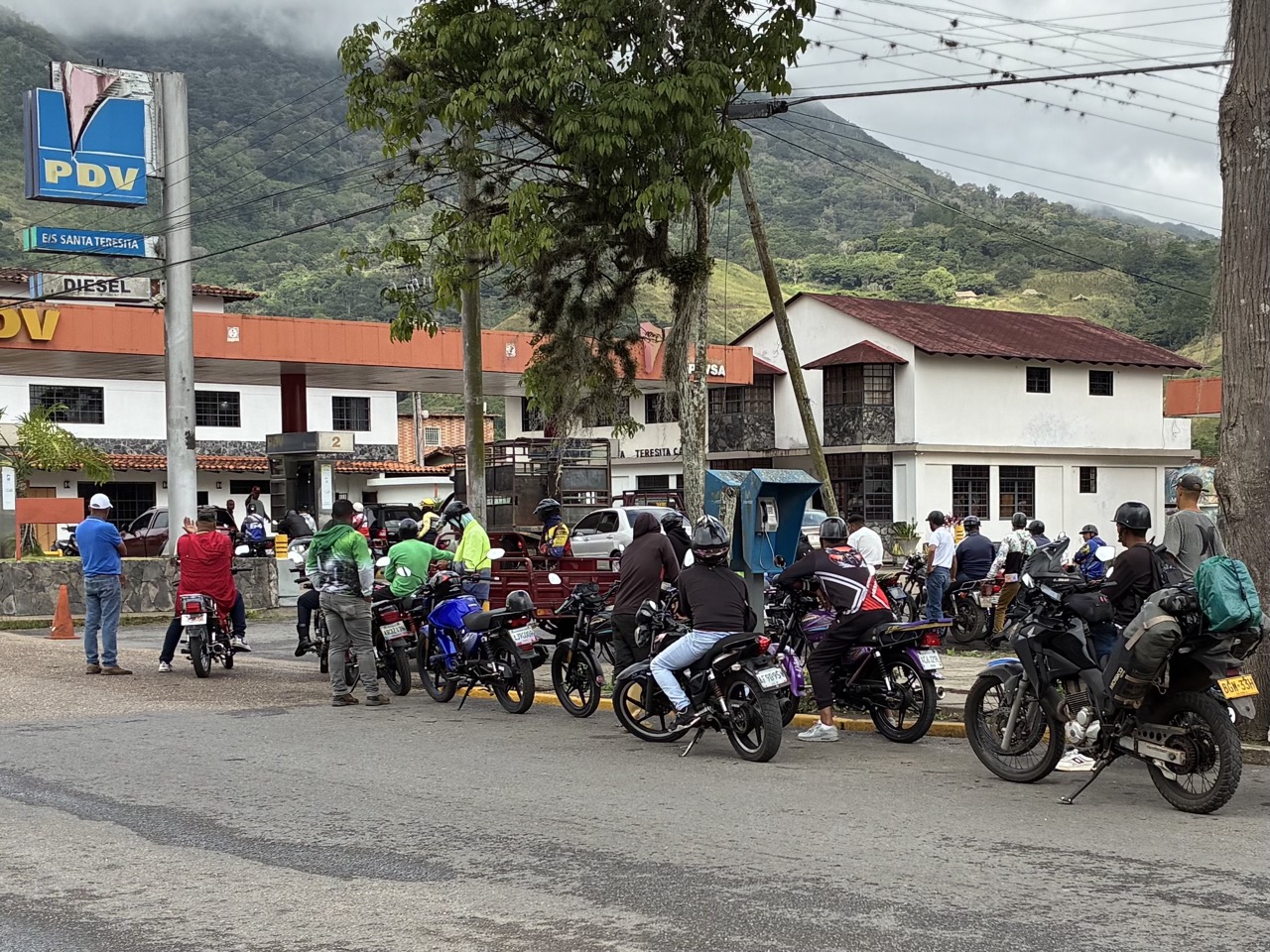
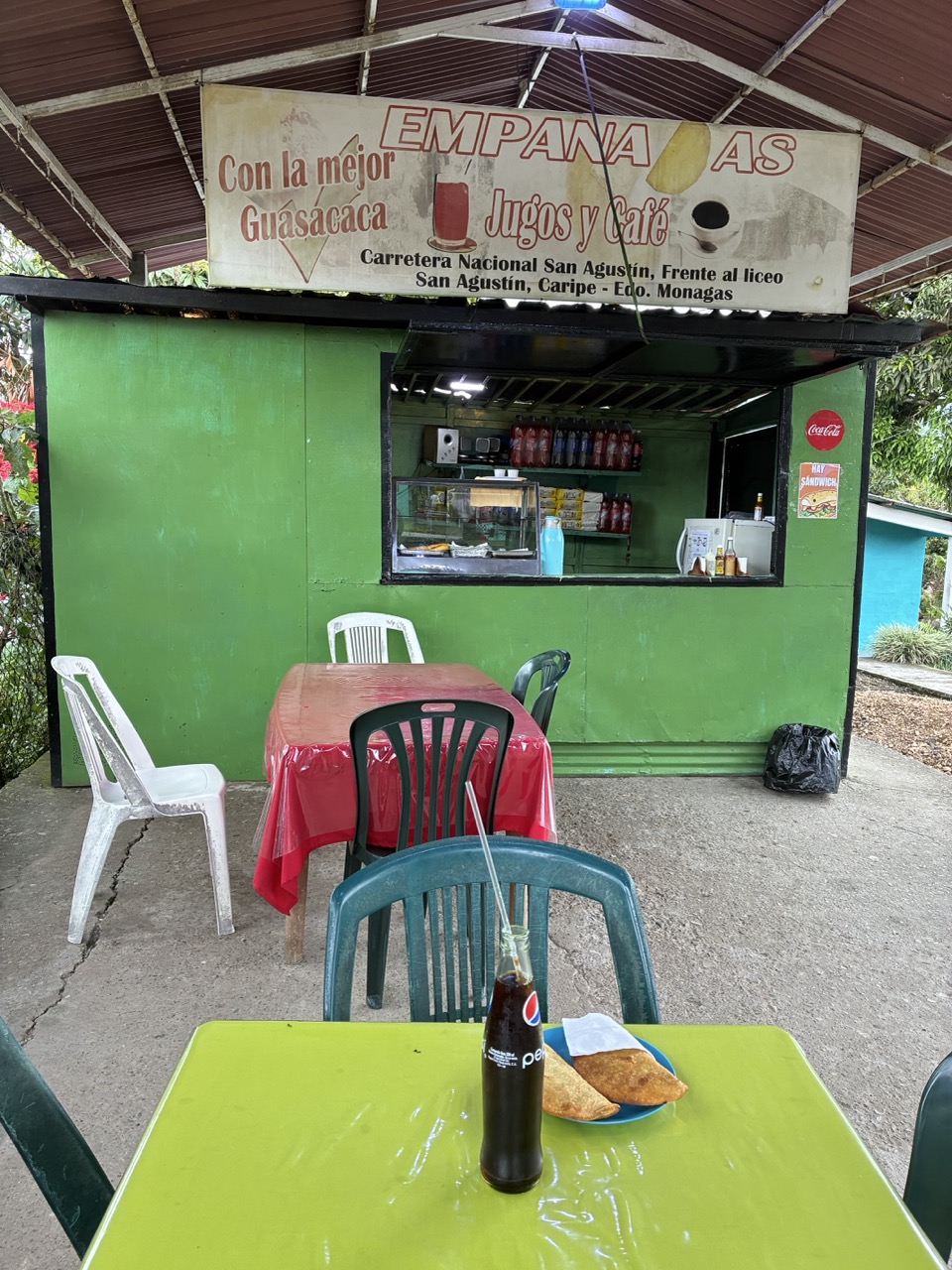
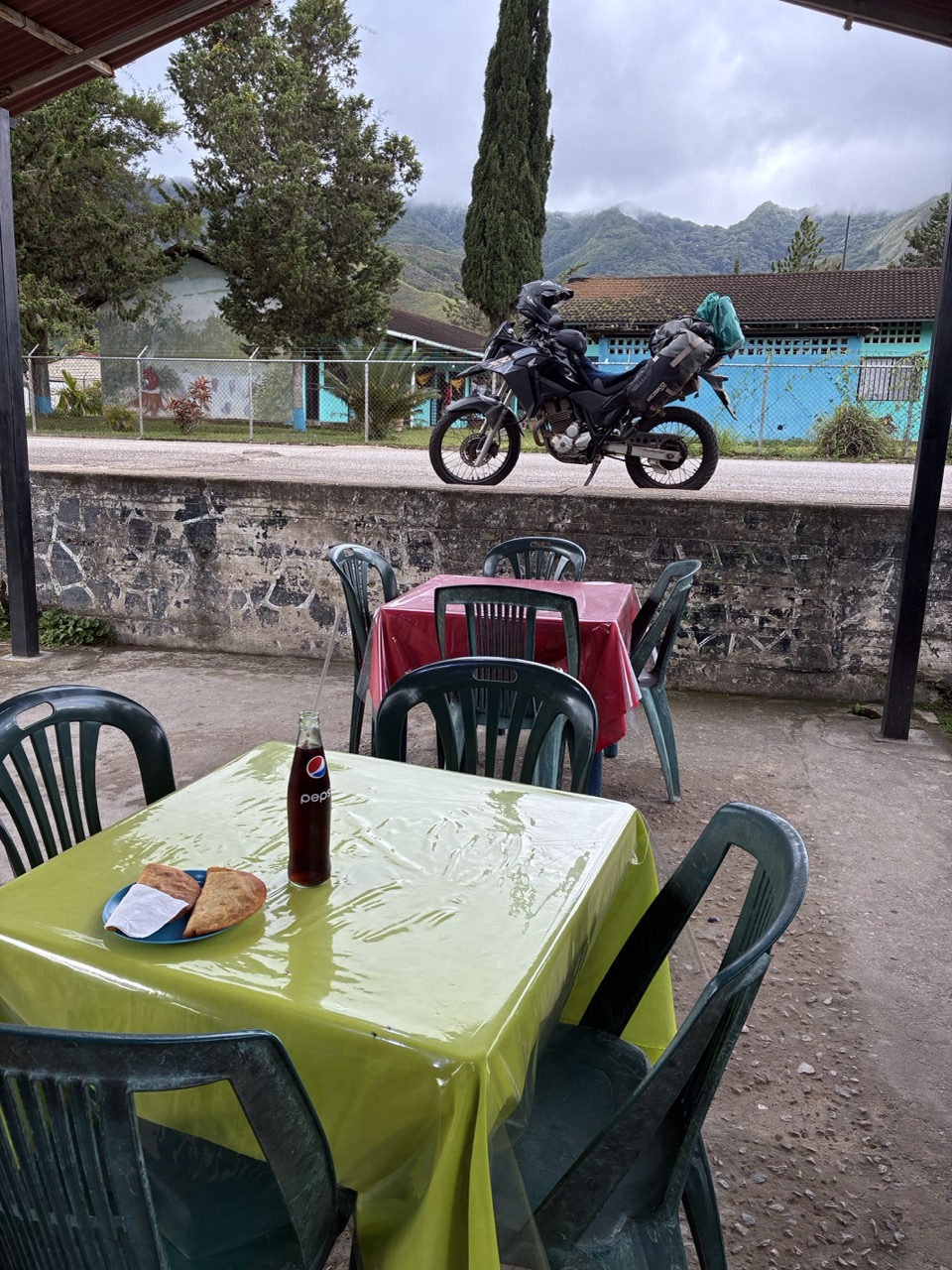
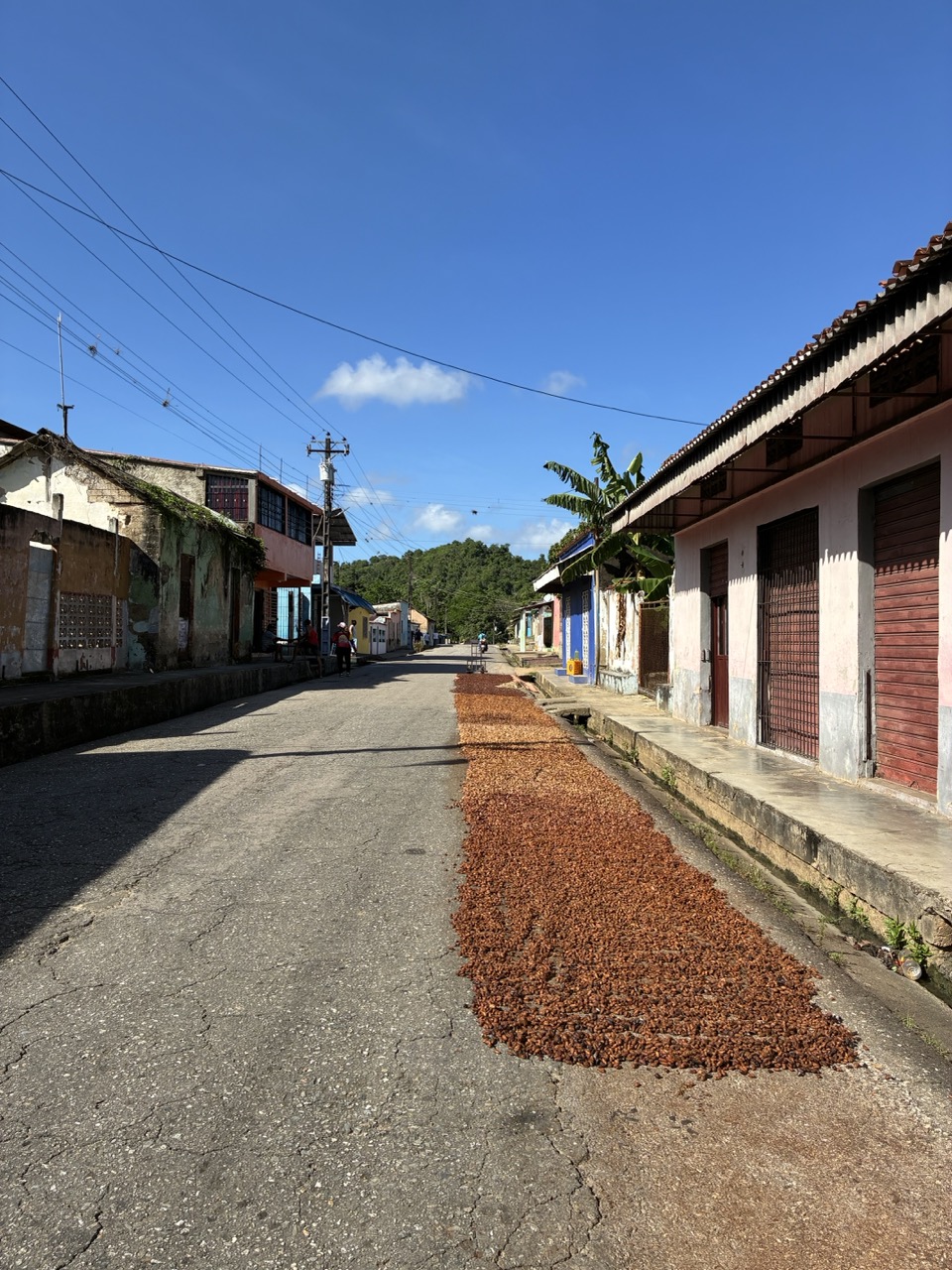
It was a short ride day of about 160kms and some nice mountain roads and little towns. I stopped off at one for empanadas and a Pepsi.
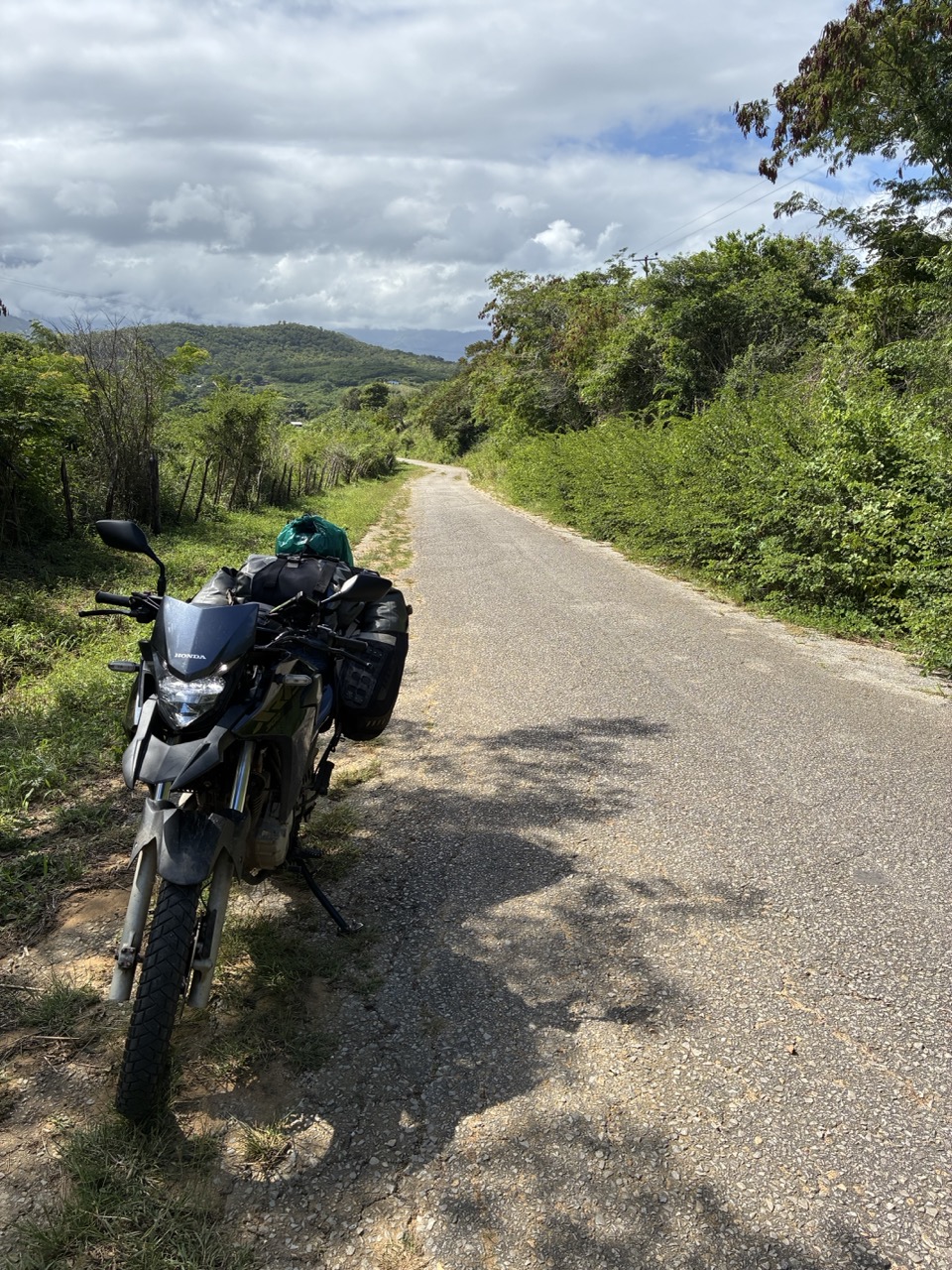
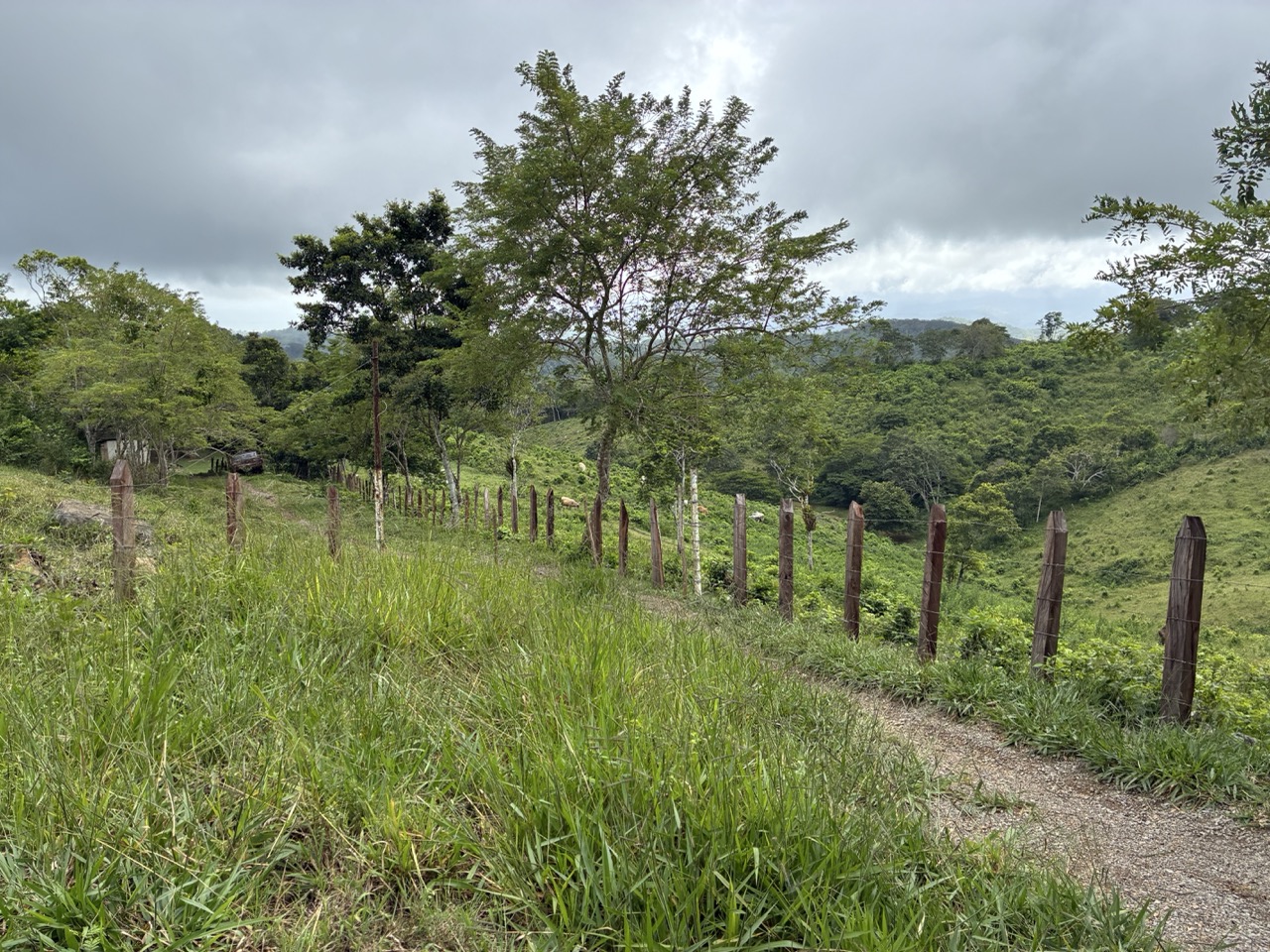
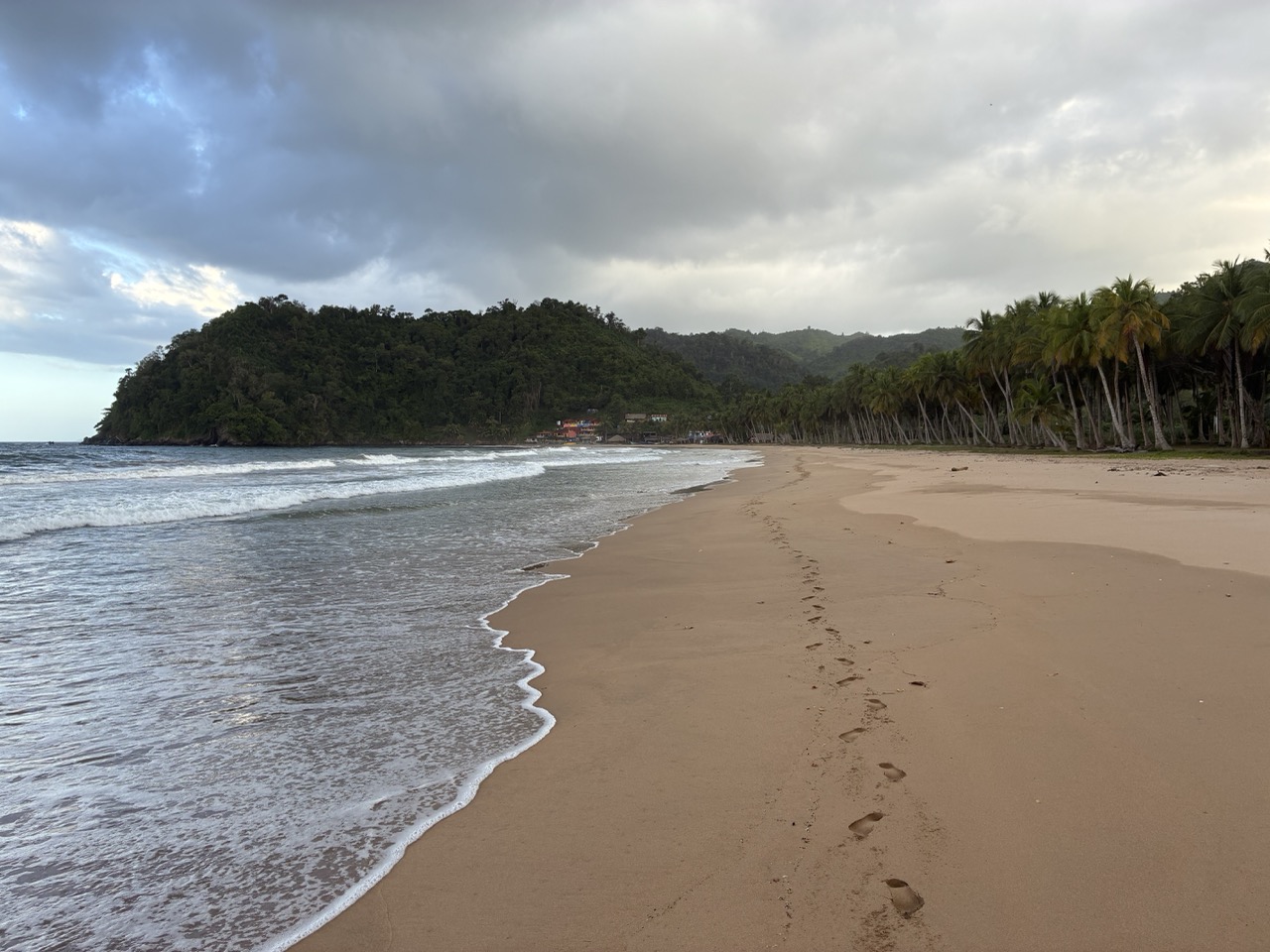
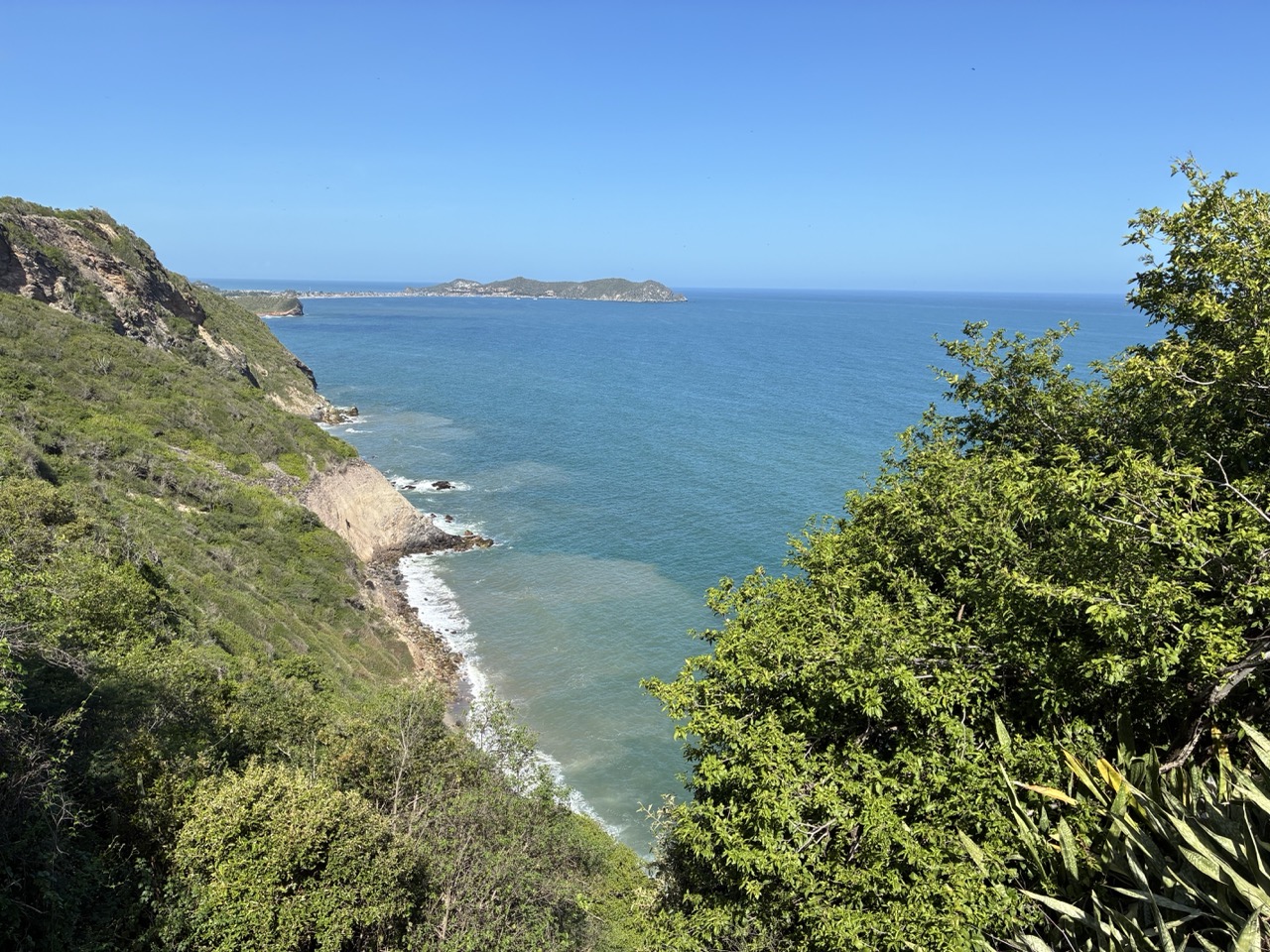
I arrived at the coast by lunchtime. The whole Venezuelan coast is over 2000kms long and is on the Caribbean Sea. I headed east in search of a small secluded beach called Puy Puy which had been recommended to me. I passed a few statues along the way and a few police checkpoints but no one seemed interested in me.
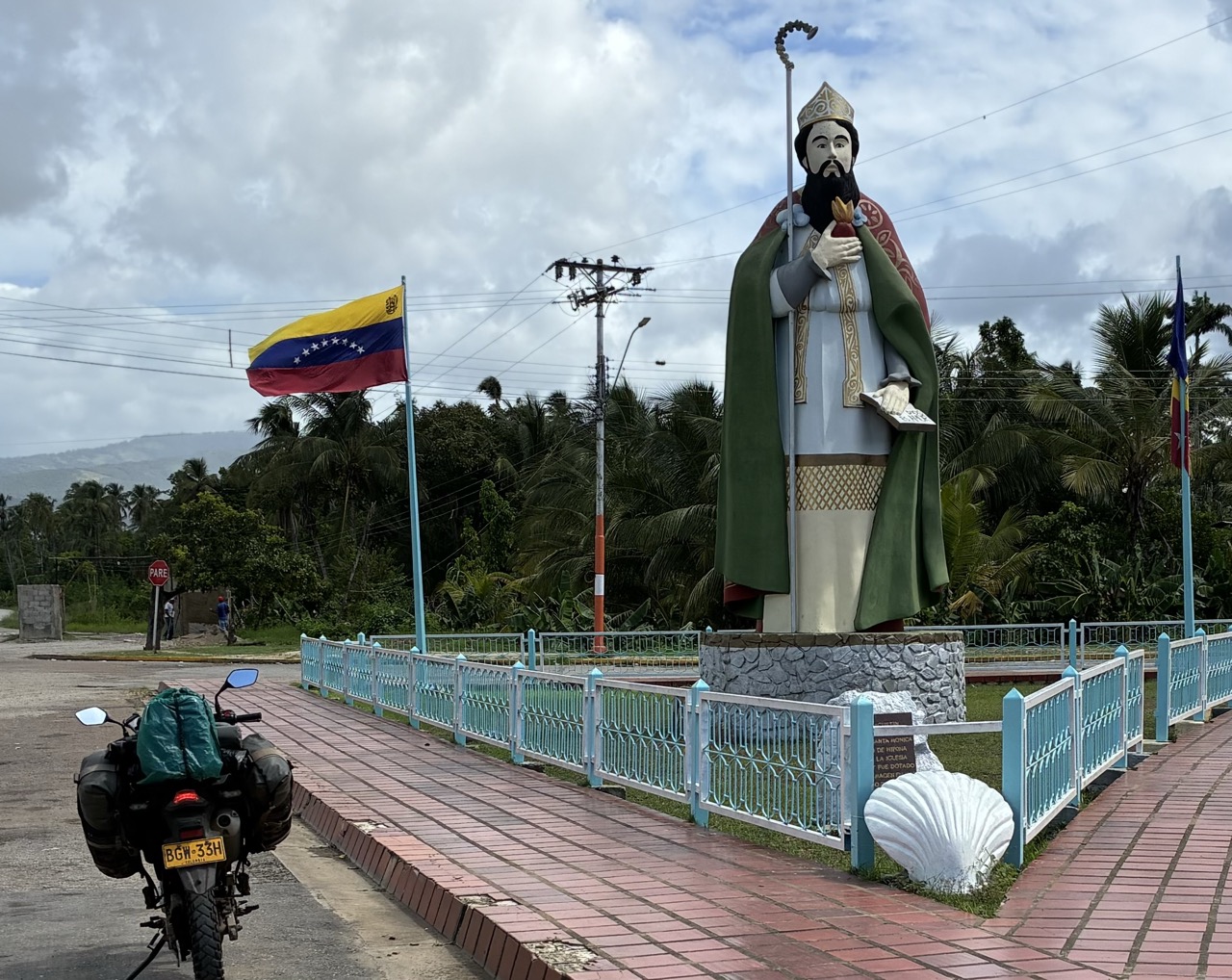
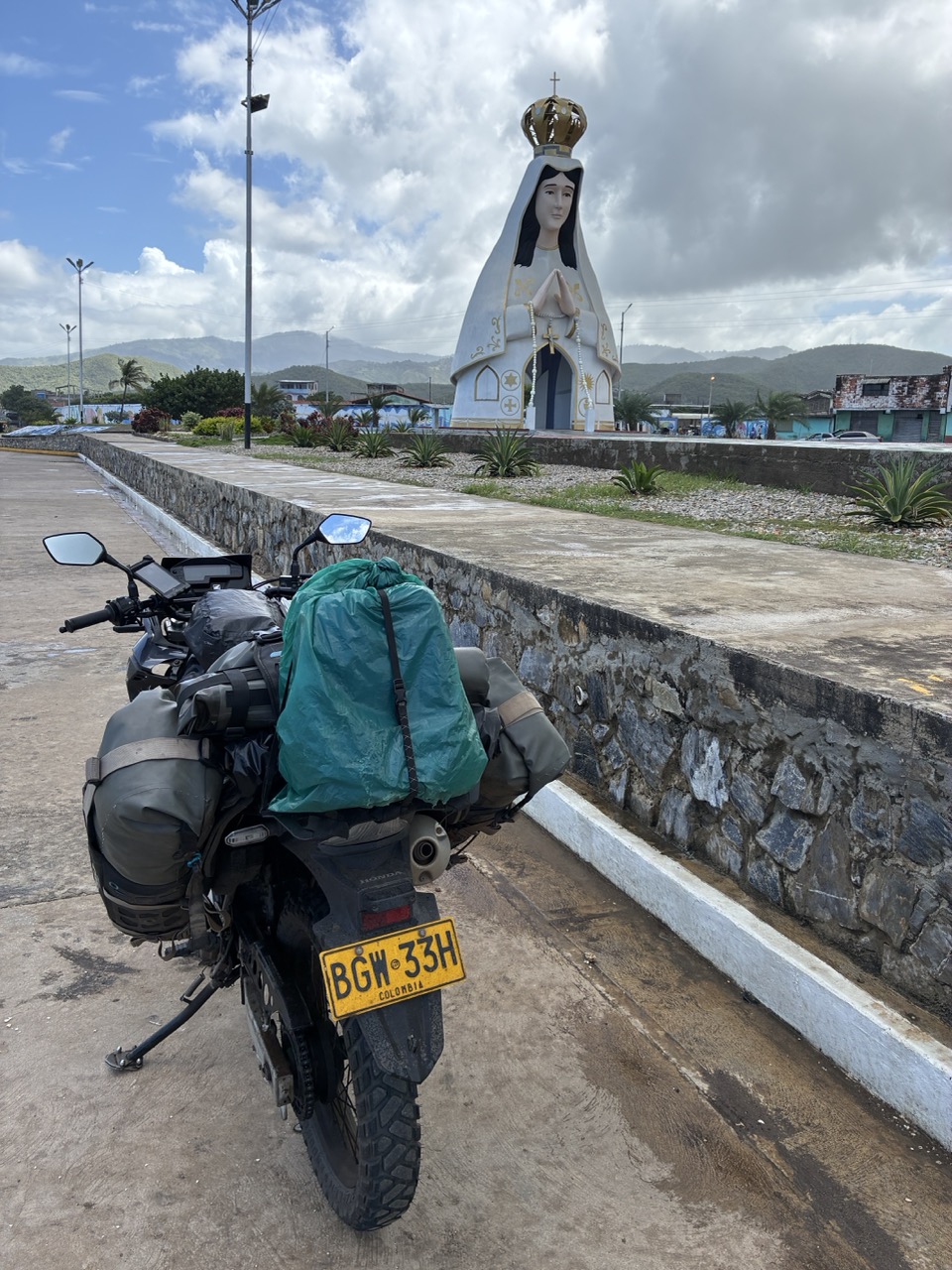
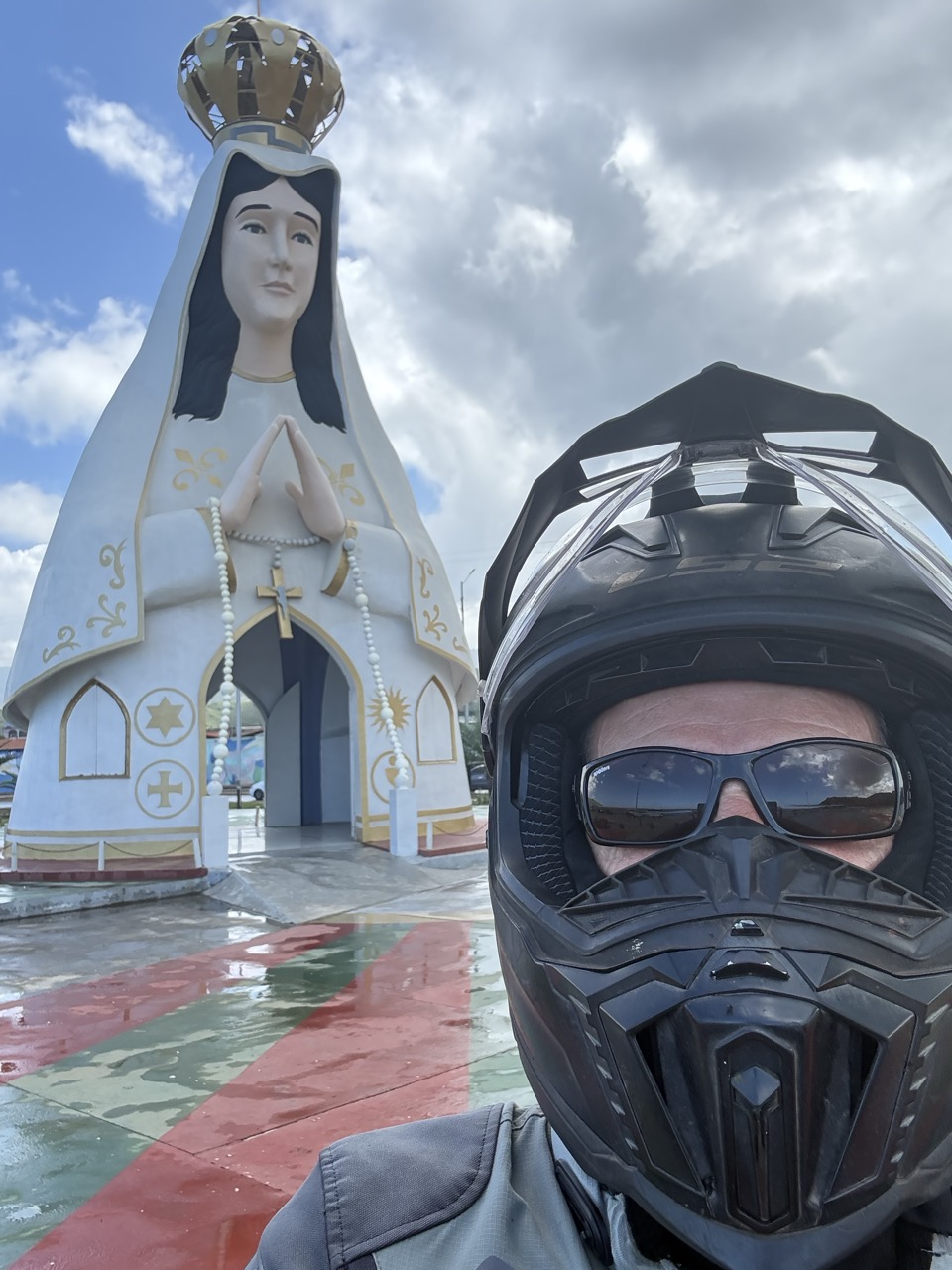
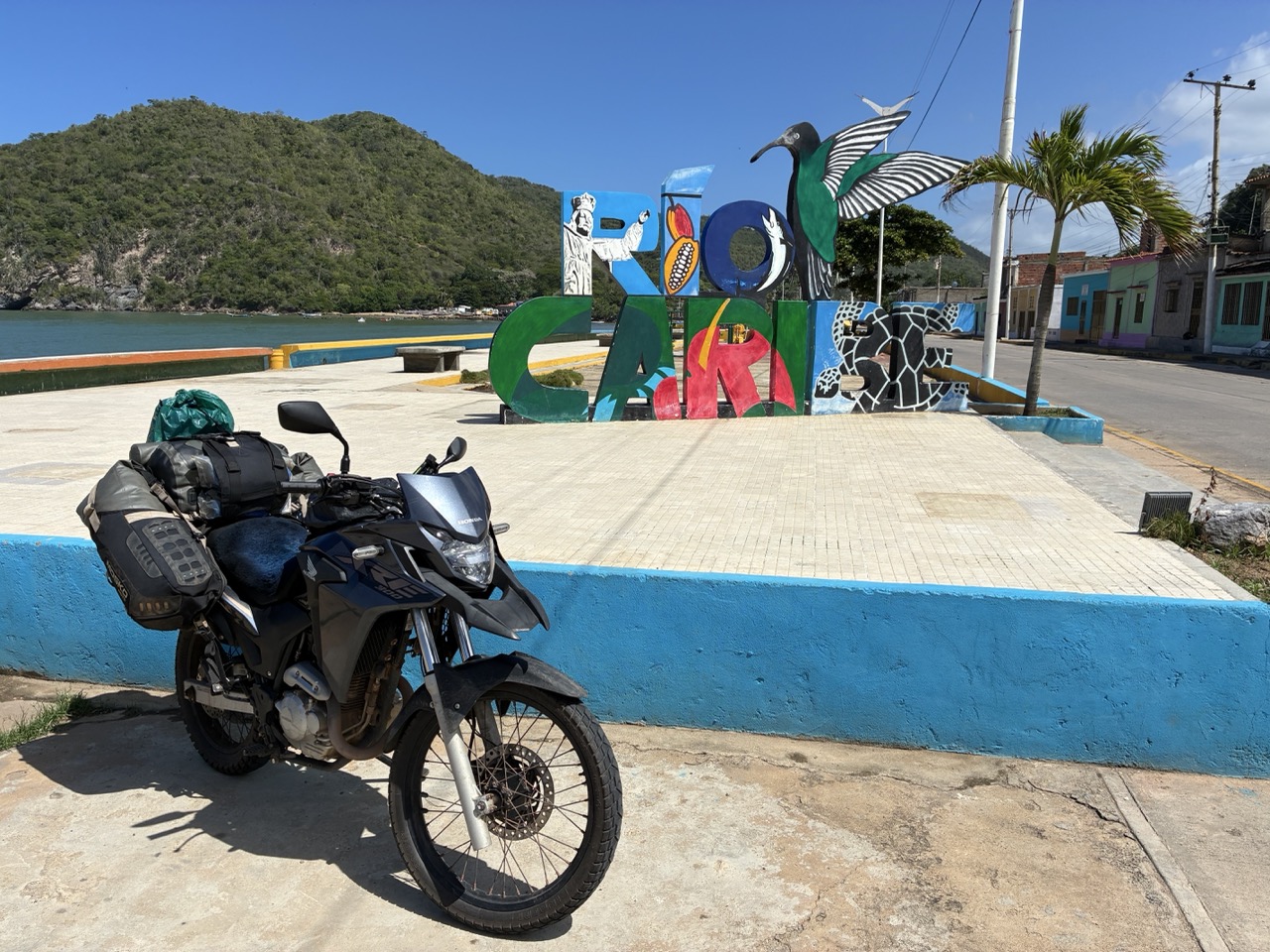
It was nice riding along the coastline which was hilly and winding and I checked out a few pretty little beaches along the way. There was only one road gouing east and I was following google maps but it gave me a bum steer and I was about to go down a dodgy looking side road. A guy on a motorbike with his two young daughters pulled alongside me and suggested I was lost. I told him where I was going and he said this was the wrong road. He then got me to follow him a couple of kilometres to the correct turn off. Somehow you have to trust a local with his kids onboard. We had a brief chat about my trip and he wished me well. He was right about the road and after about 15 minutes I arrived at Puy Puy.
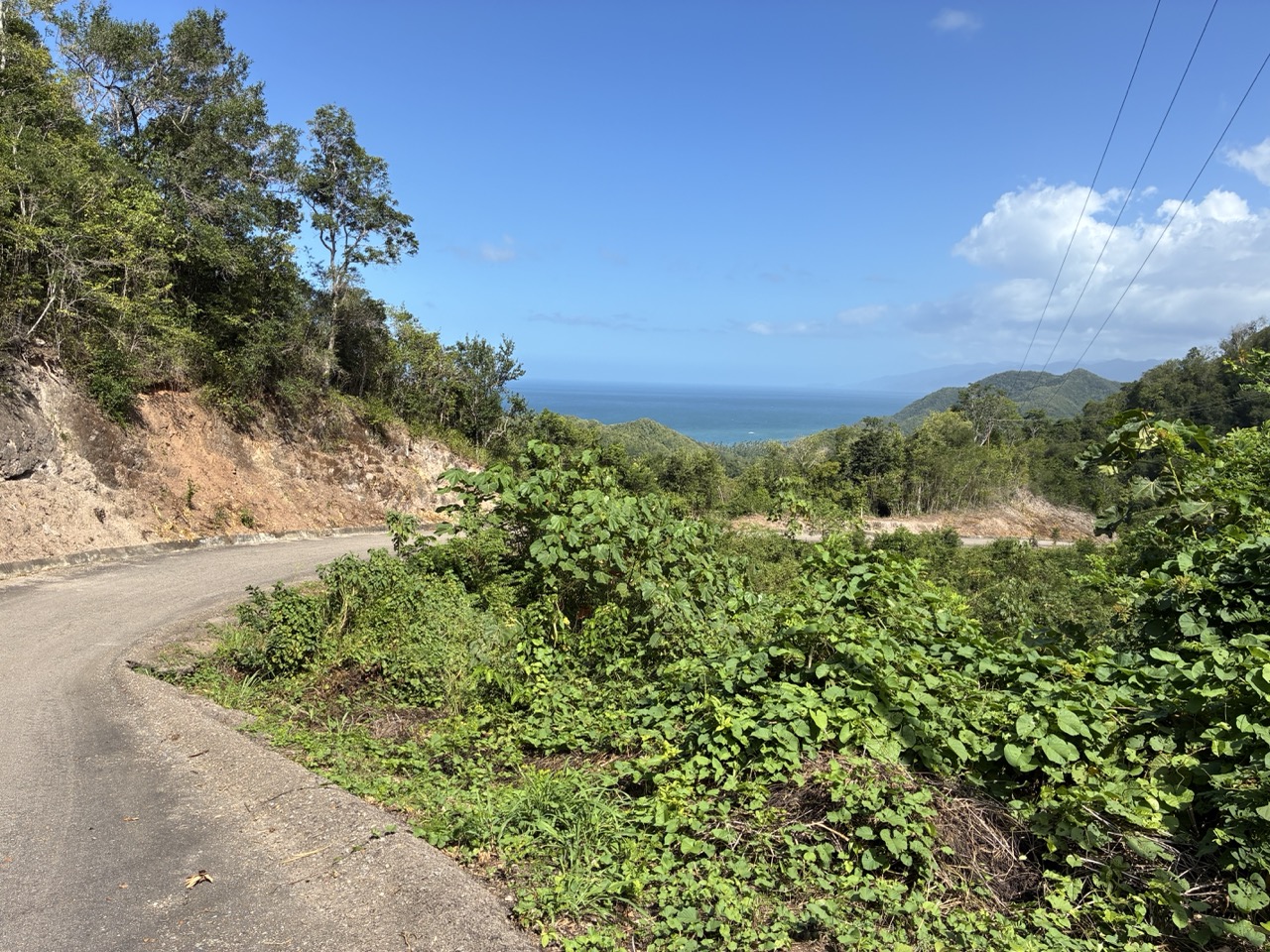
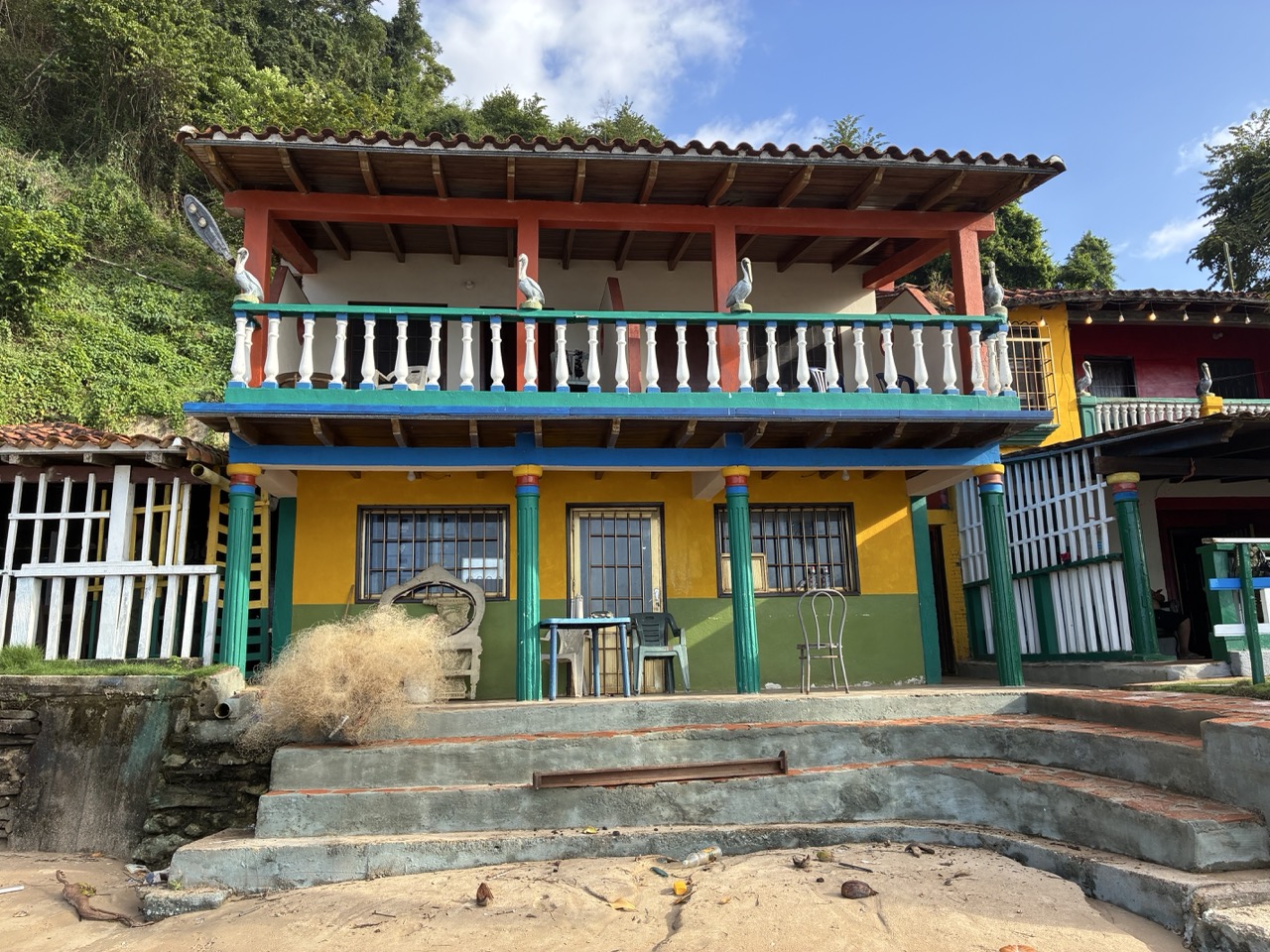
It was a crappy road in and no signs. I thought there was a hotel of some sort there. There were some cabins on the beach and then a soldier stepped out in front of me. I could see quite a few of them about. He wanted all my documentation and wanted to know what I was doing there. I’m a tourist. This is a beach? He let me pass. I continued on the crappy road and arrived at the end of the beach where there were lots of soldiers and army tents set up. Similar questions and then they pointed to a colourful building across the sand. It was a hotel. I rode across the beach to it and found the guy in charge. I don’t think they were expecting anyone.
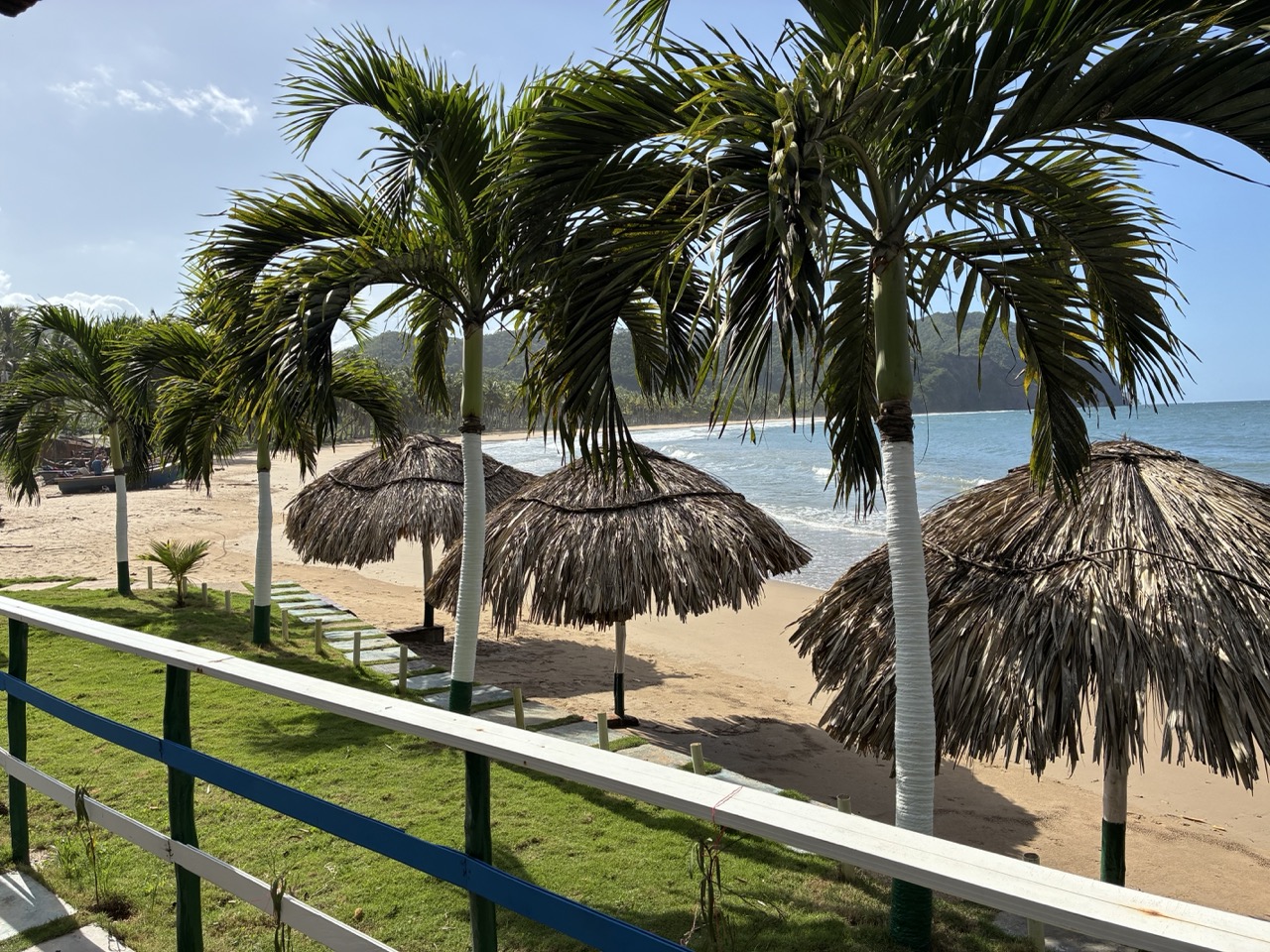
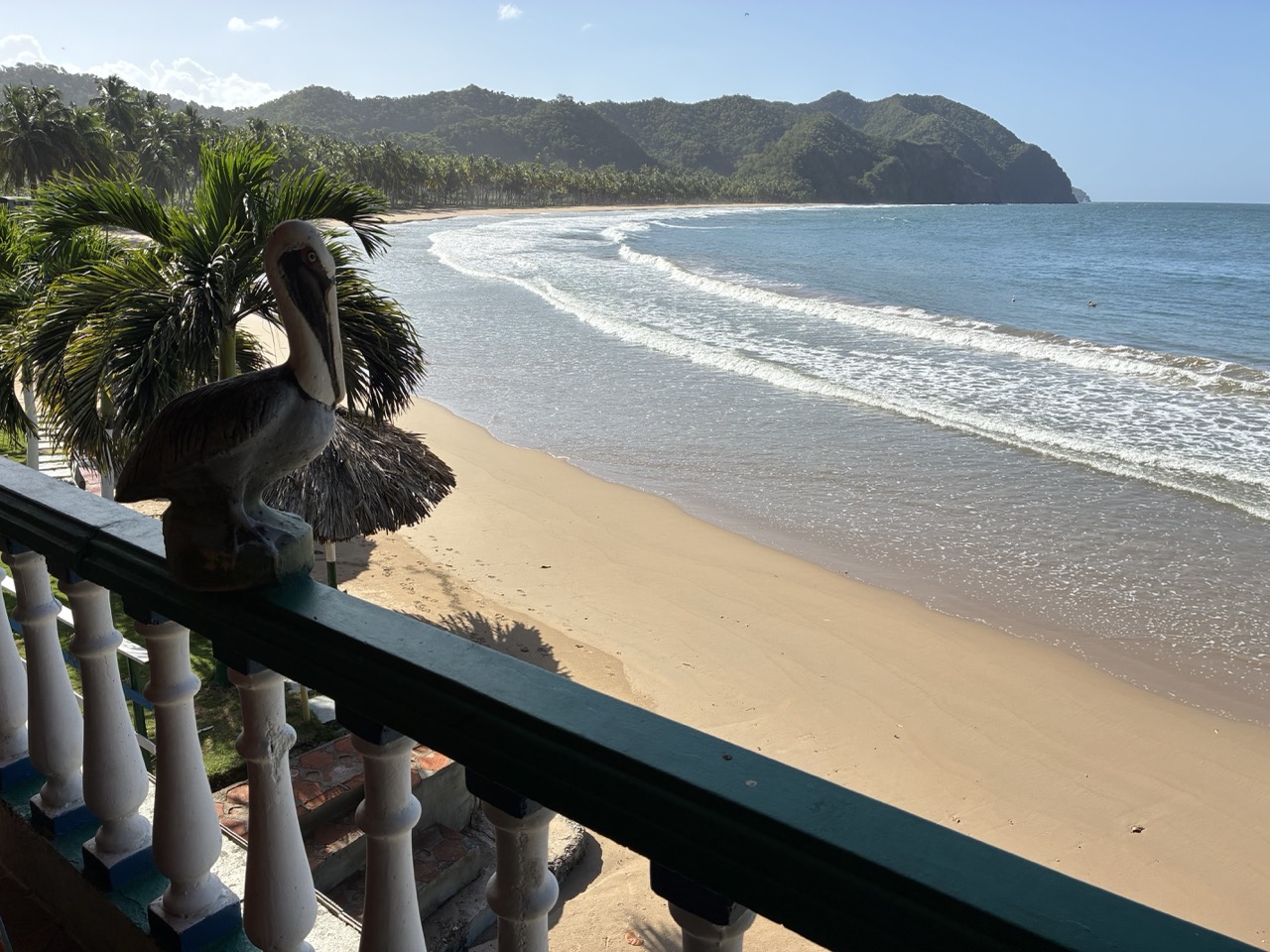
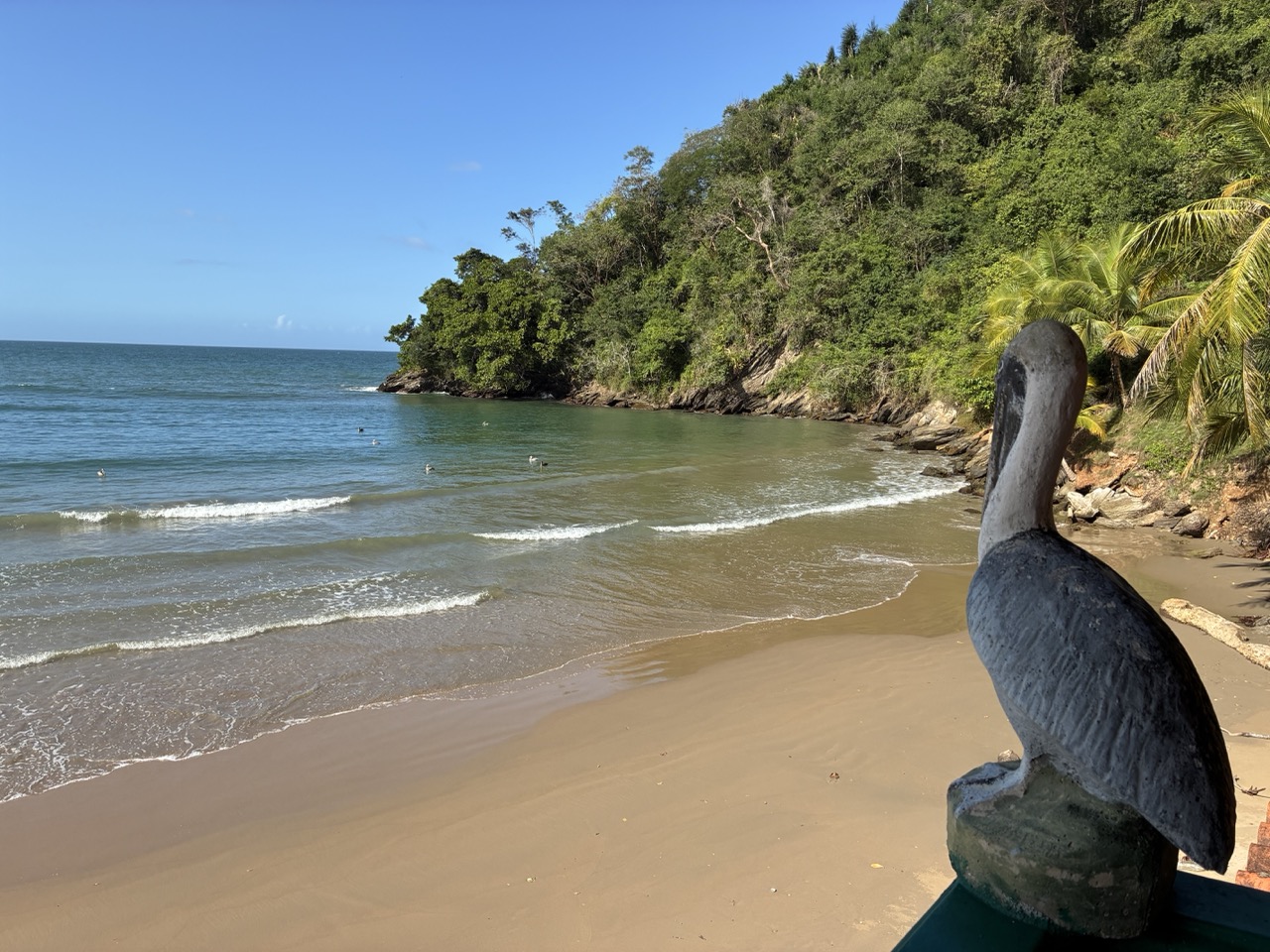
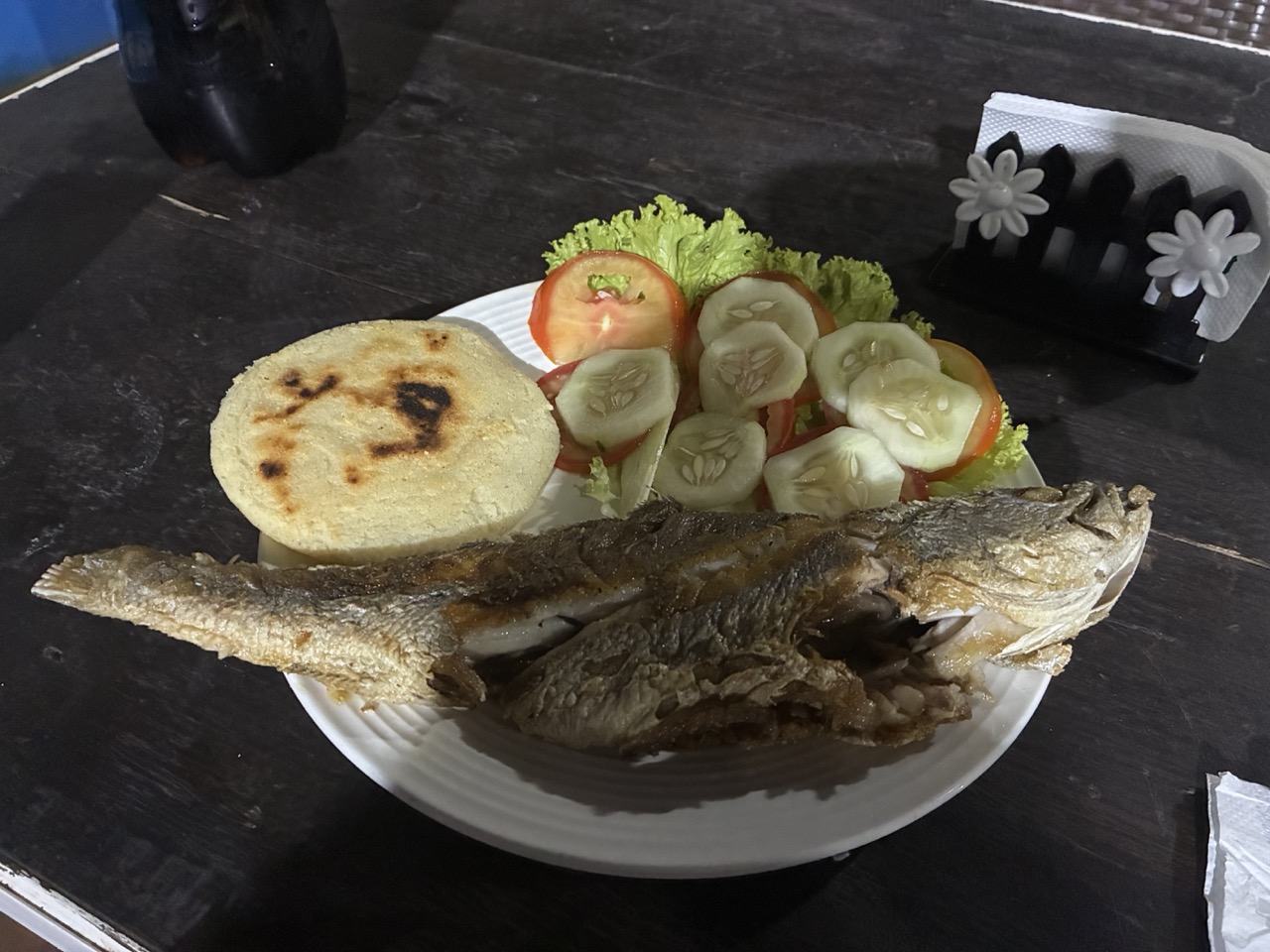
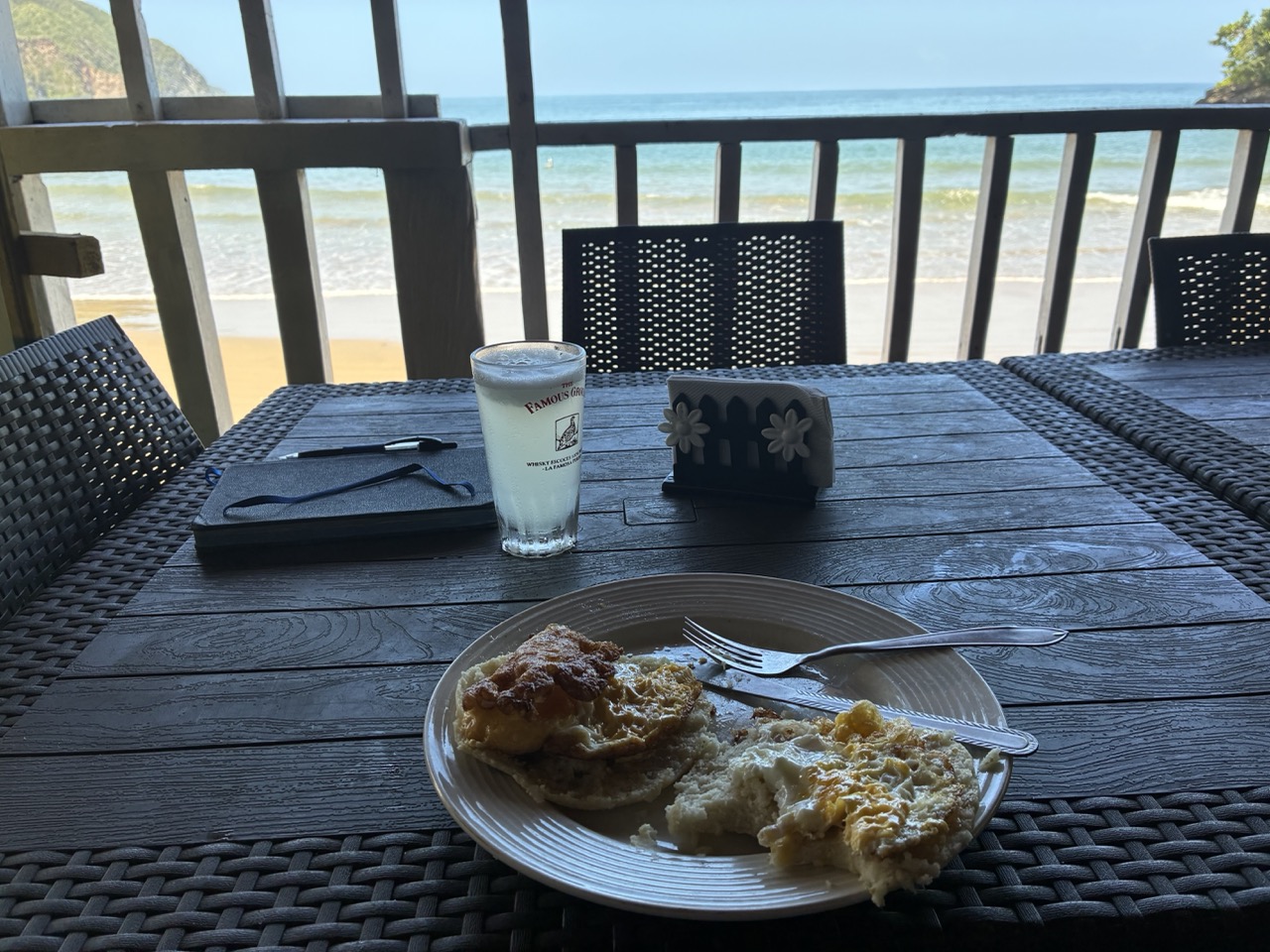
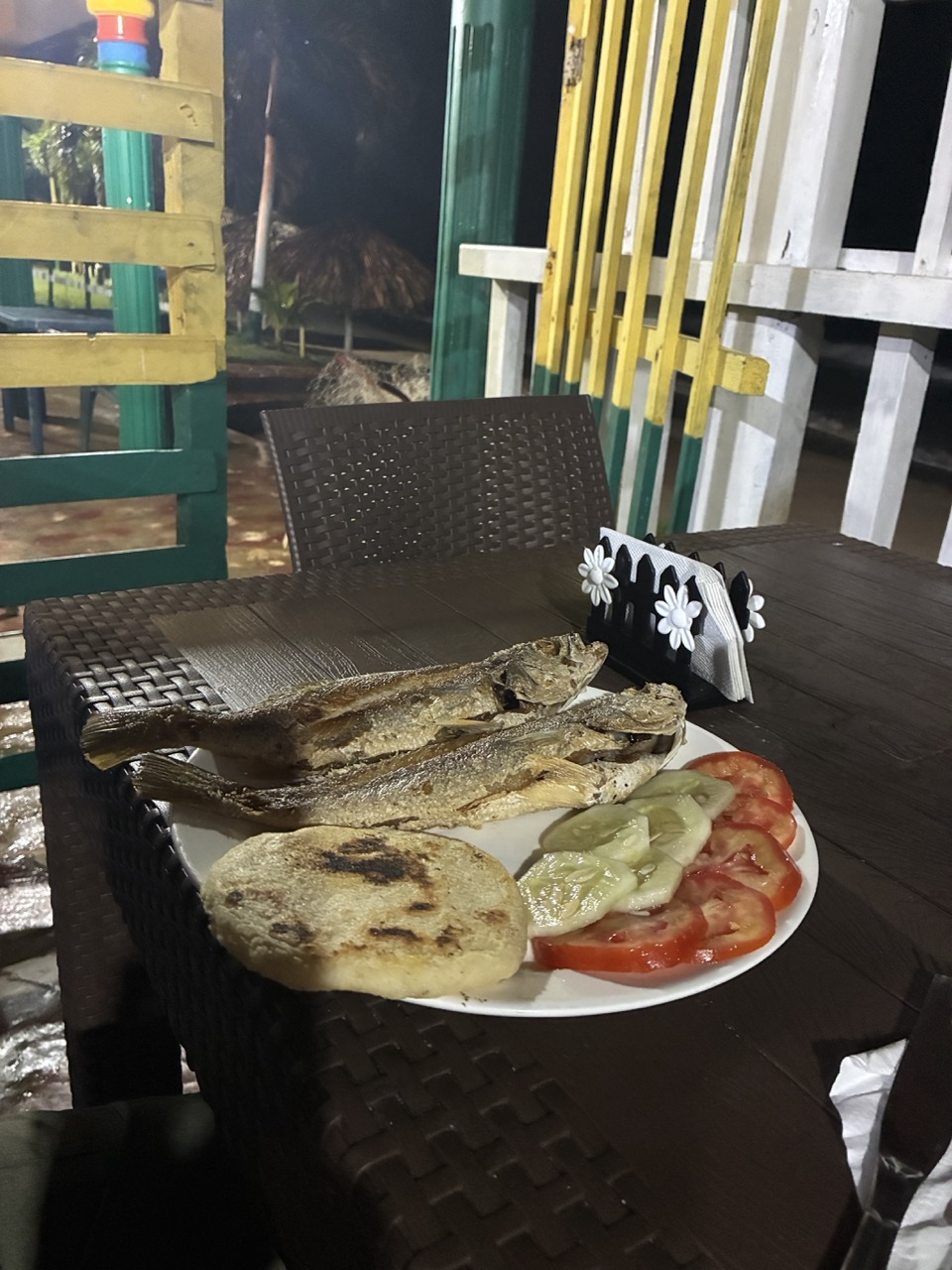
It turned out to be nice. Everything was run down and below par but acceptable. It was $15USD a night or $20USD for the deluxe room which had a beachfront balcony. This was the sort of place that I was holding on to my cash for. No cards. Sometimes no electricity or internet but a beautiful view. No Beer but freshly cooked fish for dinner and fresh limonadas. I also had an egg breakfast and he found me a two litre bottle of coke. I couldn’t buy any water but he gave me a couple of litres of boiled water each day. All up I spent $80USD for everything which was a good deal.
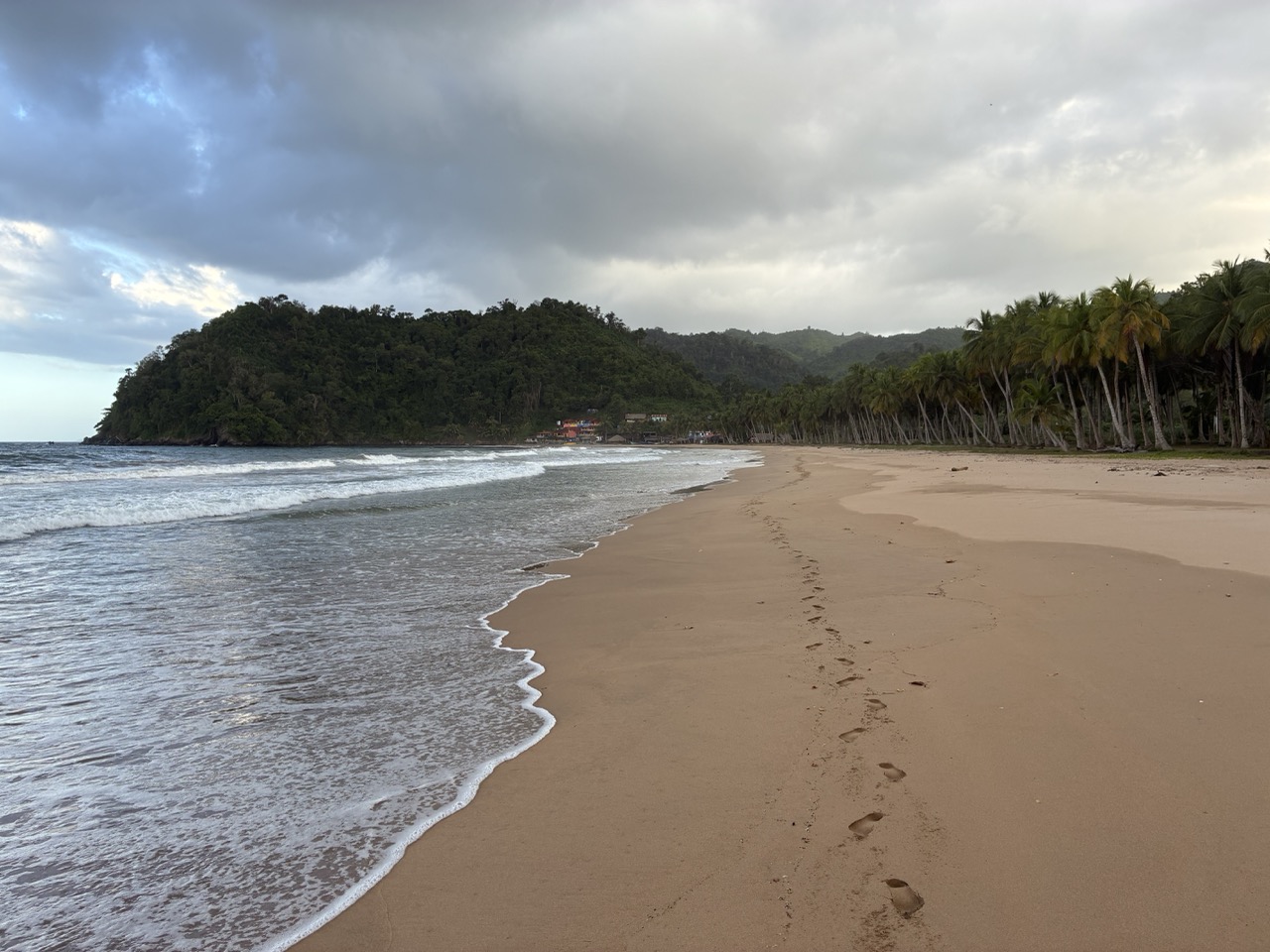
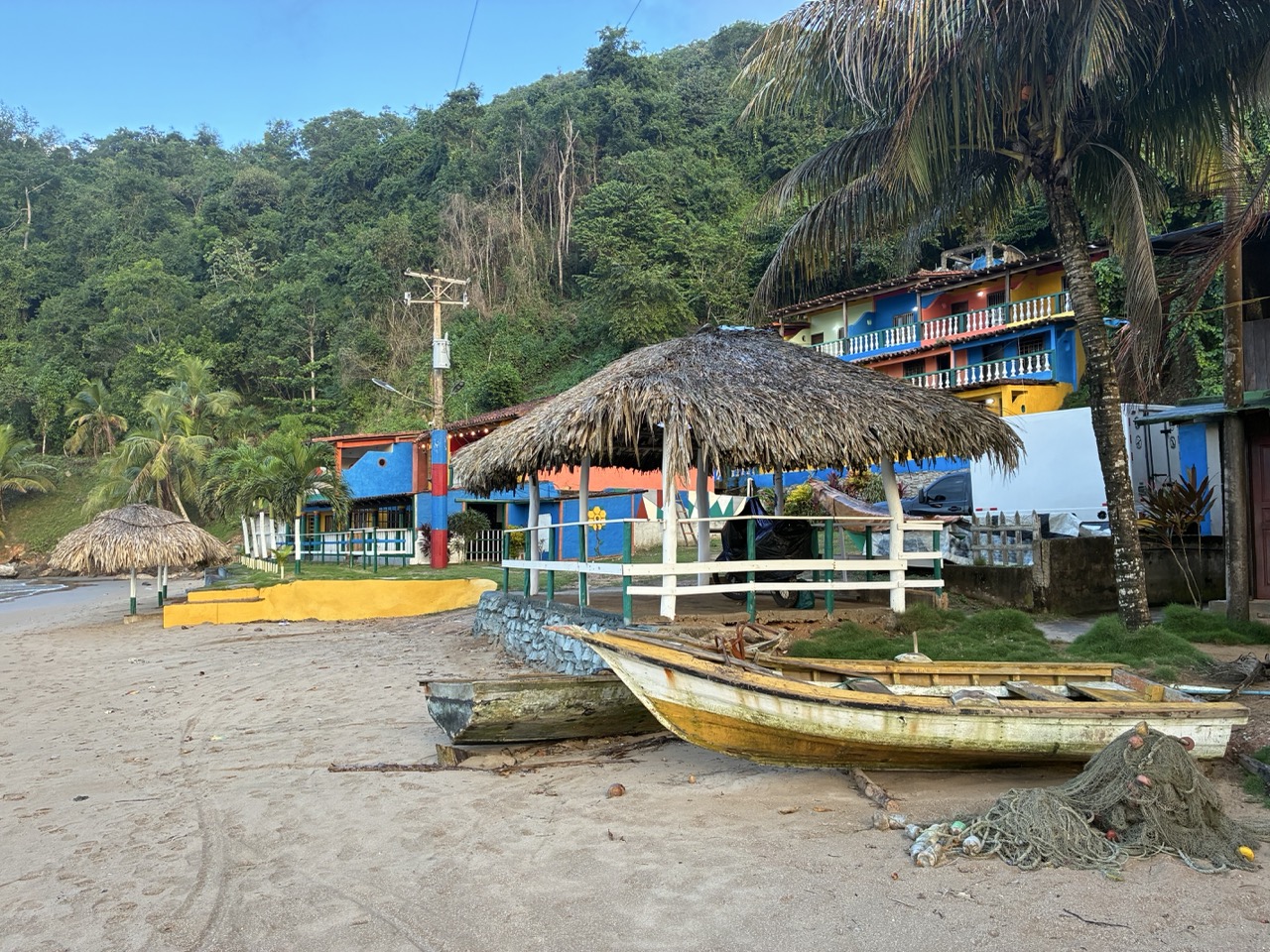
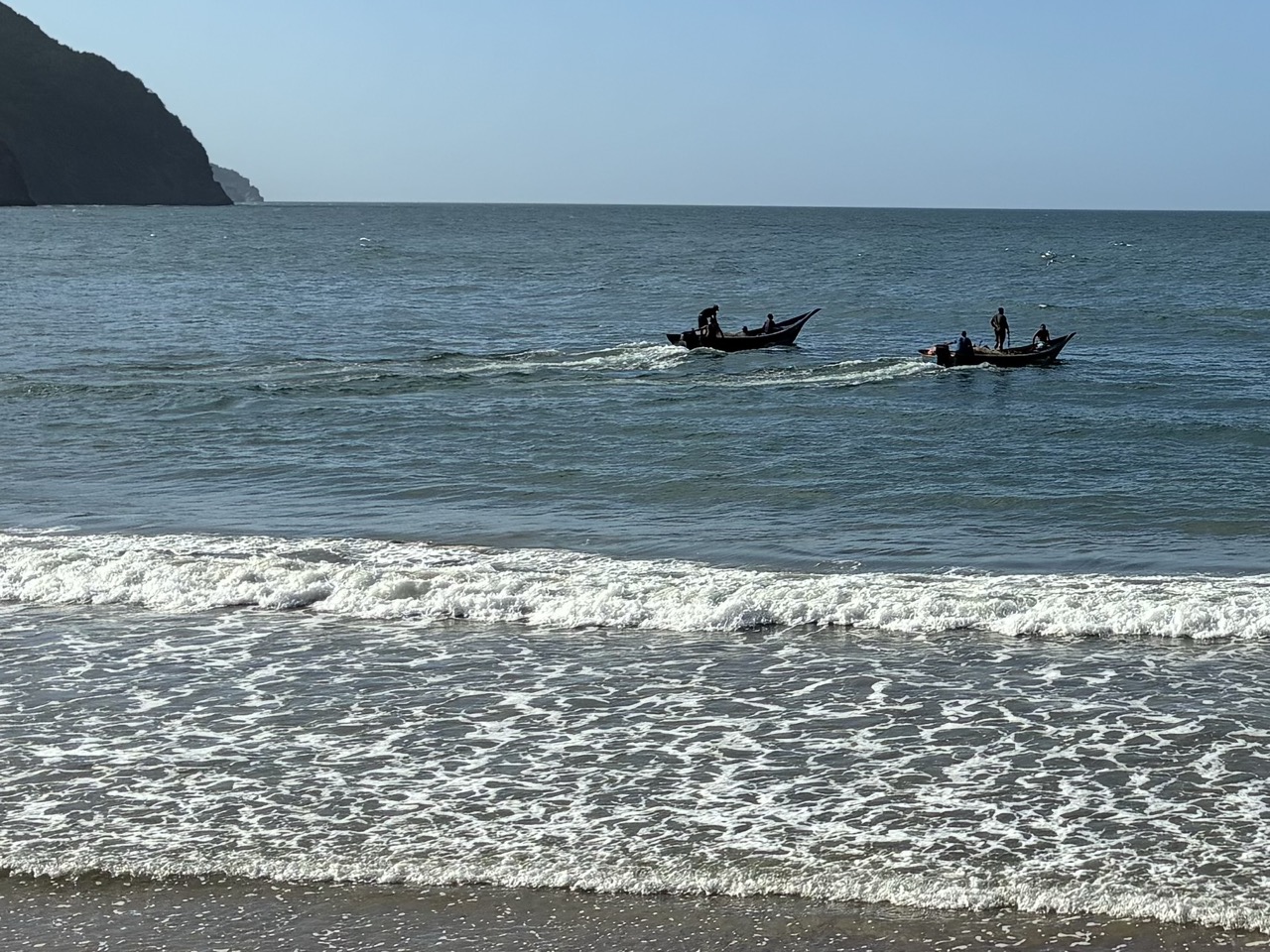
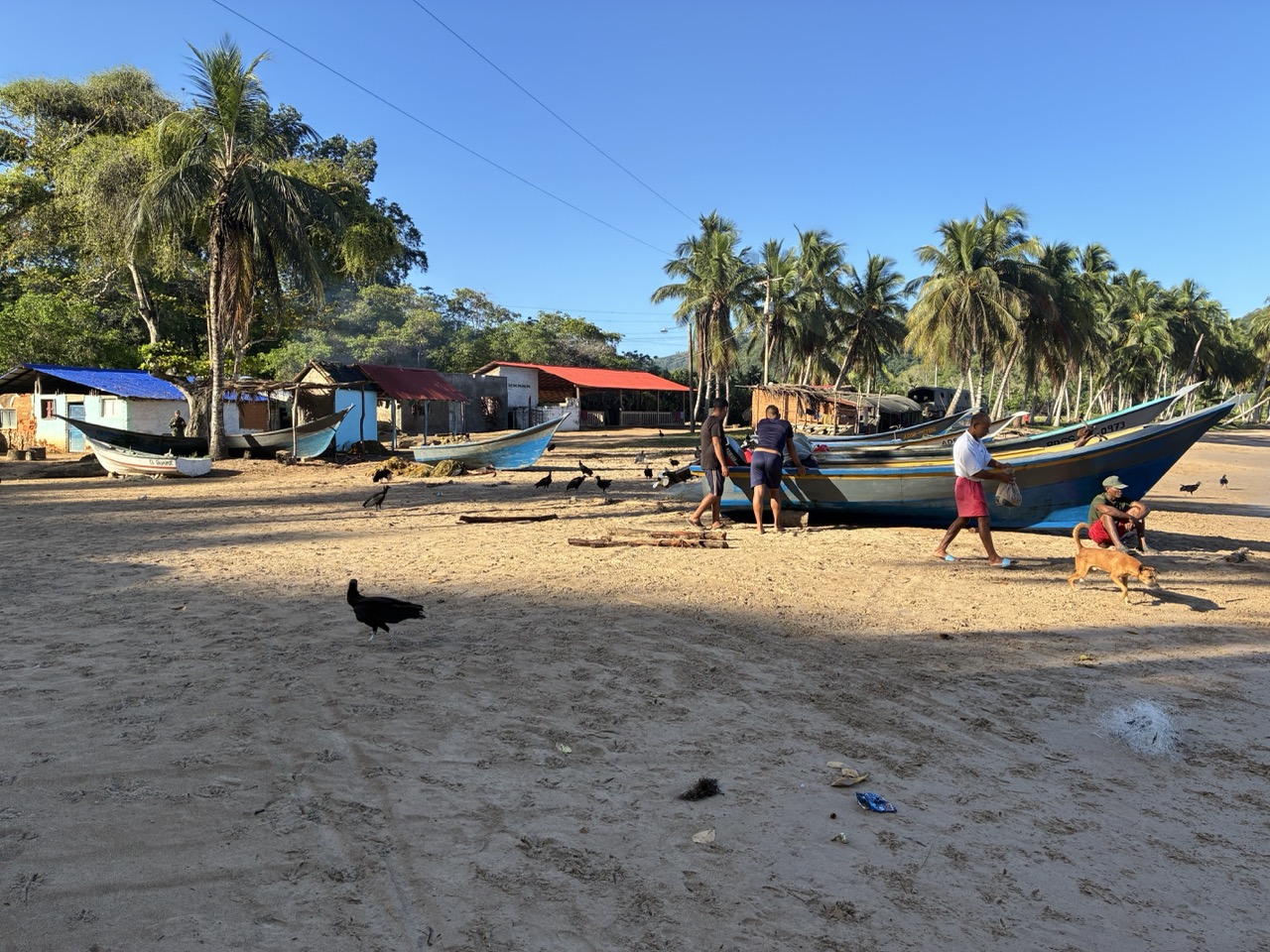
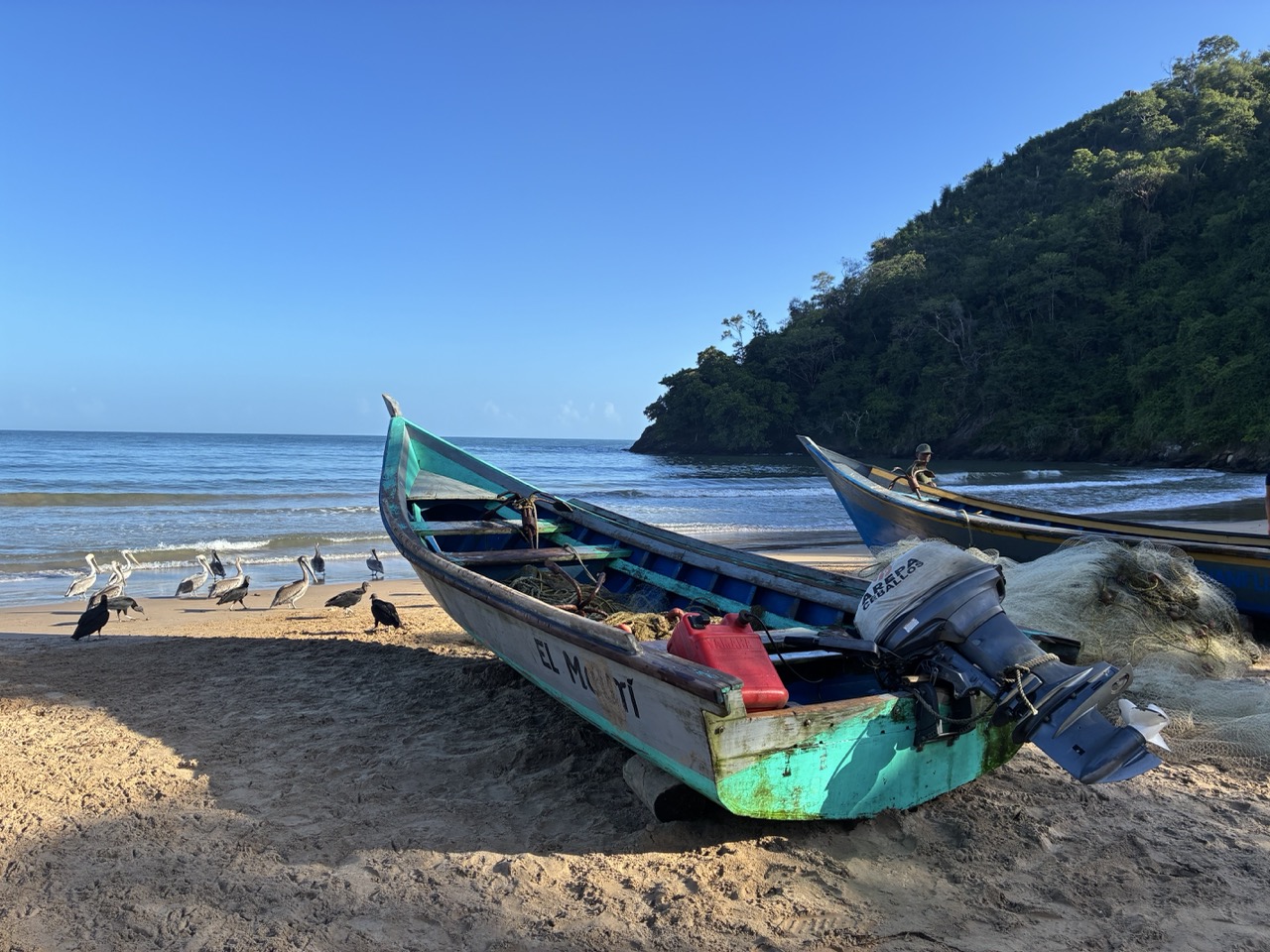
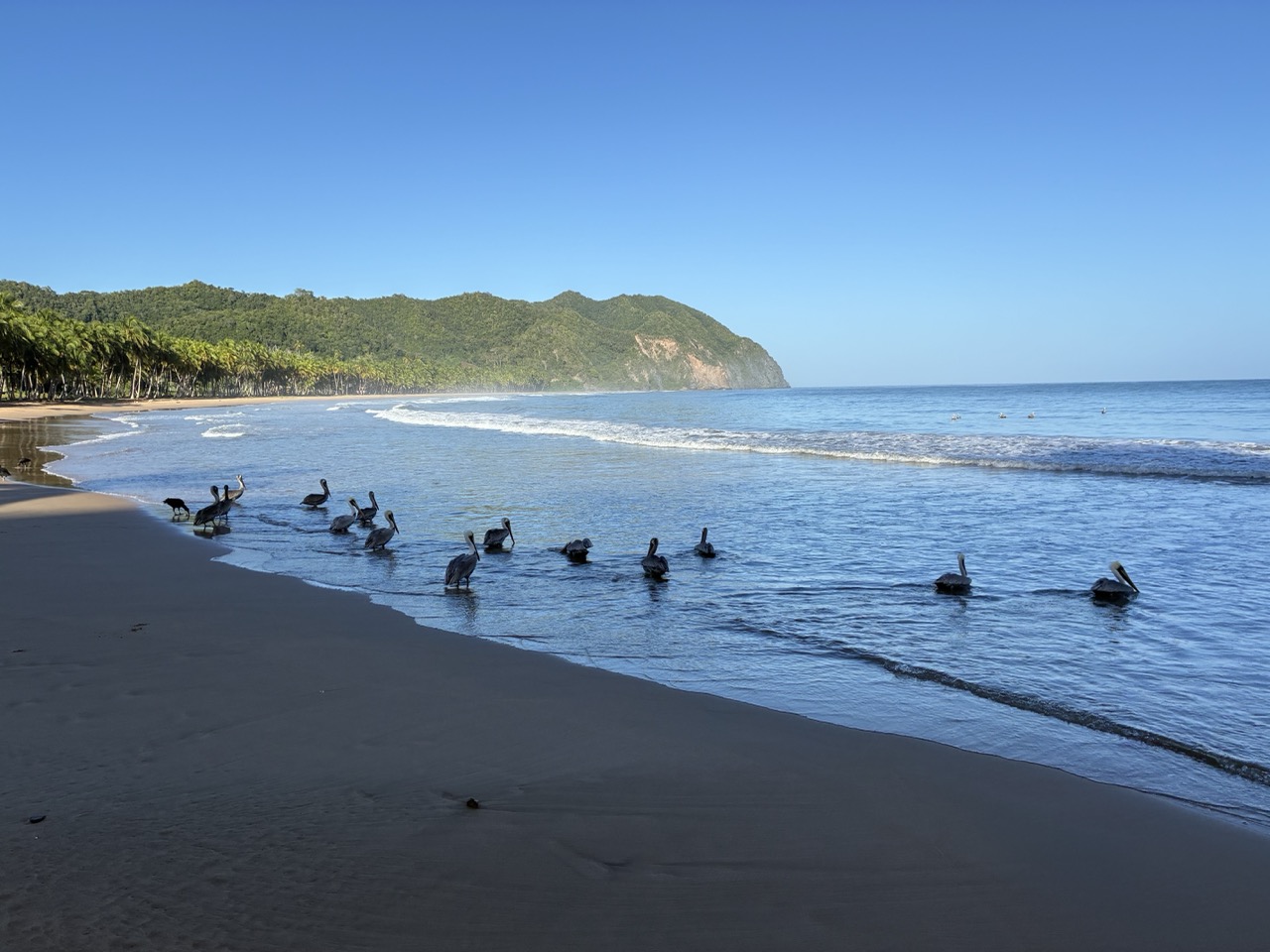
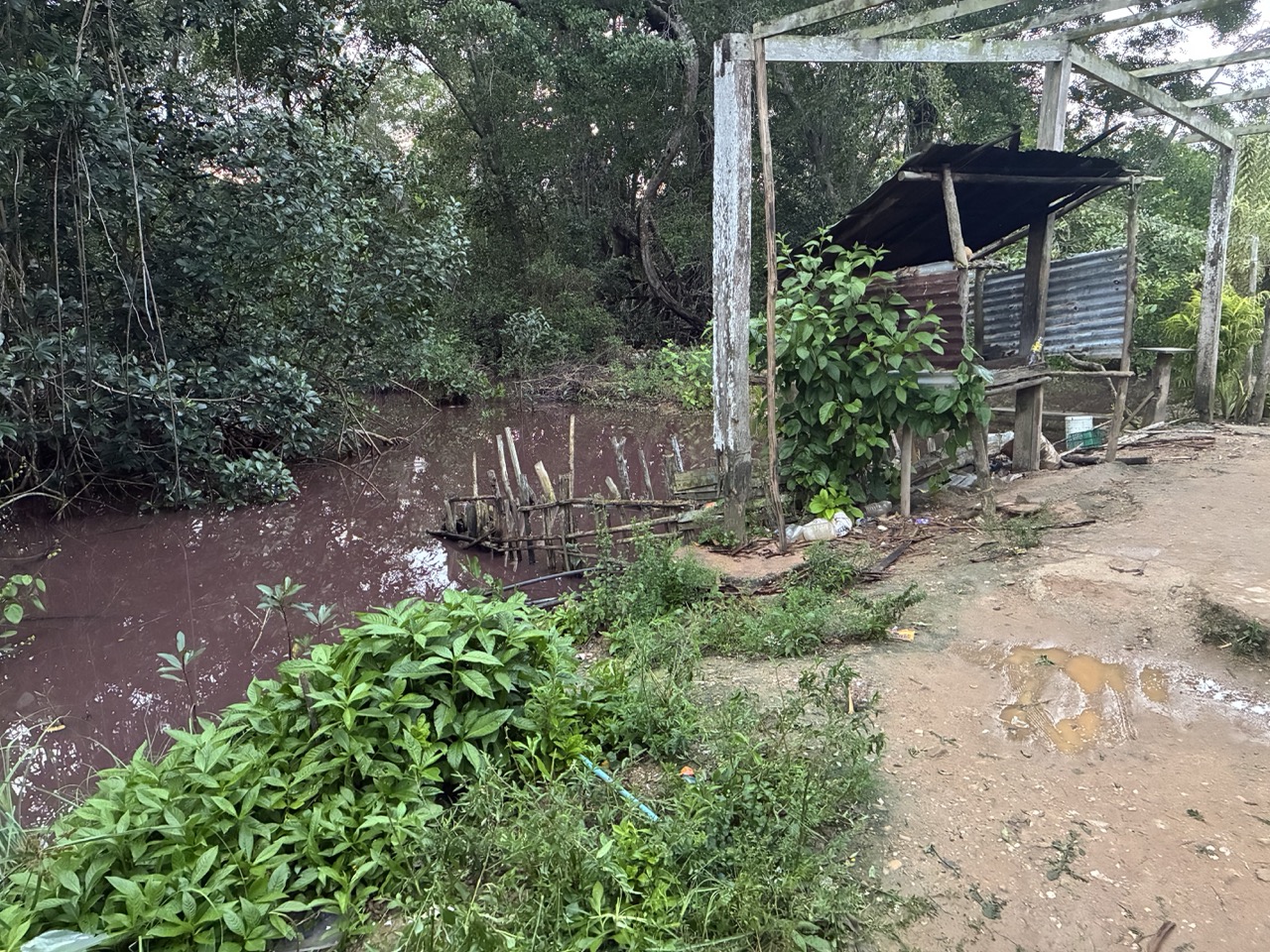
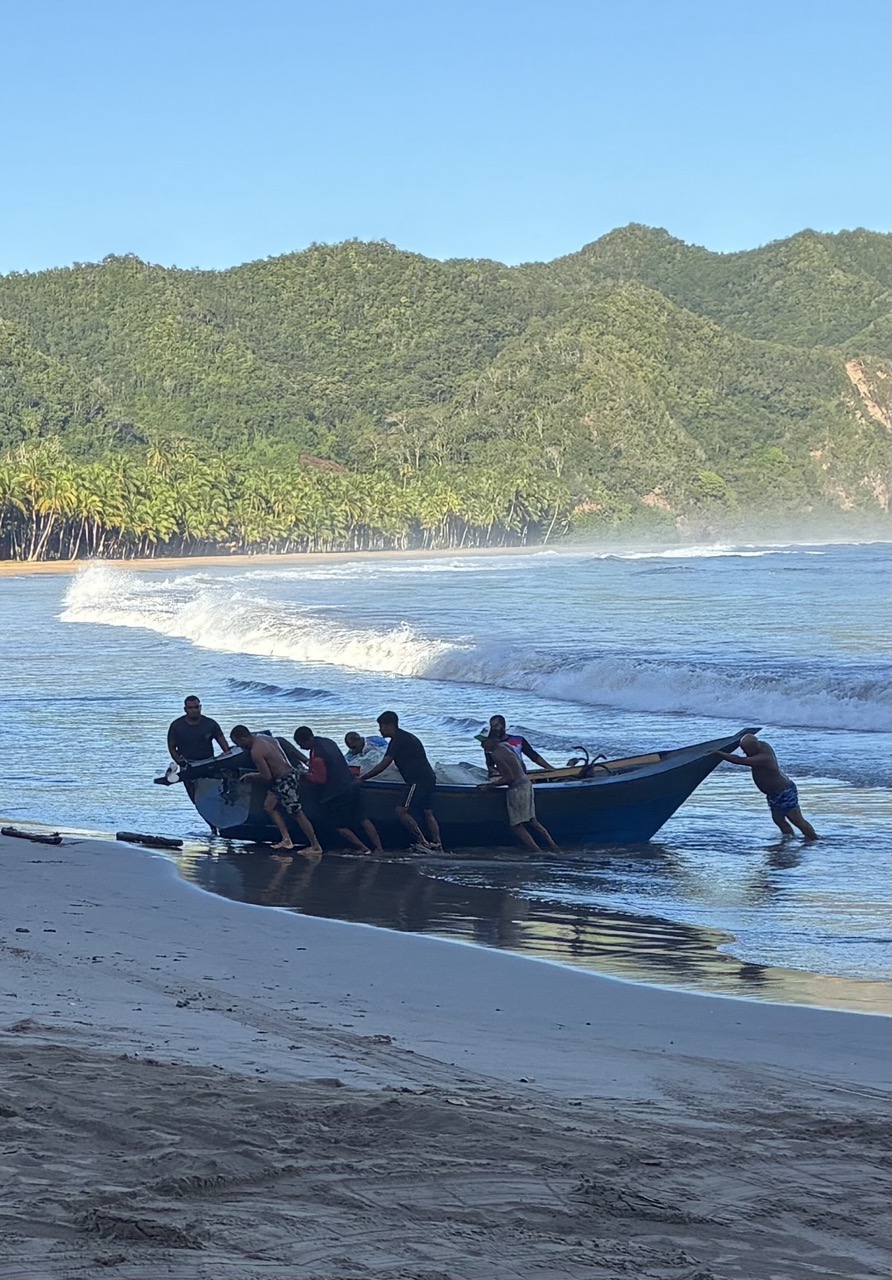
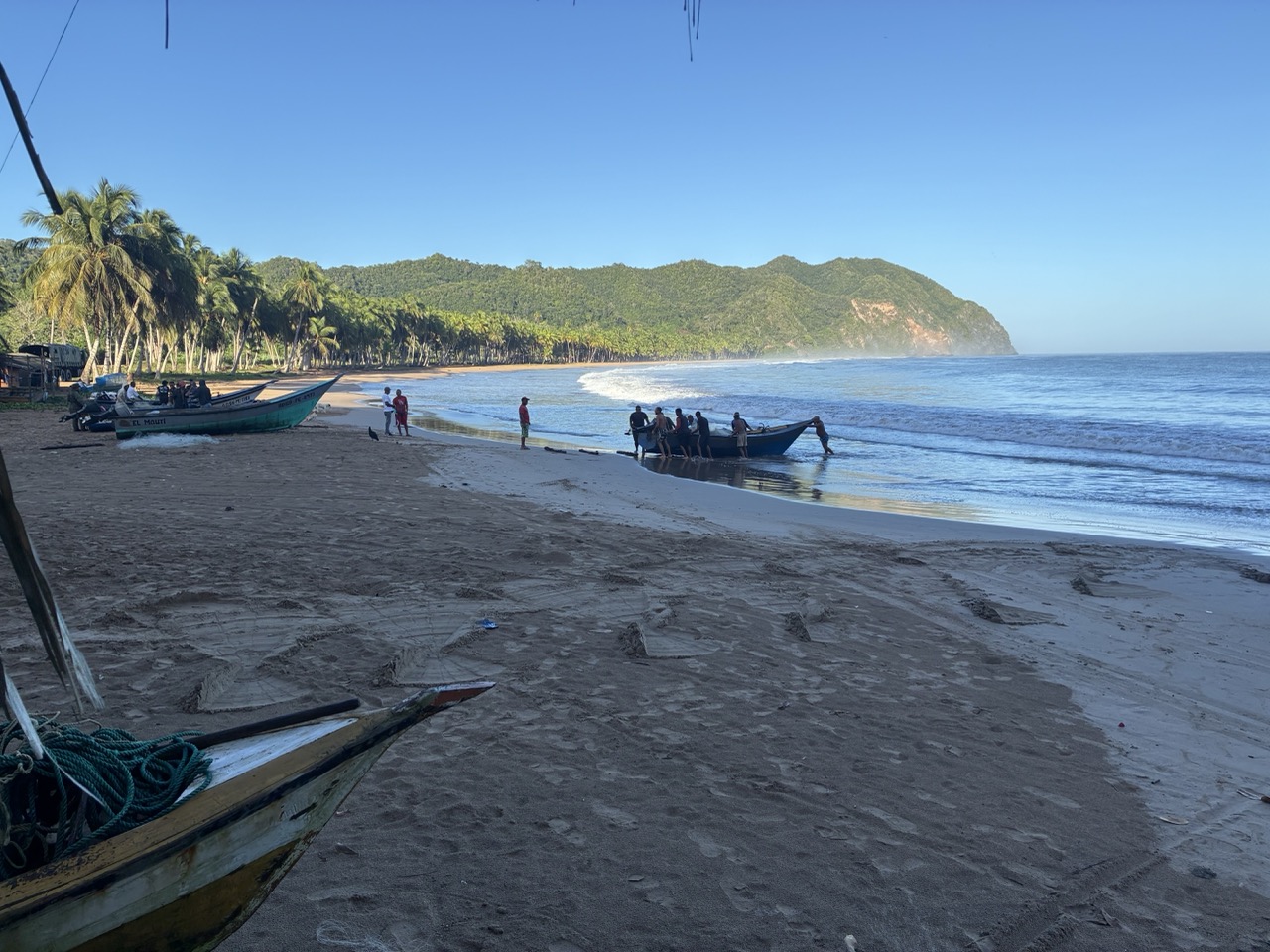
It was a small fishing village with no road and a sickly looking purple lagoon which I would hope was flushed out with big rains. There were several active fishing boats on the beach, along with a group of pelicans and another group of vultures. They were all well fed when the boats came in each morning.
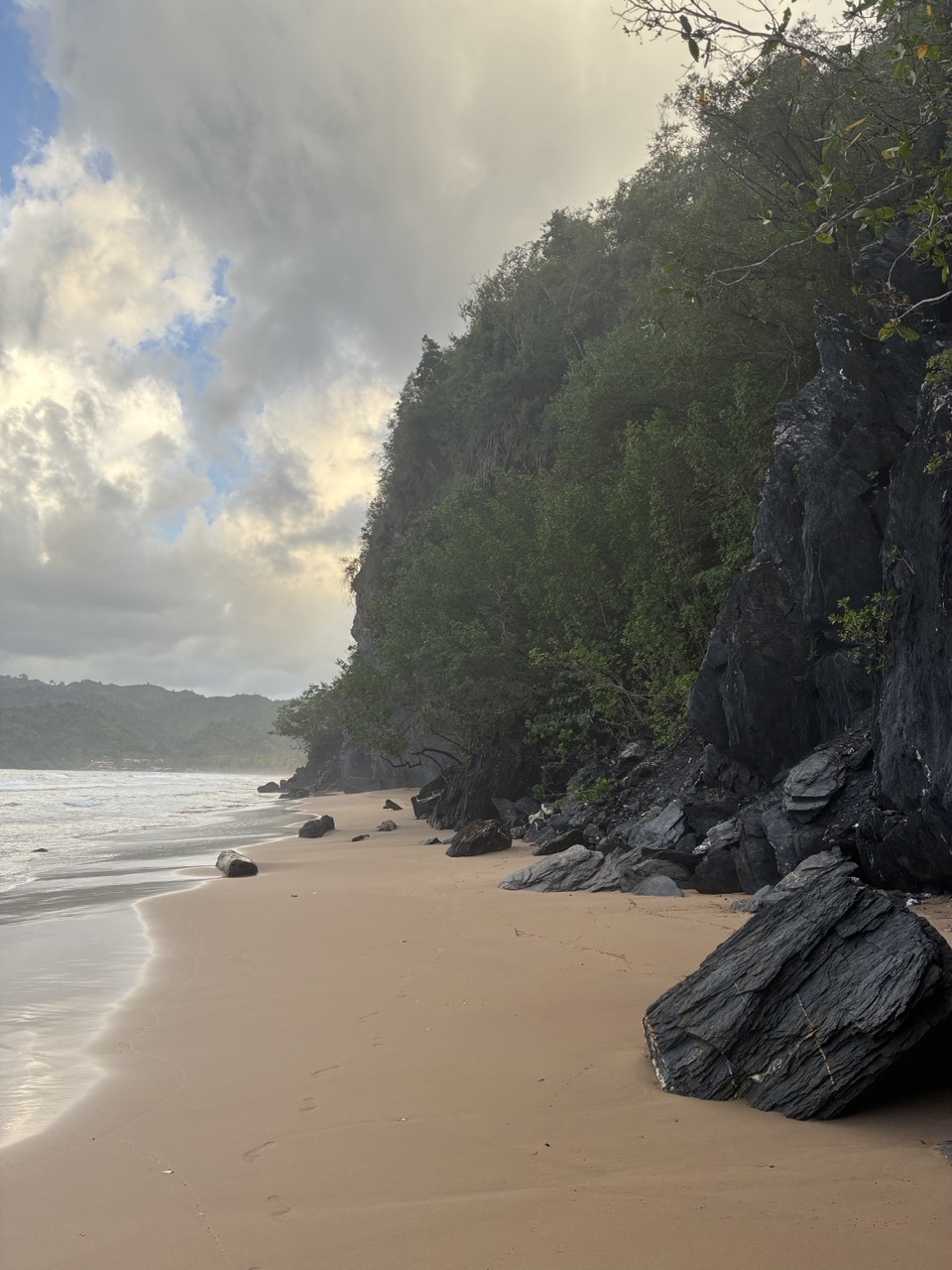
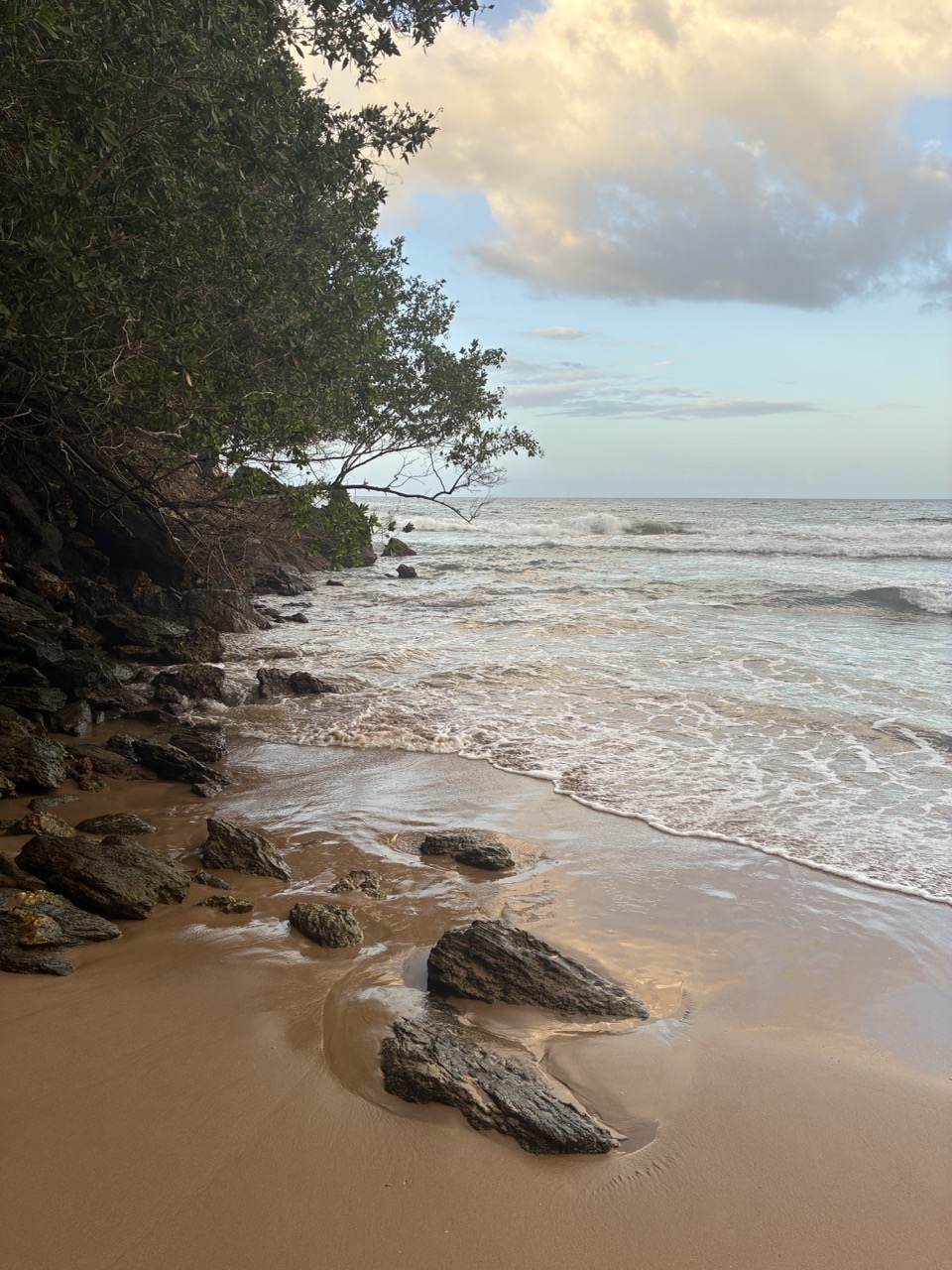
There would have been about 200 soldiers there which was actually nice. Otherwise I would have felt a bit unsafe. Obviously I didn’t take any photos of them. I ended up staying 2 nights. And one night ate with a senior army guy and two of the female soldiers. That was a bit weird. It was a 20 minute walk to the end of the beach and I did that a couple of times both days. It wasn’t quite warm enough for me to get in for a swim. The soldiers went in a few times. I guess to bathe or go to the toilet? I think they are only there now because Trump has stuck his big aircraft carrier just off the coast. Mainly I stayed out of their way, but they were always pleasant as I walked past.
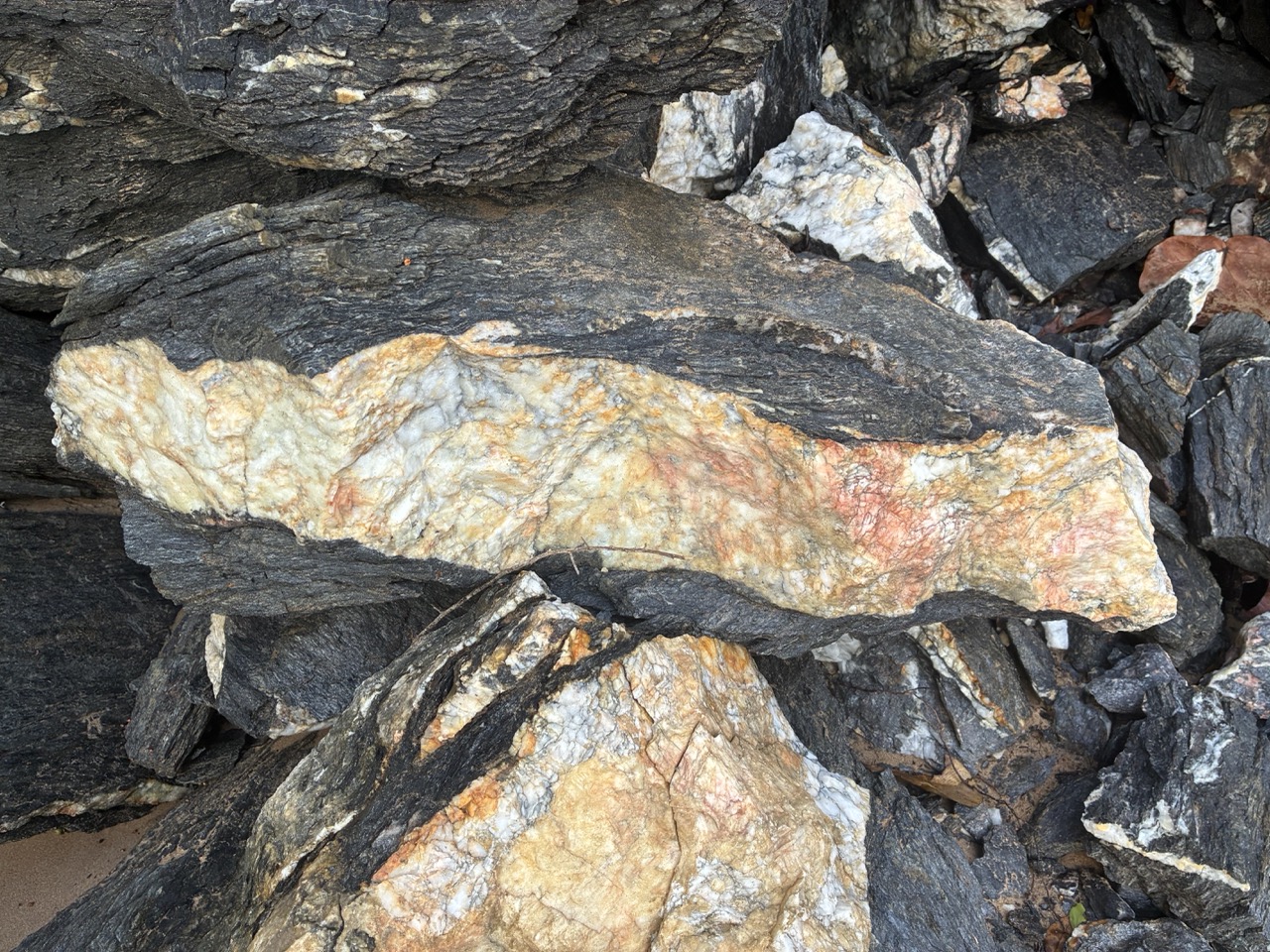
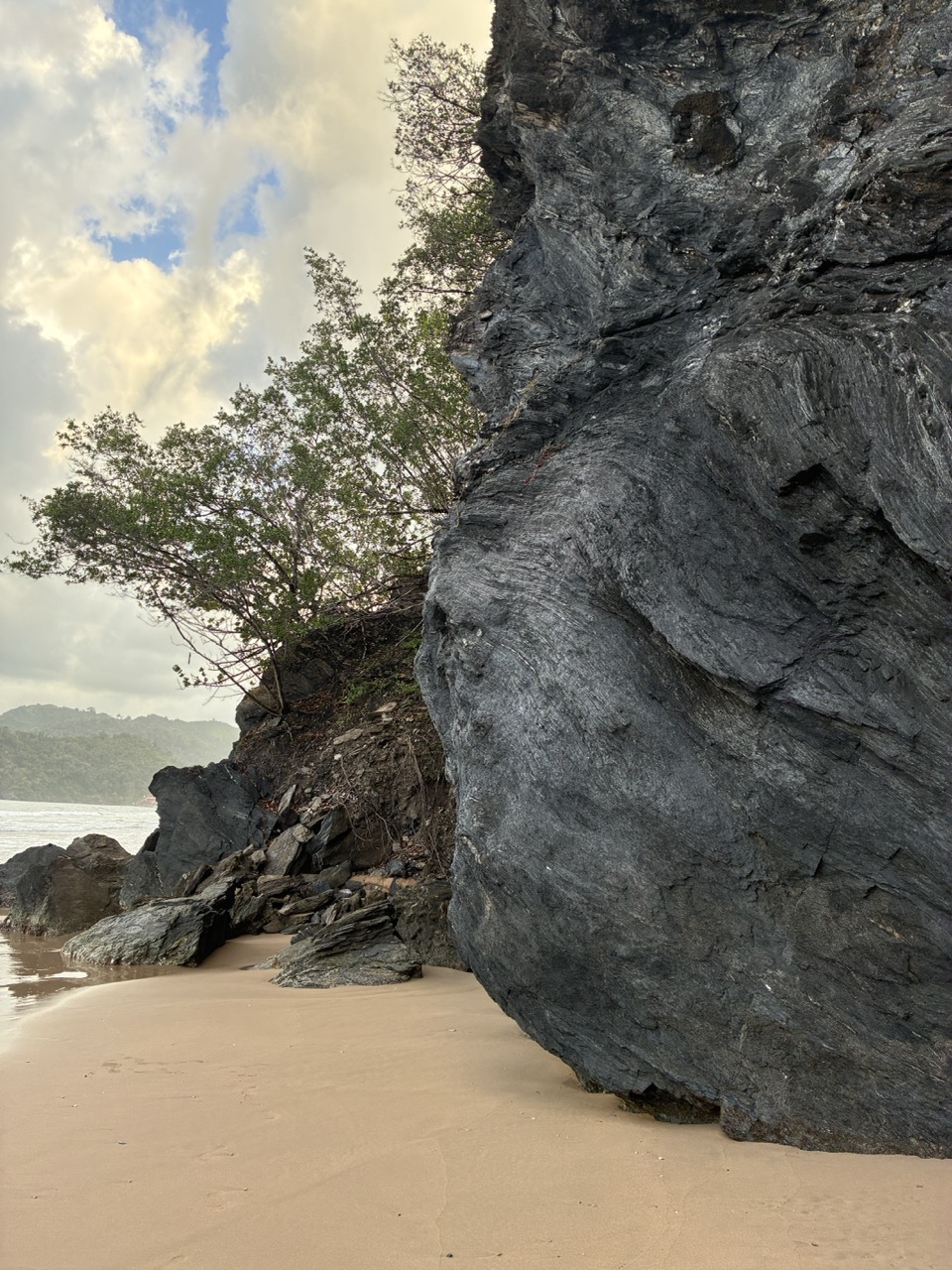
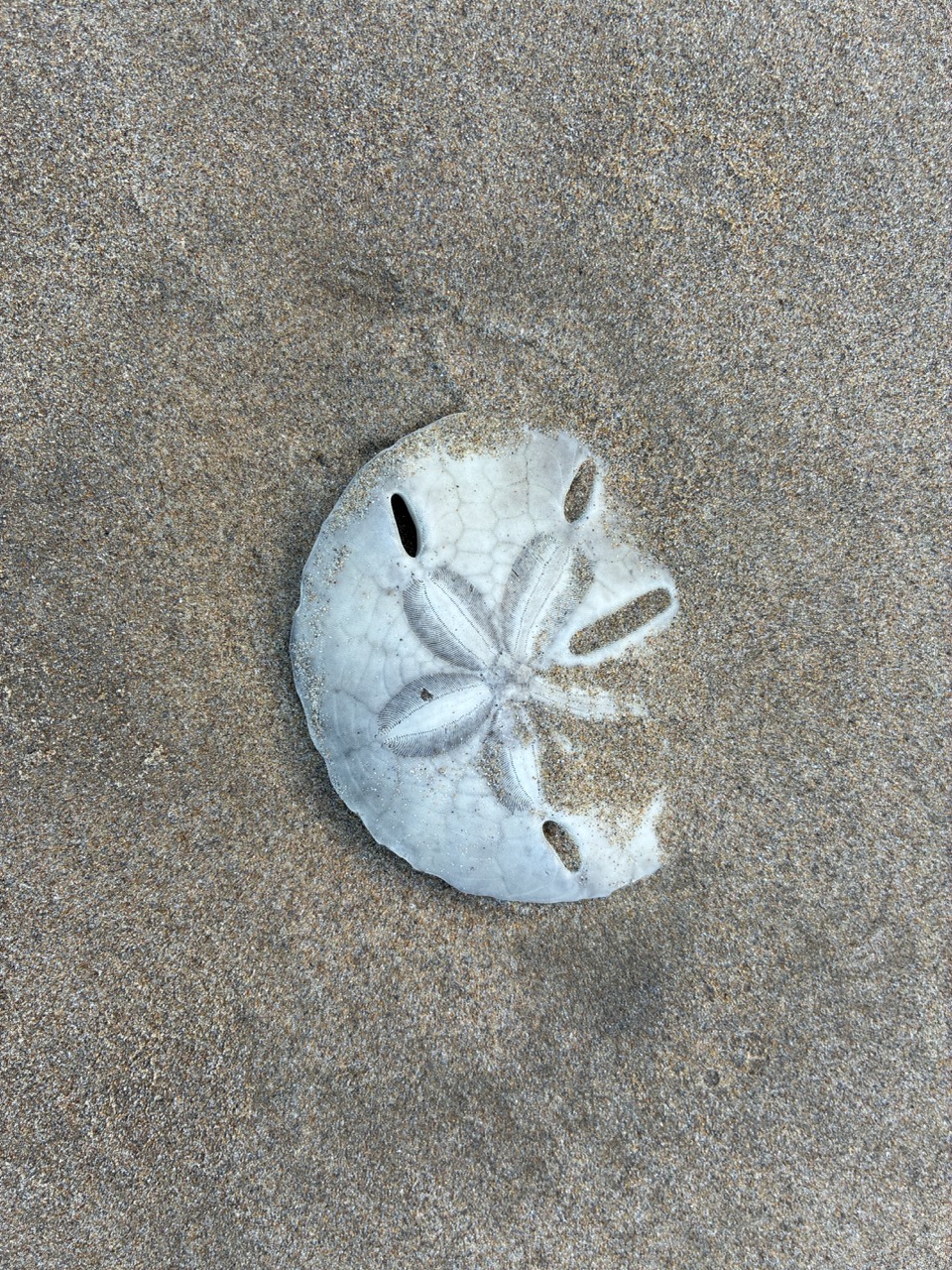
The owner of the hotel was away and it was his grandson who was looking after the place. Him and his mate drove a fish truck up into the mountains once a week. I had been warned by several people to watch out for the fish trucks. Apparently they load the trucks up with fish and as they struggle to get their laden trucks up the hills all the juices leak out onto the road and with a bit of rain the surface becomes extremely slippery and dangerous to ride on. I was constantly aware of it but mainly had good weather. Before I went to bed on my second night he asked if I could pay as he was doing a fish run and leaving very early. All good, but he didn’t tell me he was shutting off the power (and water and internet) before he left.
My plan was now to head west and follow the coast to Caracas, the capital of Venezuela. I backtracked a bit and got stopped a couple of times at army checkpoints. No searches. Just show my documents and answer a couple of questions. I don’t know how many people in Venezuela now have a photo of my passport. Lucky I’m due for a new one next year.
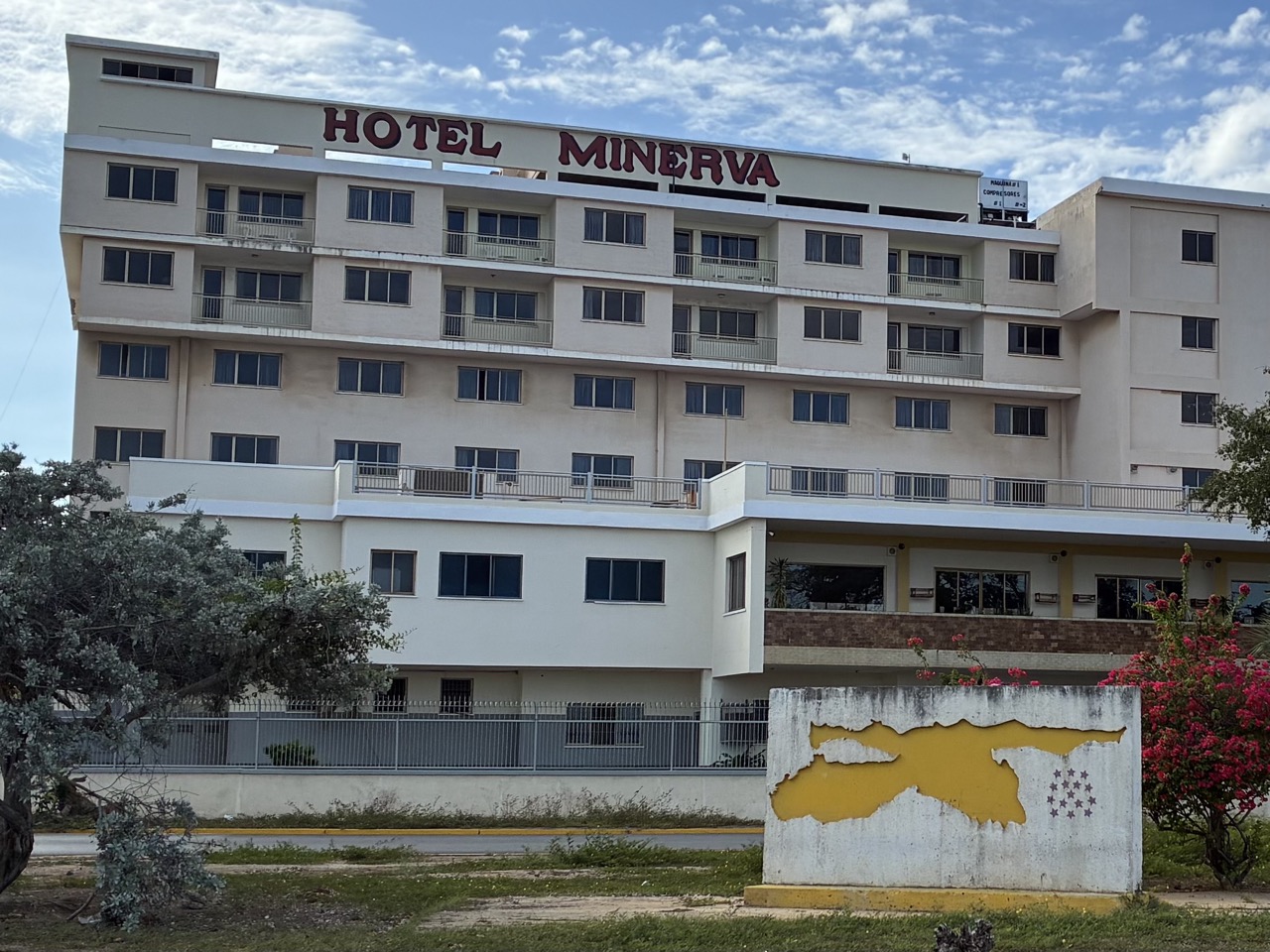
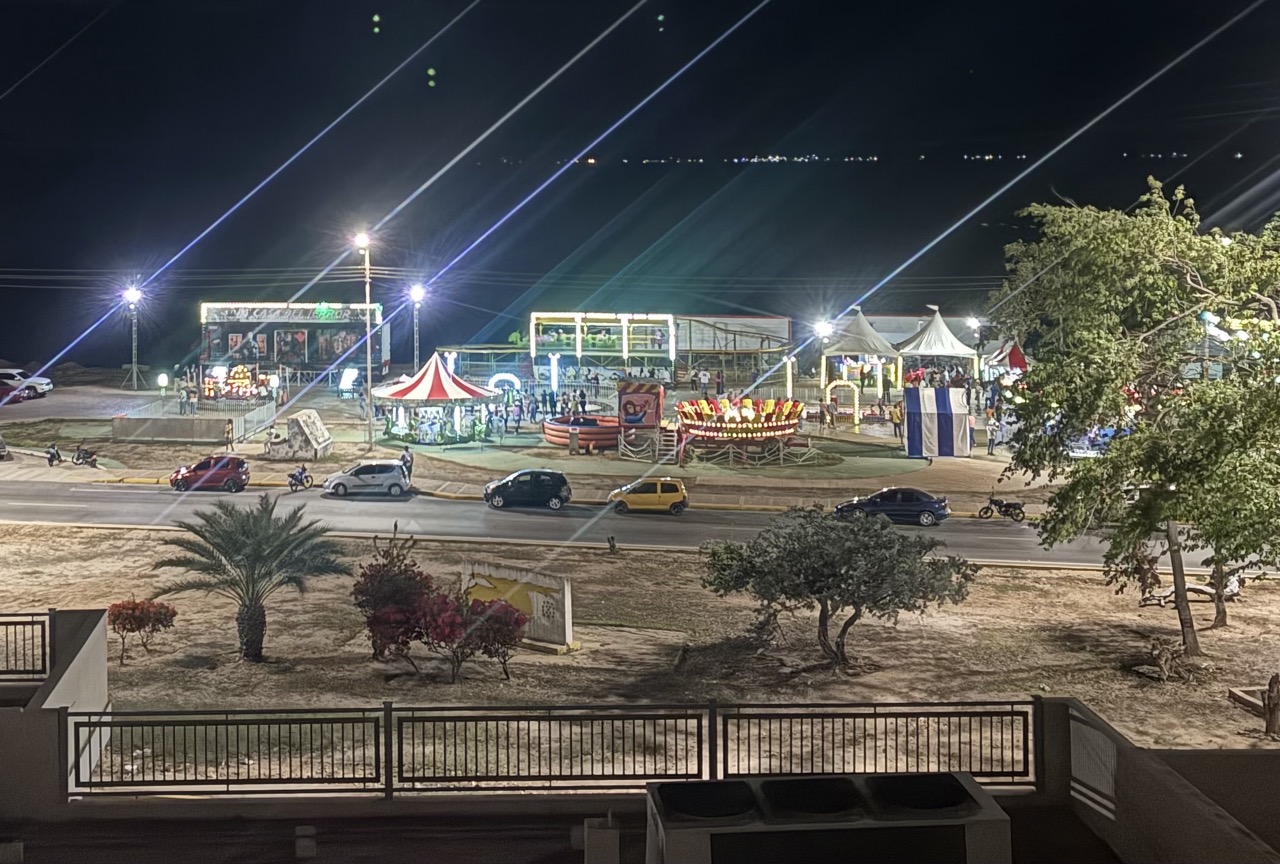
It was a reasonably short day of about 165kms, although, four hours. I stopped off under a tree on the coast near some derelict houses, right on the coast edge ,because it was the first place I had seen where I could possibly have a pee. And then a guy on a bike pulled up alongside me and got off his bike. I thought he wanted a chat. And I was busting. Turns out he lived in the derelict house that I was about to pee on. And he invited me in. I pleasantly declined with a feeble excuse and rode off with my legs crossed. I ended up at the Minerva Hotel in Cumana. A waterfront hotel with nice views. It was $65AUD a night and only just reasonable for the price but I couldn’t see anywhere cheaper. Venezuelan accommodation isn’t as cheap as many other countries that I have been to. It was nice to get into a town early and have a walk around. Not an overly exciting place but I had a nice walk along the boardwalk and then into town to a shopping centre to buy some food. The hotel was not greatly located for eating nearby. But it did have a visiting carnival set up across the street.
The reason I picked this town is because they have a ferry which goes to Isla de Margarita which is a touristy island in the Caribbean and highly spoken of by the locals. The next morning I went for a walk to the ferry terminal to sus it out and discovered the ferry for that day was already boarding and I would need to book for the next day which I did. It was quite funny. The lady at the ferry place was lovely and wanted to come with me to the island. And then I had to go to the immigration office to get approved (even though it is still part of Venezuela) and the lady there also want to go with me. She was in an office full of women and they were having a great laugh.
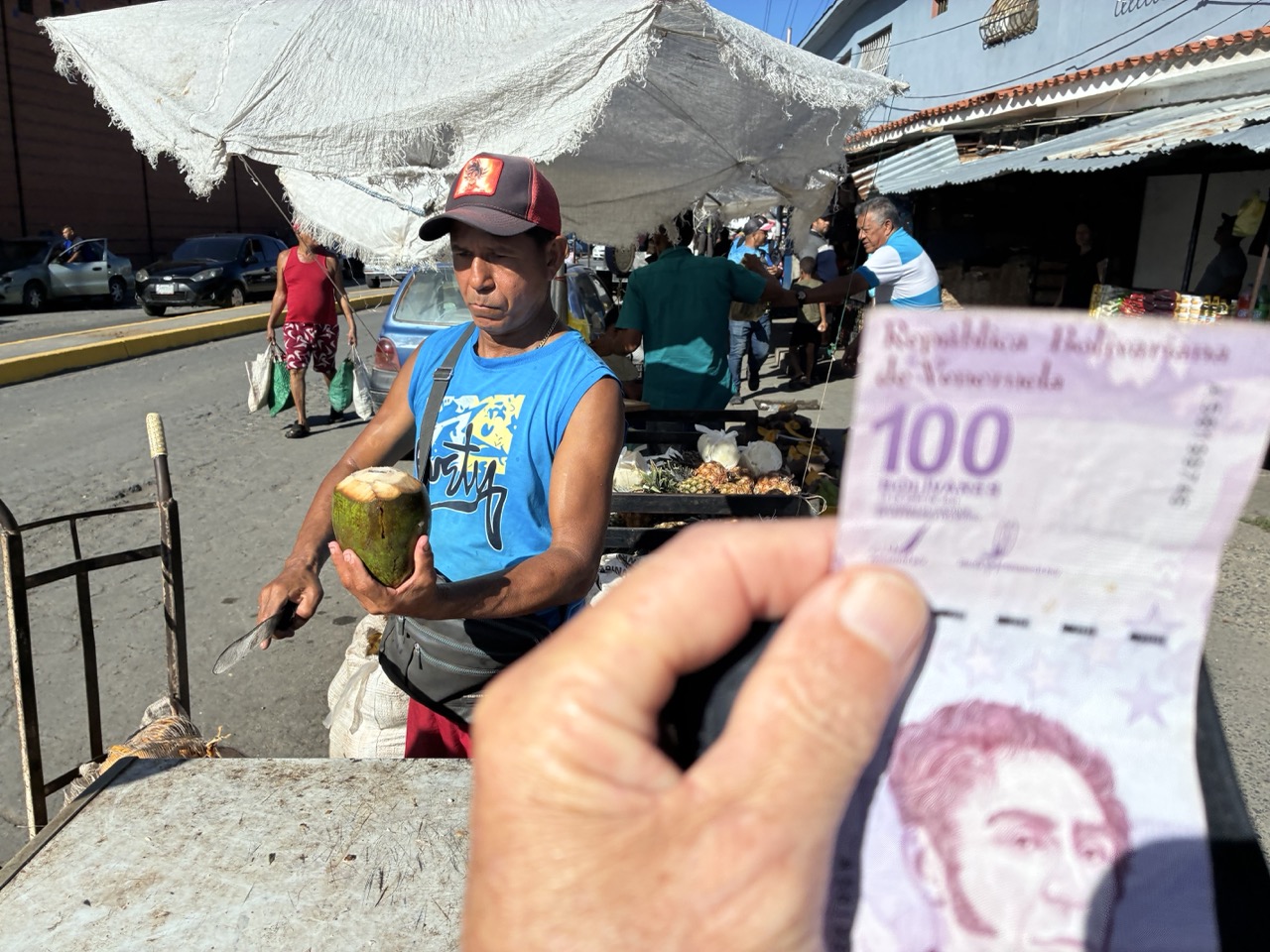
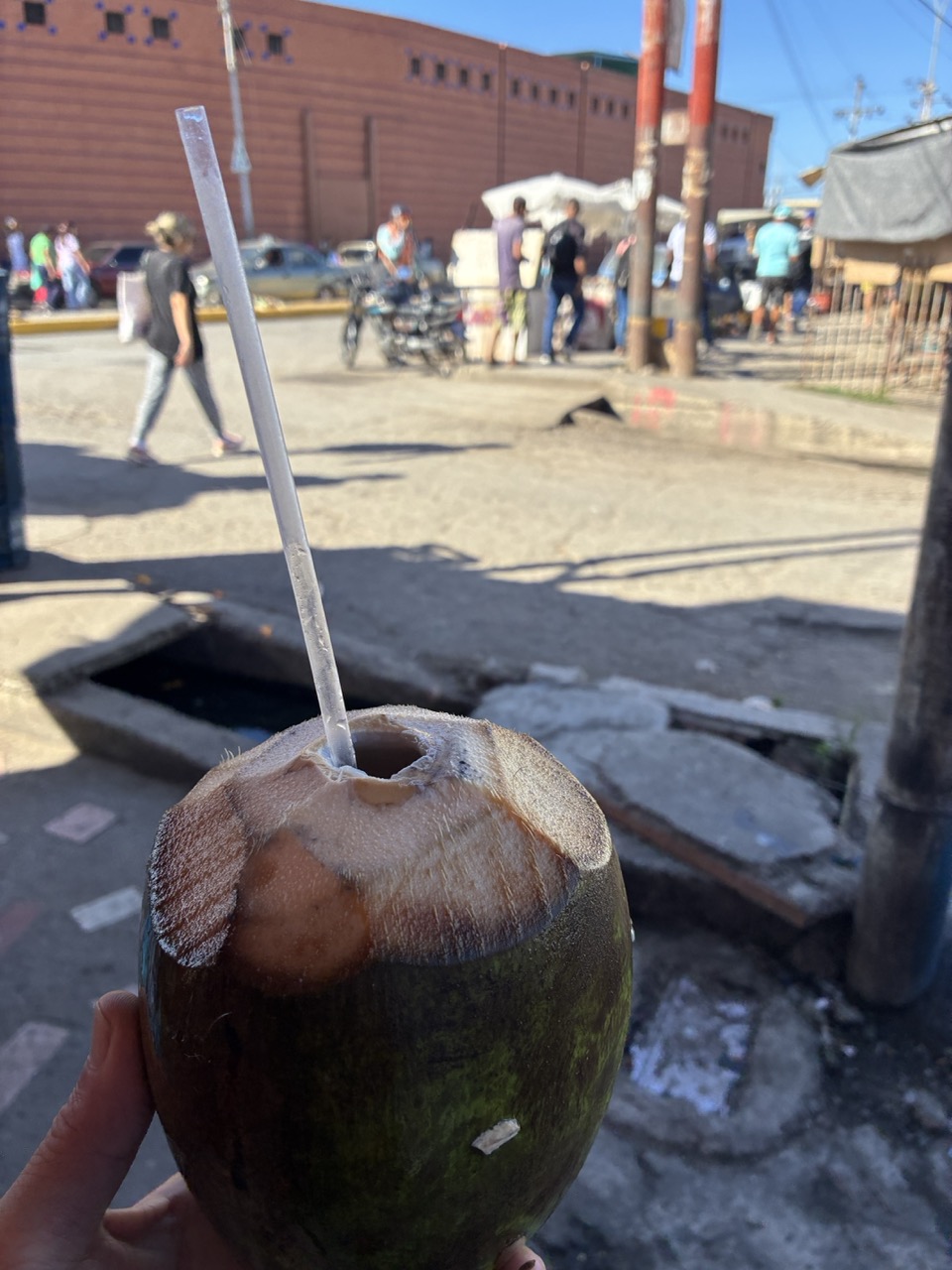
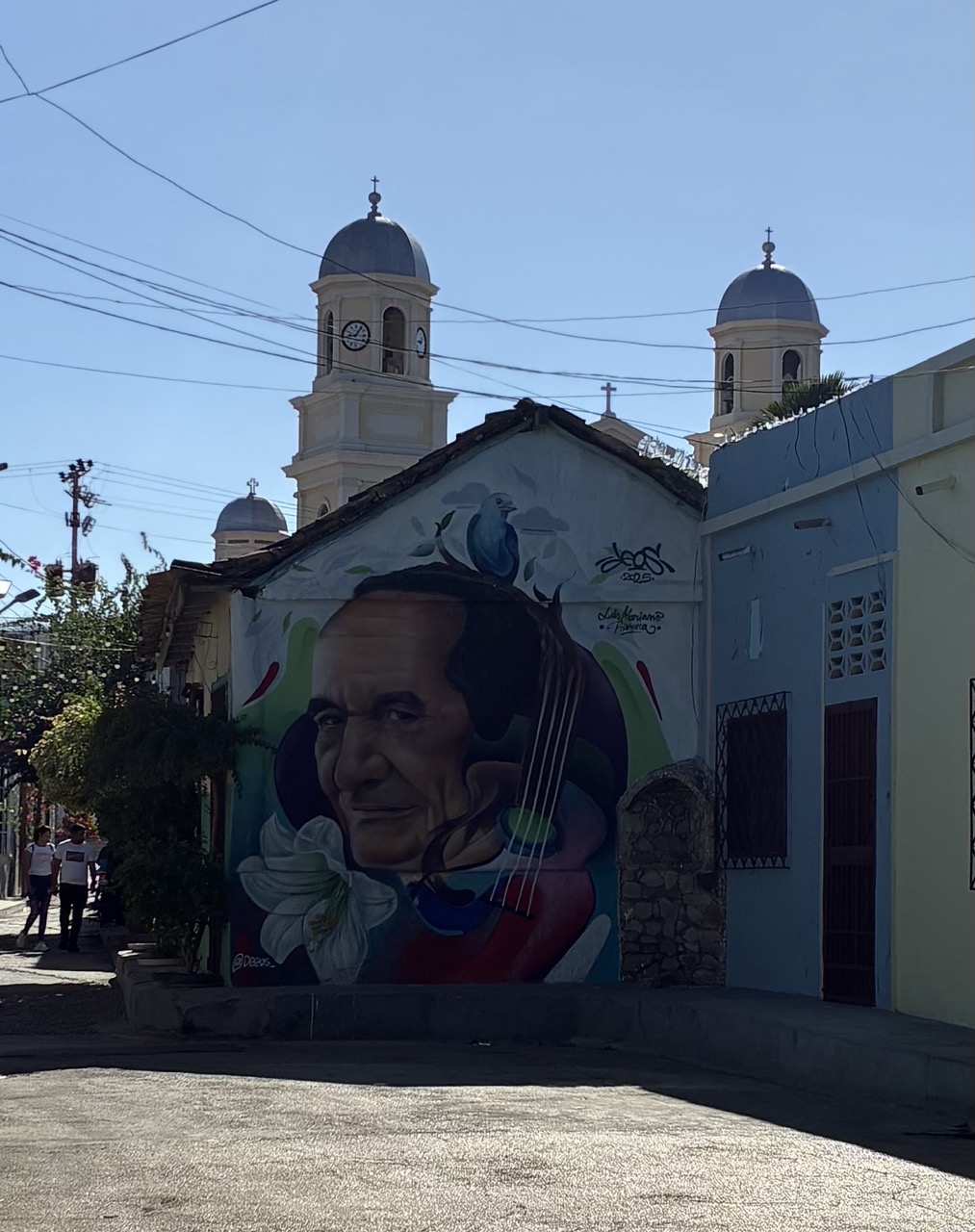
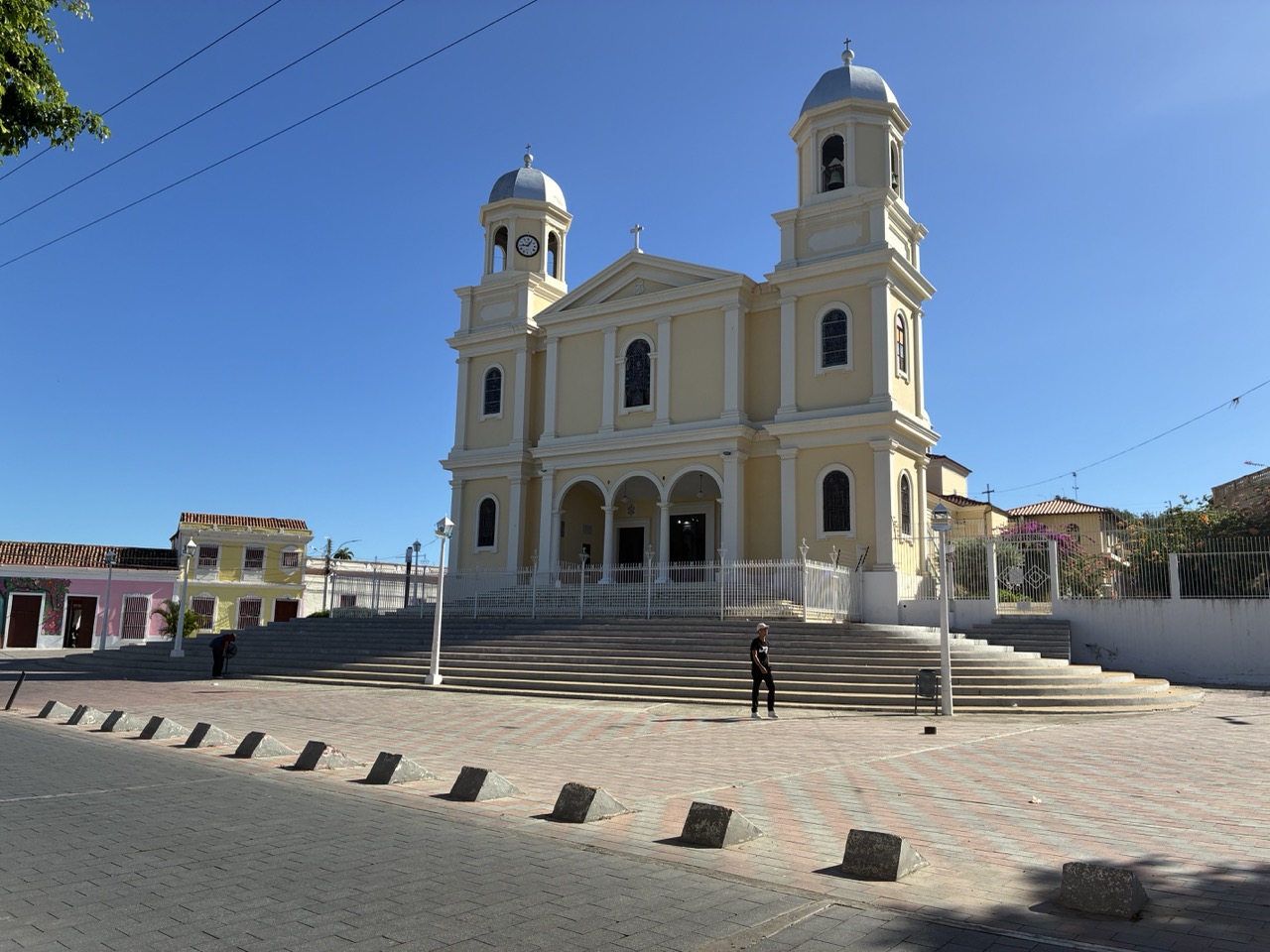
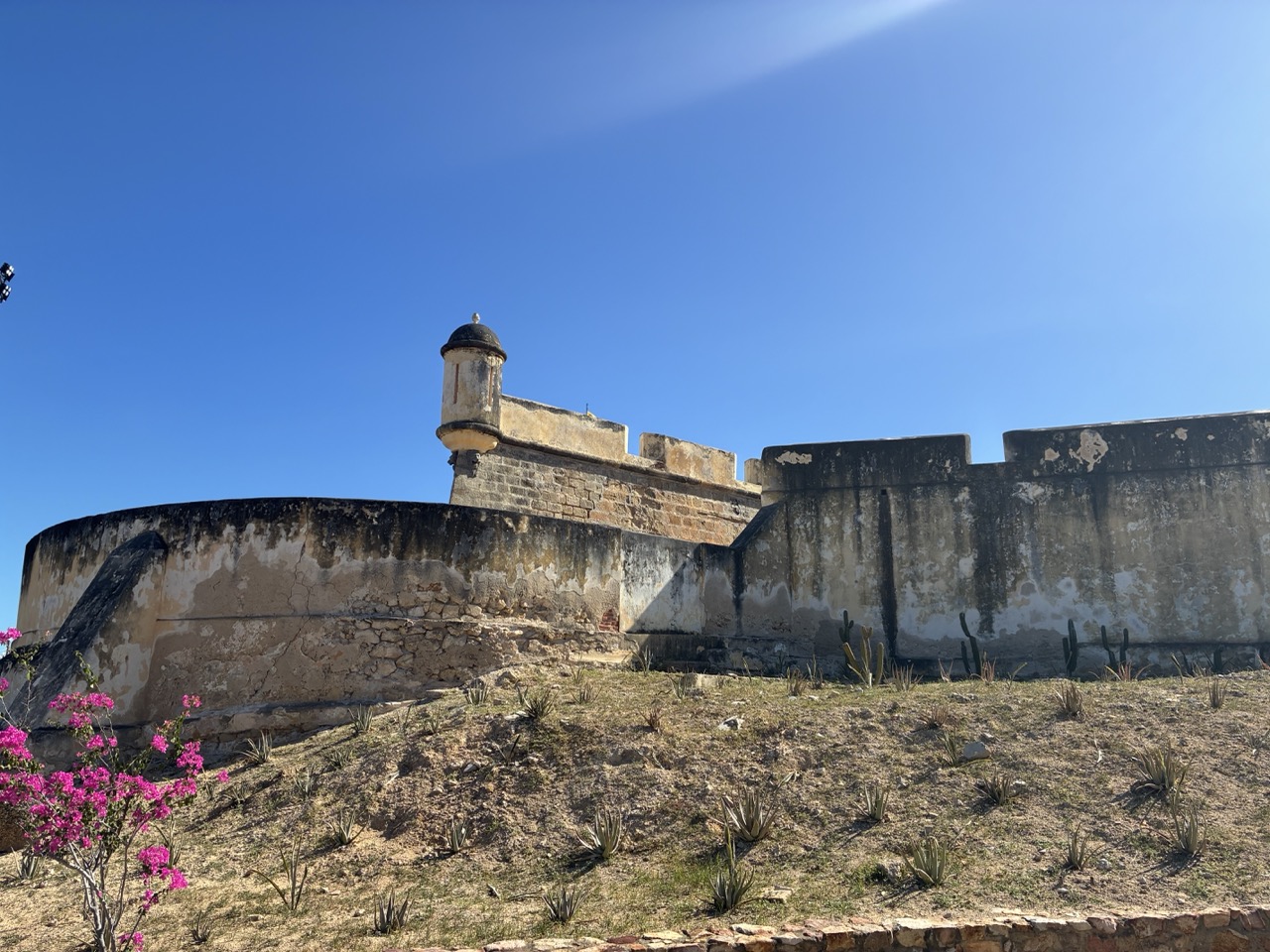
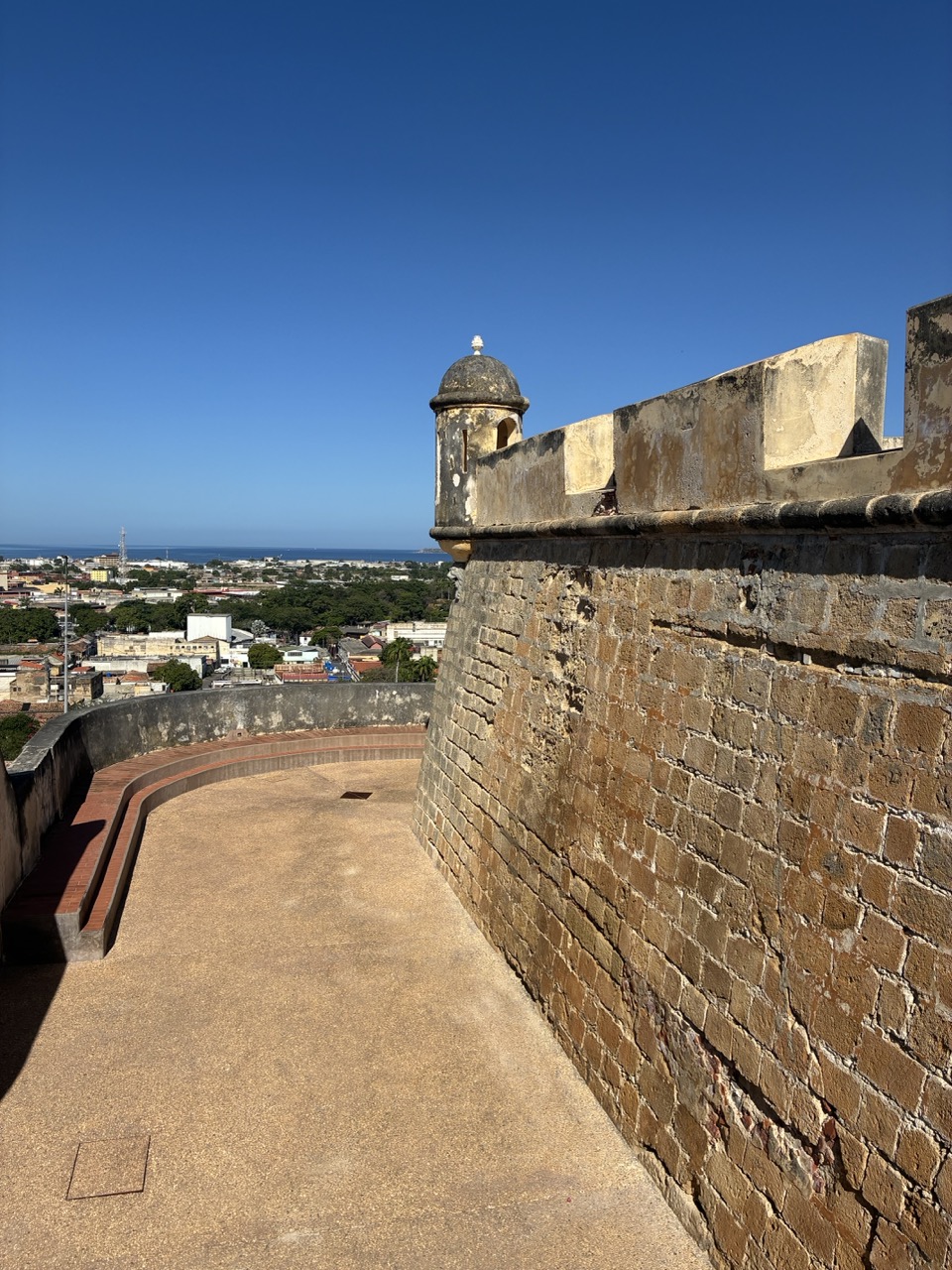
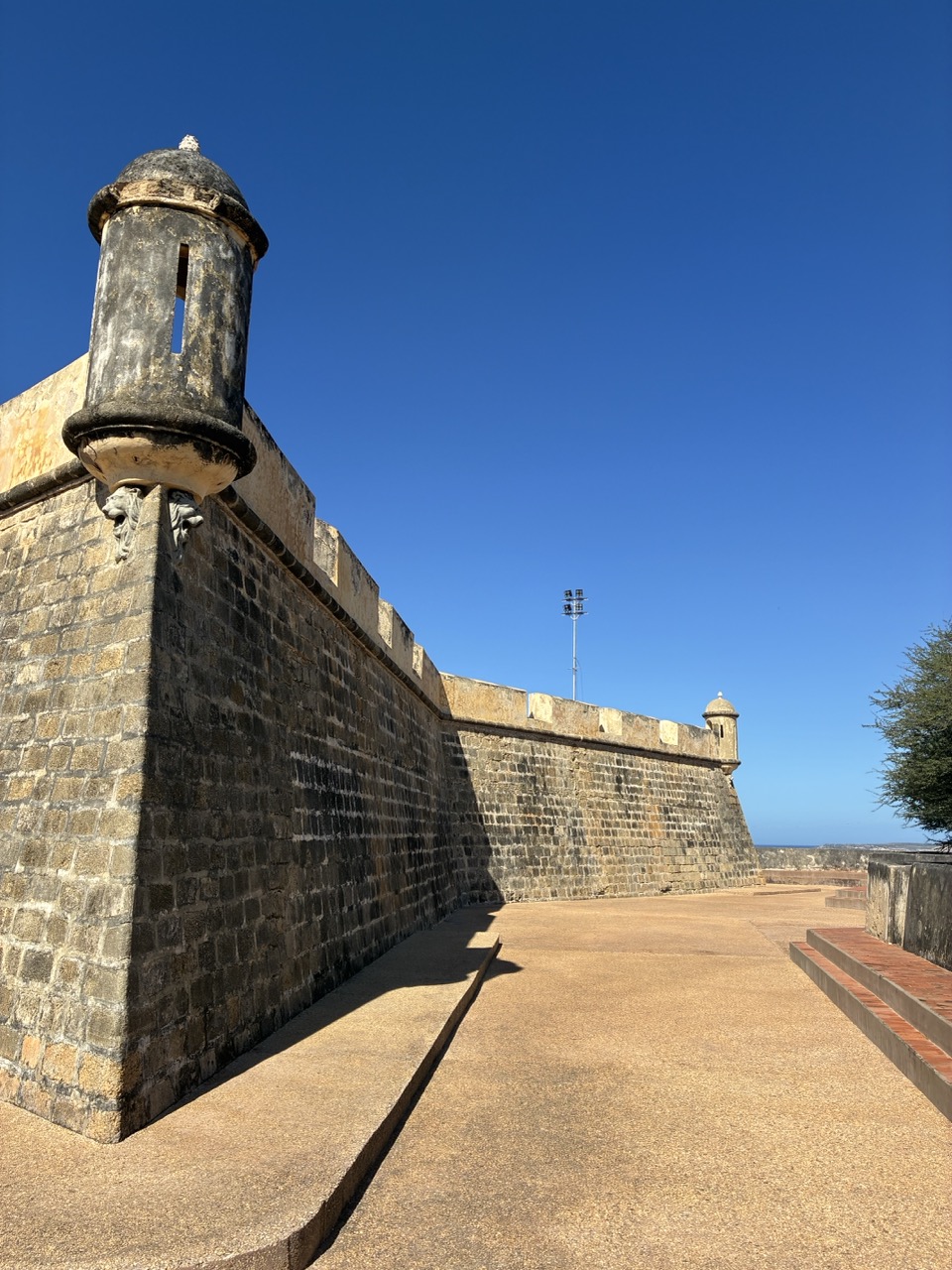
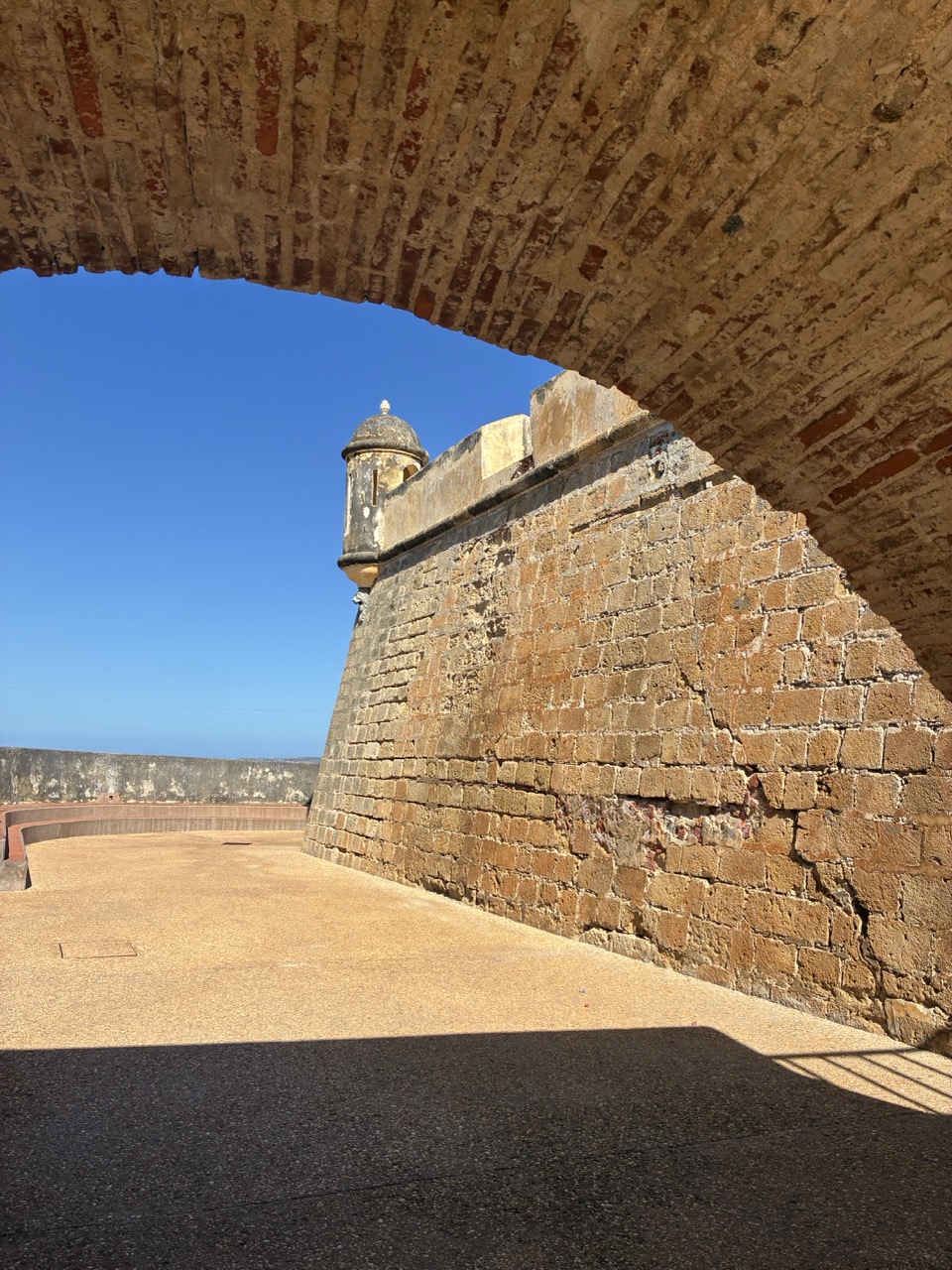
After I had my ticket I wandered into town, through a market where I bought a cold coconut and then found an old castle and a church and a hill. And it was warm. I found myself back at the big shopping centre looking for a cap. They had a couple that would have been just okay but they were more expensive than Australian prices so I declined. That night I found a nice pizza place on google and went there for dinner. It was way too much for me but I took the rest of the pizza and the litre of pepsi with me and thought I’d find a homeless person on the street to give it to and then realised that you don’t see many homeless people in Venezuela. But the night security guard at the hotel was very happy to have it.
Next morning I was up and out the door by eight to ride to the terminal to catch the 10:00am ferry to Isla de Margarita.
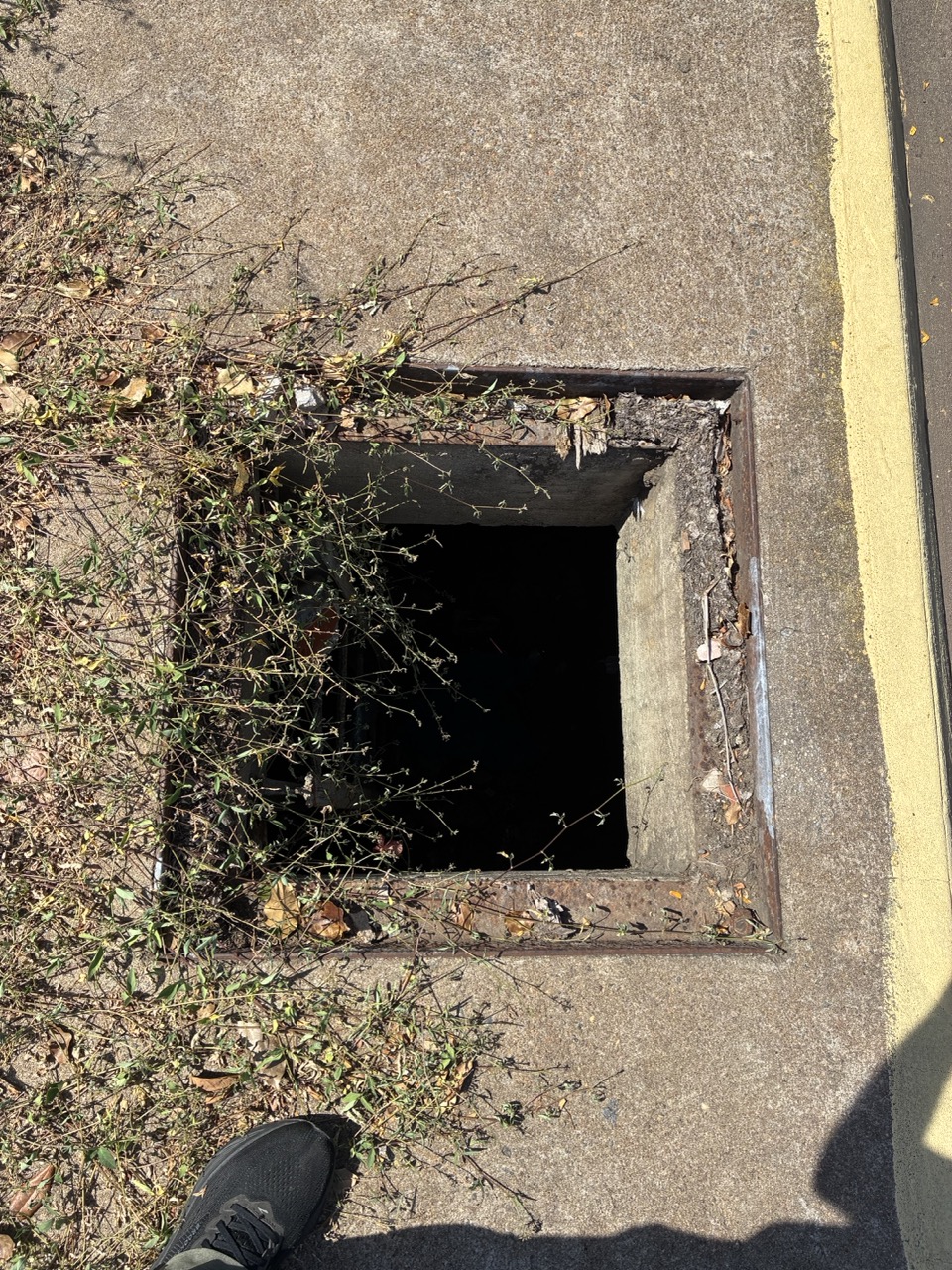
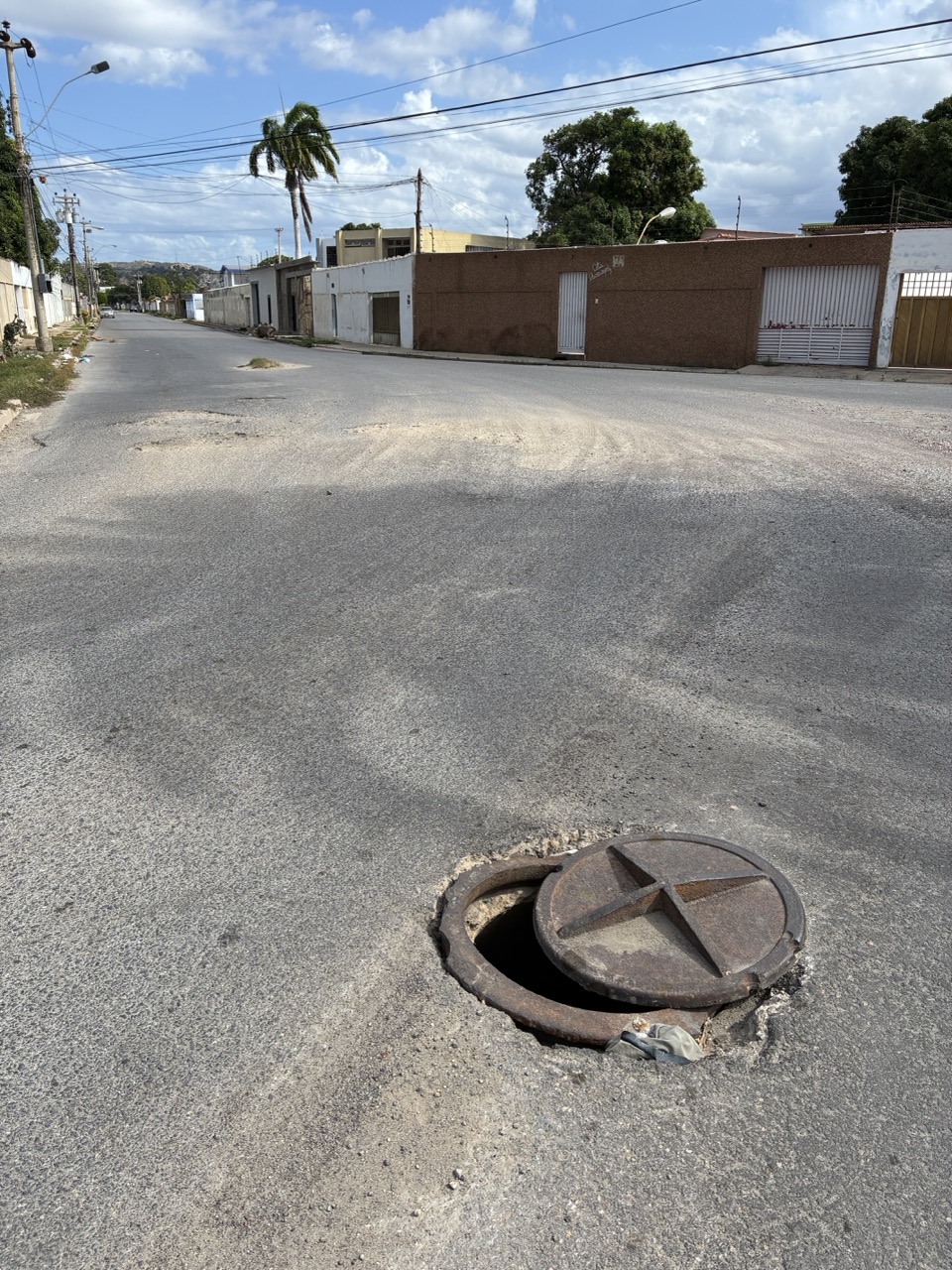
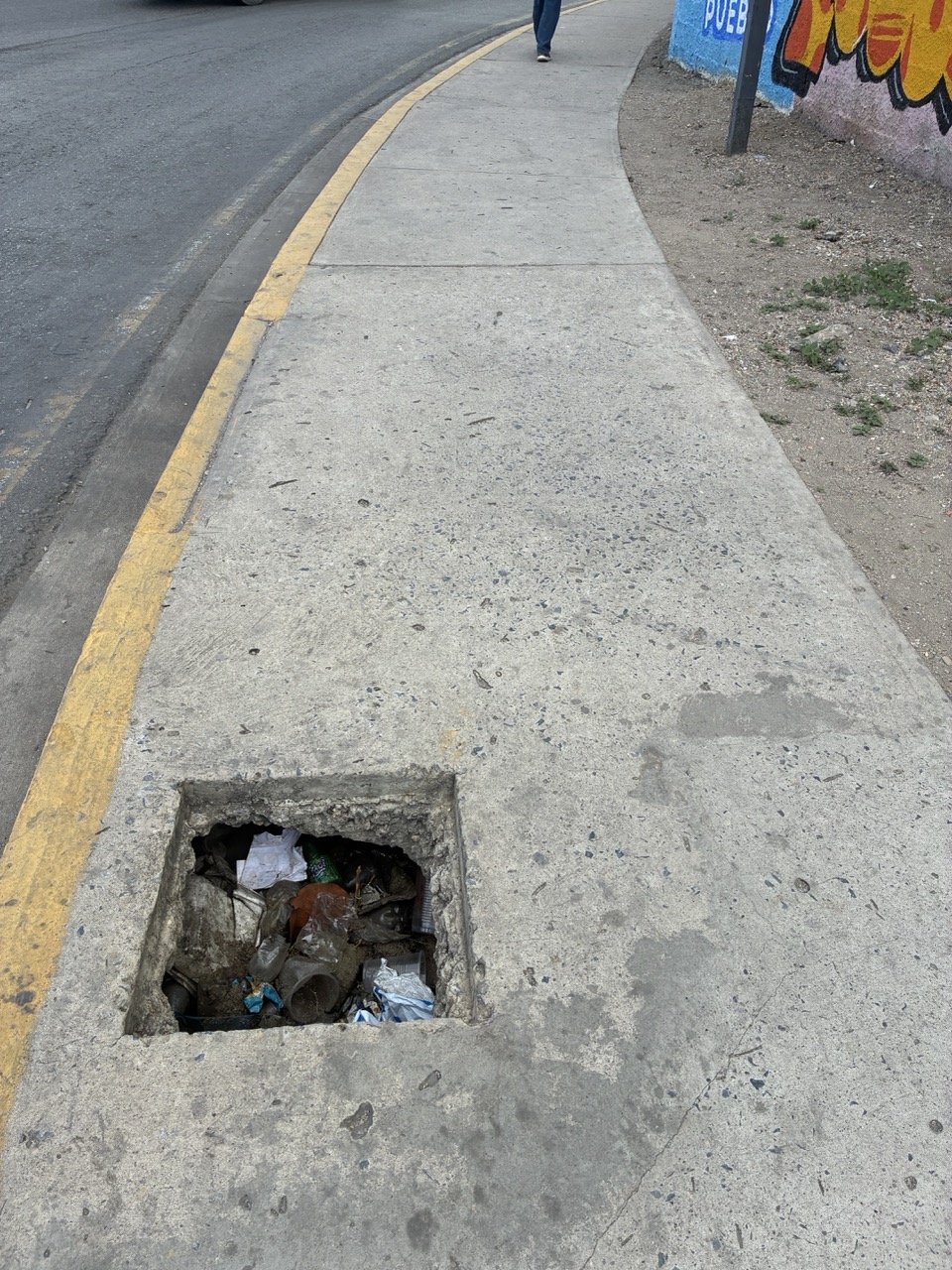
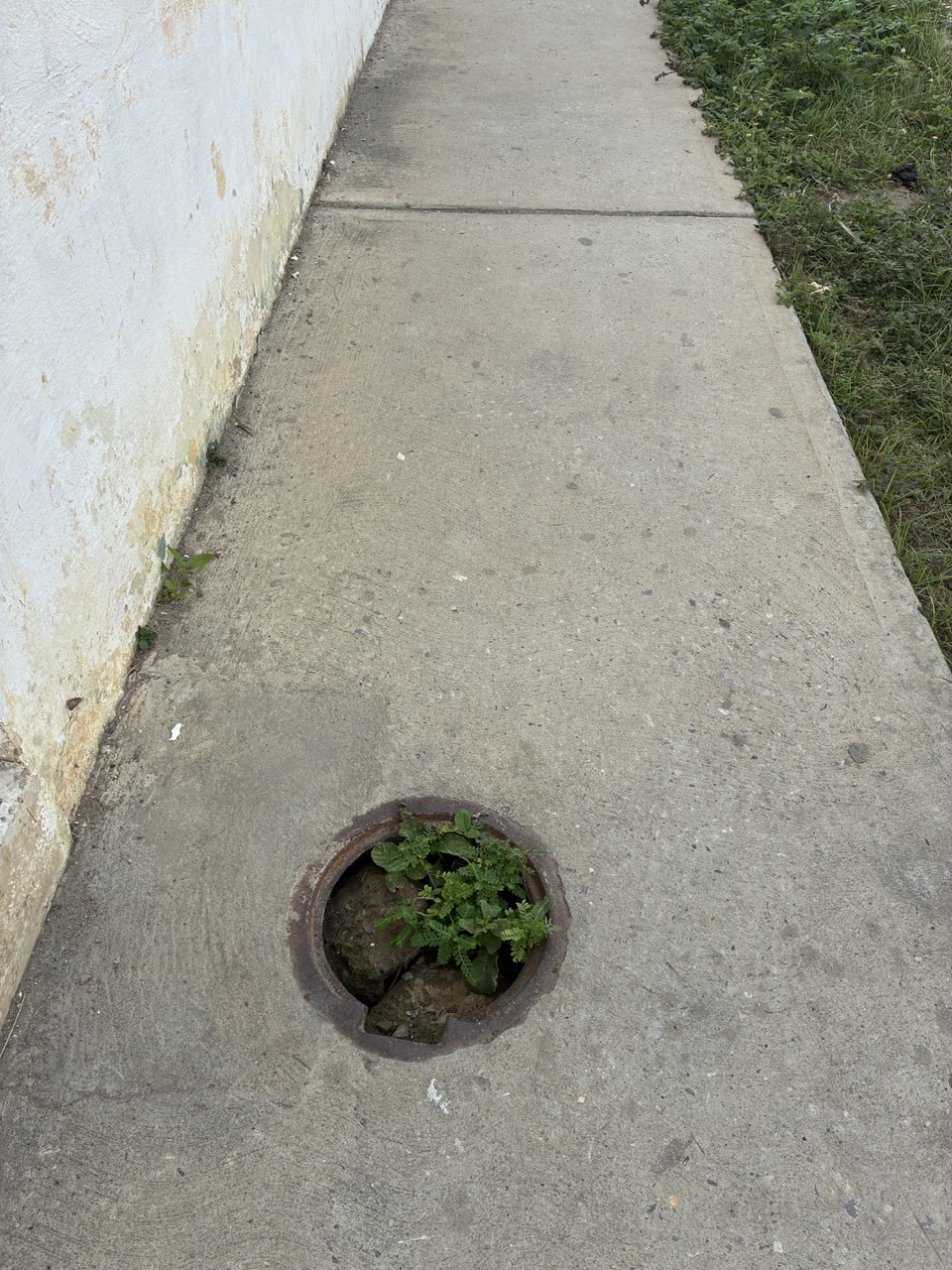
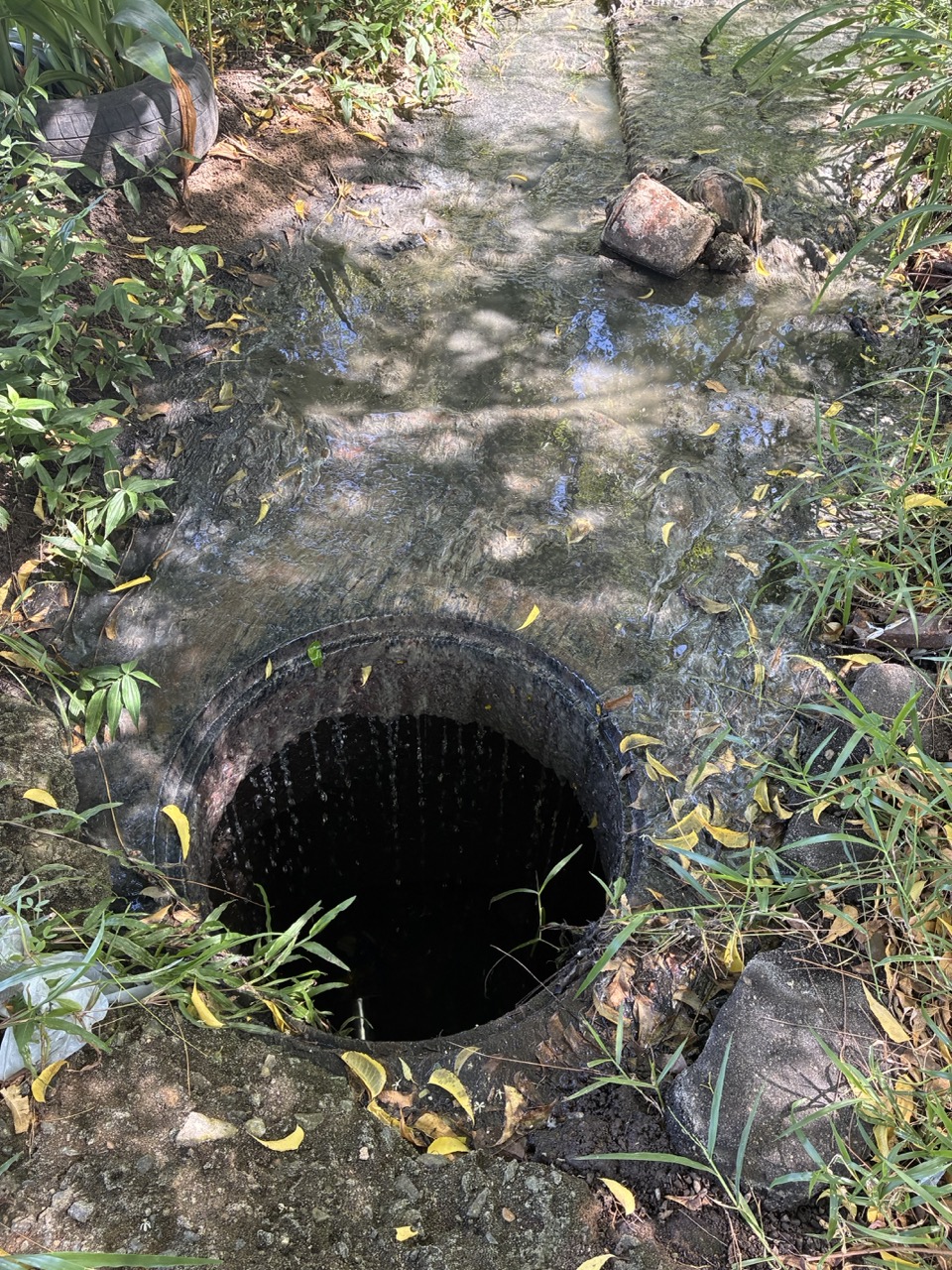
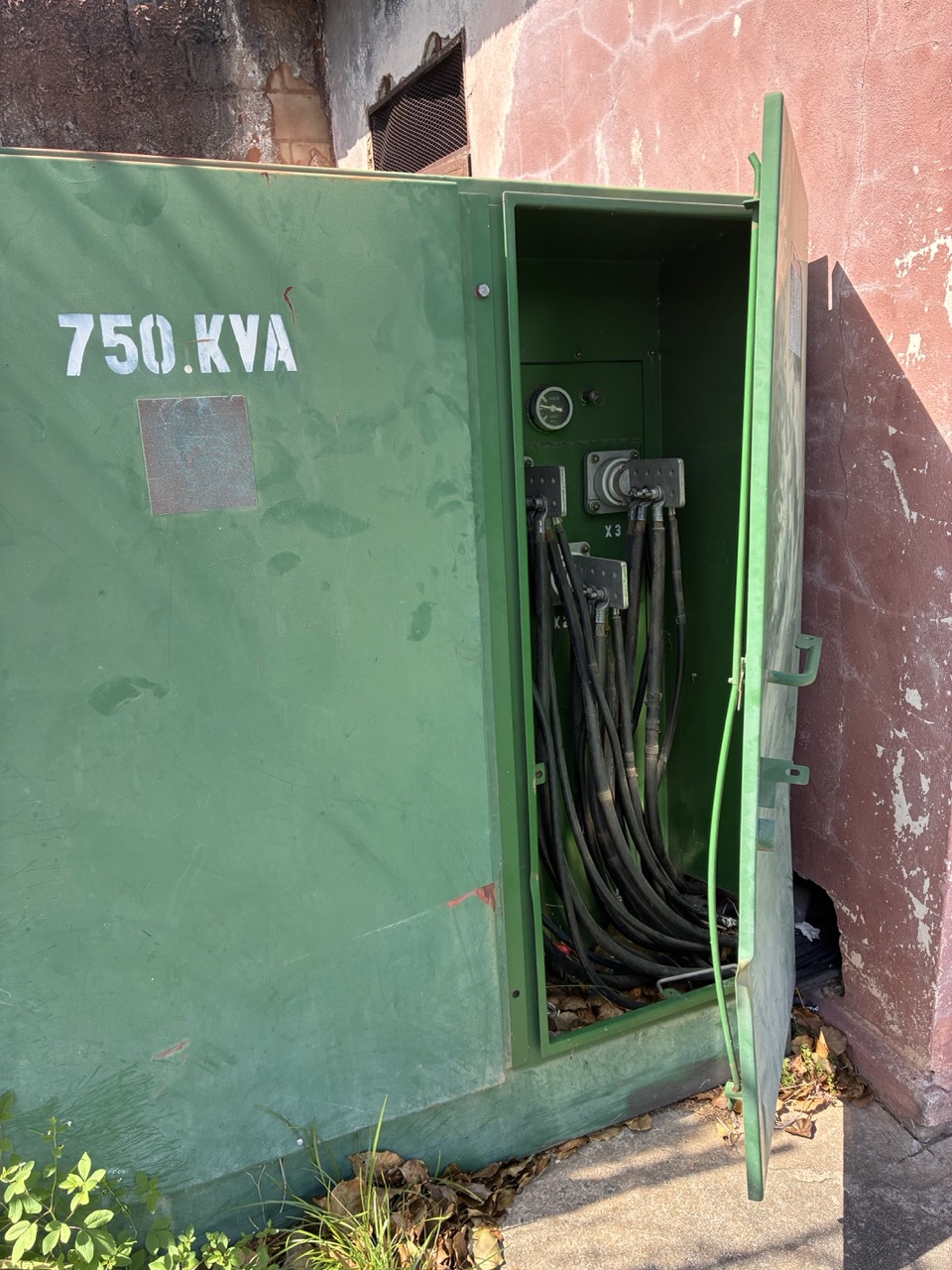
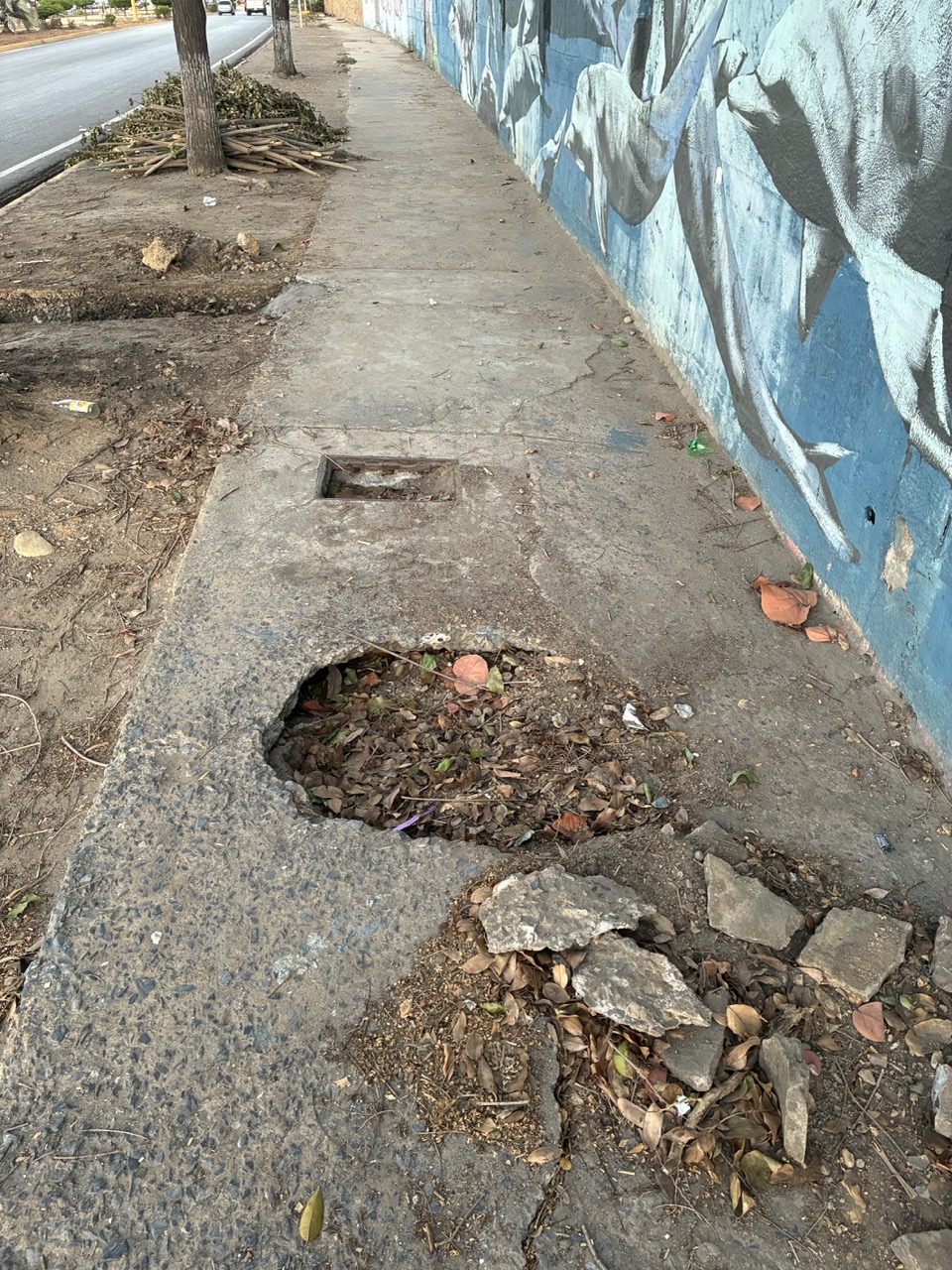
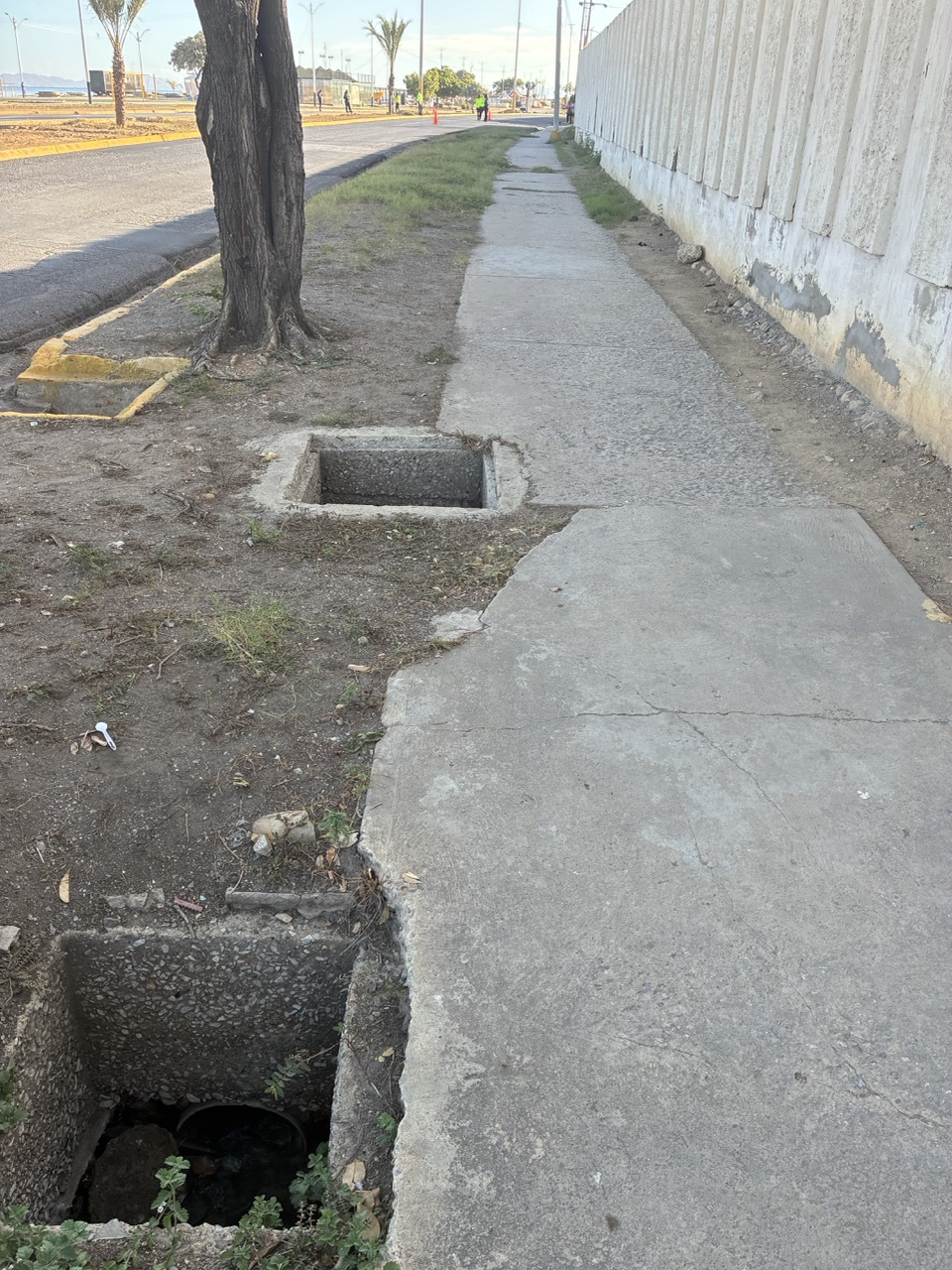
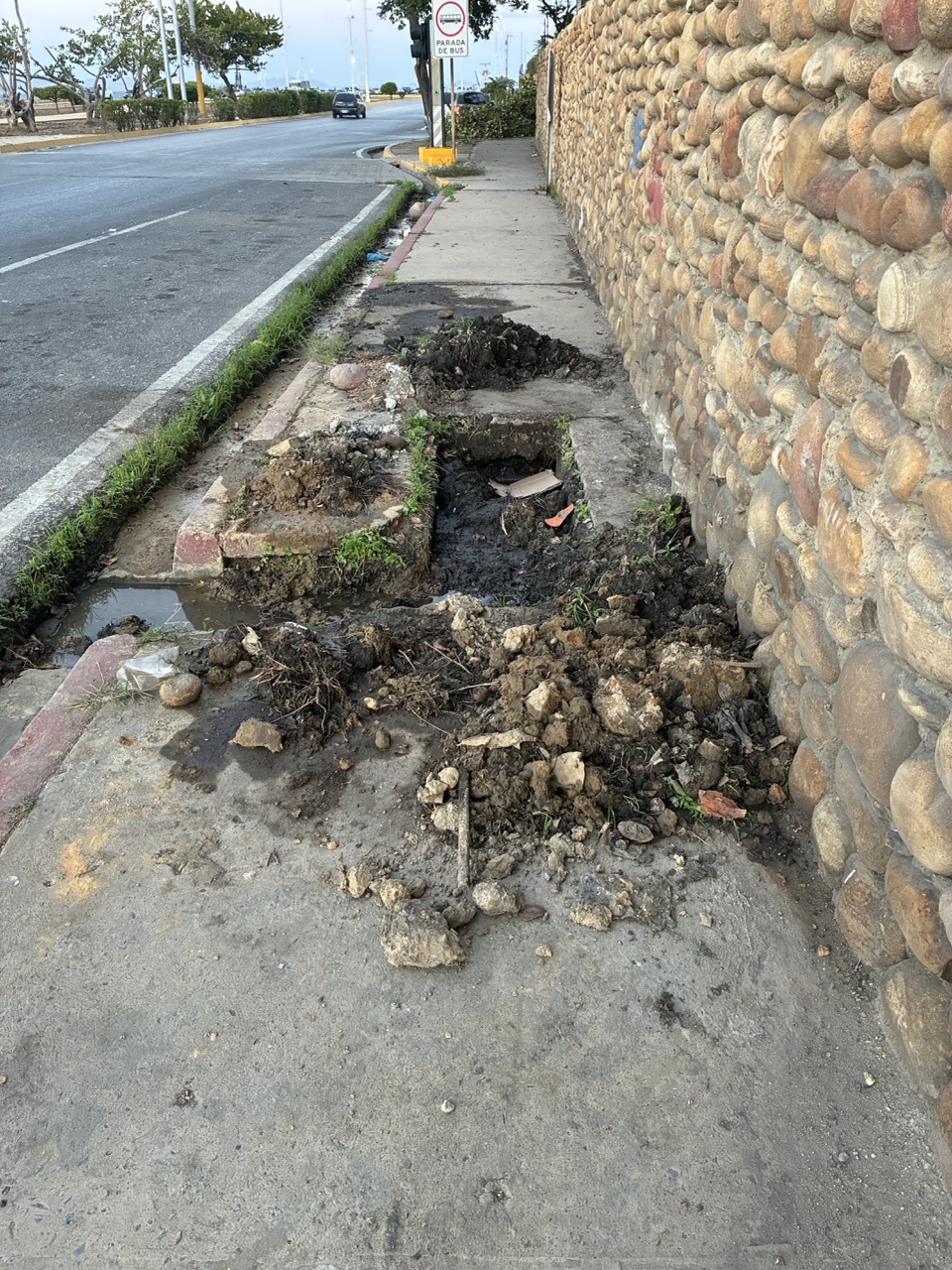
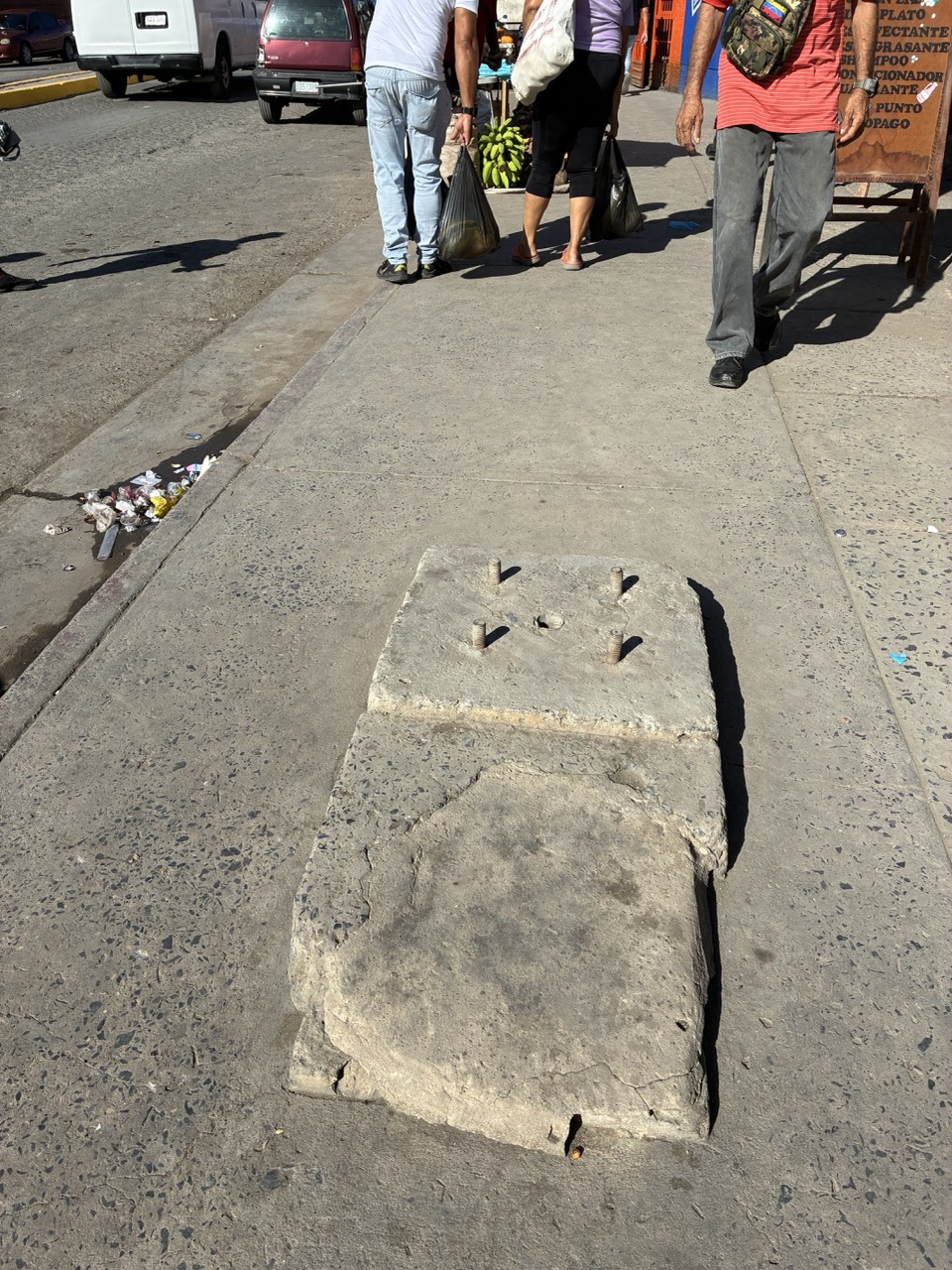
Oh. And her are just a few random photos of why you have to pay attenetion of where you walk or ride. This is a very very small sample.
KMS 46693
 Gotaway