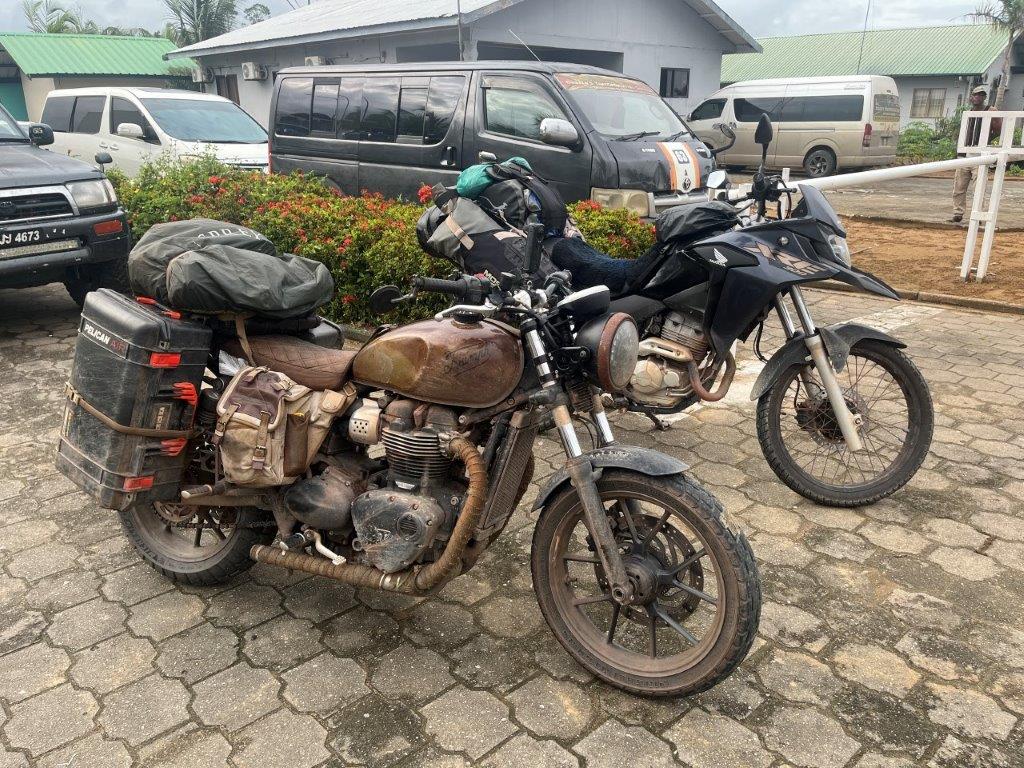
I liked Suriname. It is South Americas smallest country by size and population. It is 90% jungle and has about 600,000 people. I initially thought it was English Guyana but it was actually Dutch Guyana and became independent in 1975. Listening to the locals speak Dutch was equally interesting and difficult. Fortunately, the odd person spoke English as well. Must be a Dutch thing. Suriname is the only country in South America with Dutch as its official language.
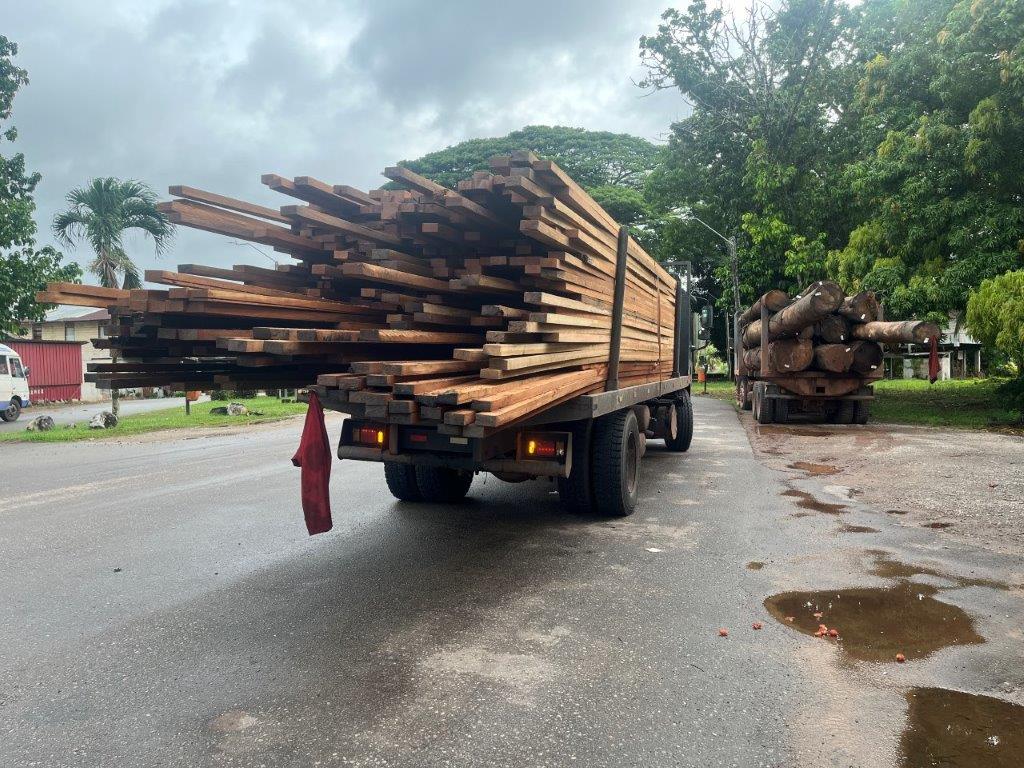
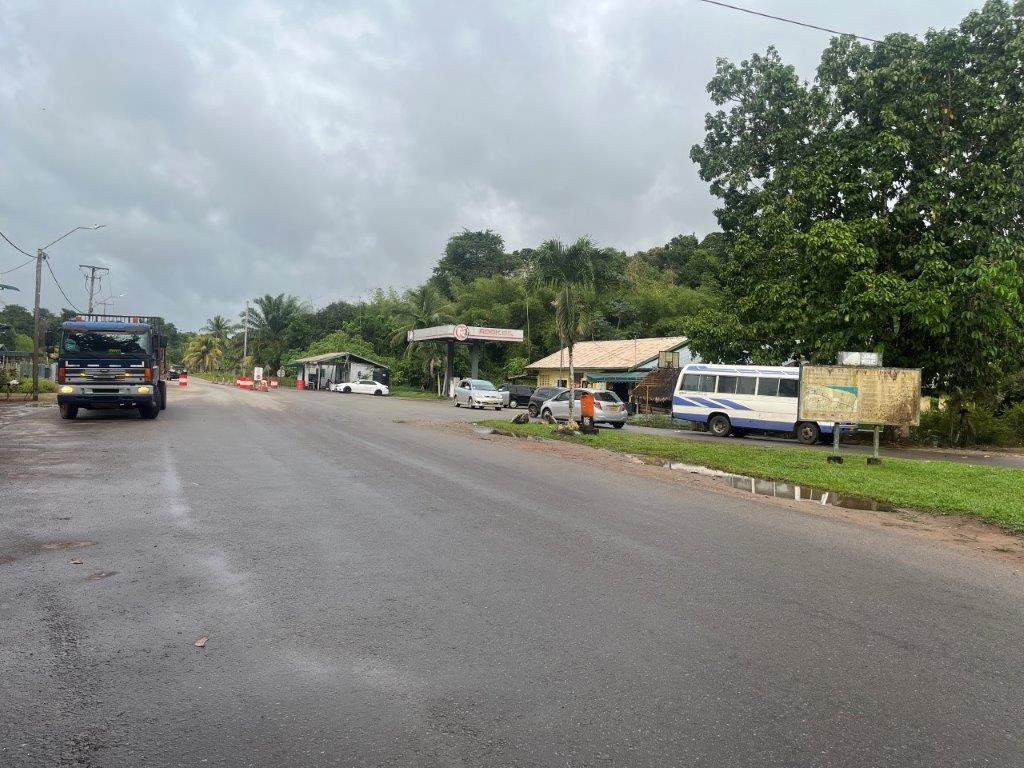
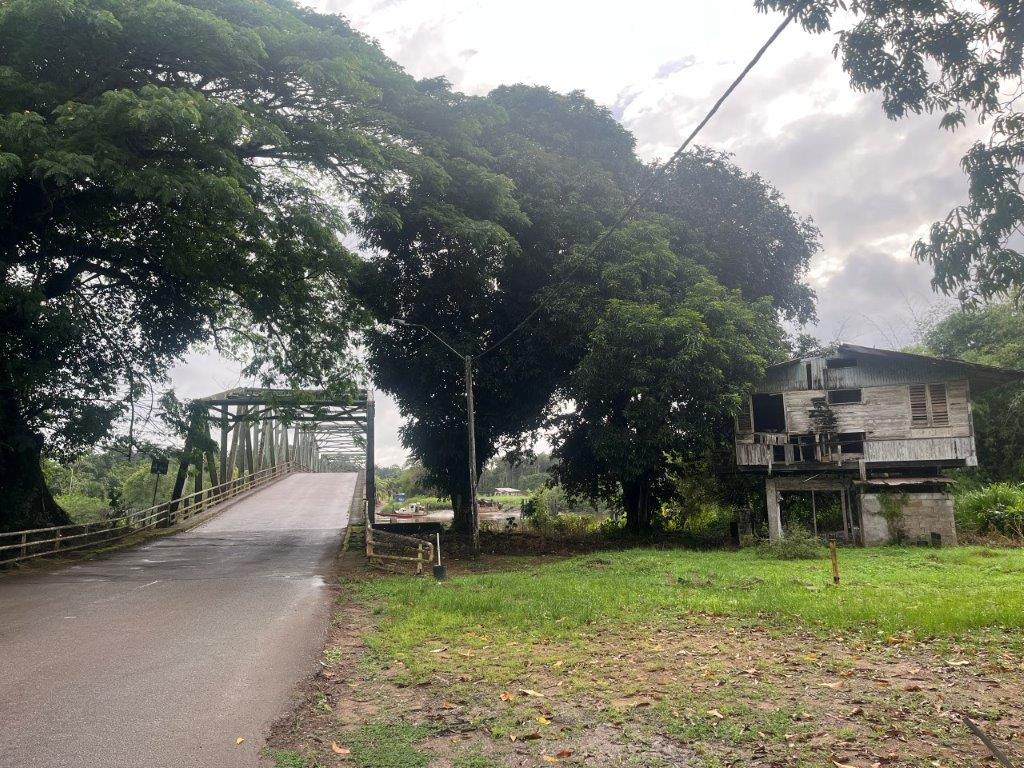
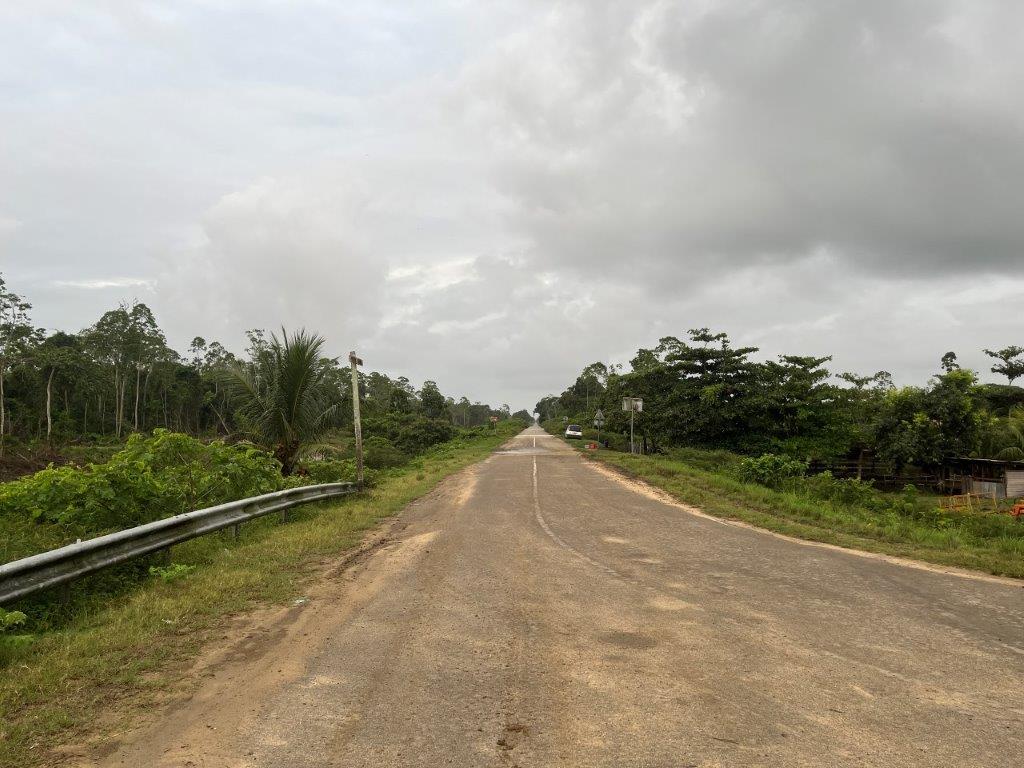
After my potential head on collision moments after leaving the ferry/immigration terminal I decided that I would drive on the left hand side of the road like everyone else. There was nothing flash about the roads, they were old and in okay condition. A few police checkpoints but they waved me through and not much traffic. I pulled up behind a couple of trucks of wood. It was really nice wood. Only one of the trucks had a red safety flag. And no point sticking it on the longest protruding stick.
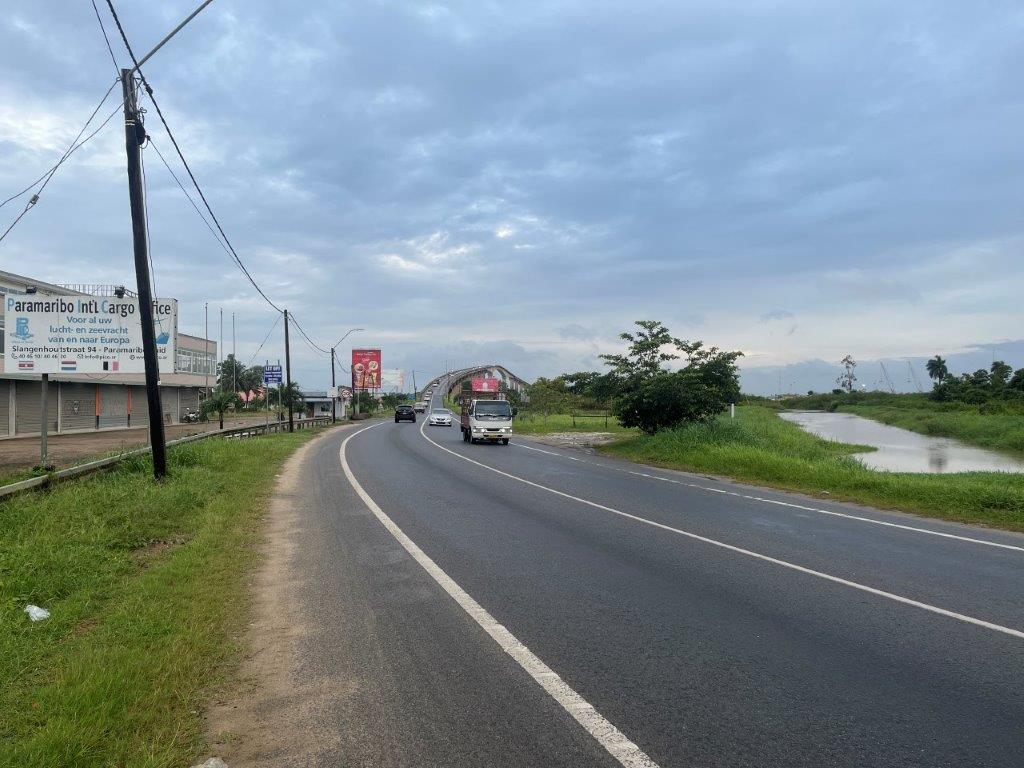
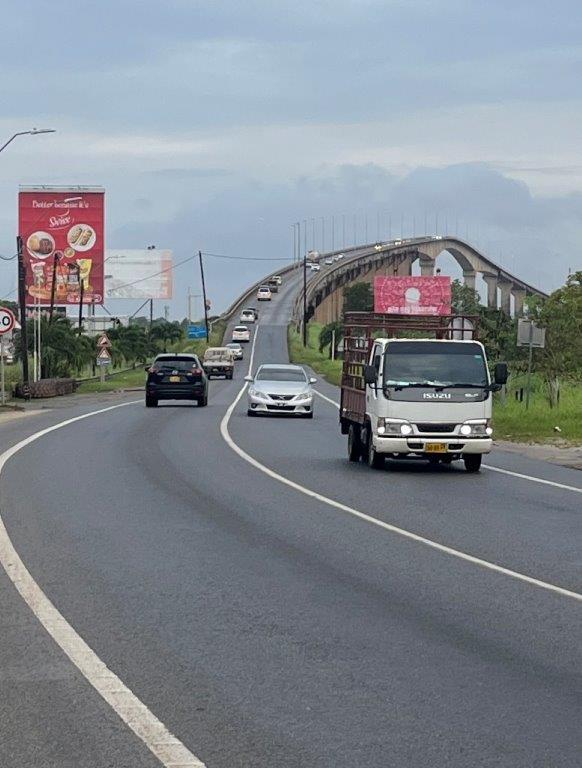
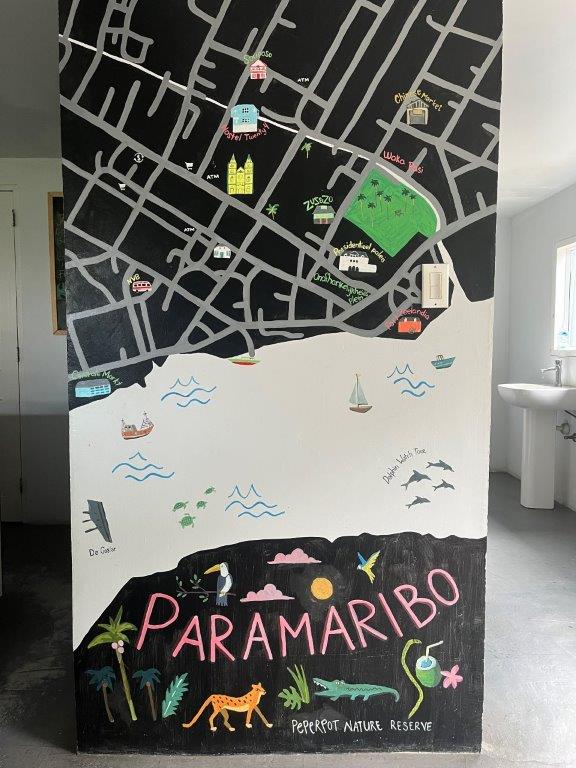
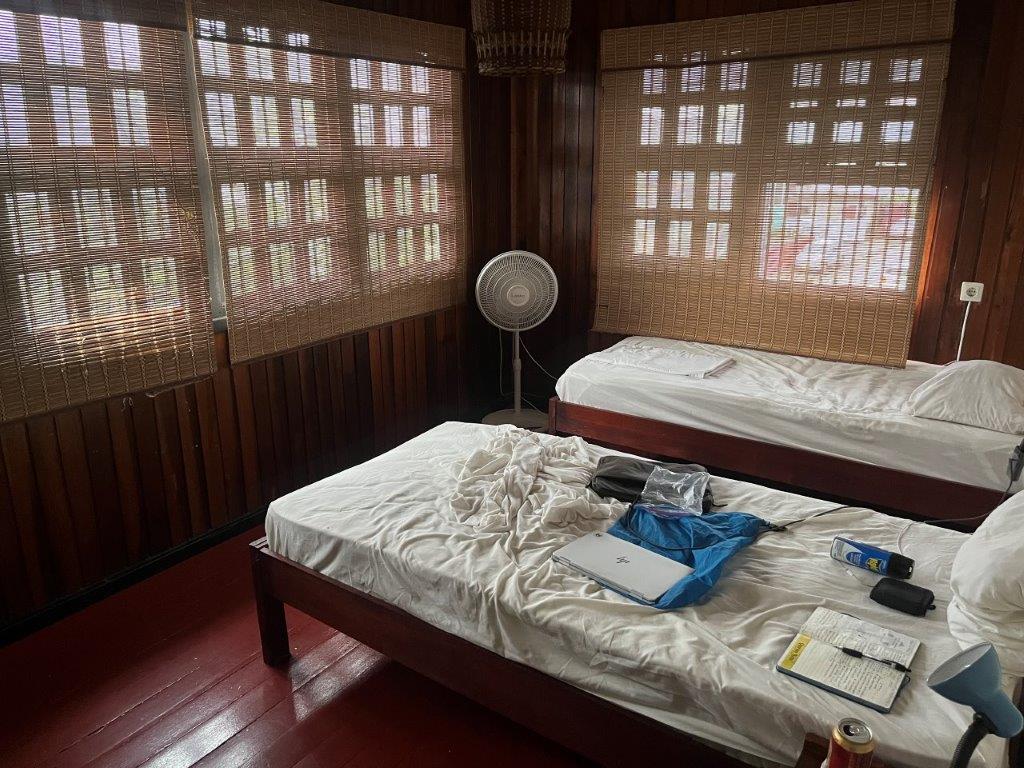
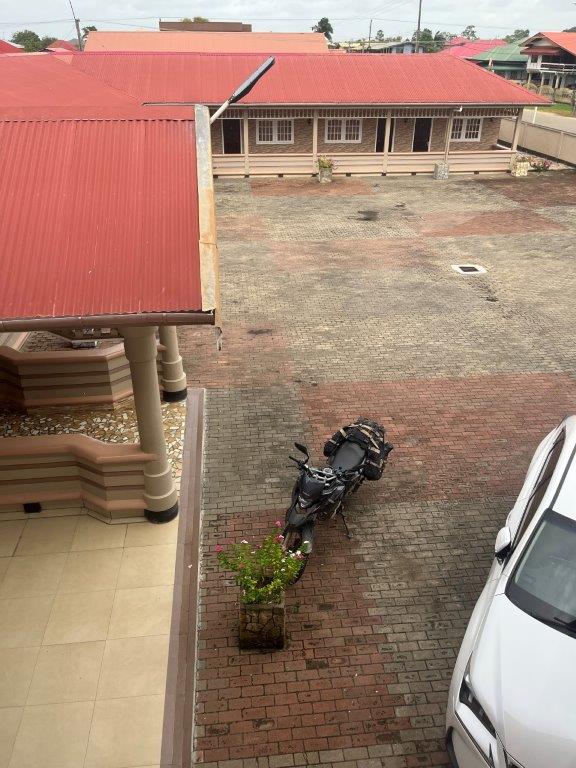
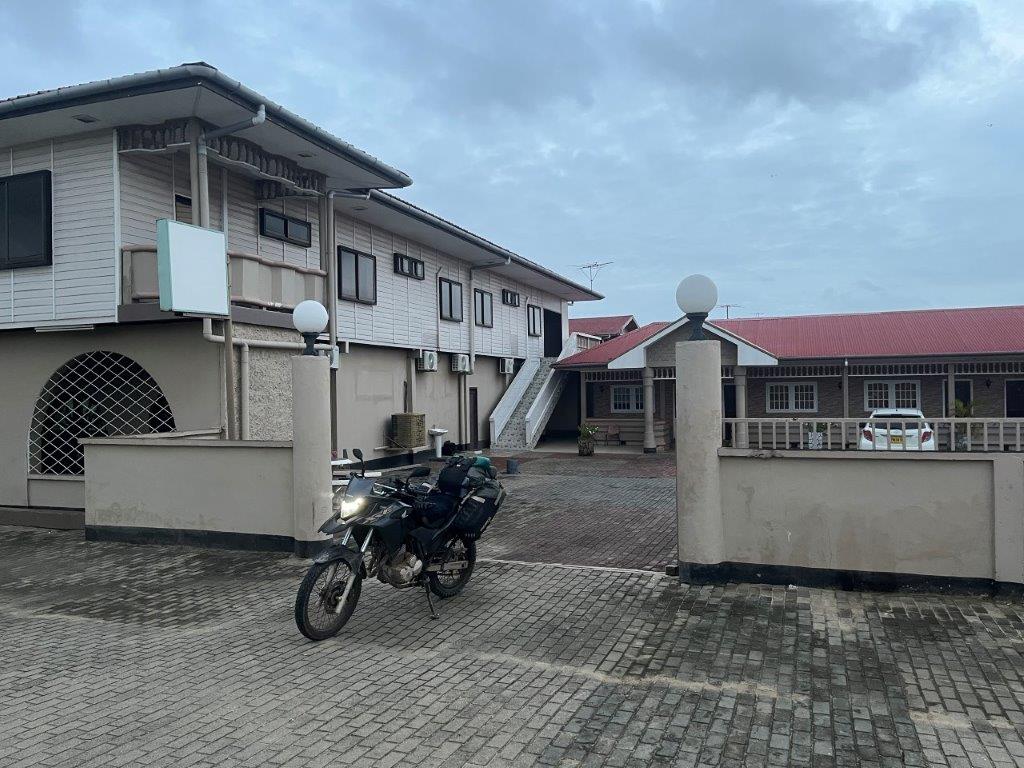
It was only 150kms from the border to the capital of Paramaribo. I had to cross a fancy bridge to get into the city (unlike some of the pretty basic ones along the main road). After finding Cayenne in French Guiana a disappointment, I didn’t have high hopes for Paramaribo but I was pleasantly surprised. I had been recommended two hostels and the first one called Hostel Twenty4 filled all my needs, so I booked in there for a couple of nights. I booked a private room for about $40AUD. It had a nice tropical wooden feel about it. I could have just taken a cheaper dorm room and had 6 beds to myself. It was pretty quiet.
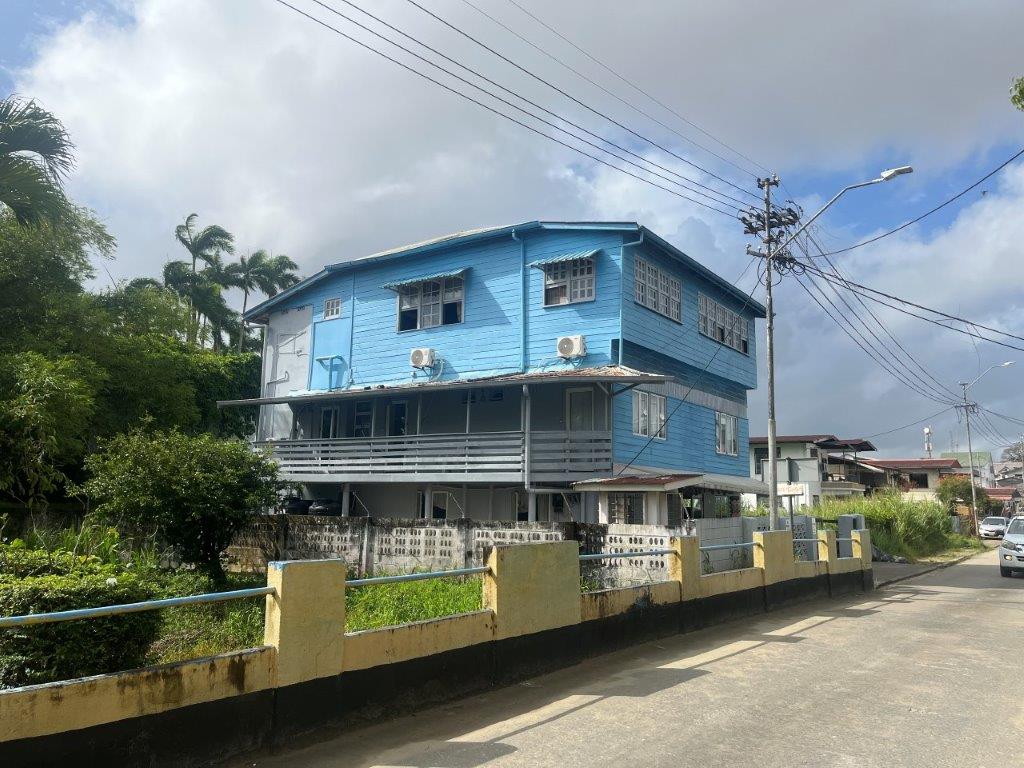
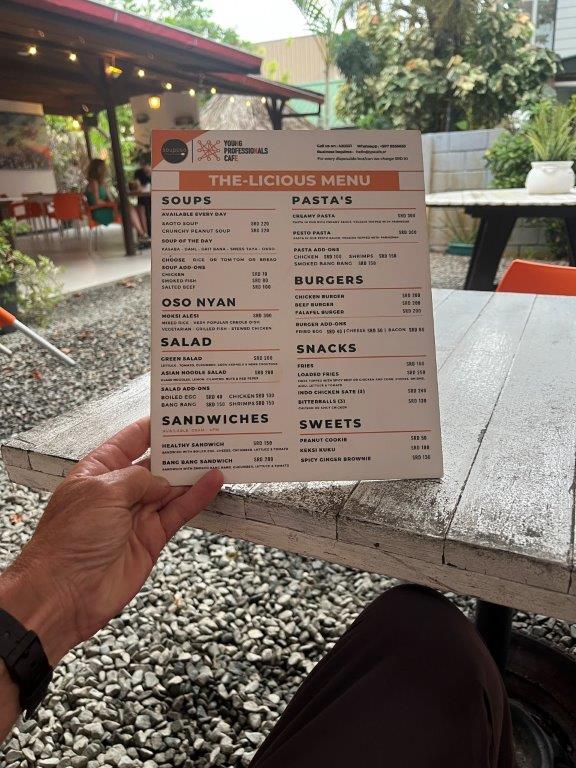
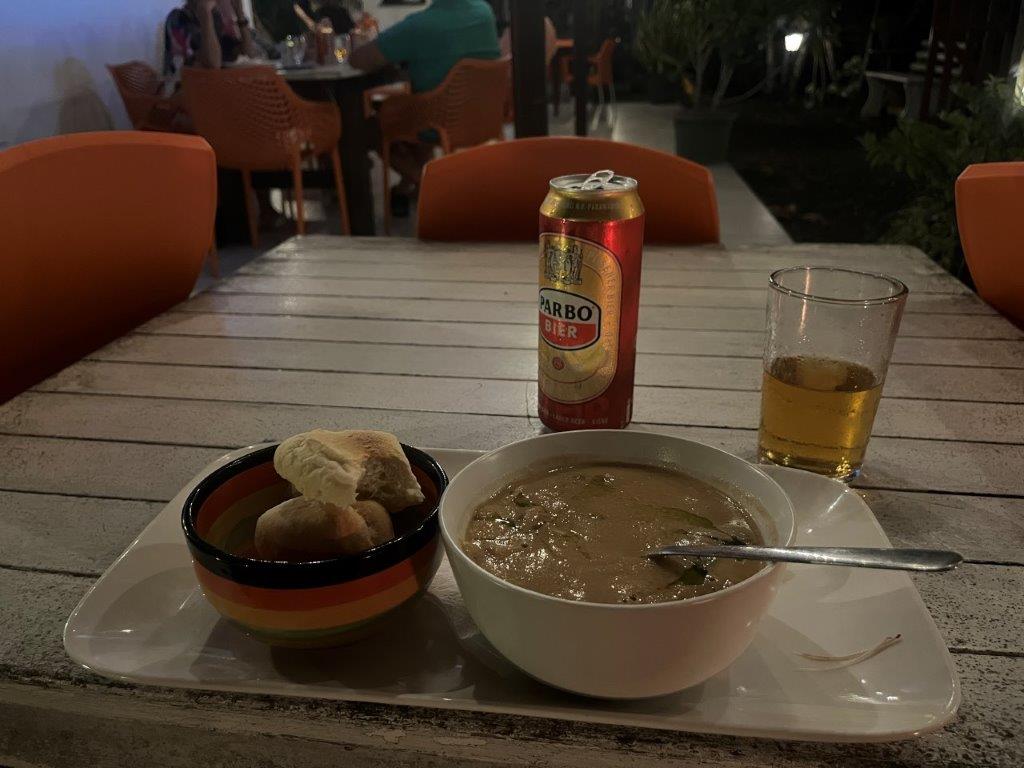
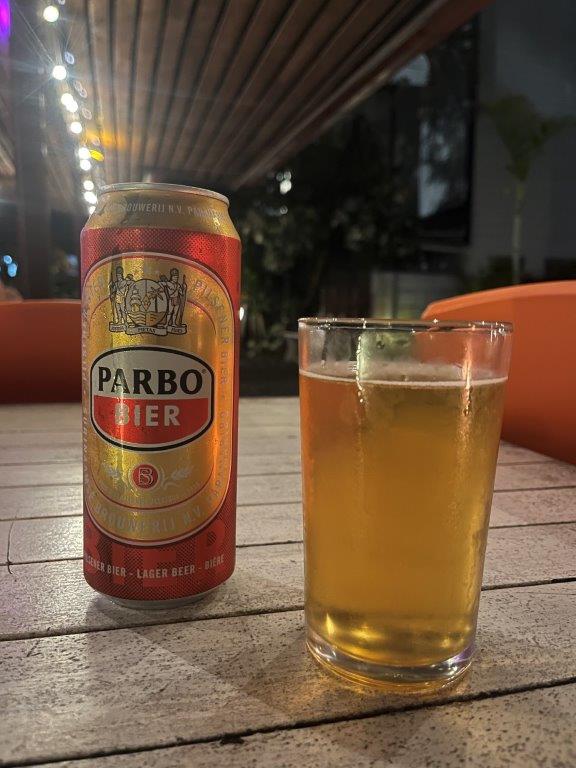
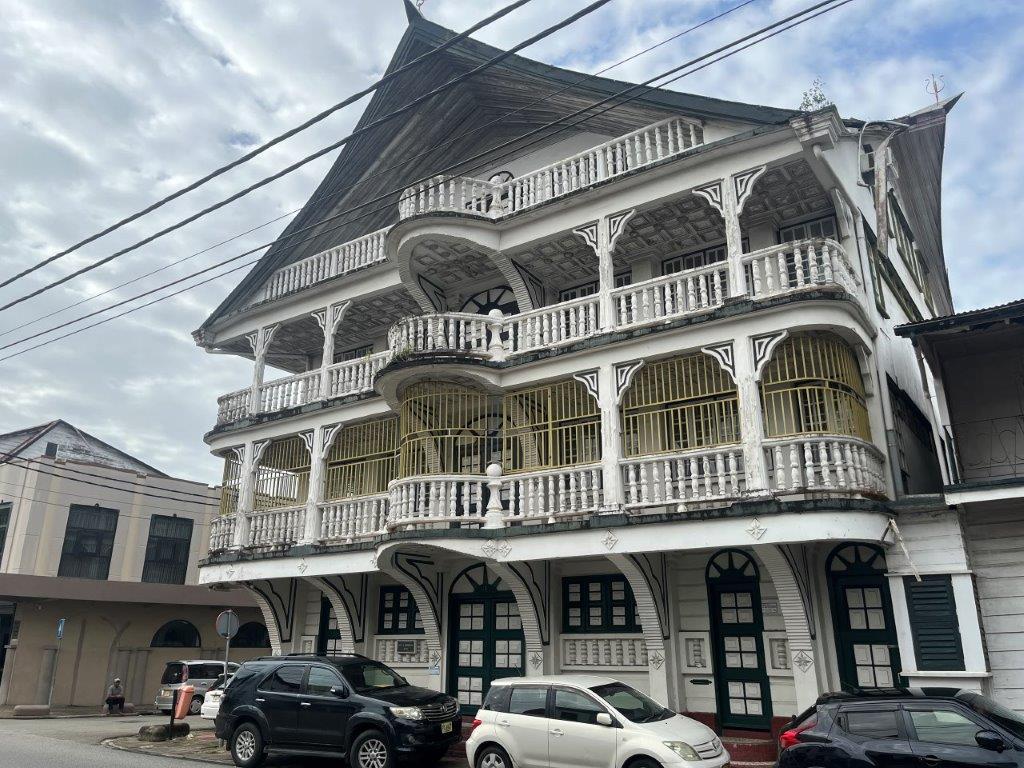
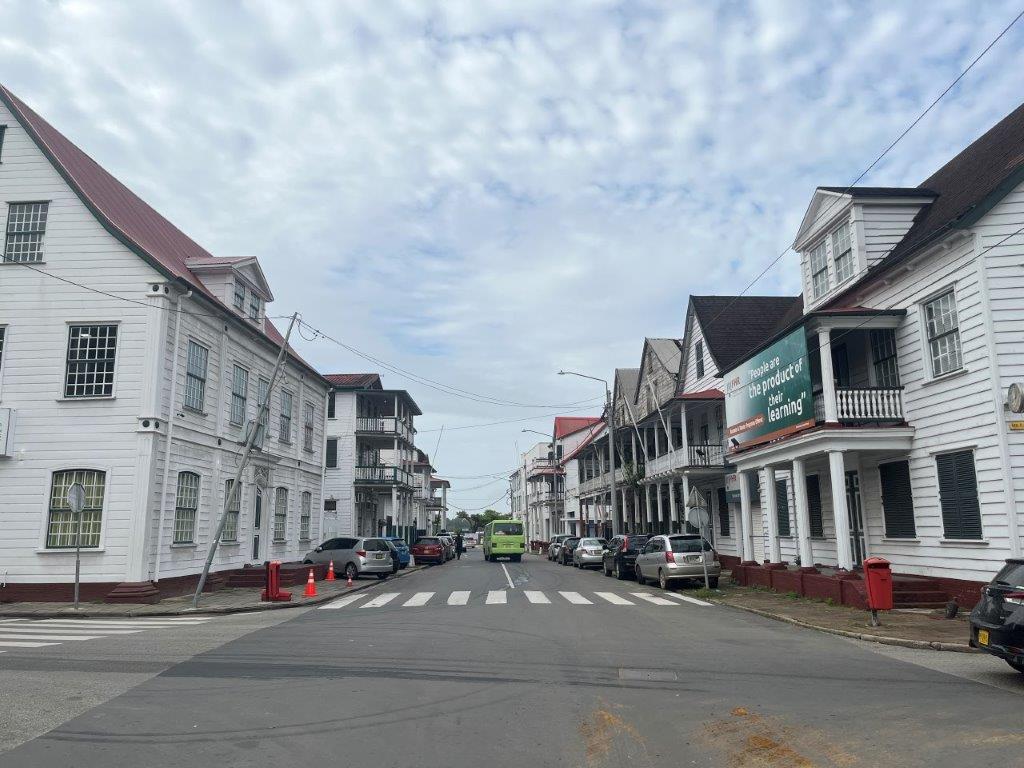
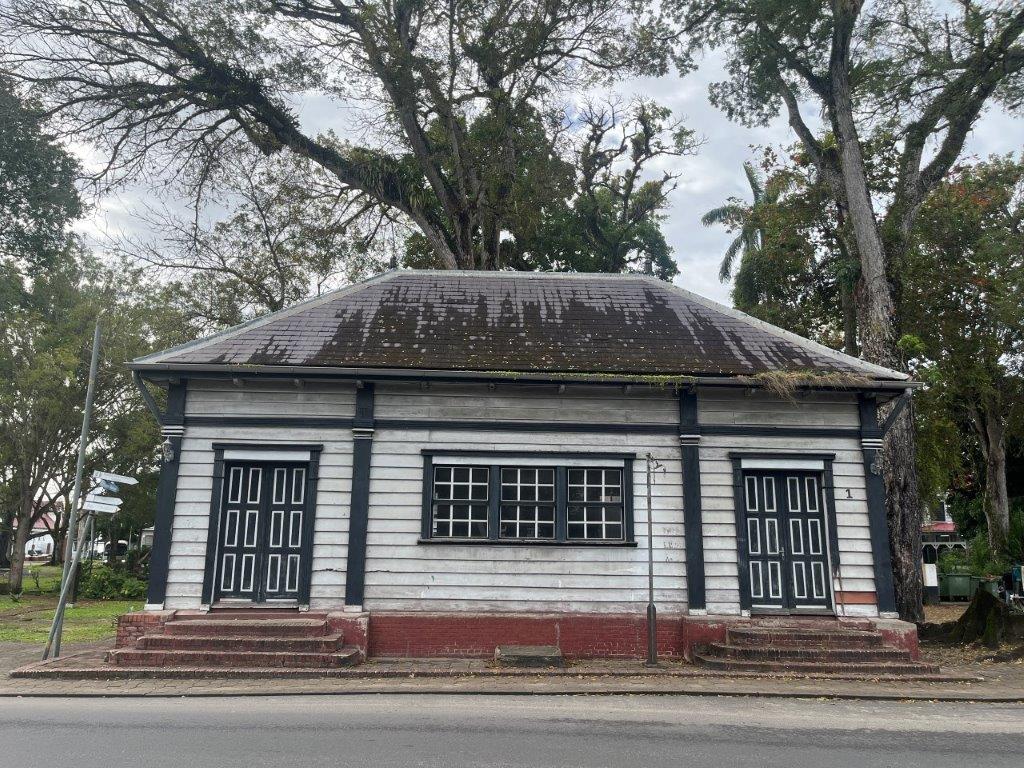
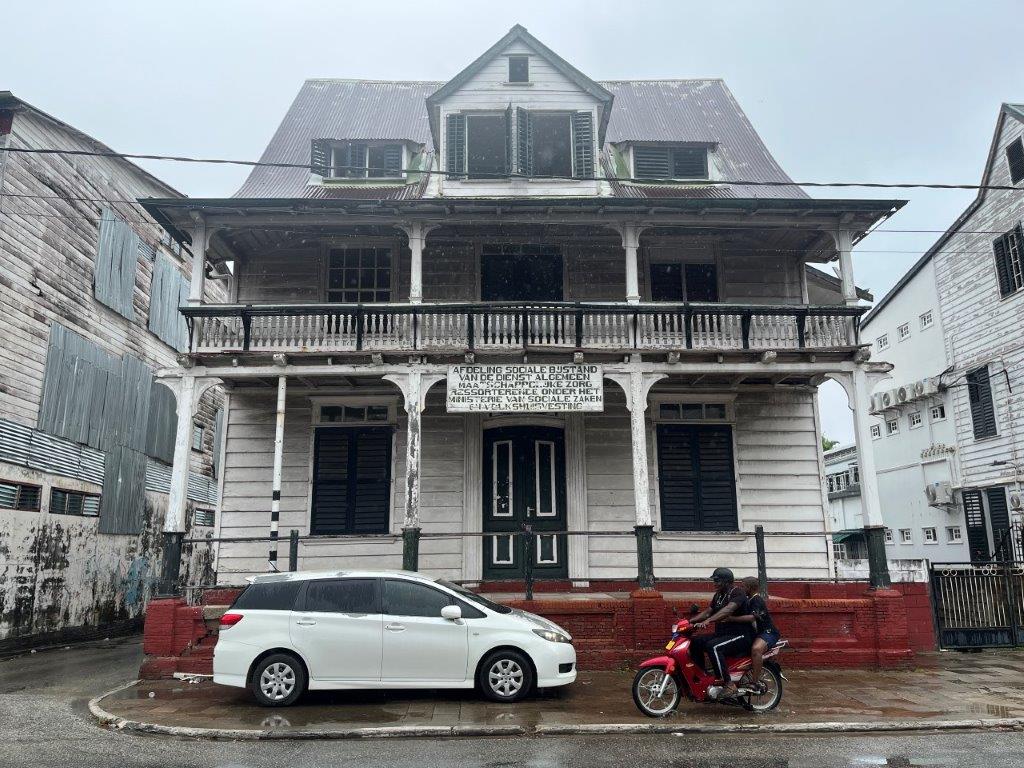
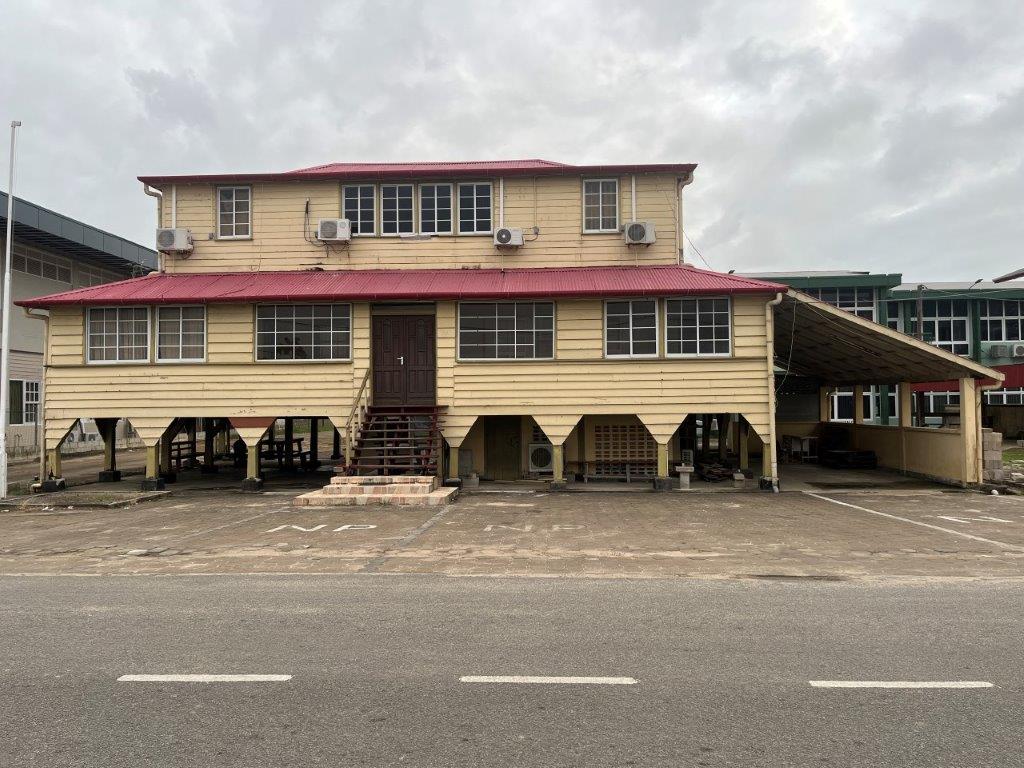
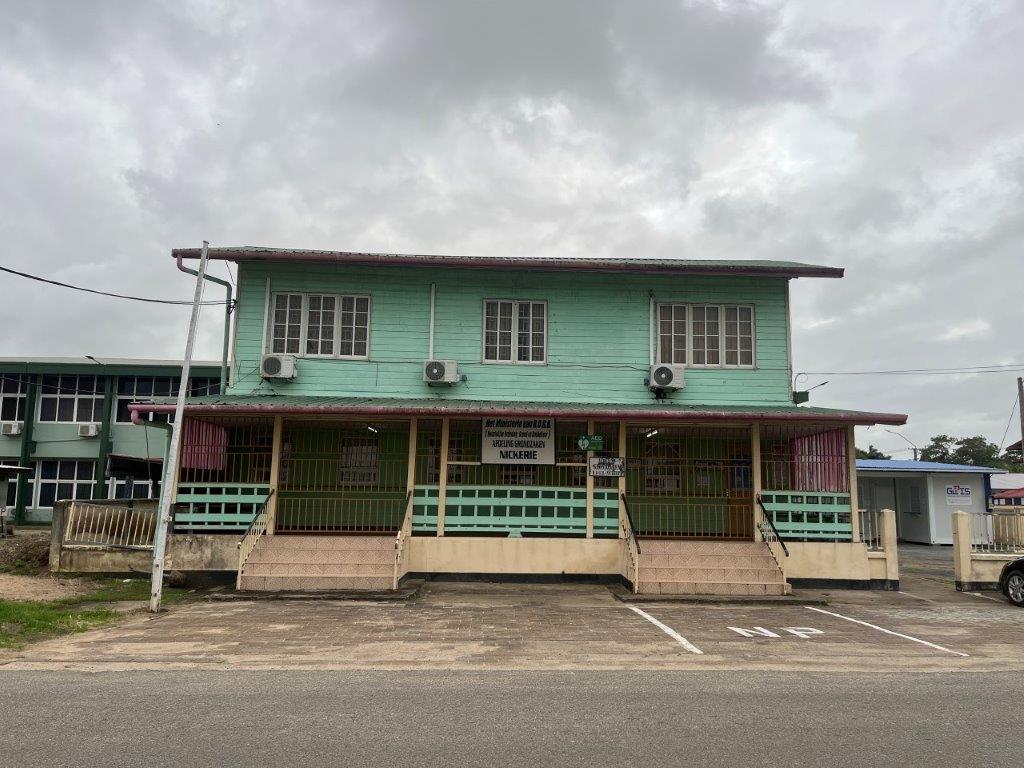
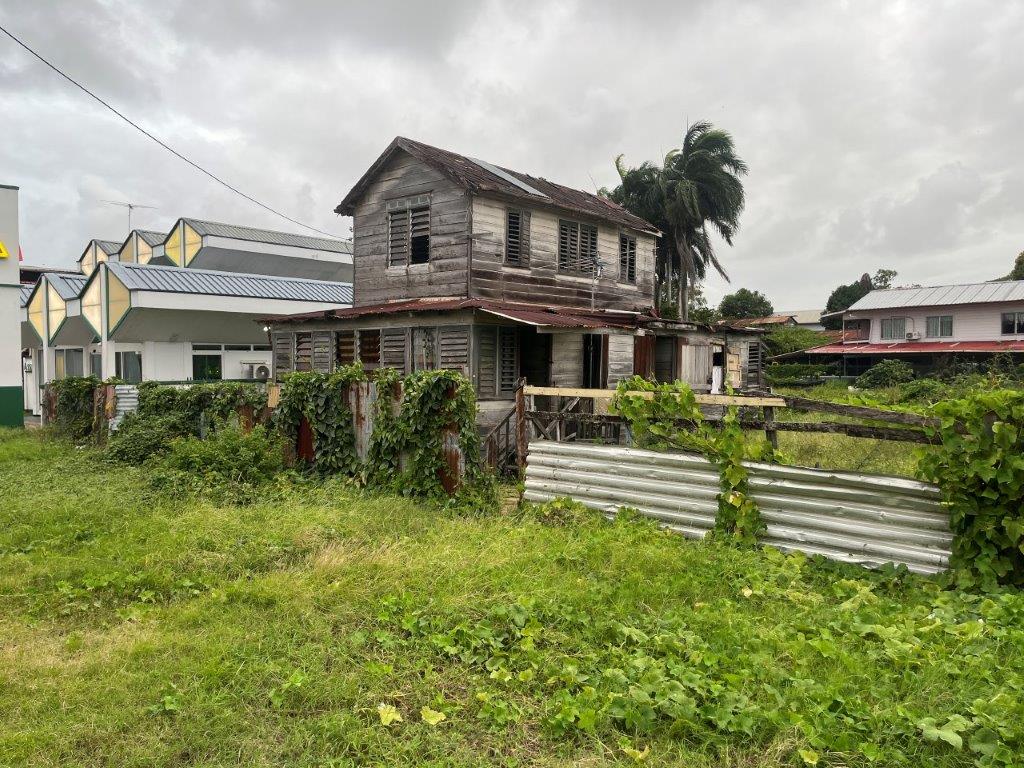
The city had lots of old buildings. Some restored and others begging attention. I had to go and find an ATM which gave me some Surinamese dollars and then went to a trendy little restaurant which was just down the road from my accommodation and had a local beer and a bowl of crunchy peanut soup which was a local dish. And was really nice.
Like the other Guyana’s, Suriname had a history of slavery. The Dutch were great sailors and traders (and slave traders) but apparently not so good at wars or property deals. To regress a little, in the 1600’s the Dutch found some land on the East Coast of North America and called it New Netherlands. Its main settlement was called New Amsterdam and it was a fur trading port. In the mid 1600’s there was a power struggle in Europe and England sent a few warships across the ocean and took control of New Amsterdam. The Dutch, under Governor Peter Stuyvesant, surrendered without a fight (I’m so tempted to go down a cigarette wormhole here, but I’ll resist). The British renamed it New York (Yes. That New York), after the Duke of York. The Dutch reclaimed it a few years later and renamed it New Orange. That didn’t last long because the British did a deal and said you give us New Orange and we’ll give you a section of the Guyana’s in South America. They then called it Dutch Guyana which would later become Suriname. They needed a secure place in South America as a trading port. The English wanted New York as part of their colonisation of North America. They managed to do that for over a hundred years until they lost it in the American Revolution. And one last piece of info that I found interesting was that many places in New York still carry Dutch names (e.g., Harlem from Haarlem, Brooklyn from Breukelen, the Bronx from Bronck’s land).
A few more fun facts while I am waffling. About the same time in the early 1600’s the Dutch also discovered Australia. The Dutch East India Trading Company had all the big ships and were a big deal back then. They named the new land, New Holland but they couldn’t find much to plunder (unlike the rest of South East Asia), so they never really set down roots. It stayed that name until the mid 1700’s when the Americans colonies revolted and kicked out the English. So they sailed across the ocean and decided they would take New Holland from the Dutch and call it Australia and set up a colony there. They started with Van Diemen’s Land (Tassie) and then moved up to Sydney. And like Napoleon with French Guiana, they decided it was a great place to remove people from the overcrowded prisons back at home. And now some more photos of buildings.
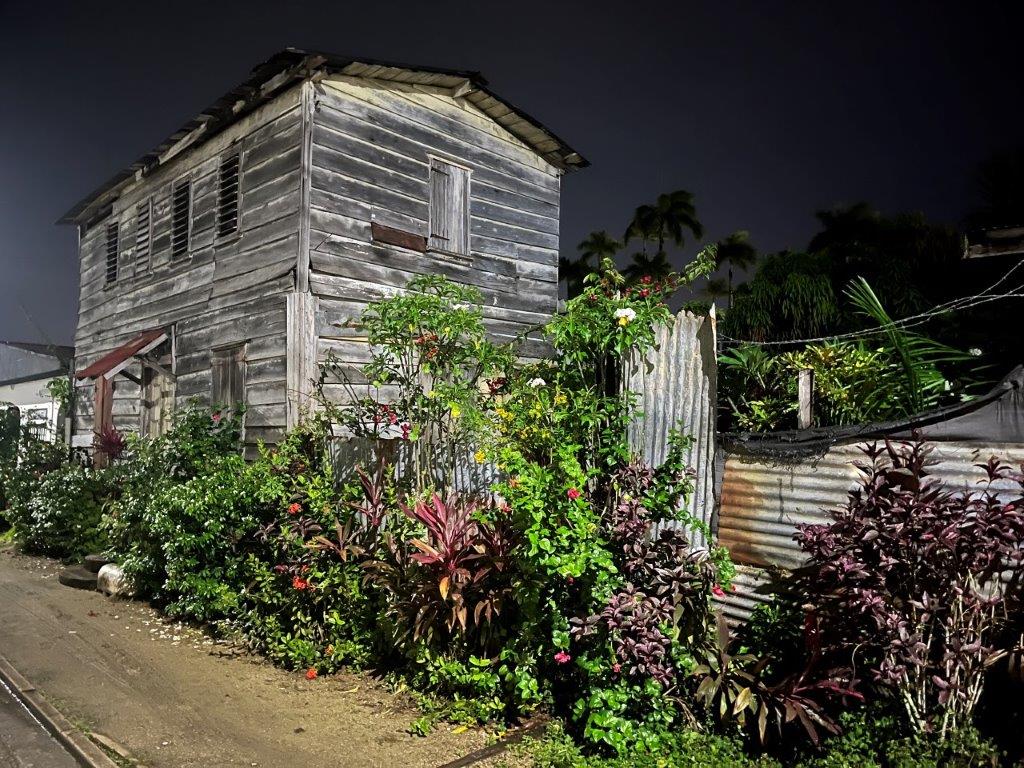
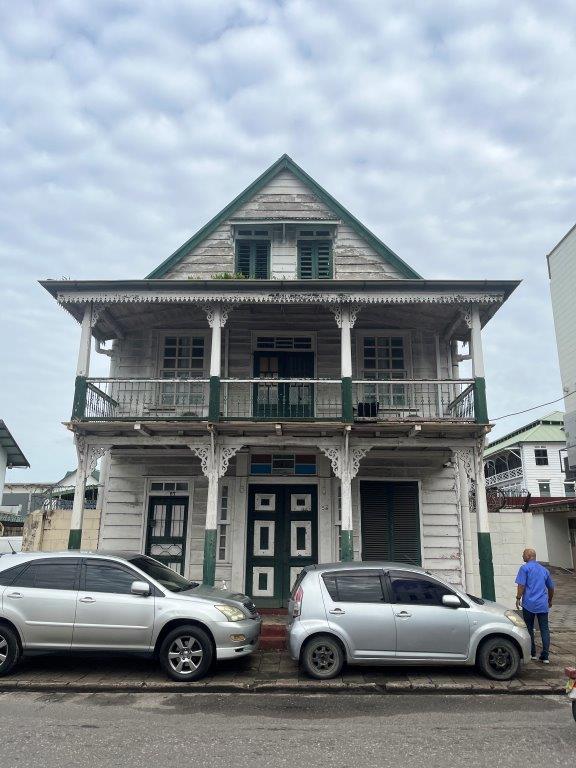
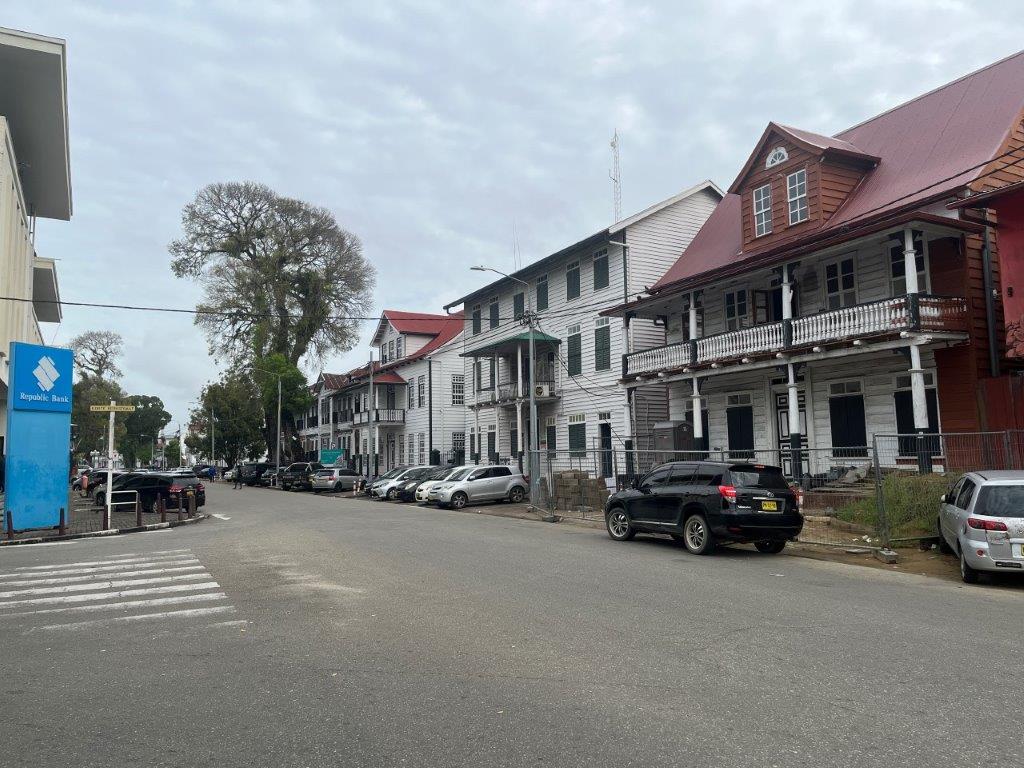
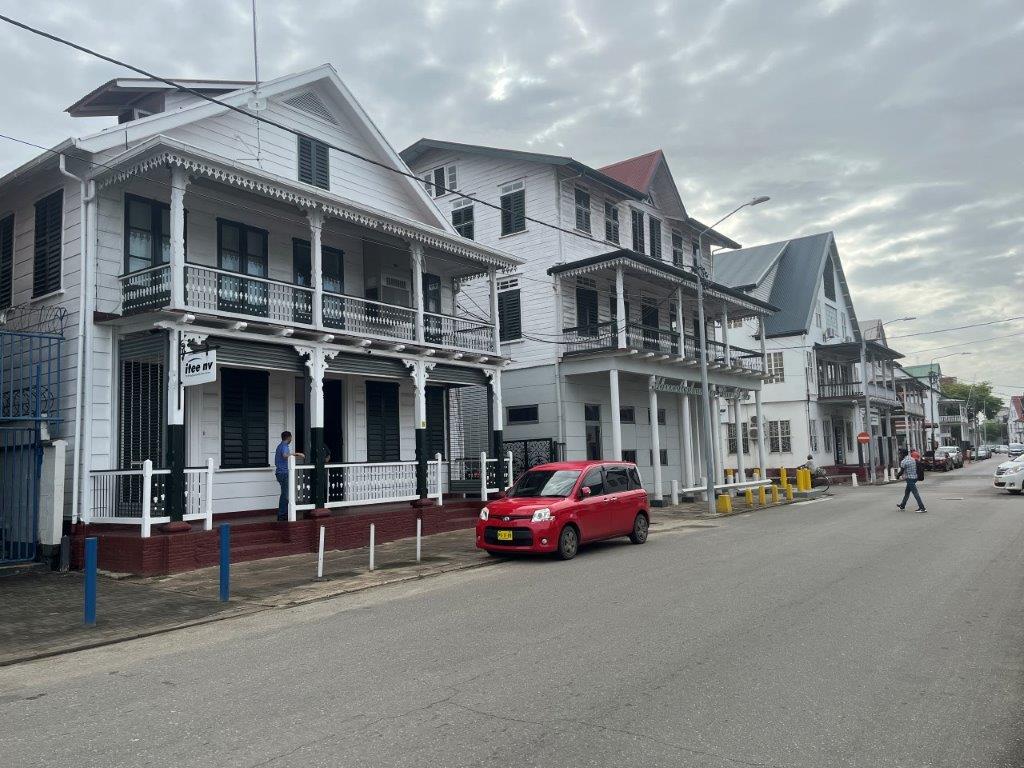
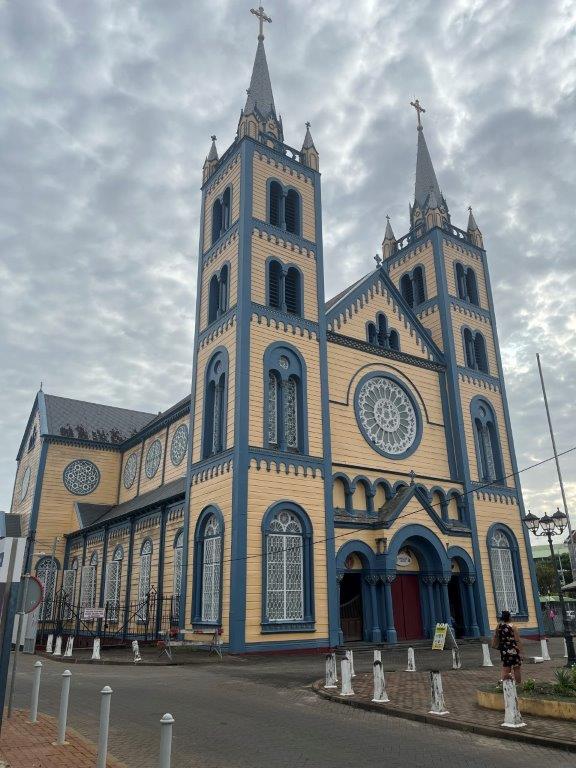
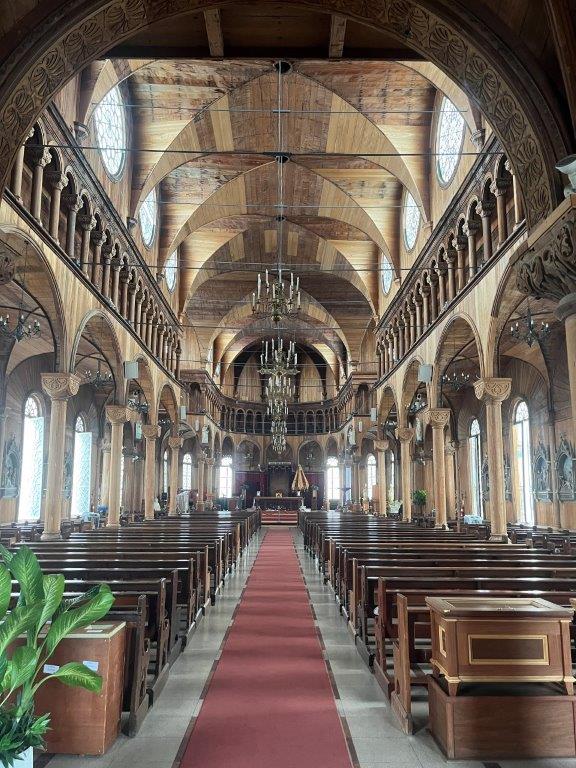
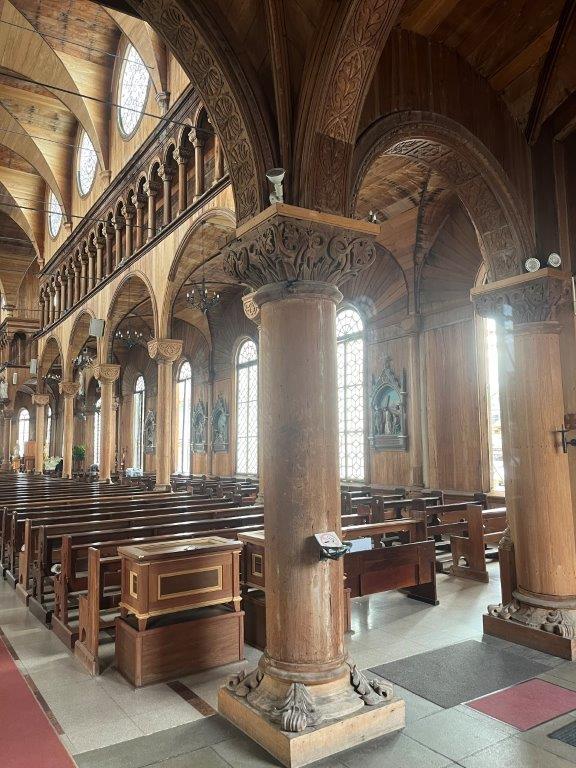
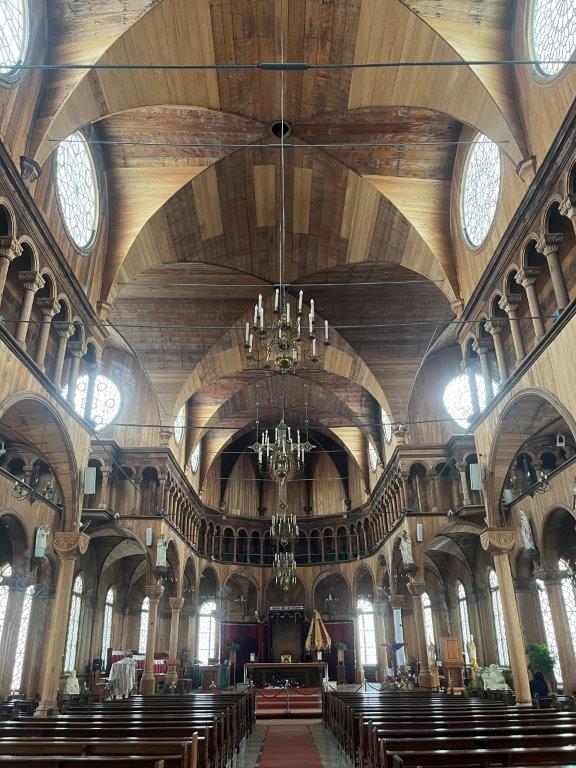
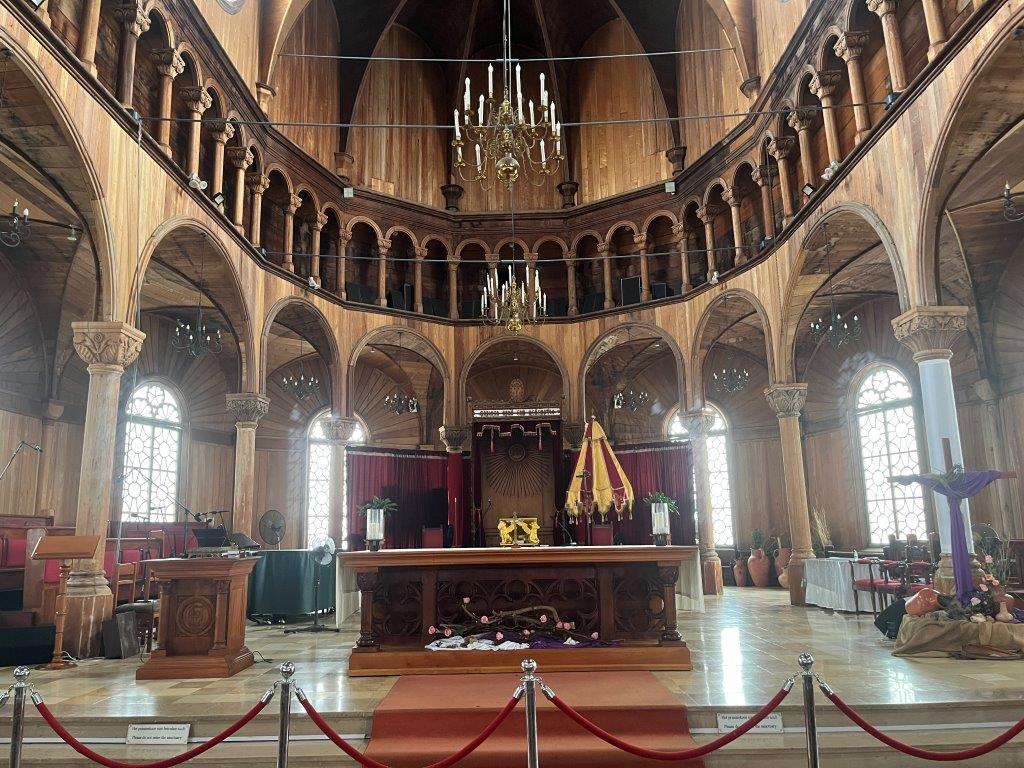
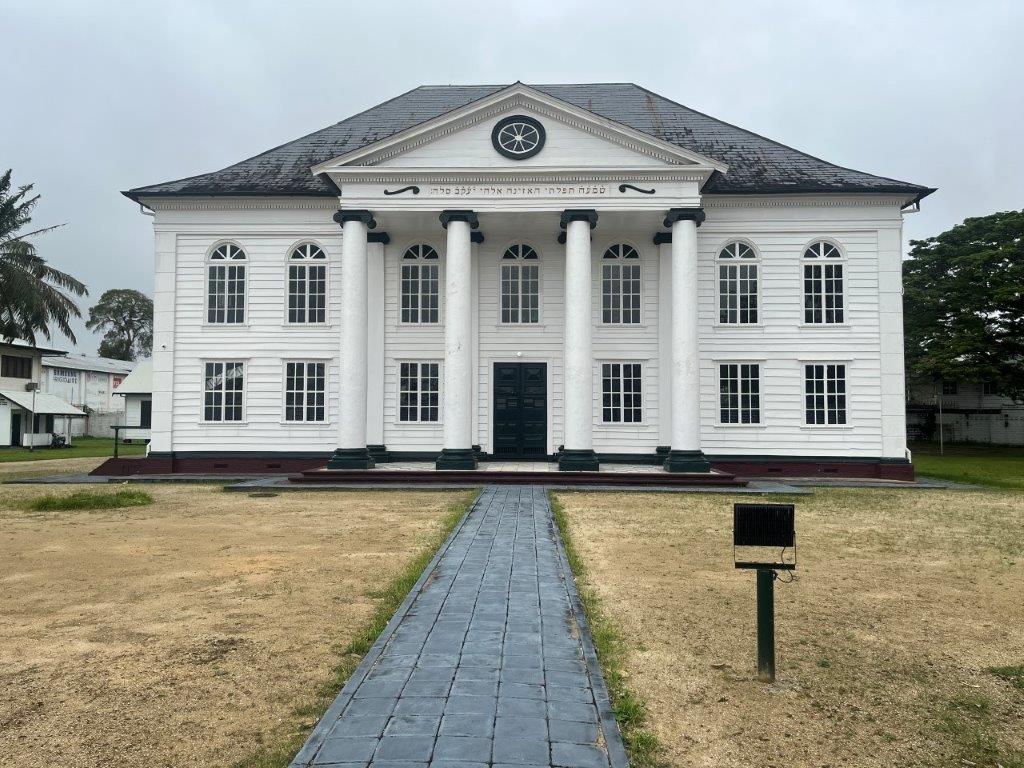
My favourite building in Paramaribo or perhaps even the whole of South America, would have to be the church. It’s a big building but is made totally of wood. The size and detail were amazing. I sat there for a while taking it all in. Way classier than the old timber Jesuit churches in Bolivia.
There was also a nice little fort area on the bend of the river called Fort Zeelandia. The usual story. Built by the French, stolen and rebuilt by the British, stormed by the Dutch and then eventually given to the Dutch, who knows how many lives it has had. Some parts could do with some TLC but it was nice for a walk around.
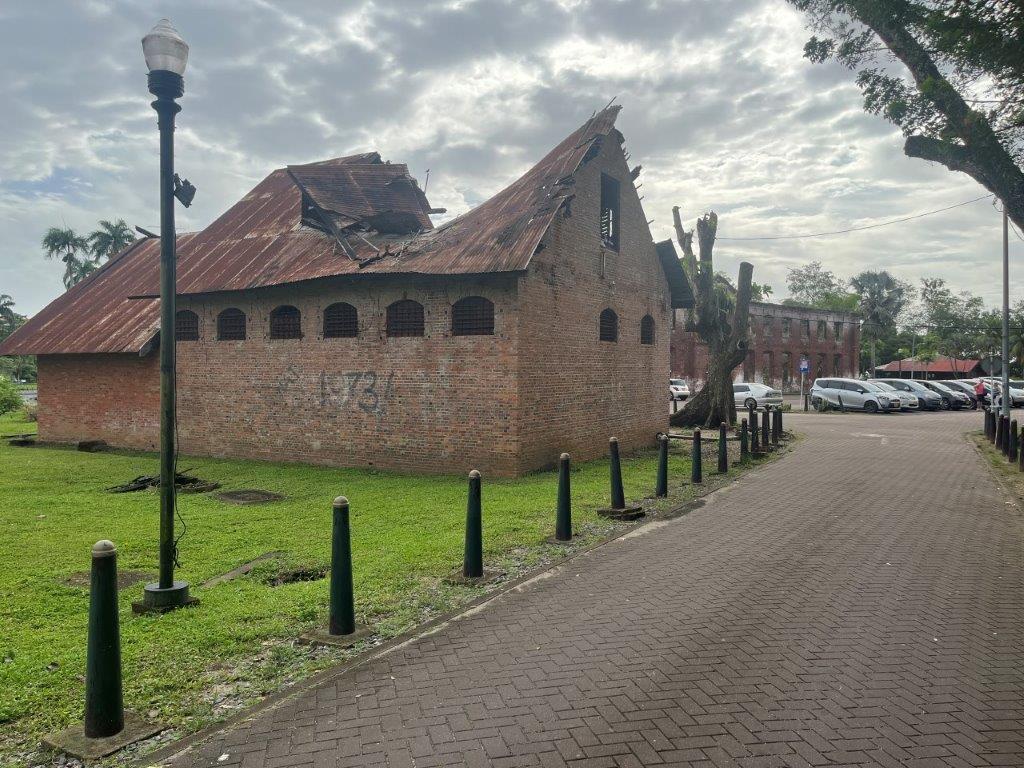
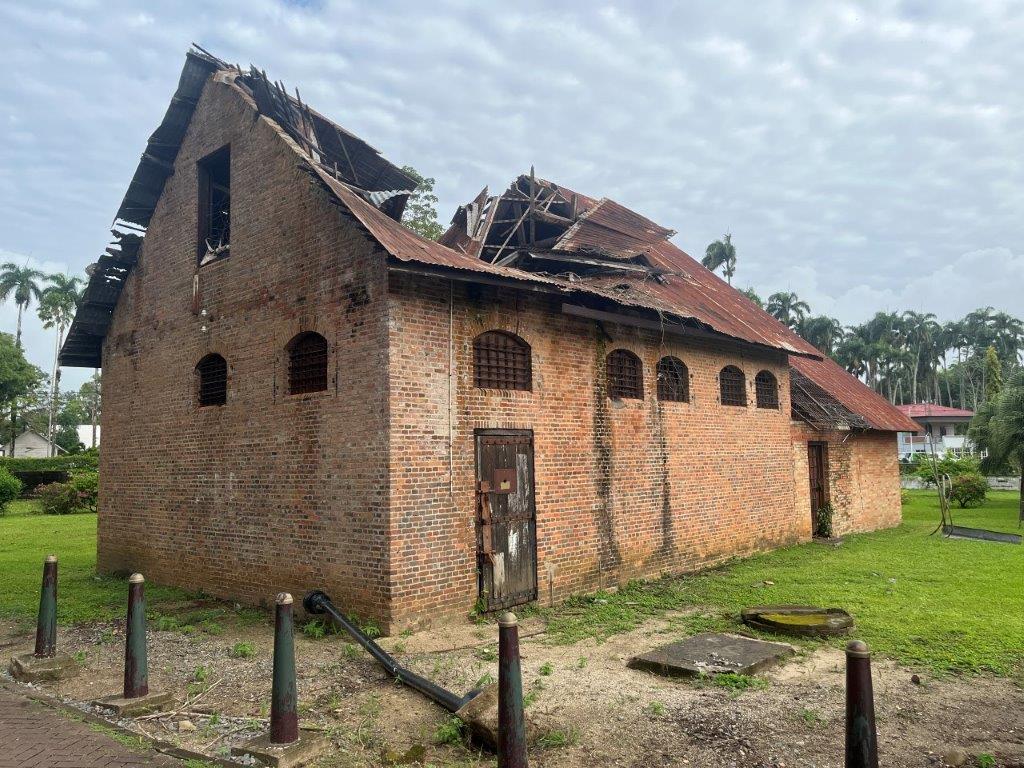
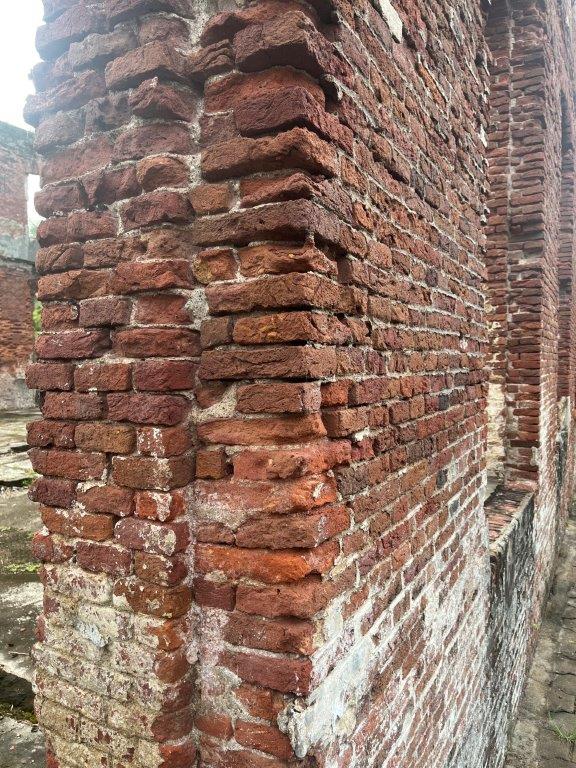
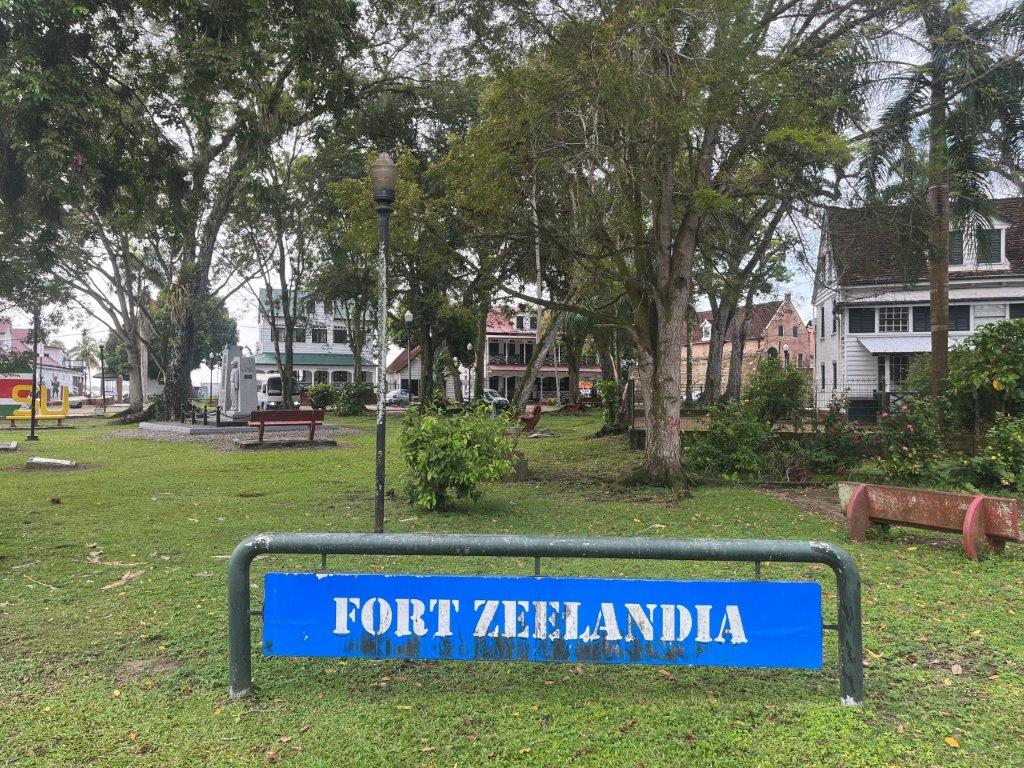
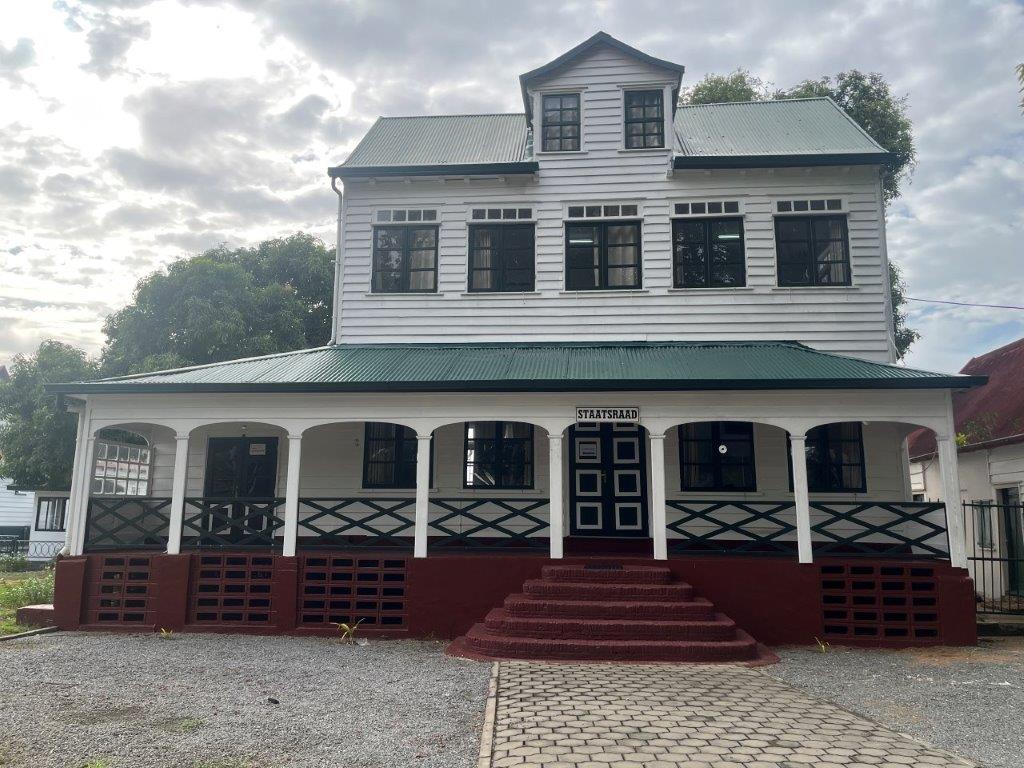
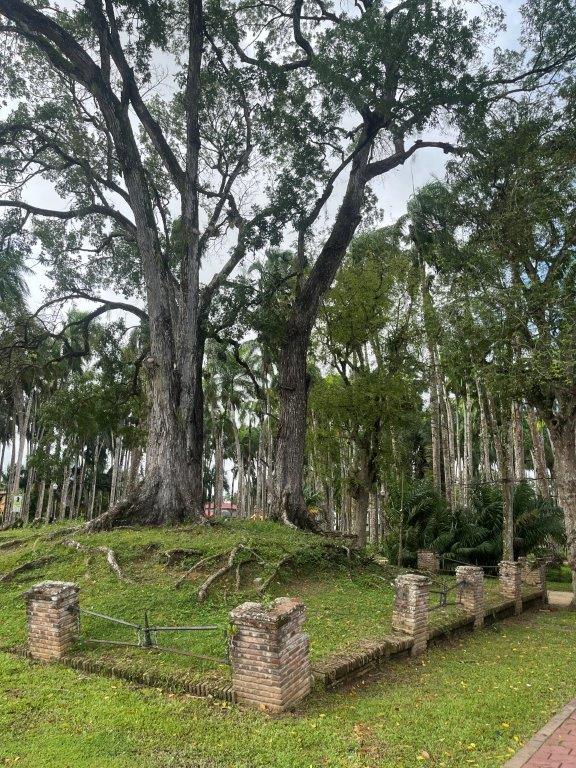
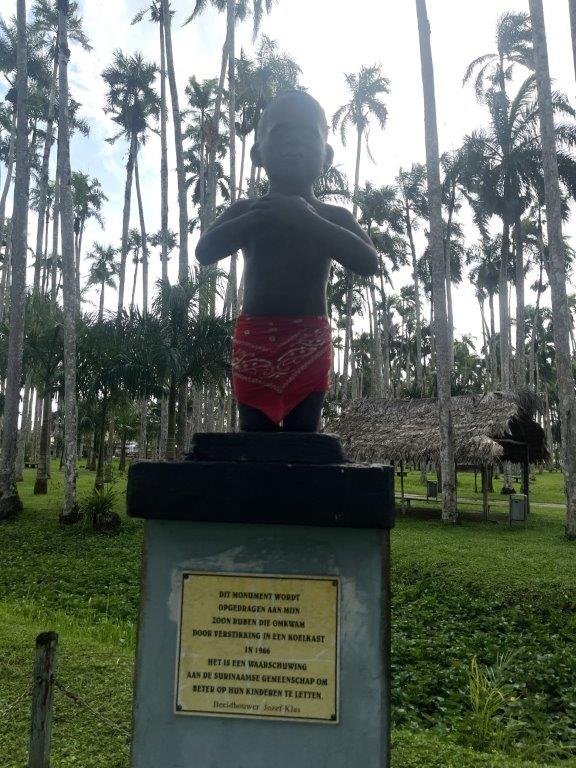
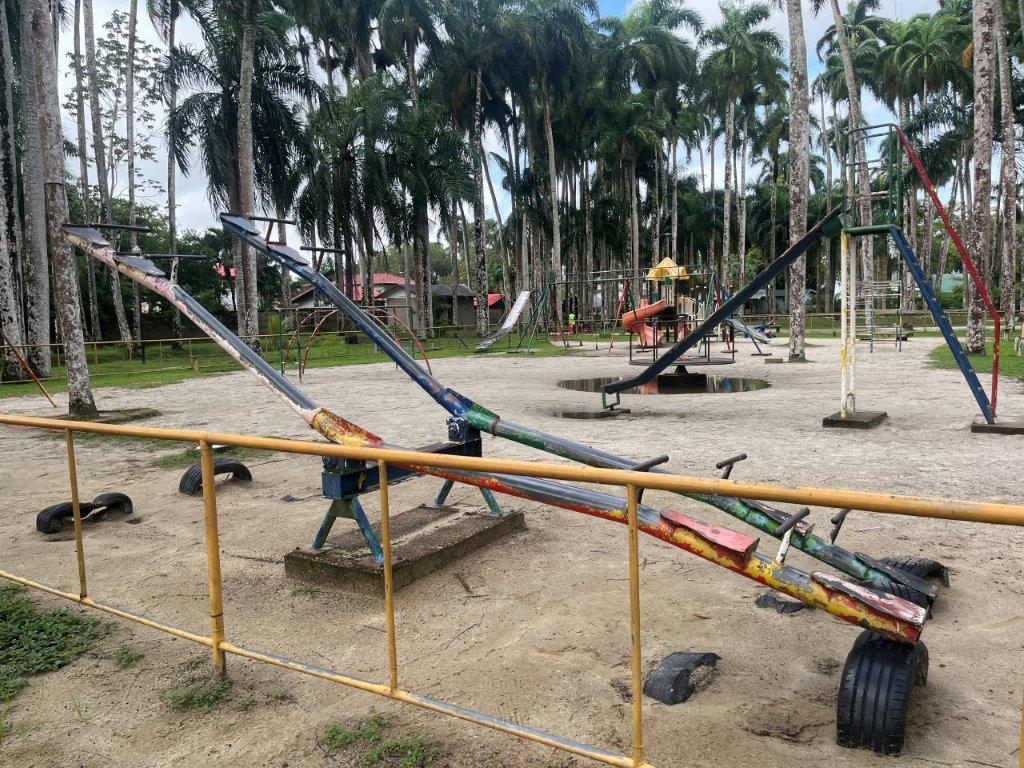
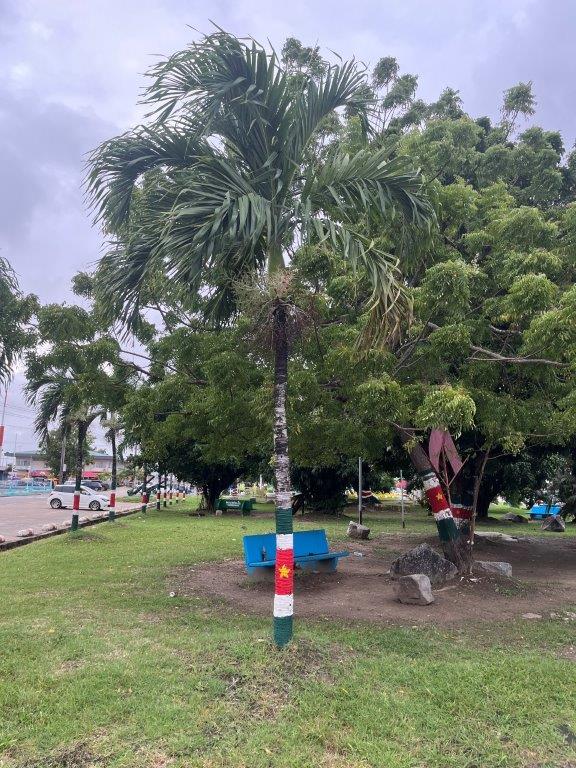
There was also a nice old park on the tourist list. Not that I think Suriname gets many tourists. It also needs a bit of money spent on it as the trees were regaining territory. The jungle continues on despite how we try and kill it.
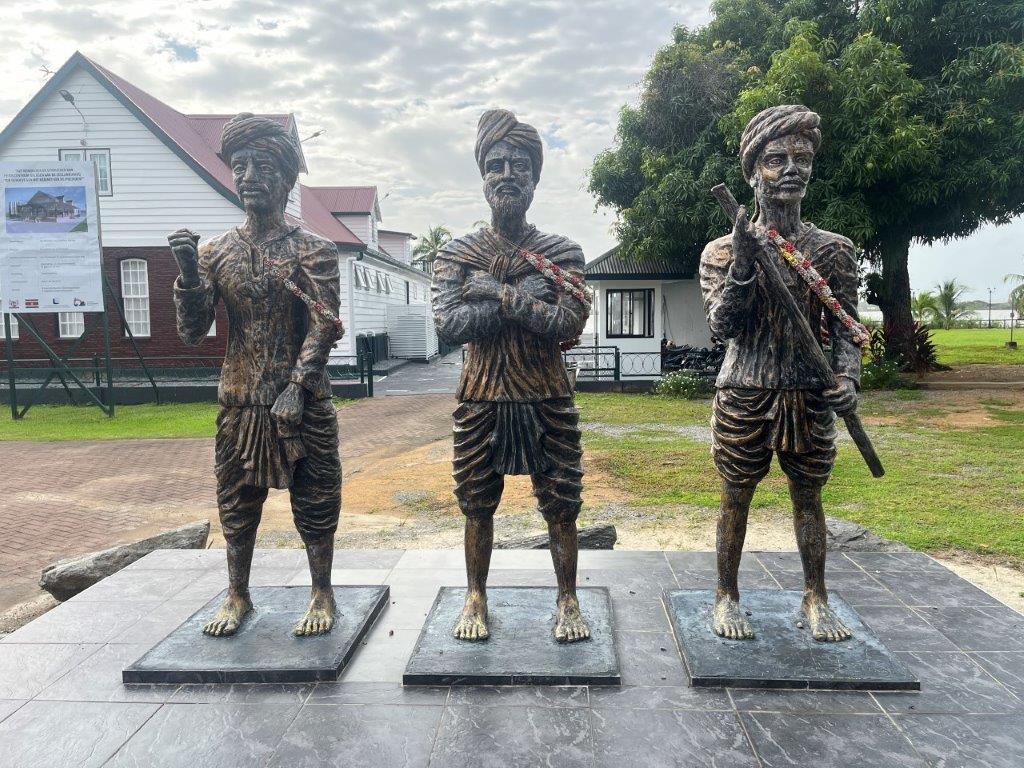
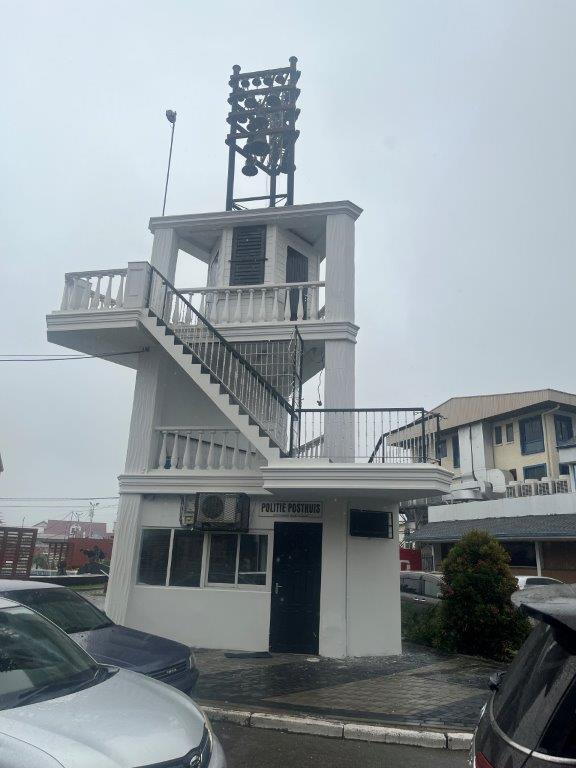
Suriname has an interesting population. It was a major stop off for the dutch during their slave trading days. The had established plantations there, but discovered that a lot of the African slaves they would bring in would bugger off into the jungle. They managed to survive in small groups which the Dutch called Bosnegers which translates to Bush Niggers. Today they are called Maroons and they are part of the rich cultural mix of the country. With the shortage of slaves and the eventual abolition of slavery, the Dutch brought in workers from their other trading ports in India and Indonesia to fill the gaps. These groups also stayed on and added their food and cultures to the country. And more photos of buildings.
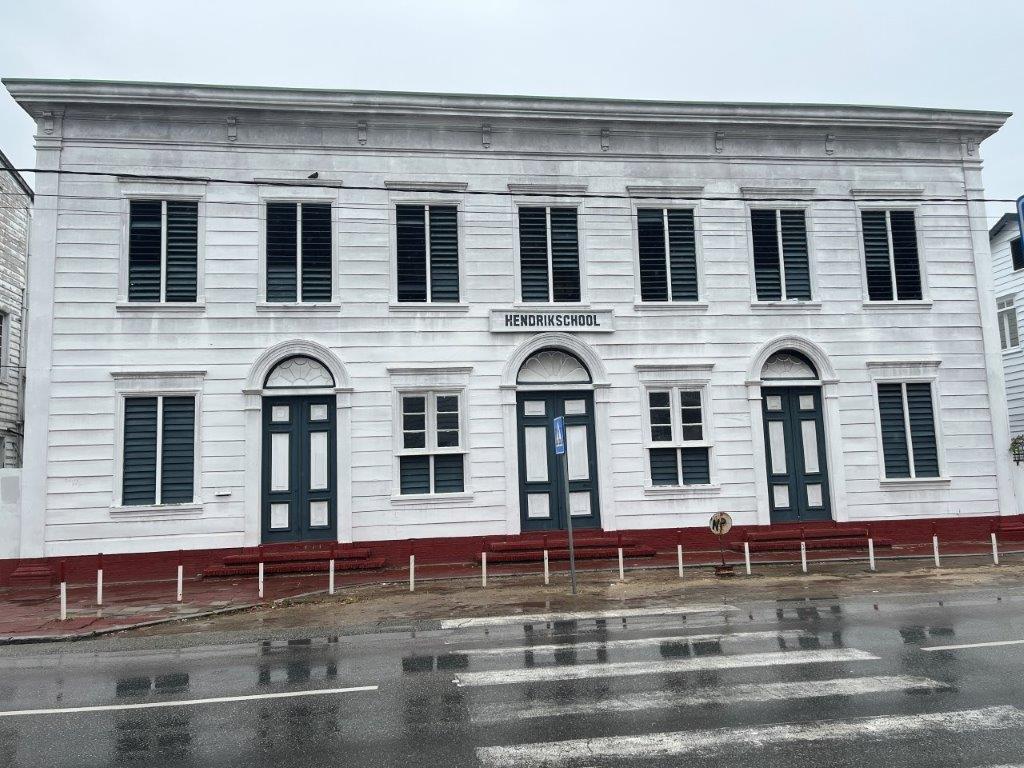
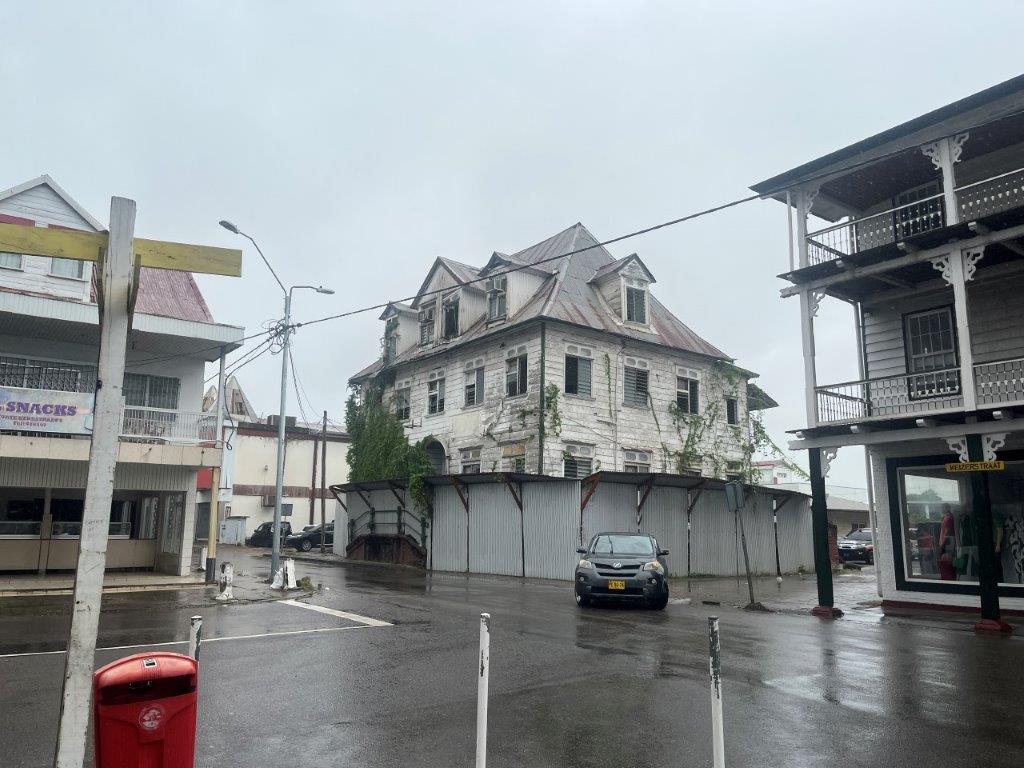
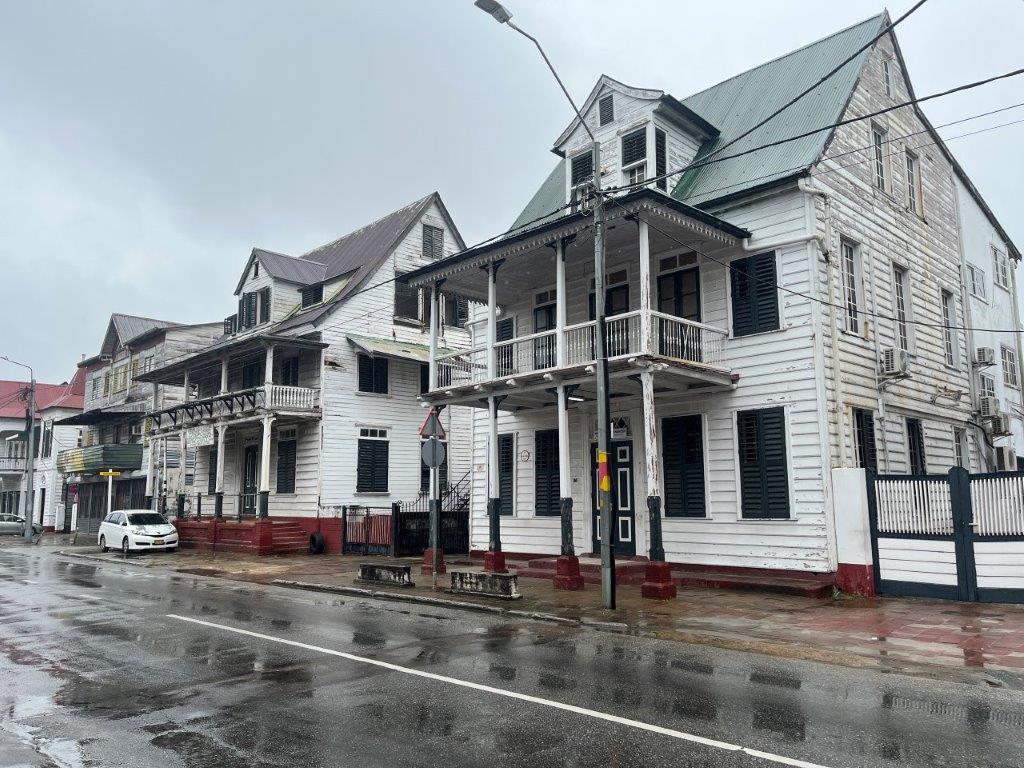
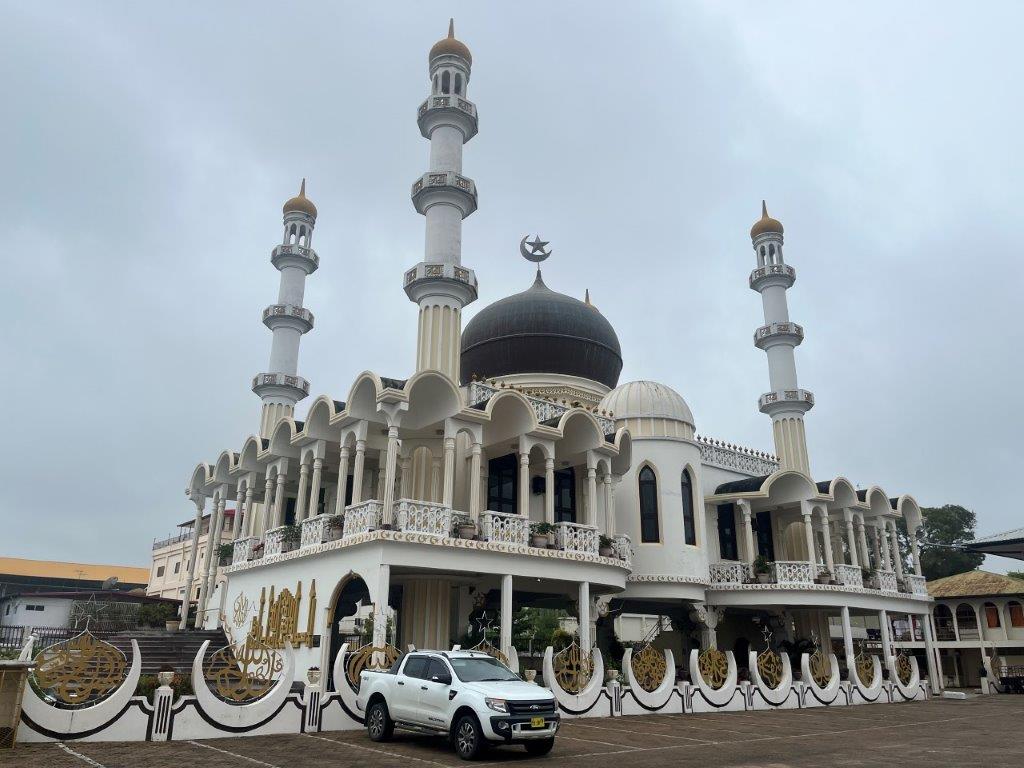
Somehow in Paramaribo I also managed to squeeze in a bike oil change. On a footpath outside a scooter shop. I apologised to my bike and promised it a flash service next time. From the capital it was a 4 hour ride to the lovely named, South Drain, which is where you catch the ferry across the Courantyne River and end up in Guyana. Getting ferry details was similar to many places in South America. Times vary greatly and there’s always rumours about them no longer operating. Apparently the ferry was running again this week but you needed to be there at 6:00am for the 10:00am ferry. I took that with a grain of salt because they always seem to be able to squeeze a bike on as long as the ferry was still attached to the wharf. But I decided it would be a good idea to arrive early though and so I stopped the night at a small town called Nieuw Nickerie which left me only half an hour to ride next morning.
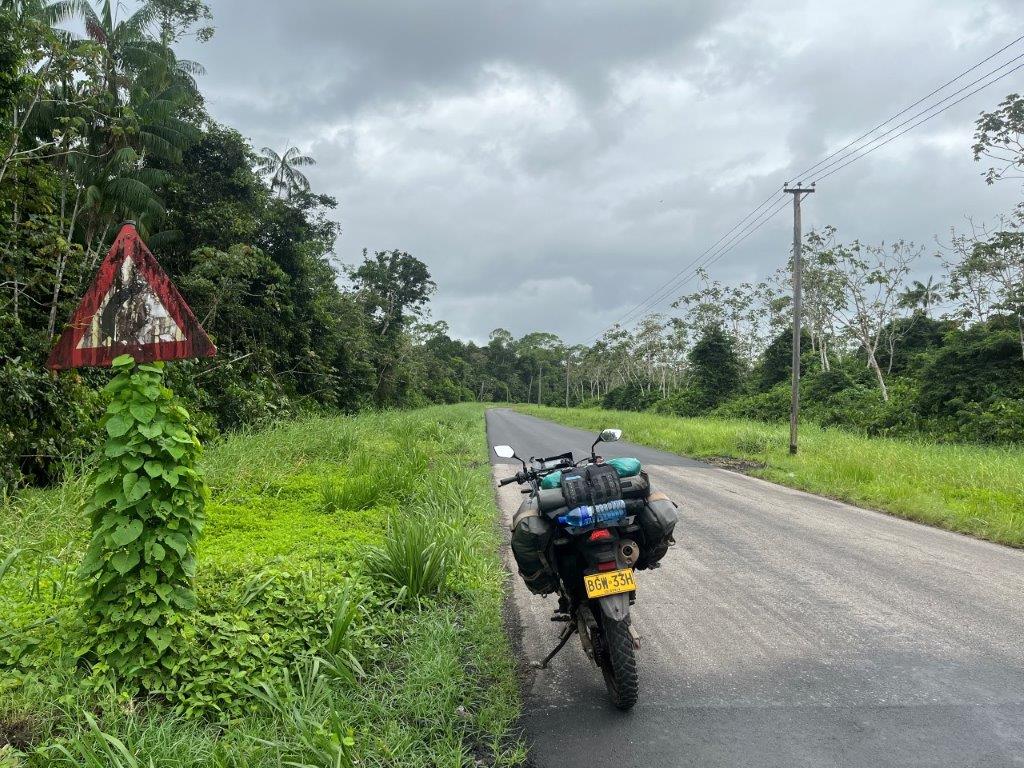
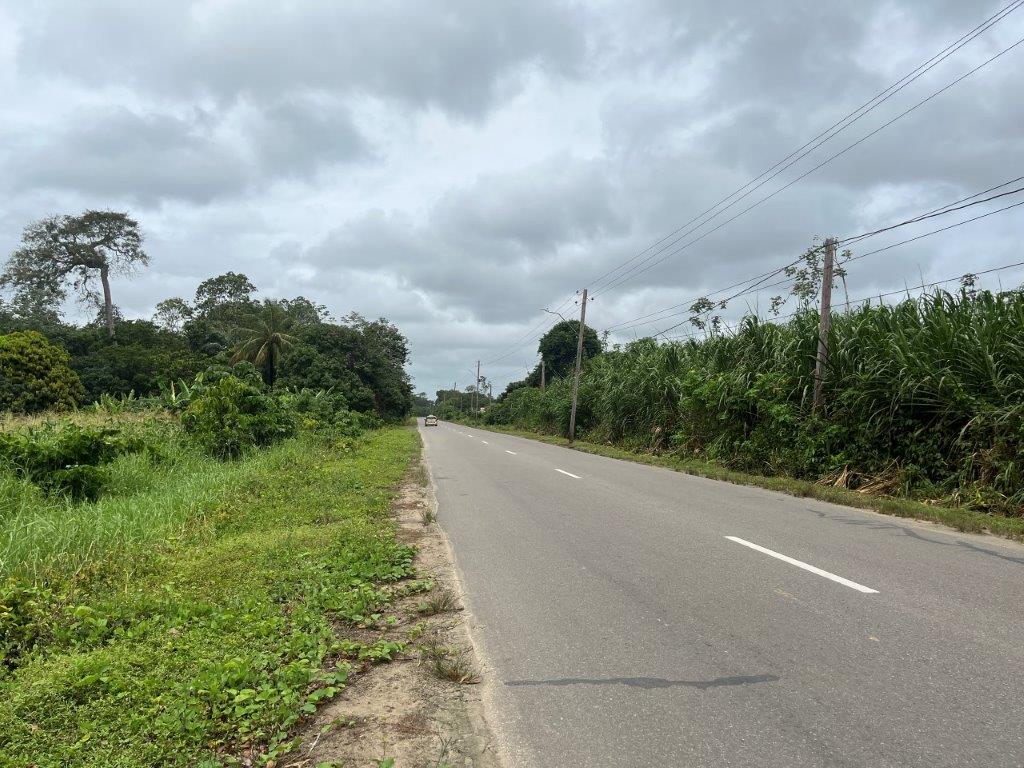
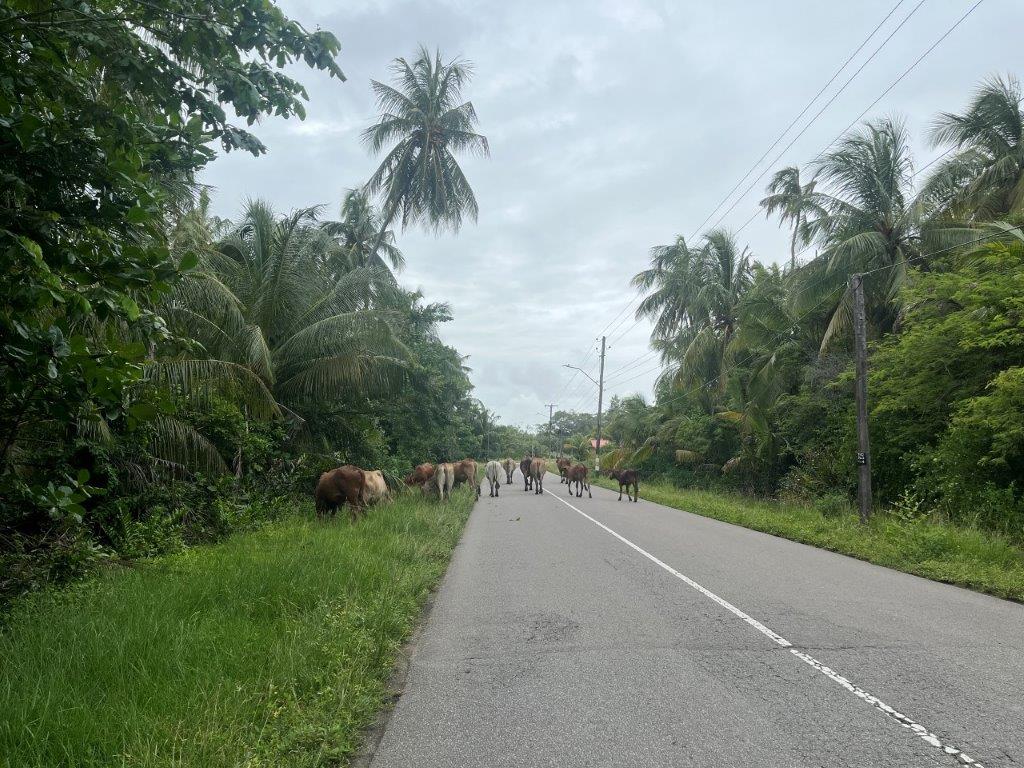
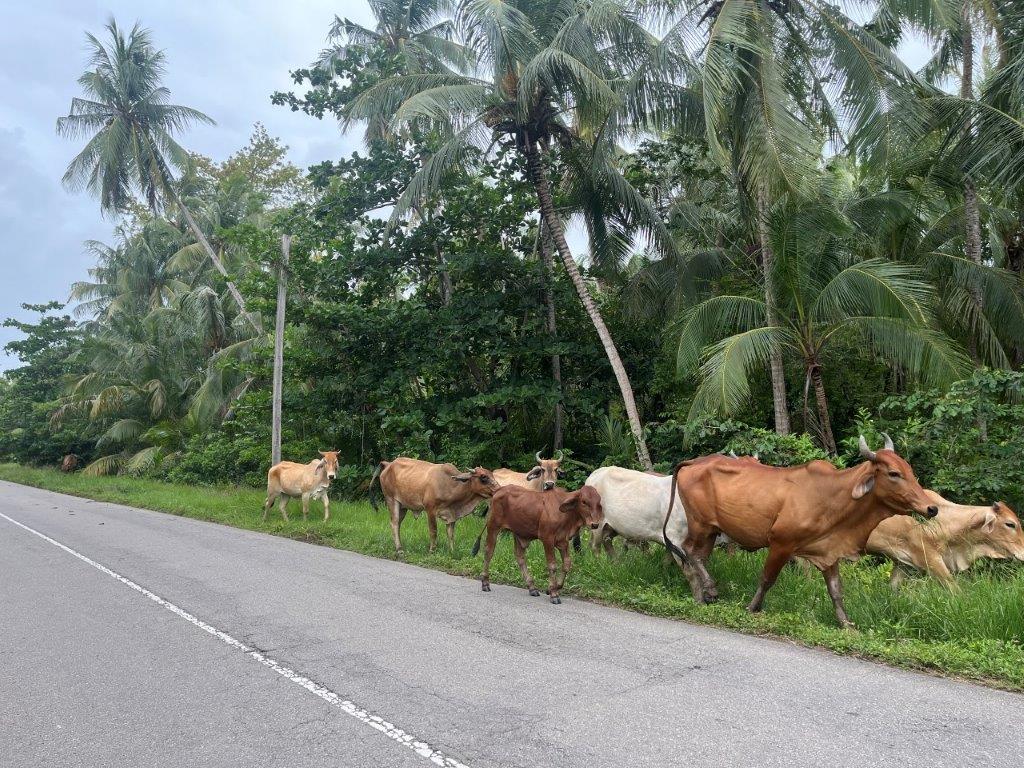
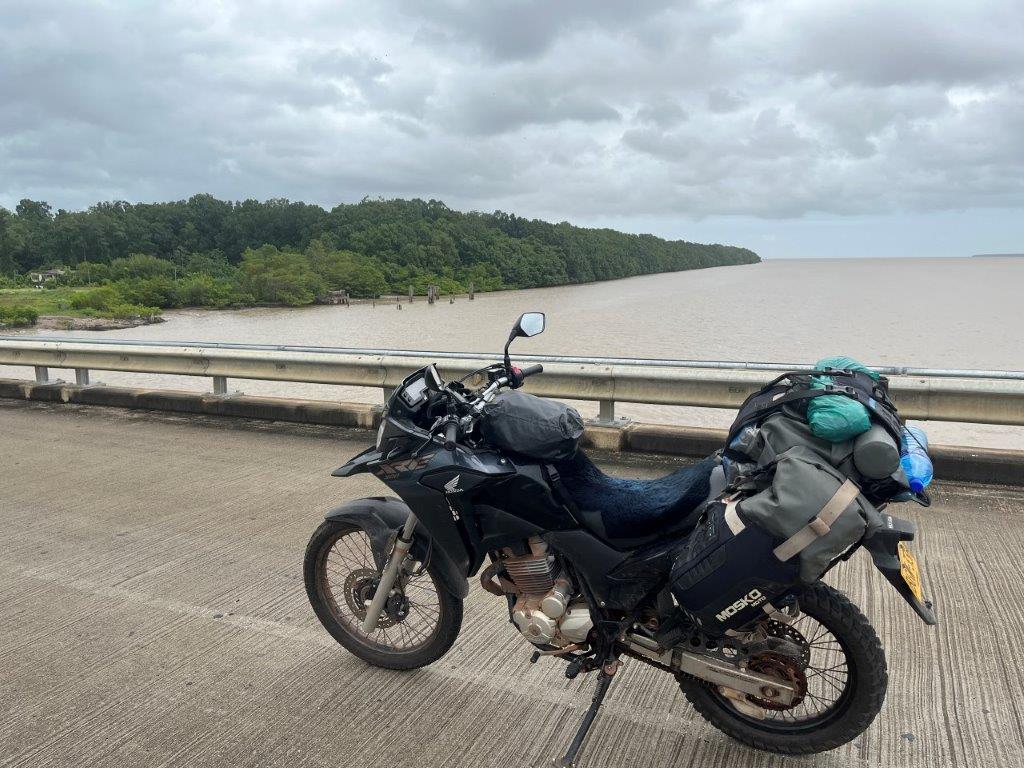
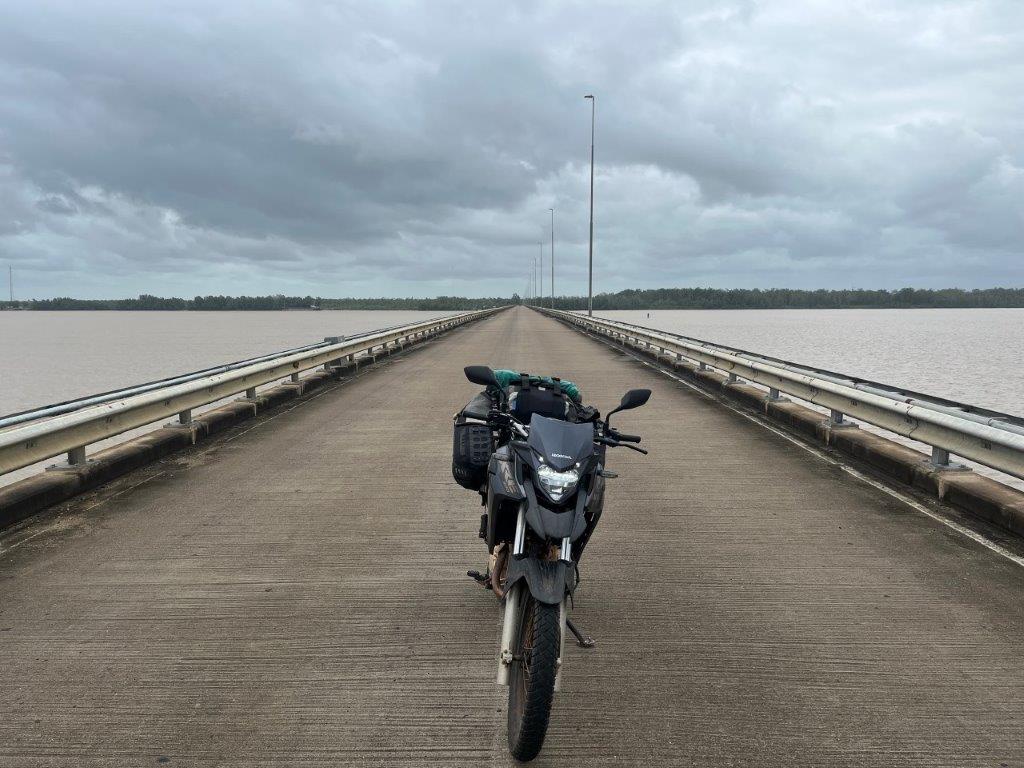
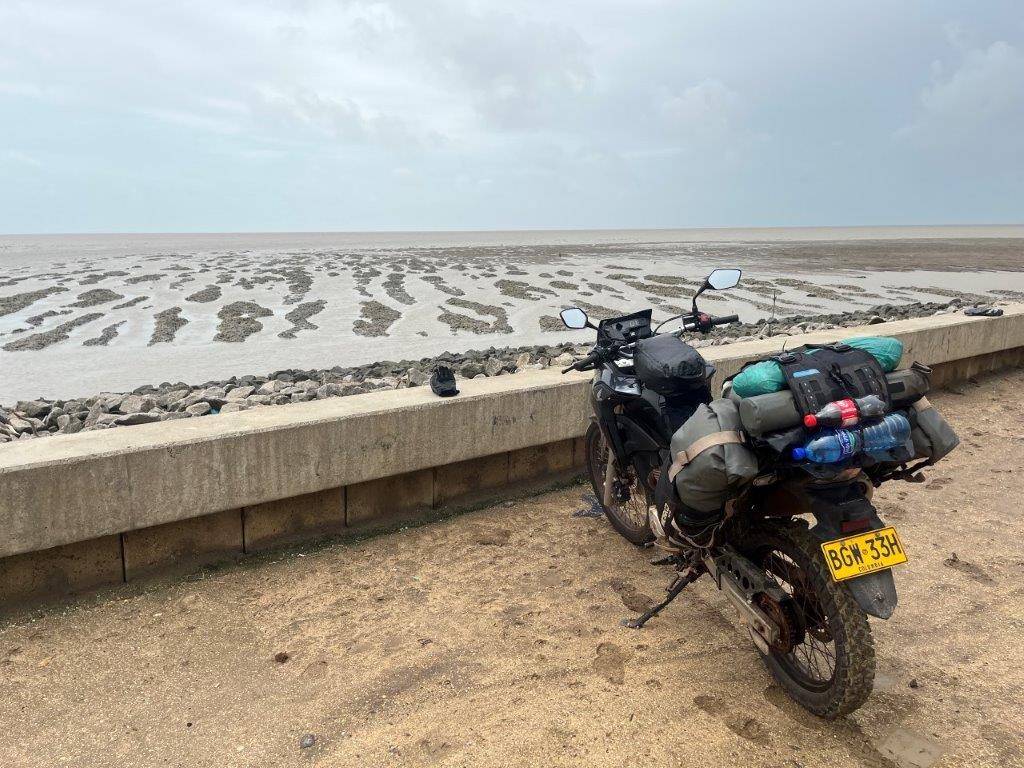
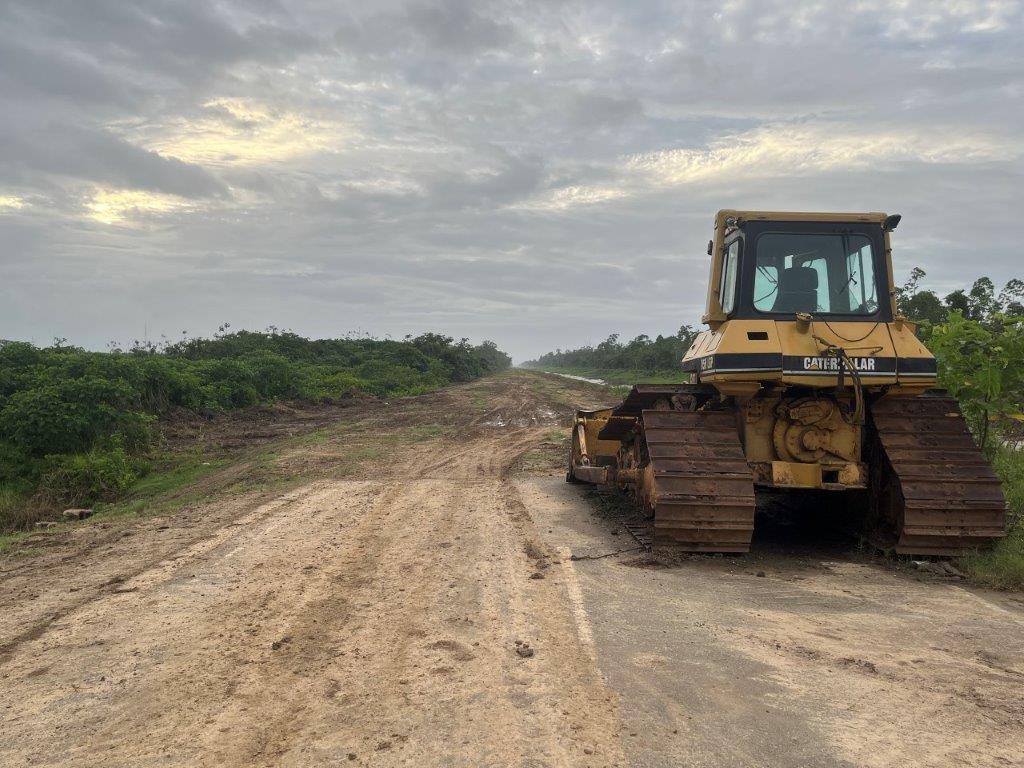
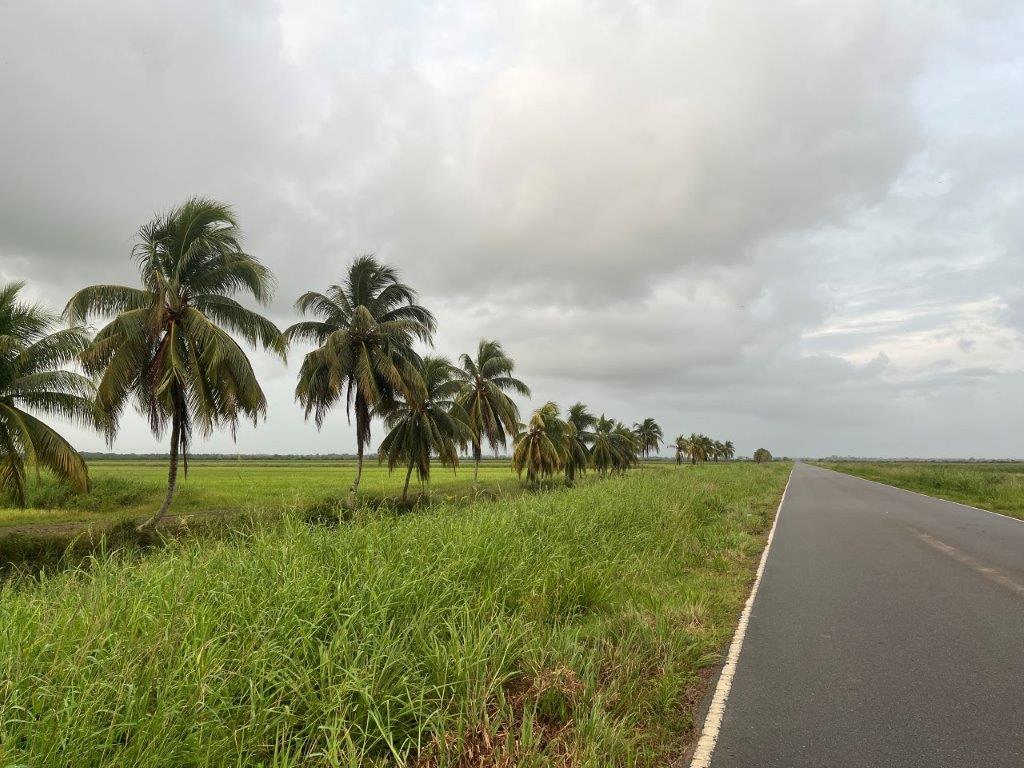
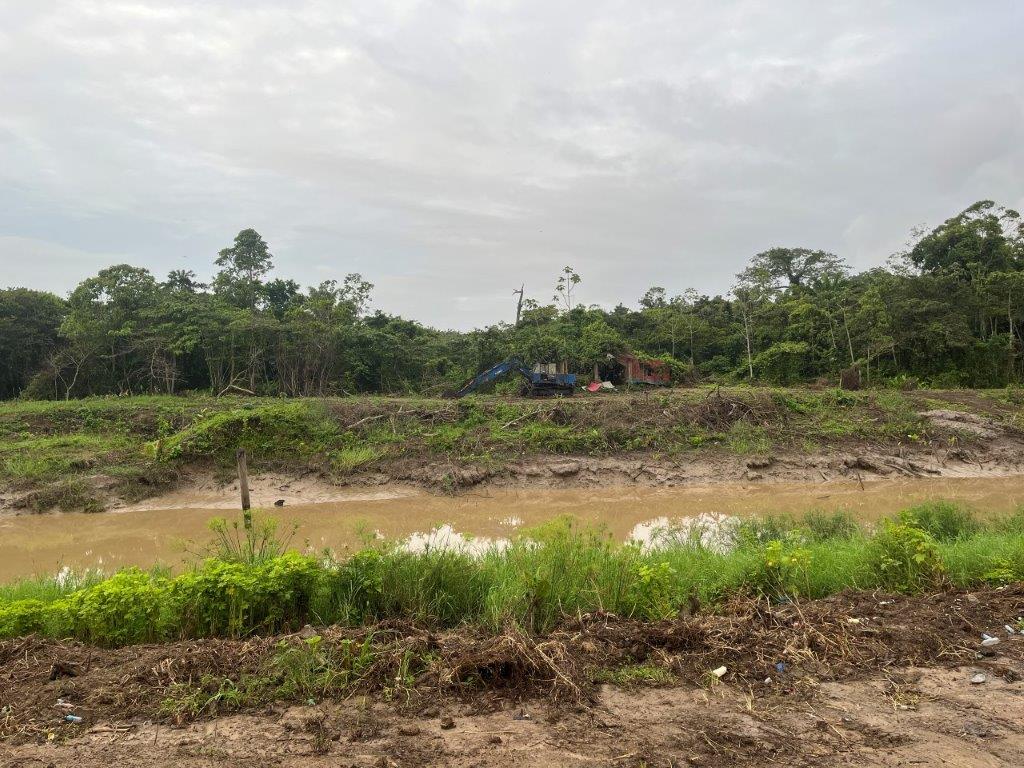
It was a nice ride, and I stayed dry. Lots of jungle and river crossings. I found it interesting how the vines were trying to reclaim the road signs. And some cows. No jungle wildlife. I could see from the map that I was following along the Caribbean coastline and thought it was strange that there were no towns on the coast. I saw a crappy dirt road heading north and only a few kilometres long and so I went for a ride. The joy of having a good off rode bike. There were a few scattered dwellings and a canal and some fishermen and boats but it didn’t take me long to see why there were no towns along the Suriname Caribbean coastline.
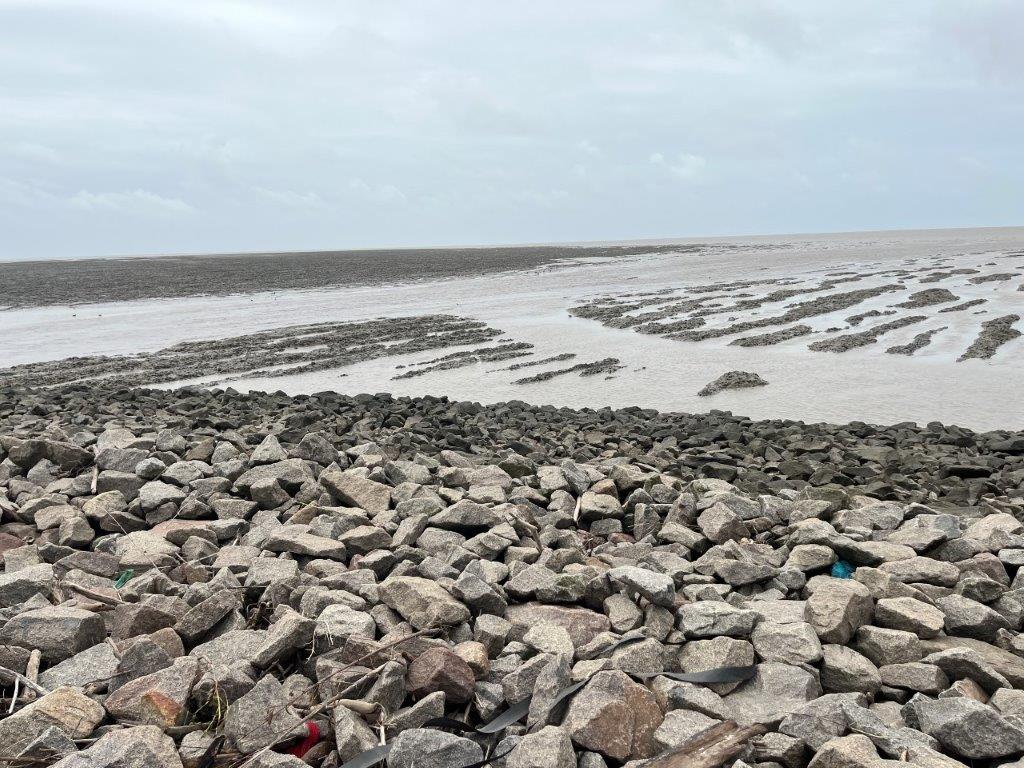
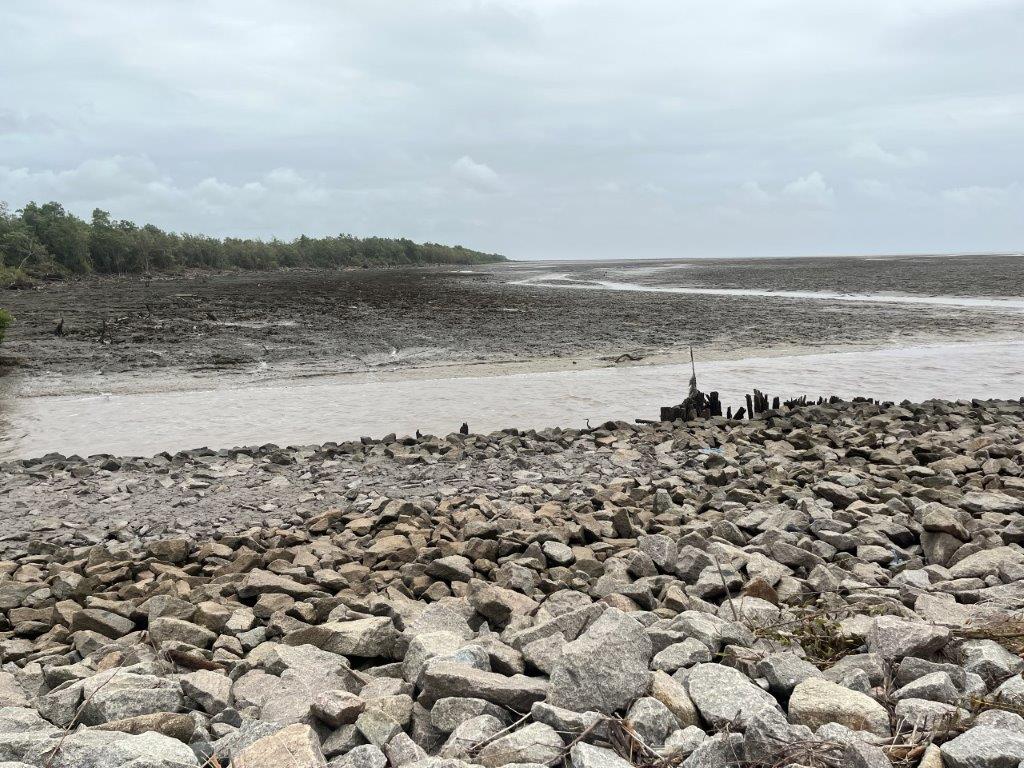
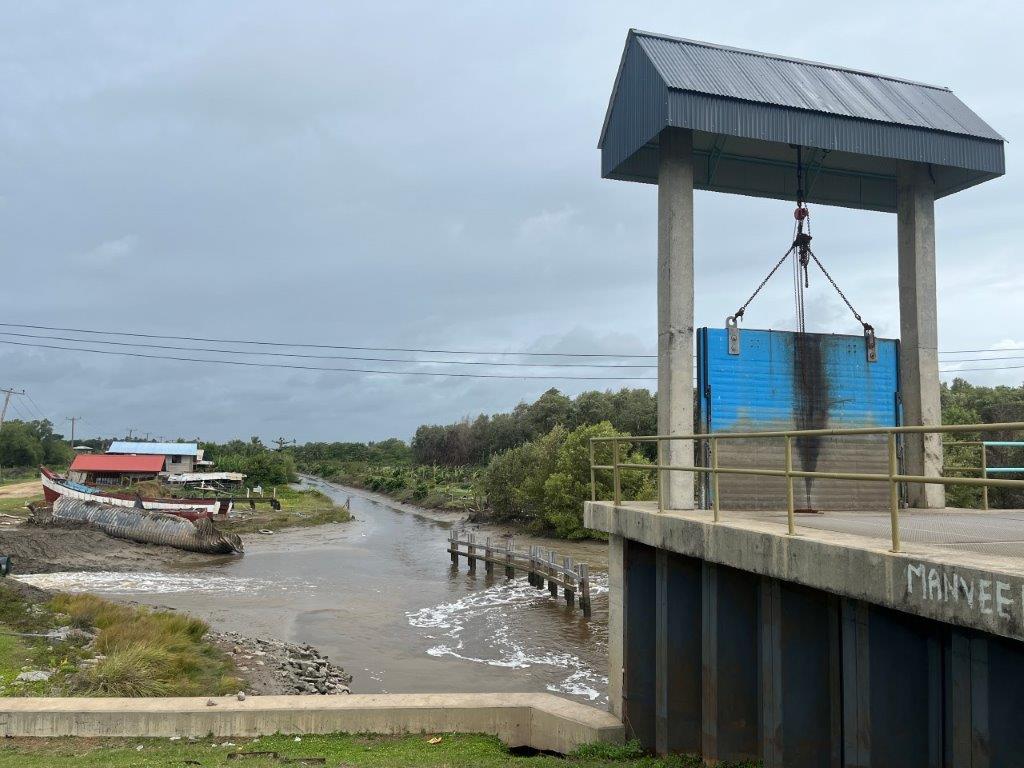
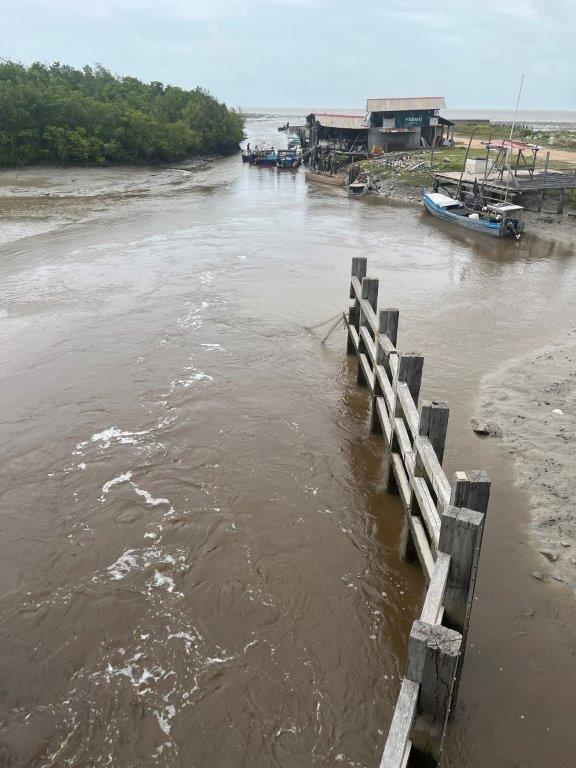
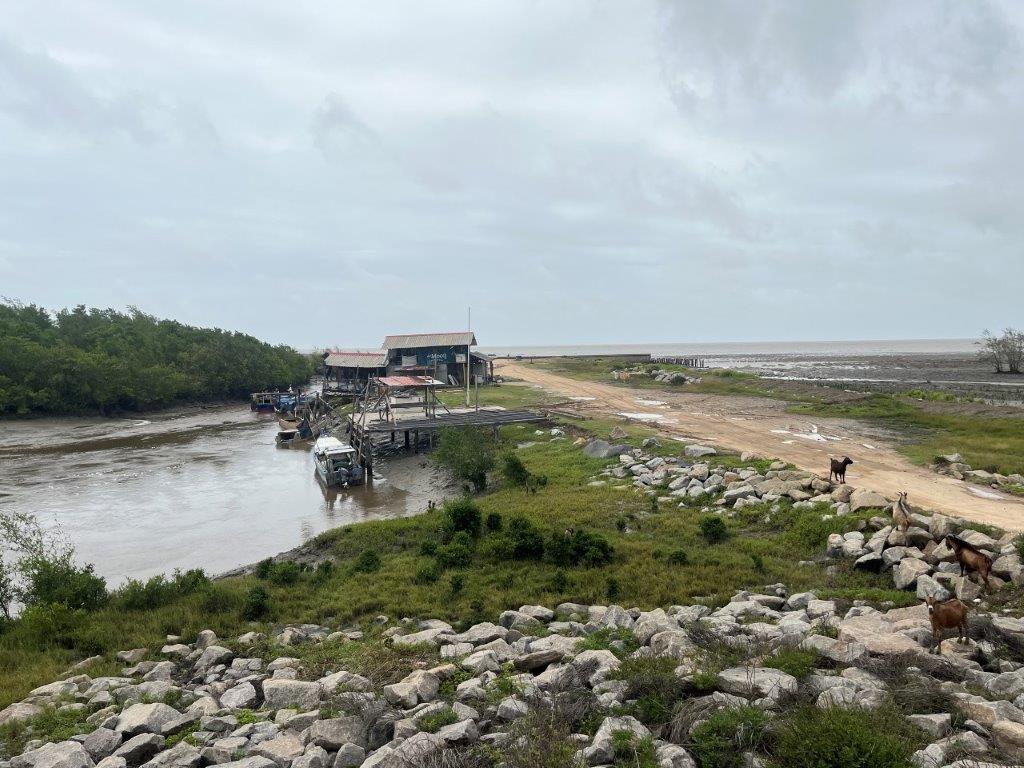
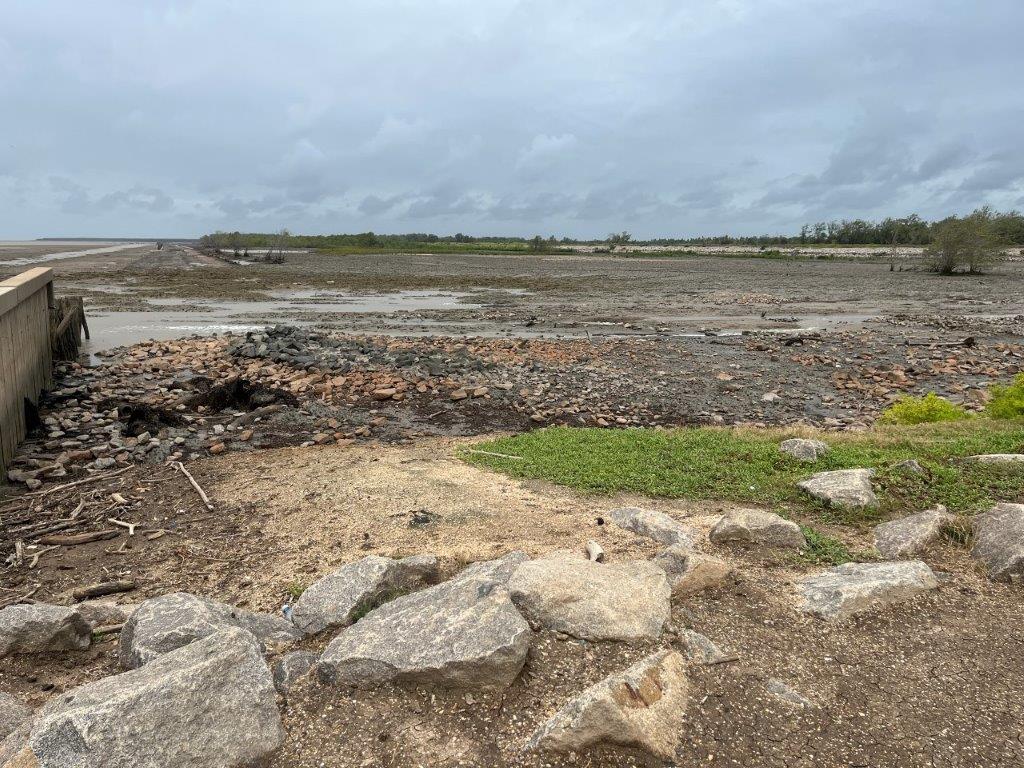
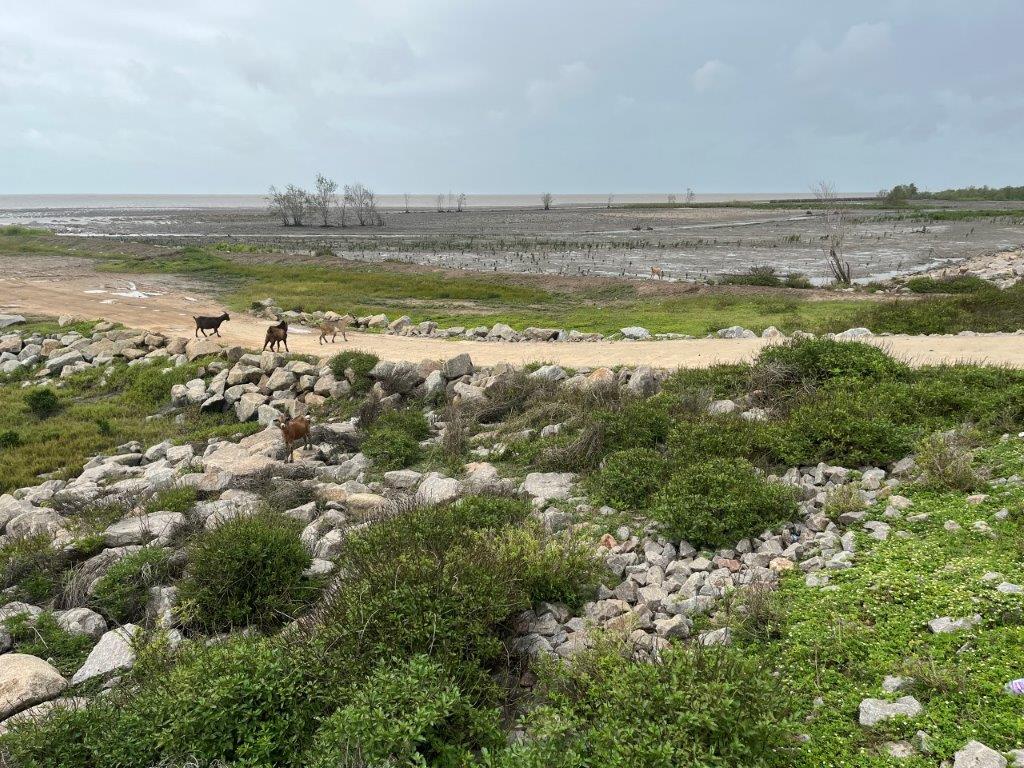
I found a nice motel which was a good price, had undercover parking for my bike, and didn’t mind me leaving early in the morning. I wandered around the town which wasn’t overly exciting and had a roti and curry which were okay. I seemed to be the only tourist in town. On the way into town that afternoon I was passed by a motorbike that was absolutely flying. I was sitting on 100kph. It came out of nowhere and disappeared even quicker. I would later find out why.
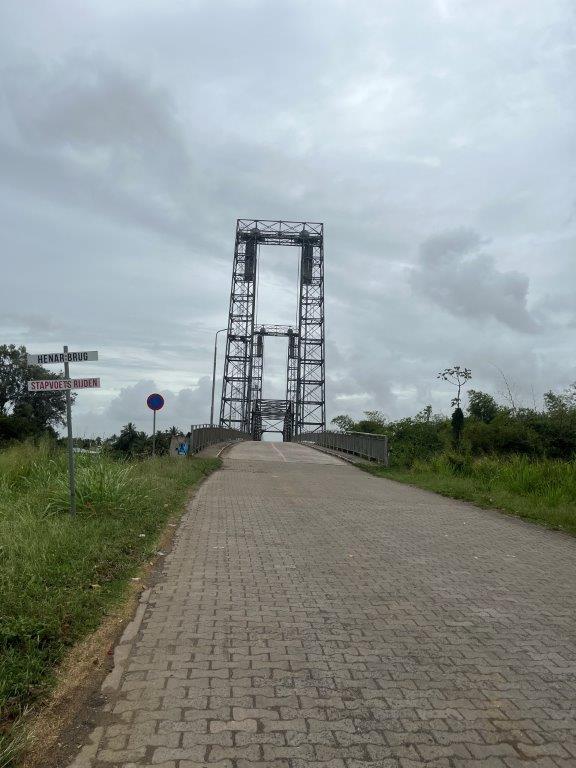
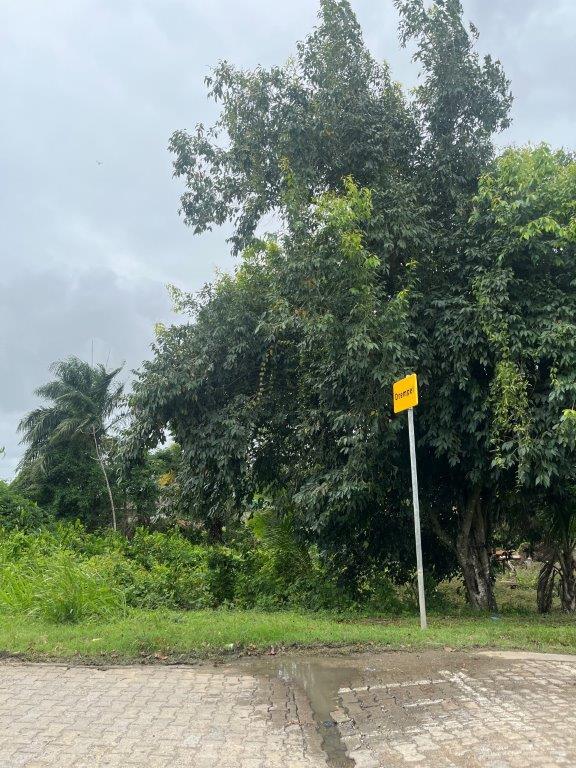
Next morning I was up early and found myself riding alongside a drain. I guess that wasn’t surprising since my destination was South Drain. I came to a tee intersection and there was a road to the right and the jungle to the left. I went right after a photo stop.
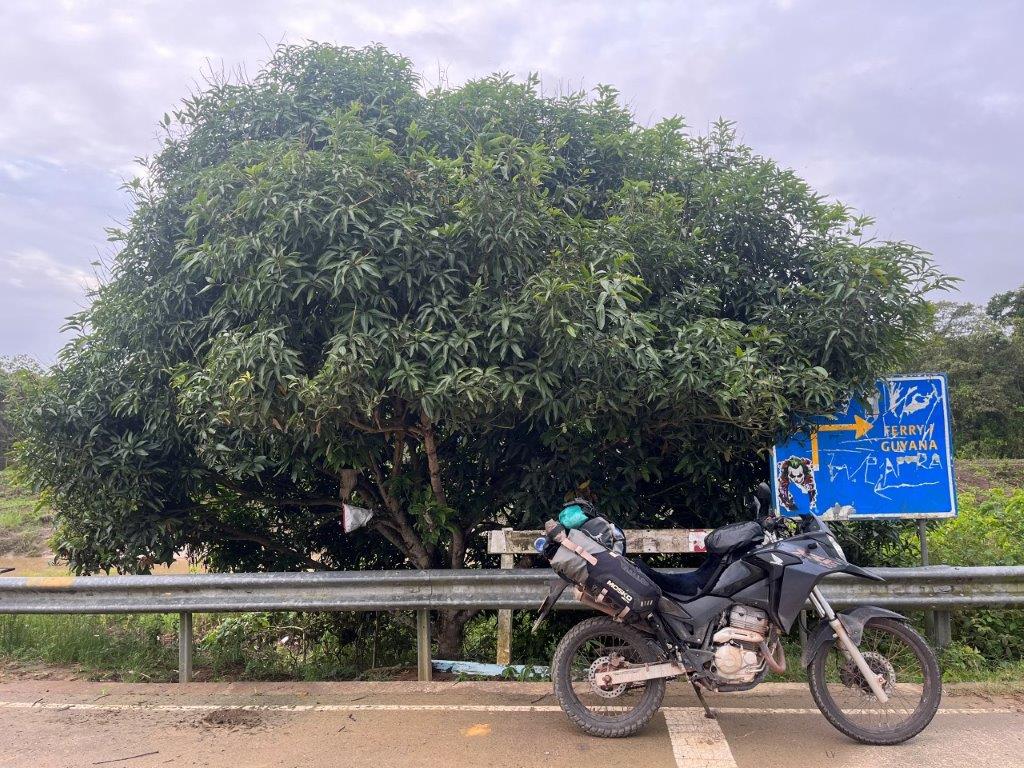
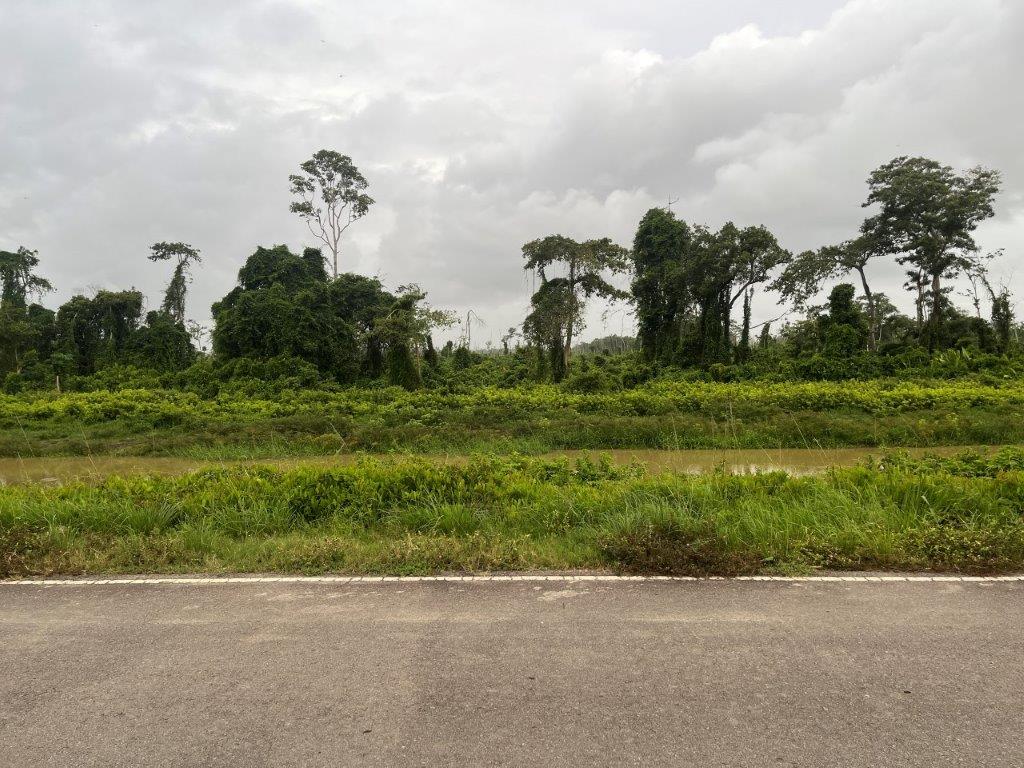
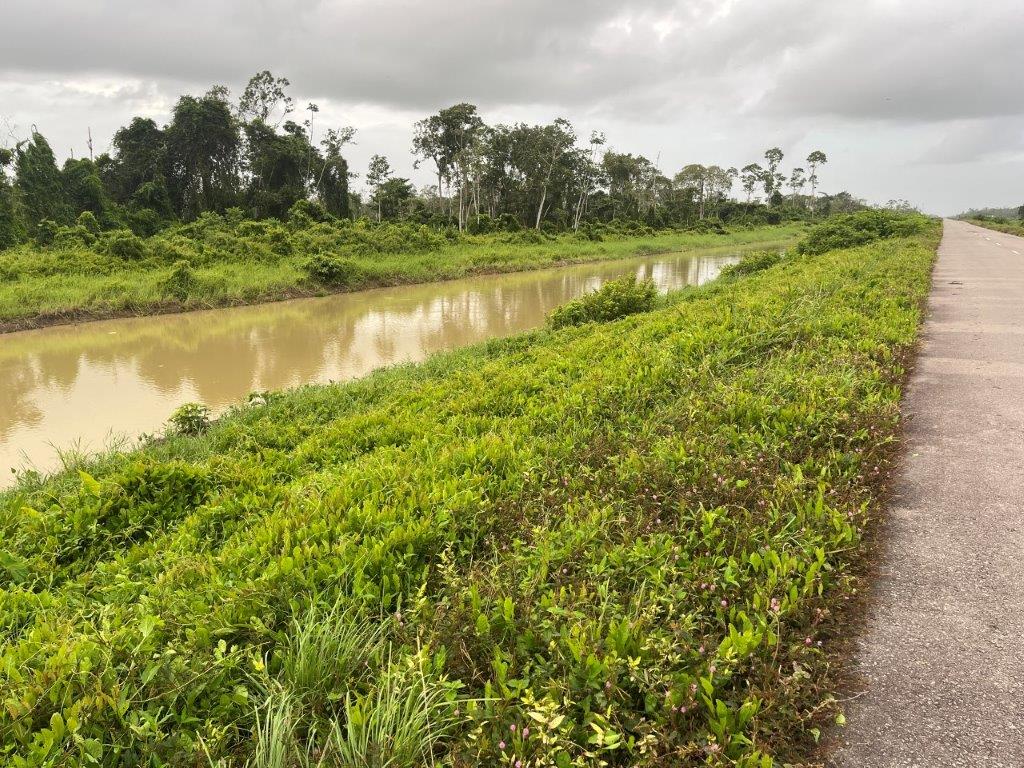
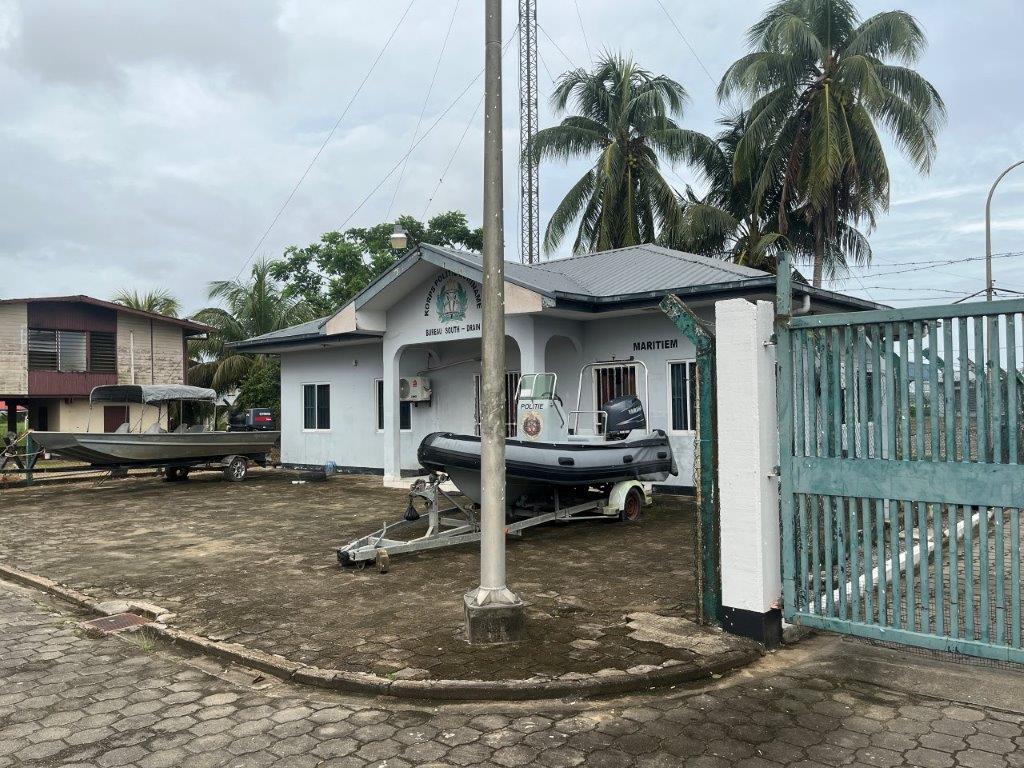
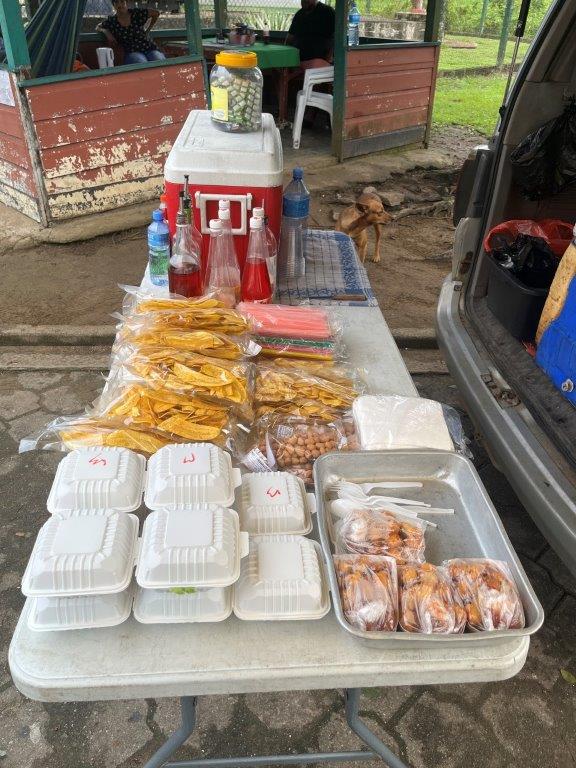
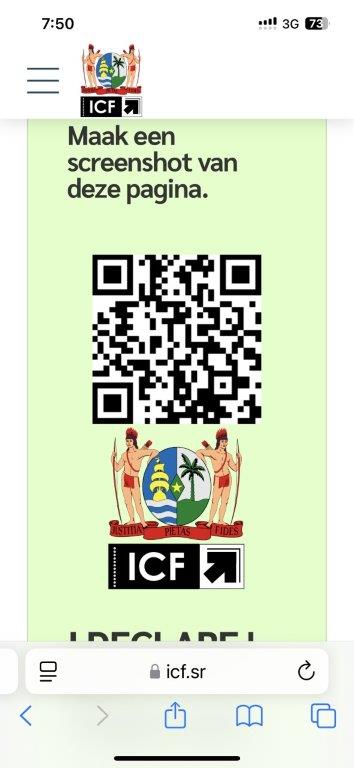
I rode into the Canawaima Ferry Terminal and there was already a queue of a dozen cars. I just rode to the front and parked my bike. The terminal is also the immigration post for departing or arriving in Suriname. The country of Guyana was a half hour boat ride across the river. You couldn’t see it from Suriname. There were a couple of buildings and a shop on the back of a small van. I bought some breakfast off the van guy who was also one of the money changers and changed a few Euro so that I would have some money for when I crossed into Guyana. He was also helpful with immigration information. I had to do an online form on my phone which I didn’t know about but was grateful to find out about and complete.
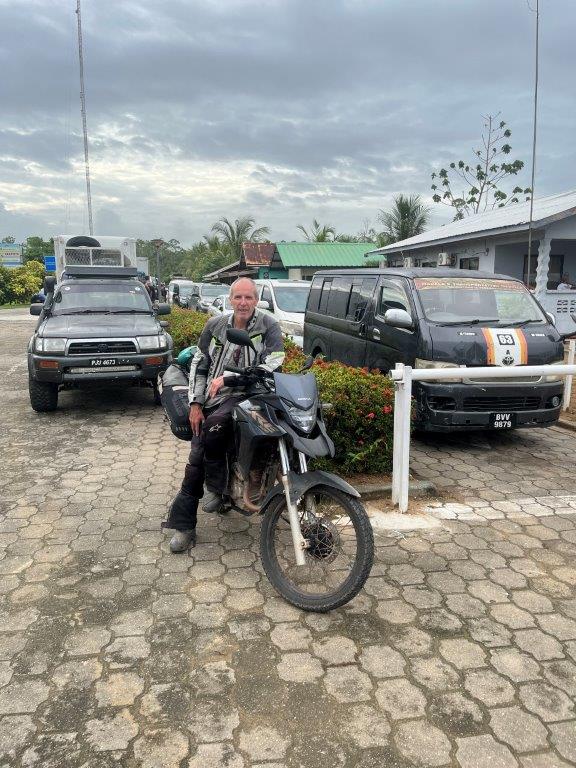
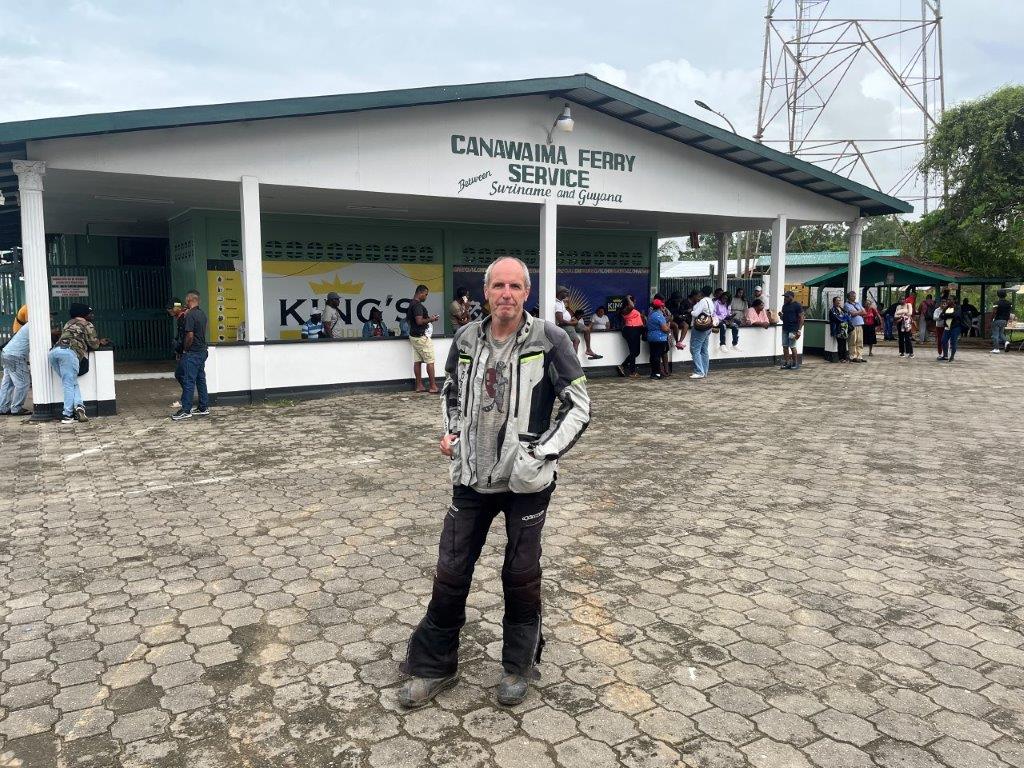
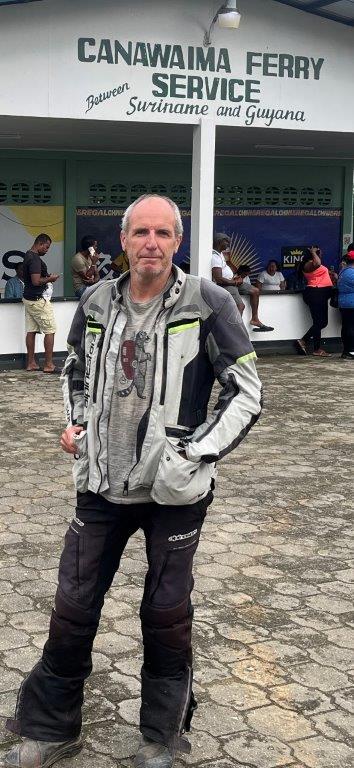
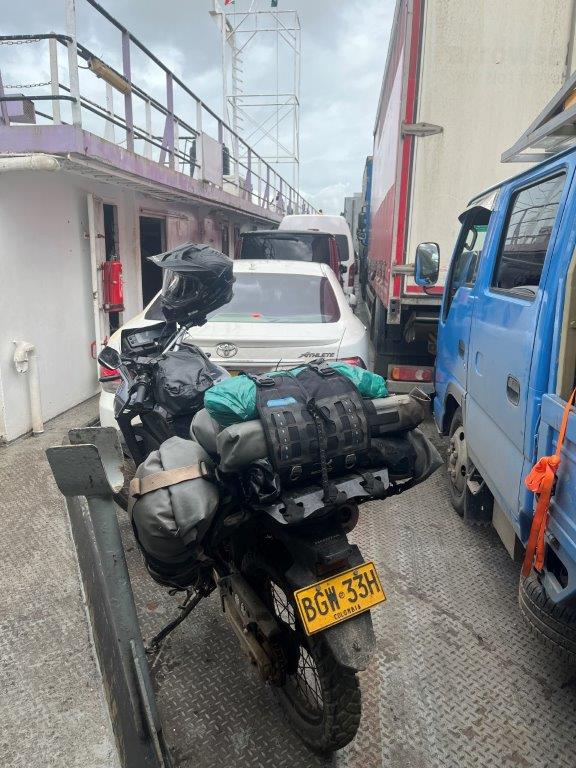
As I was waiting another bike turned up. It was two things. He was the first bike rider I had ran into since the ferries down in Patagonia and he was also the bike that had sped past me like a rocket the day before. He said he was in a hurry to get to the ferry the previous day because he needed to get to Guyana that day to meet a girl? Unfortunately for him he missed the ferry but fortunately for me it turned out to be an interesting encounter. And his bike was pretty cool. He was an American who had been doing a similar trip to me. We got on really well. Super interesting guy. It was nice to cross a border with someone else for a change. And to speak English.
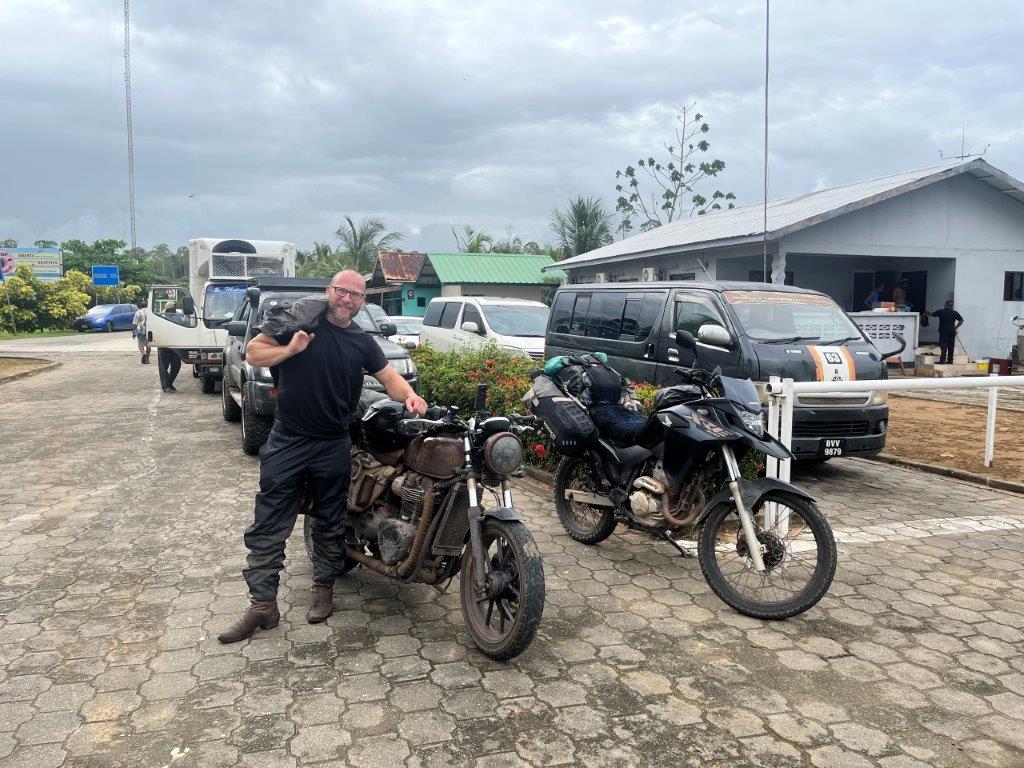
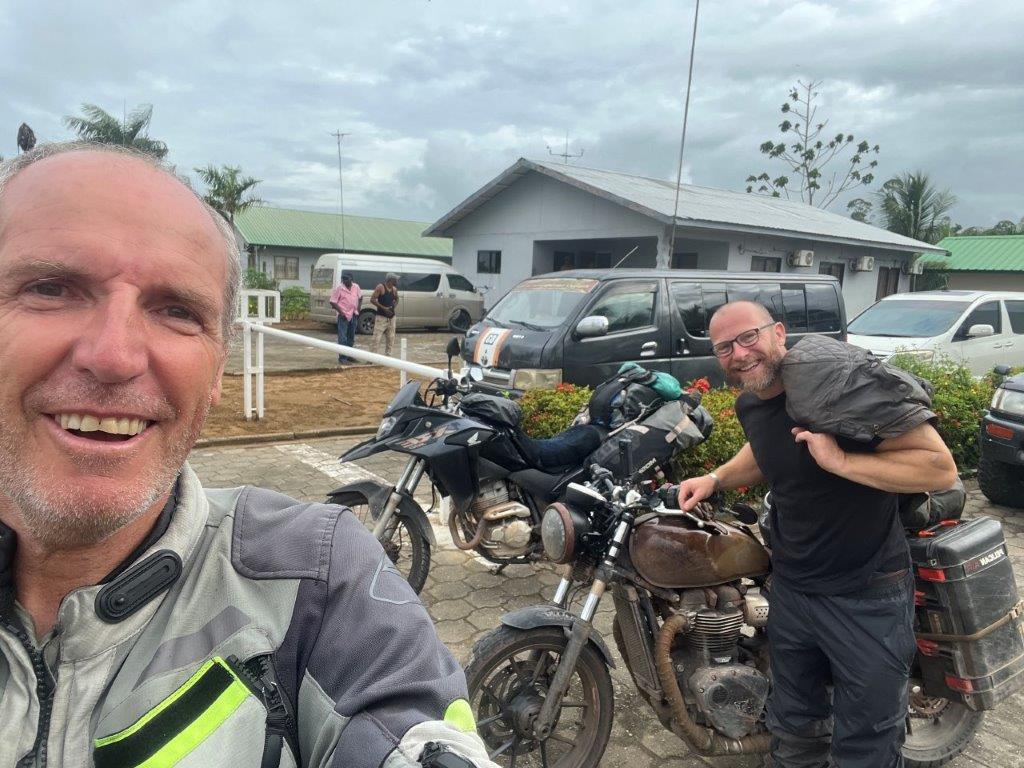
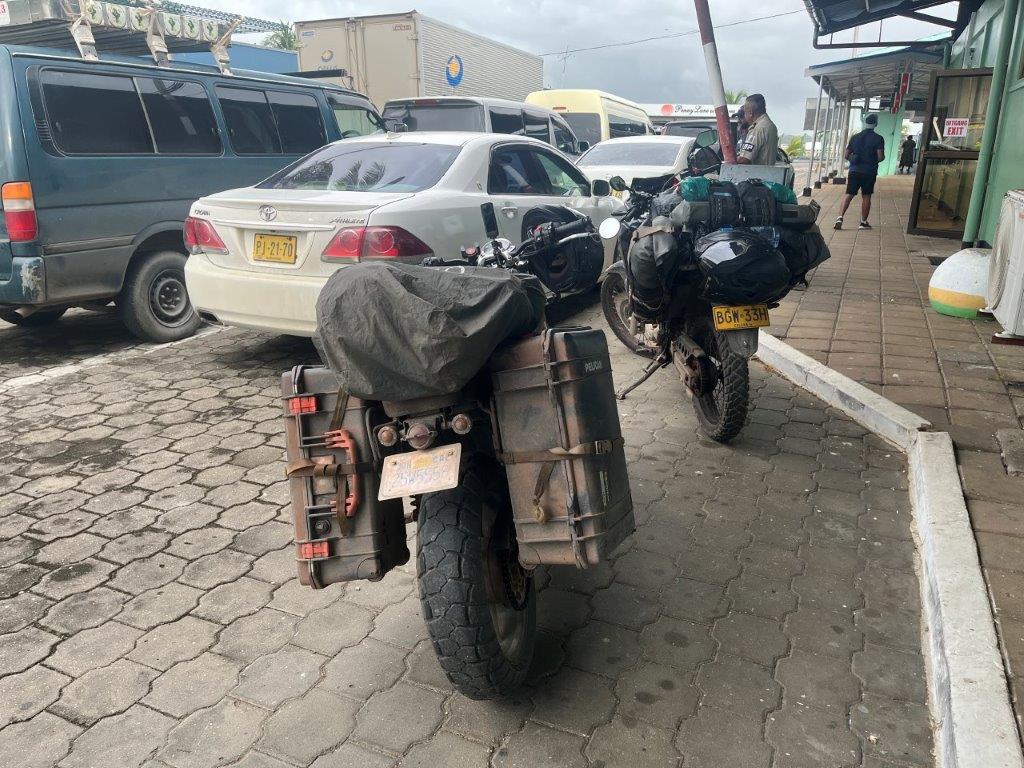
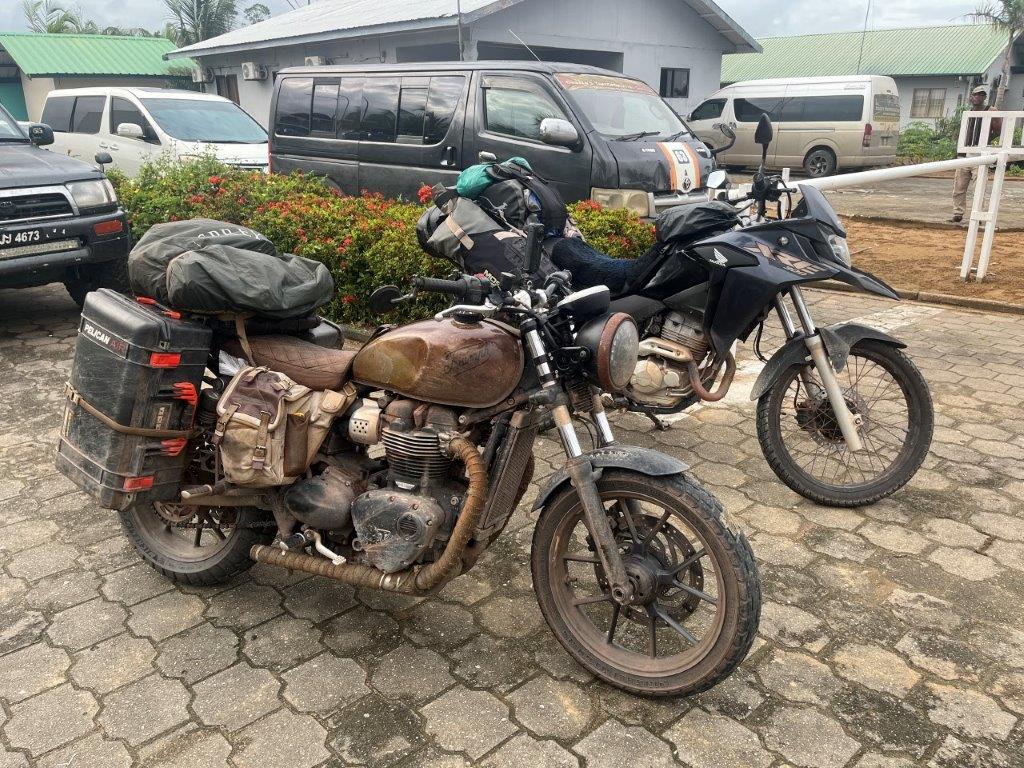
As we waited in the line we were asked for our documents, including our yellow fever cards. The immigration guy somehow got distracted and we just rode through without needing to show it to him (but we weren’t so lucky on the other side of the river though). It took less than an hour and we were called onto the ferry. It was big enough and well packed, to take most of the vehicles in the queue. All the people boarded just before departure. There seemed to be a lot of them. It was a smooth crossing and we chatted away and also met a Canadian woman who was going in the same direction as us. She was sort of hitch hiking? A bit different but pleasant enough.
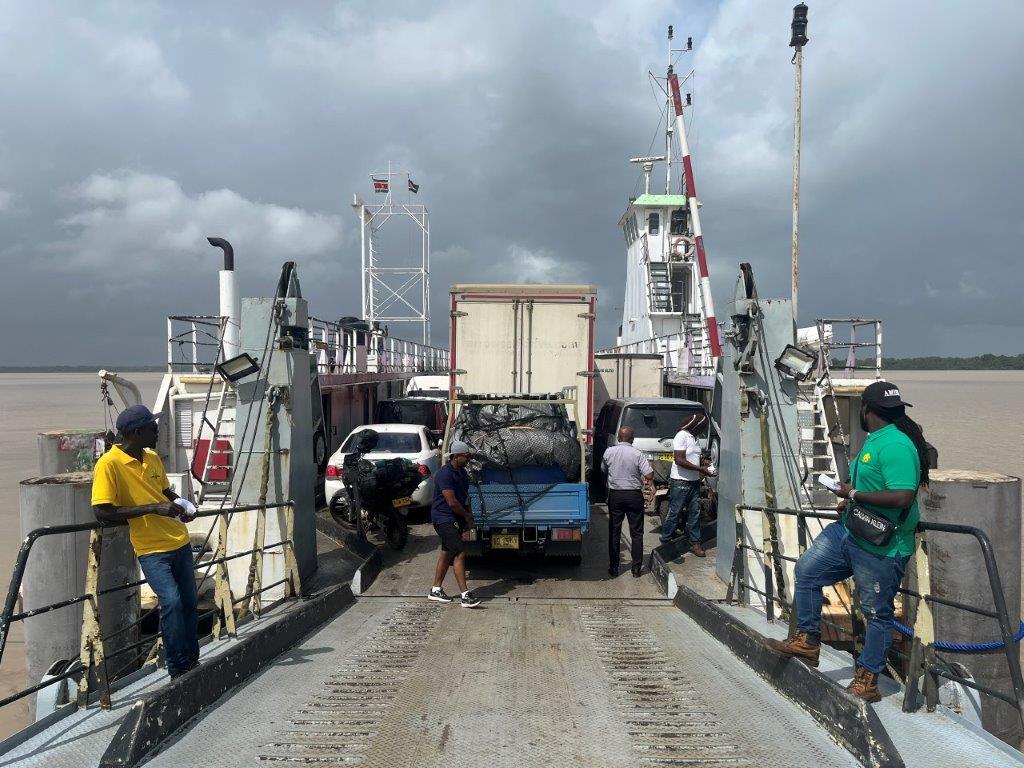
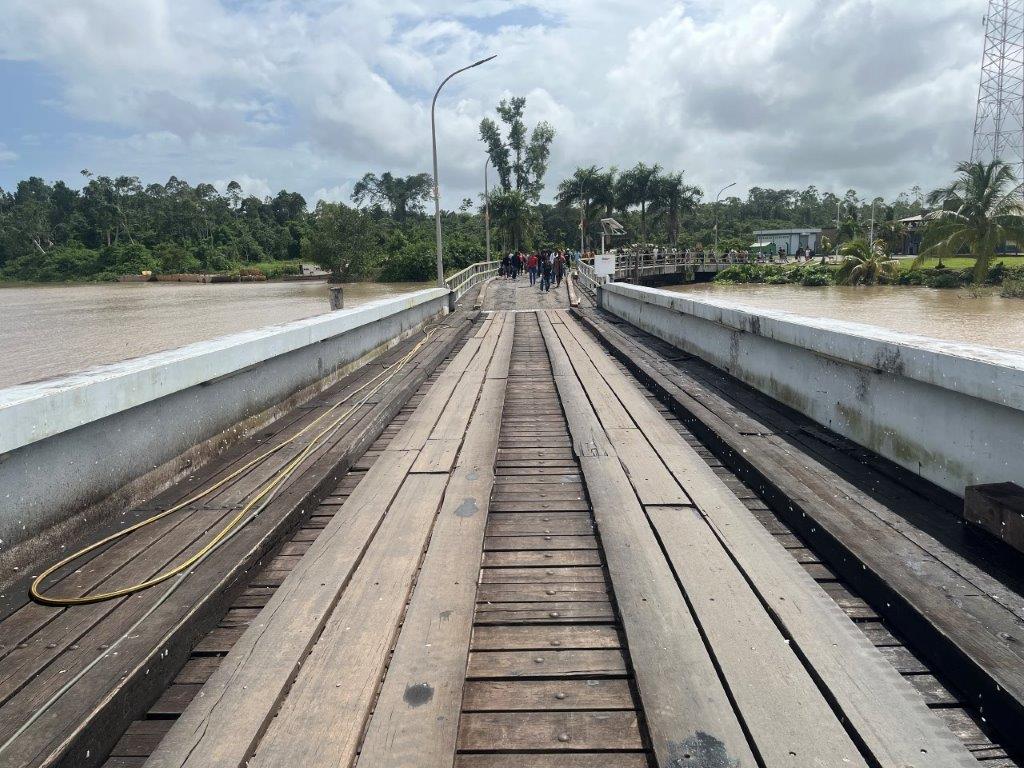
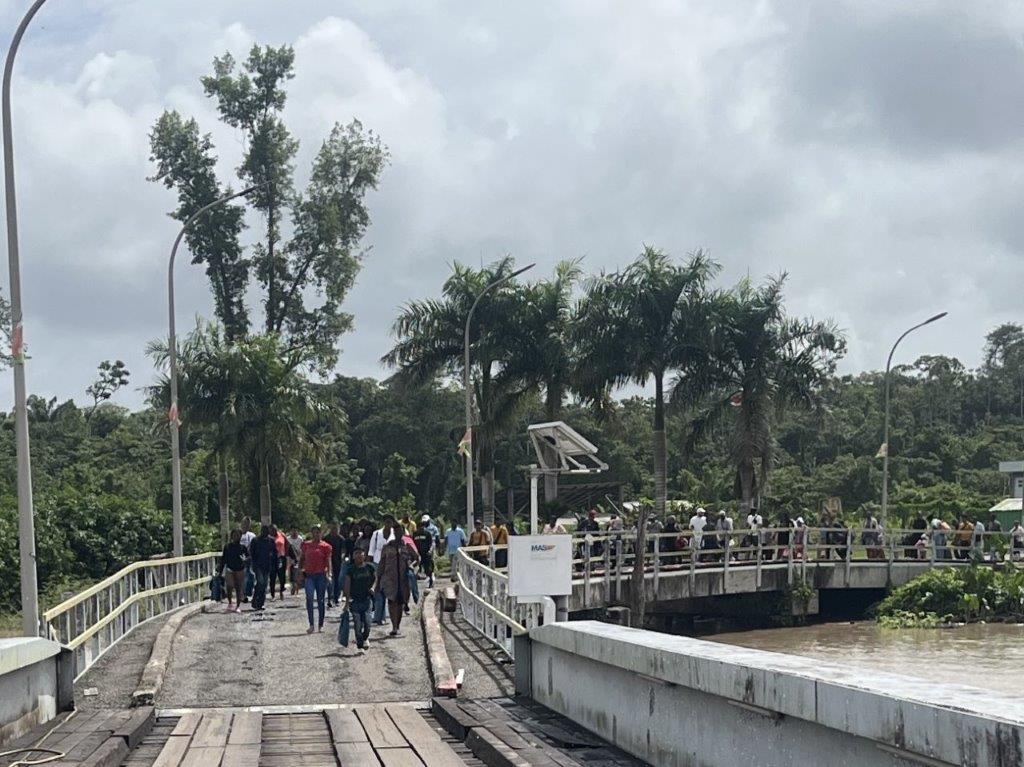
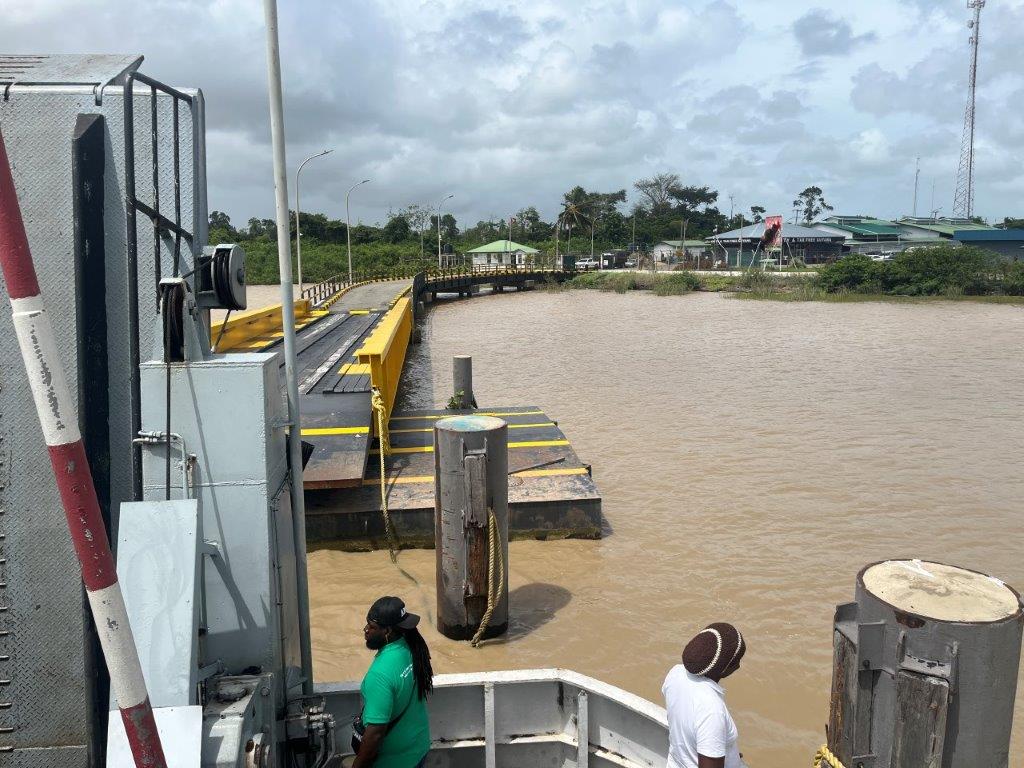
I took a photo of us coming into the Guyana Ferry Terminal/Immigration, not because it was interesting but because the workers had dreadlocks and it reminded me that despite being in the jungle I was actually in the Caribbean. Something I often forgot.
 Gotaway