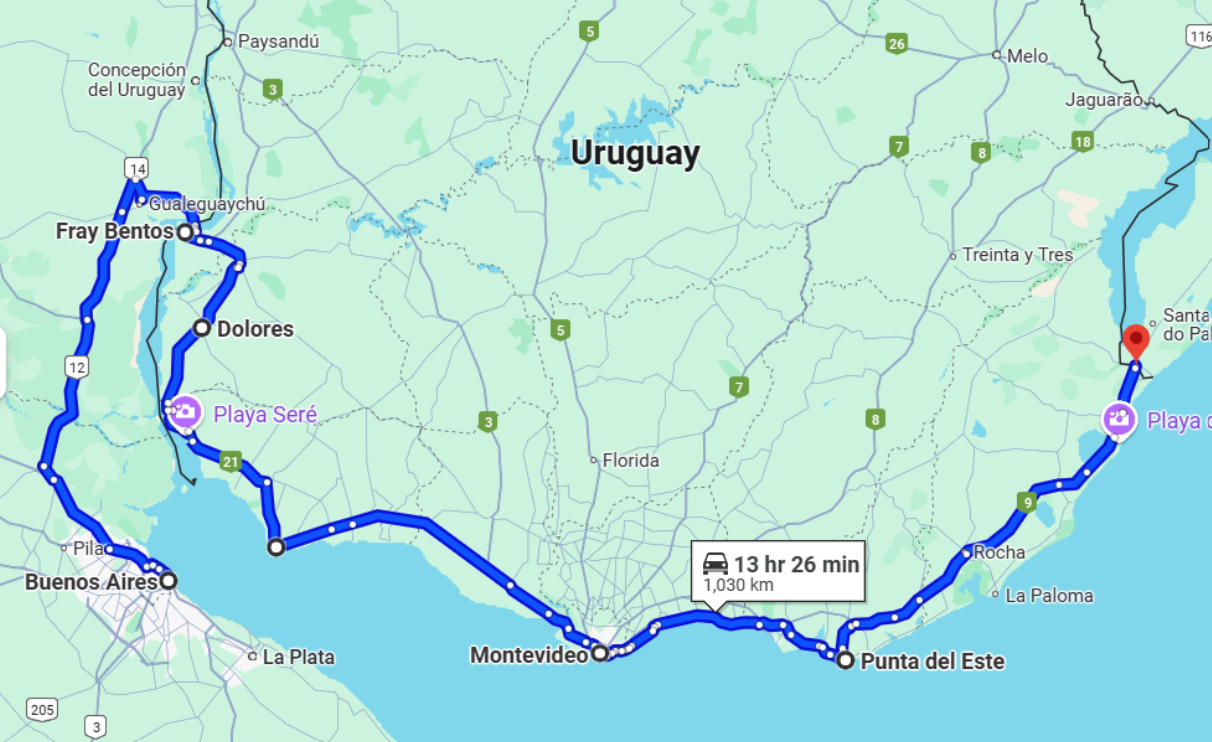
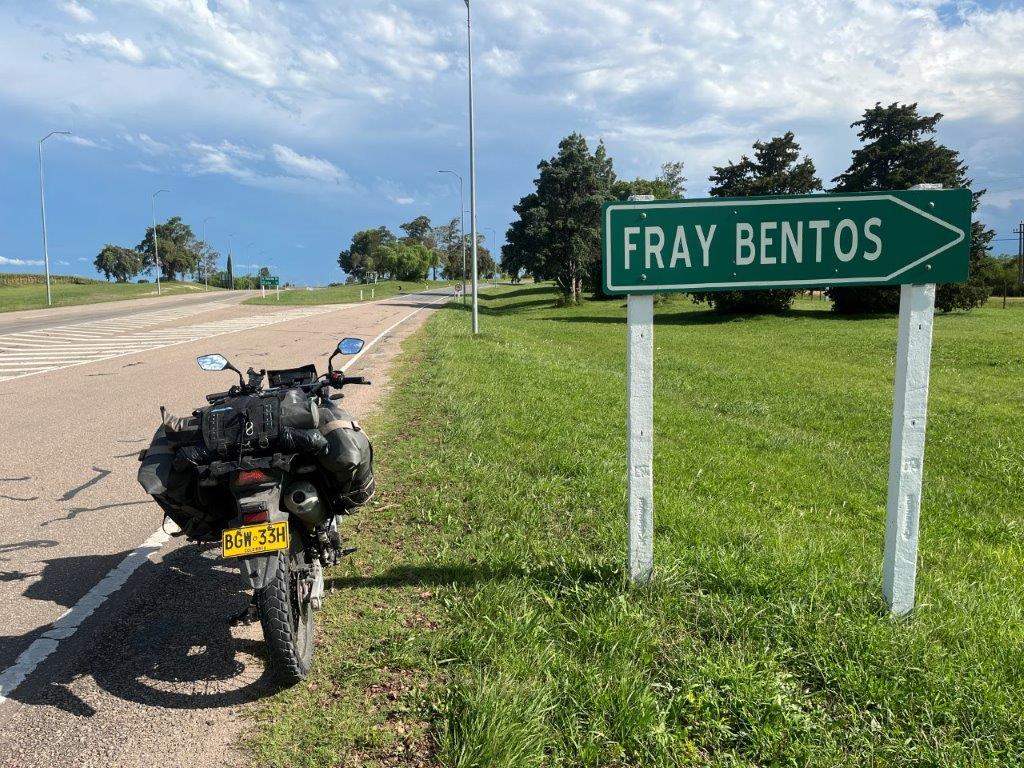
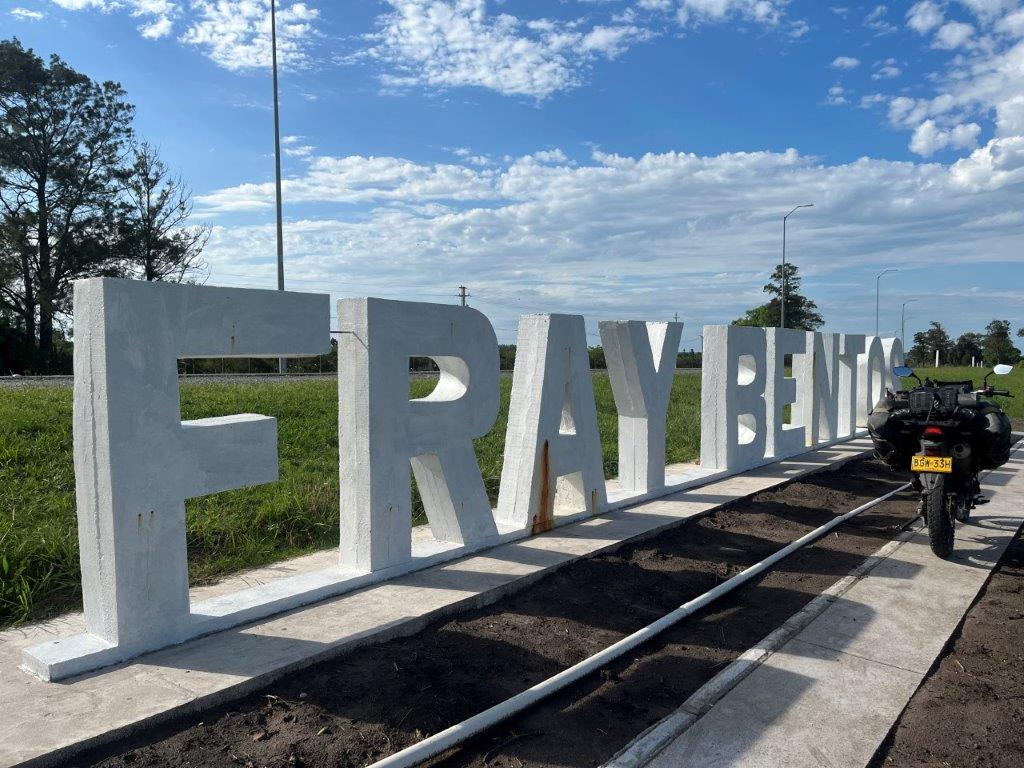
I realise you are all still in awe of Fray Bentos but here’s a bit more about it. I already mentioned that I came up via Argentina instead of crossing over to Uruguay on the ferry which is the normal way people do it. My plan was to spend about a week or so in Uruguay as I knew it would be an expensive country, and I had to keep moving along as I need to be up at the top of Brazil before the wet season starts up north in less than two months. So, I only got to see the southern coast but there wasn’t any big ticket items to see in the north or centre of the country so it didn’t feel too bad.
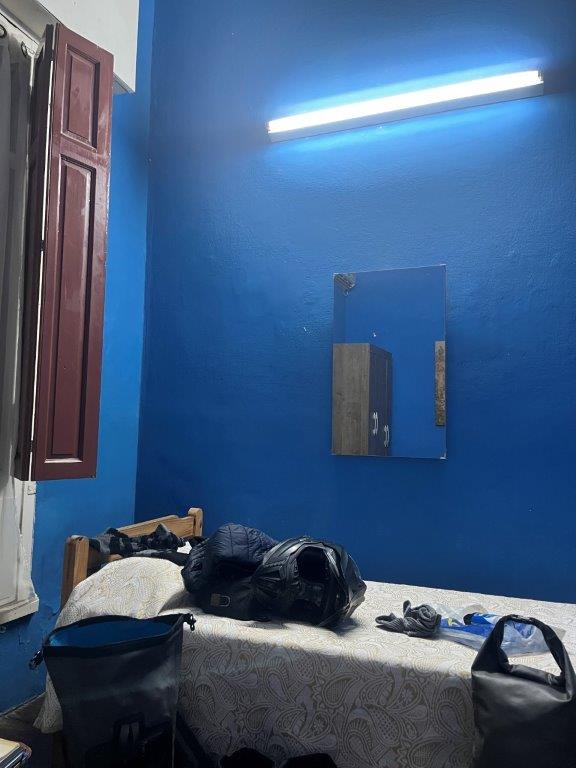
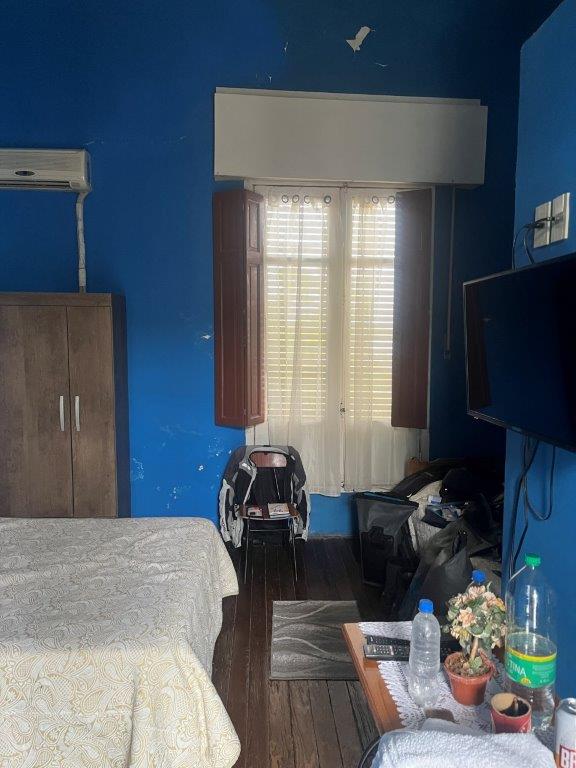
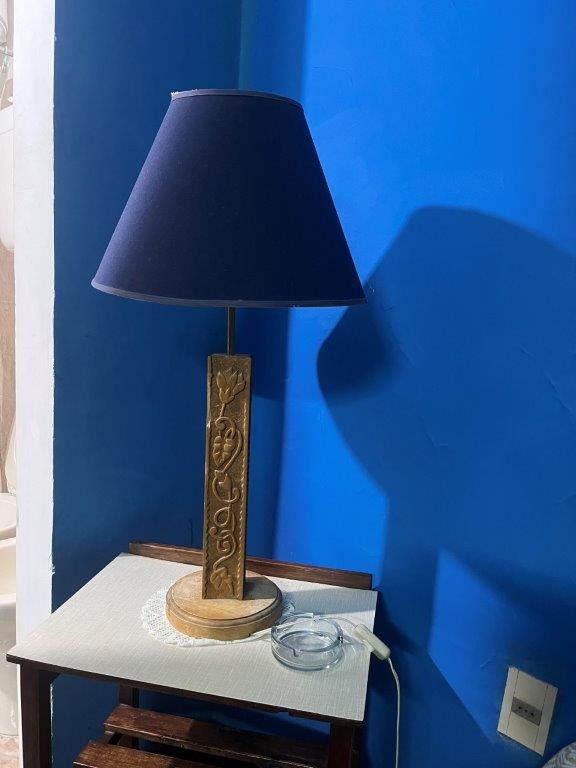
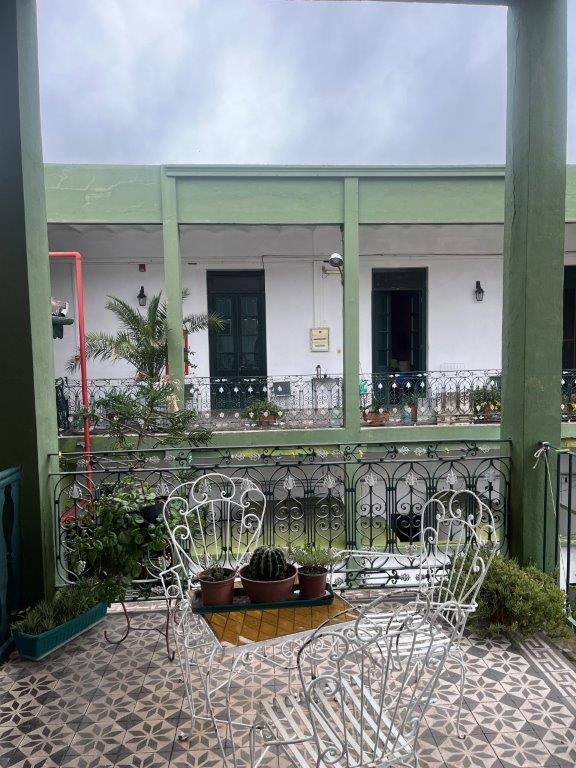
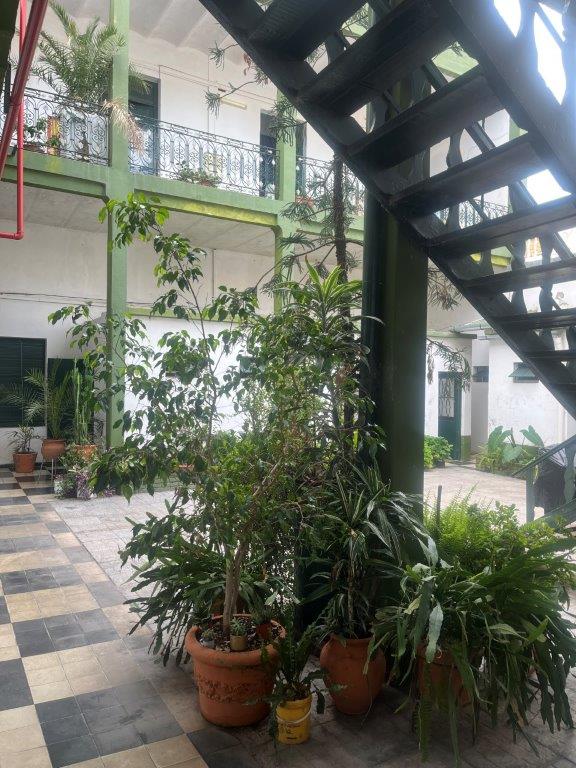
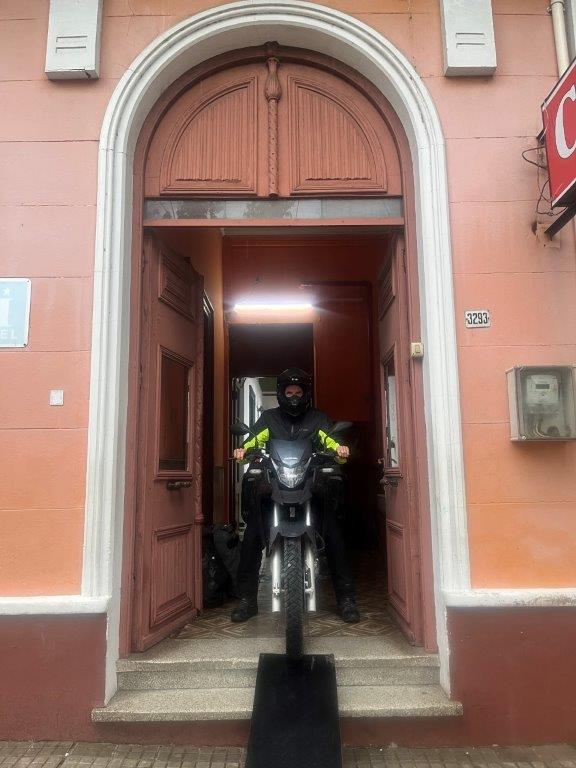
When I arrived in Fray Bentos, I stayed at a nice old hotel called the Hotel Colonial. I’m sure it was pretty flash in its day. It had no garage but a metal ramp that they place on the doorsteps to allow you to ride in through the front door and park in the courtyard which was great. It was $57AUD a night which I thought was pretty reasonable for the location in the centre of town. No breakfast but fast Wifi and an ashtray. Fray Bentos is a smallish town these days and was obviously quite rich back in the days of the Anglo Meatworks. You could tell that by walking around with nice parks and paths, especially along the river. It even had trains at some stage.
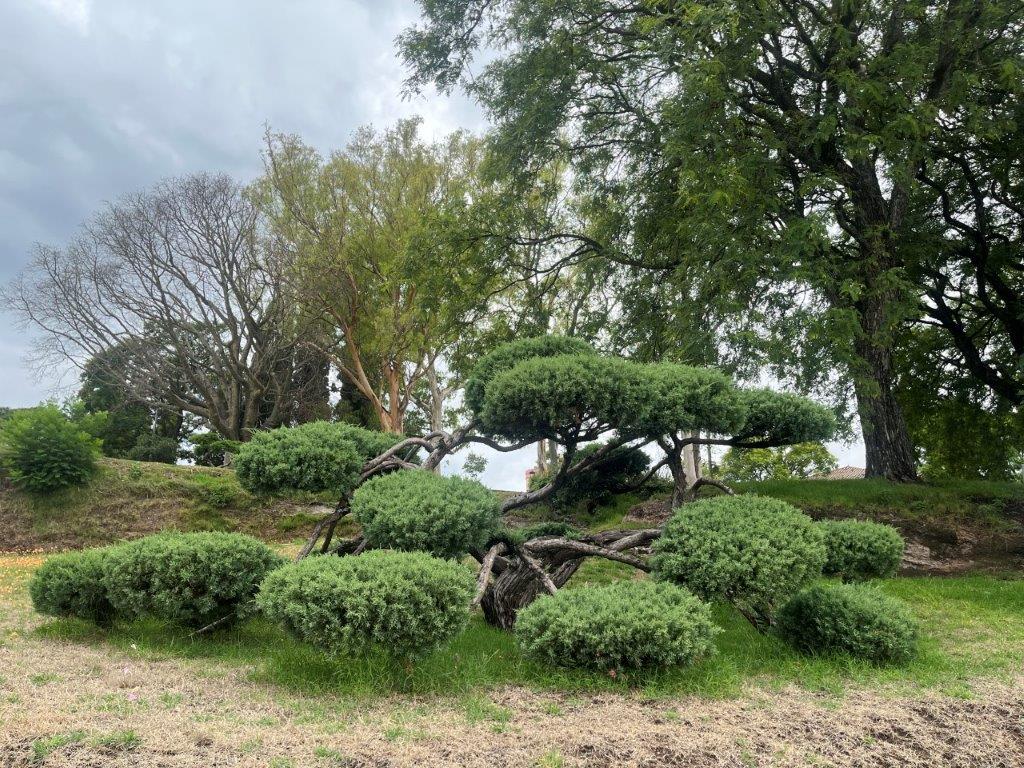
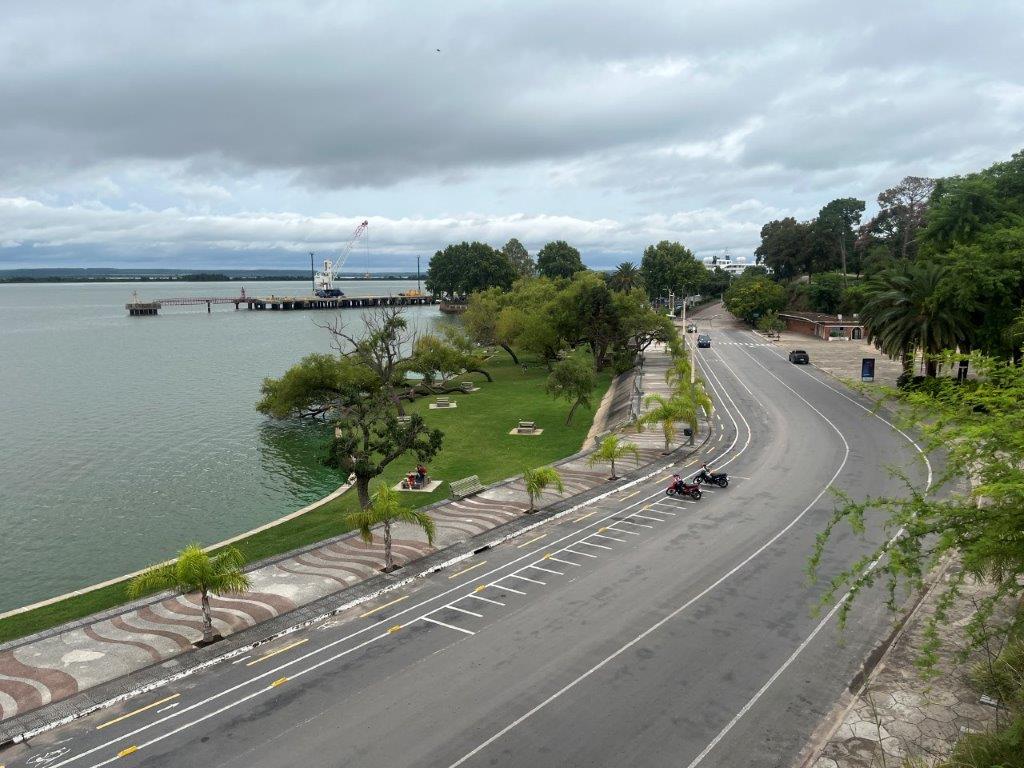
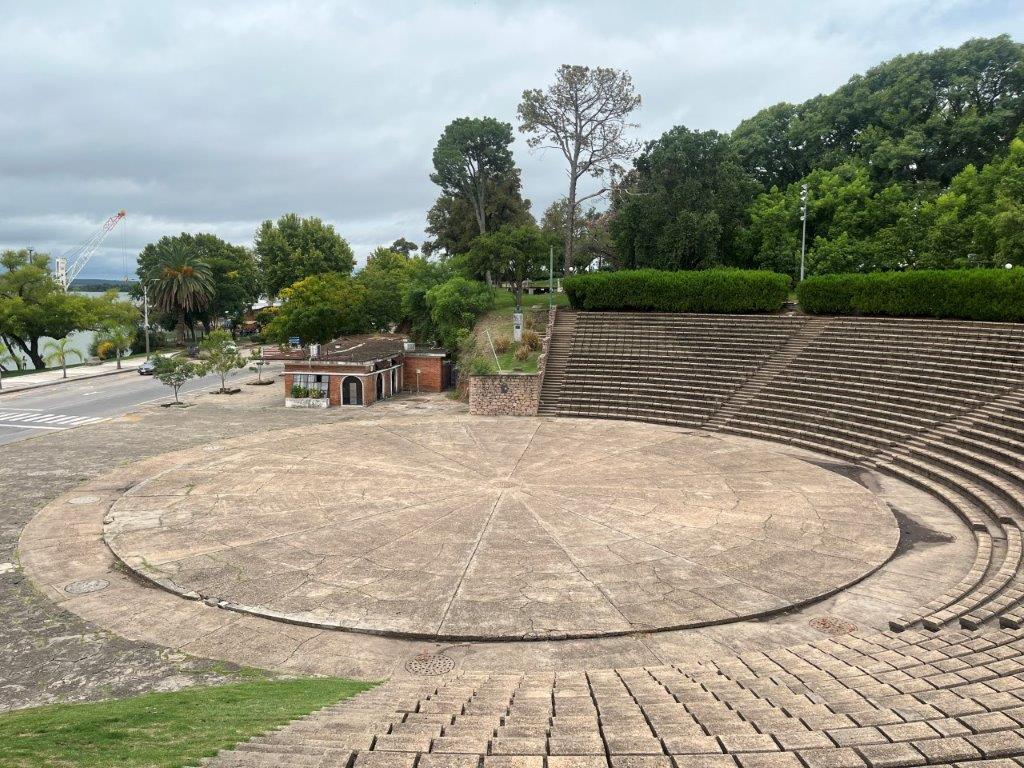
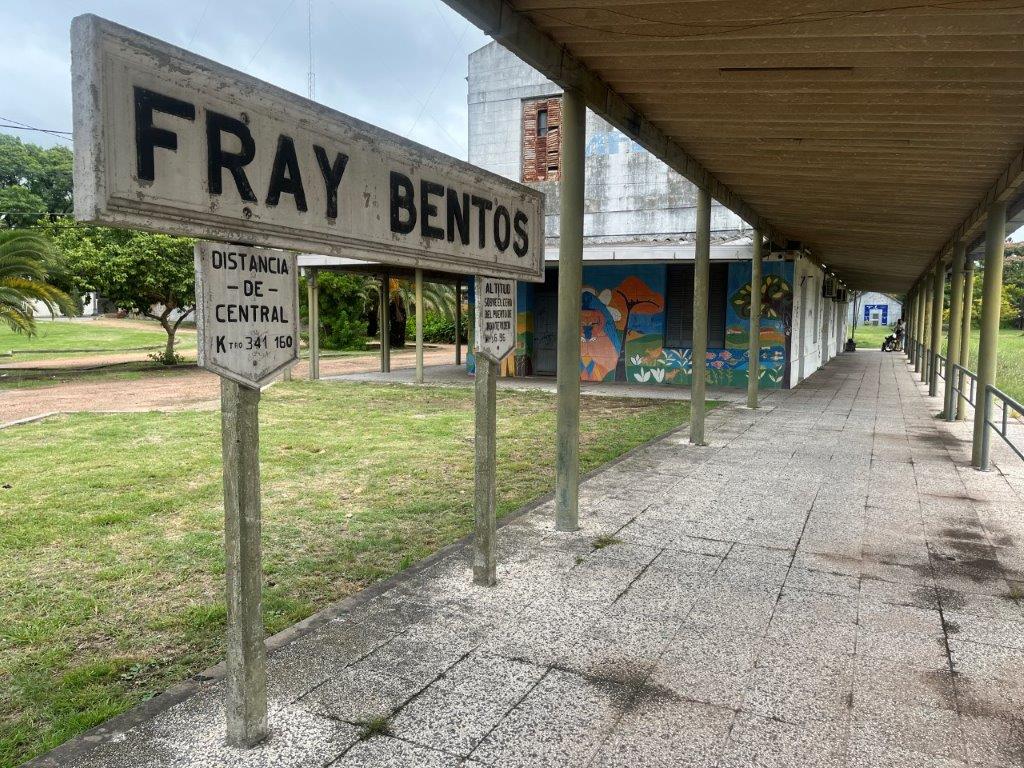
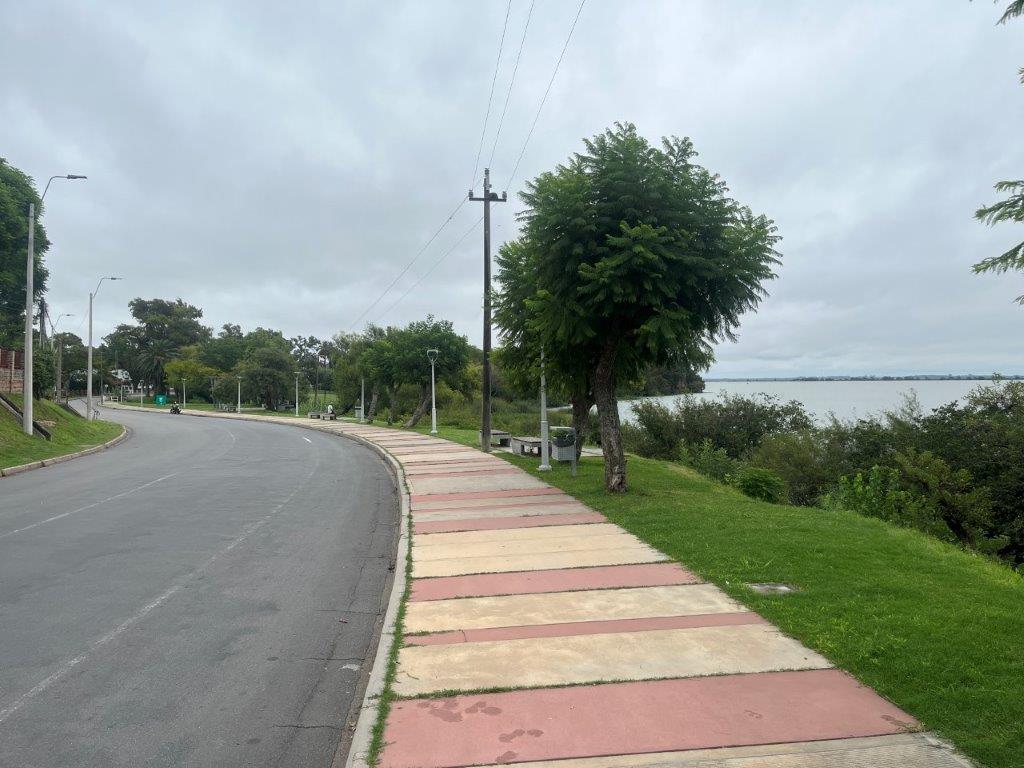
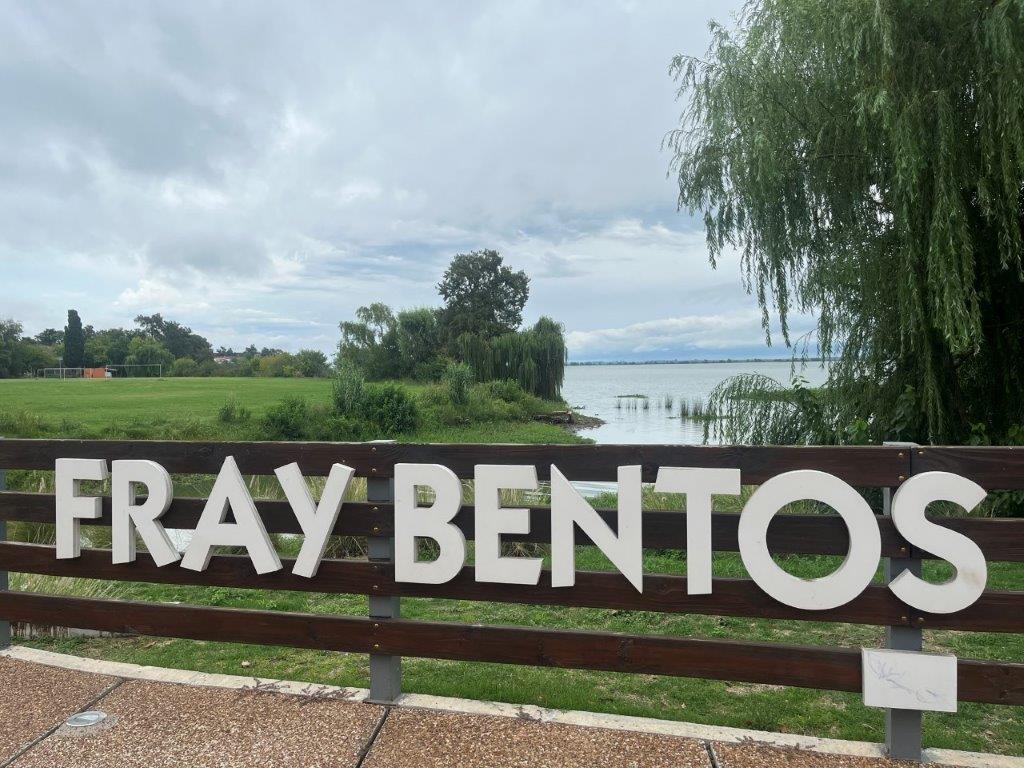
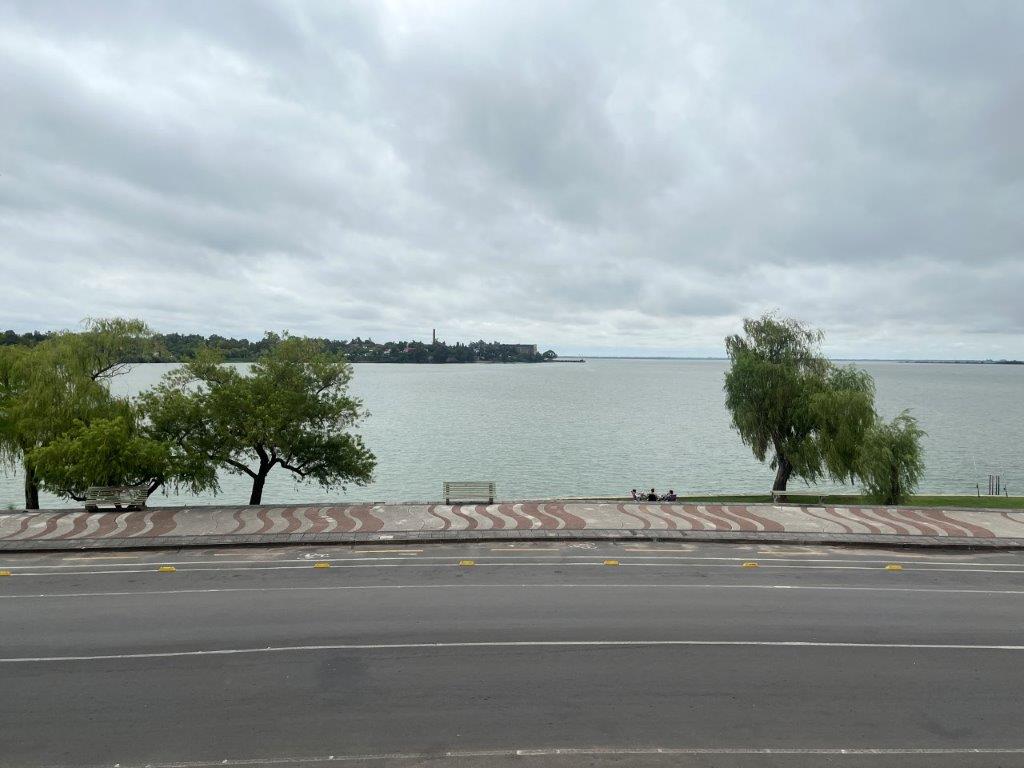
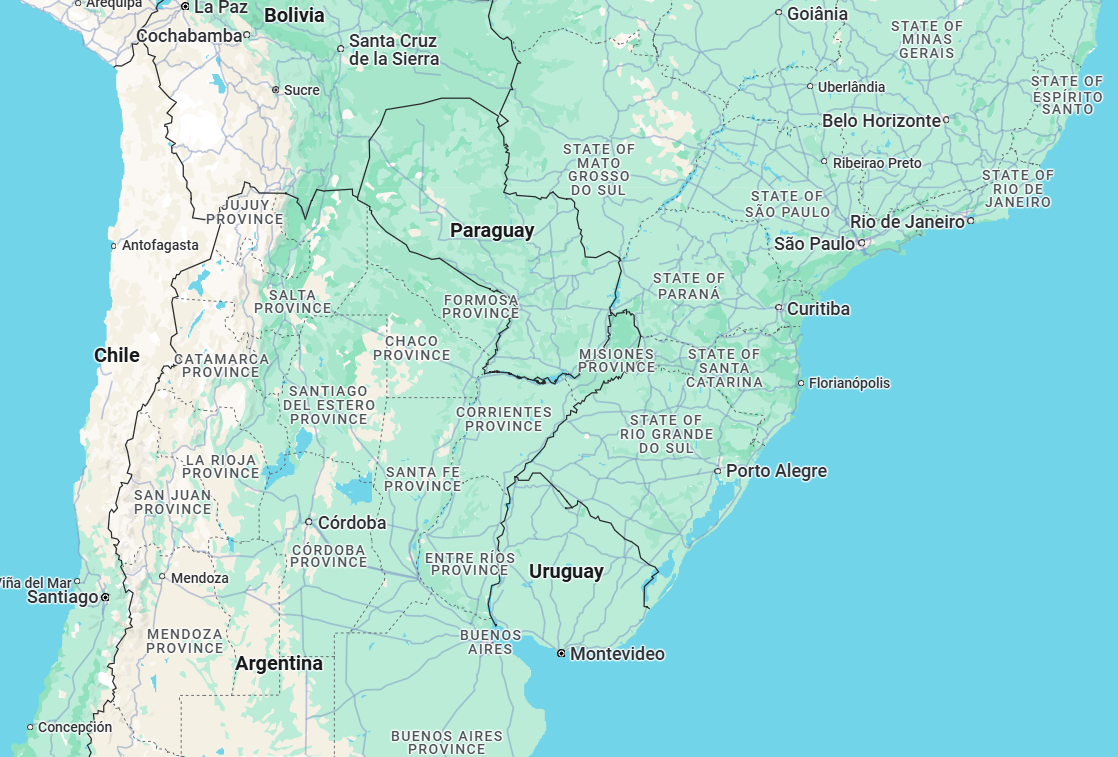
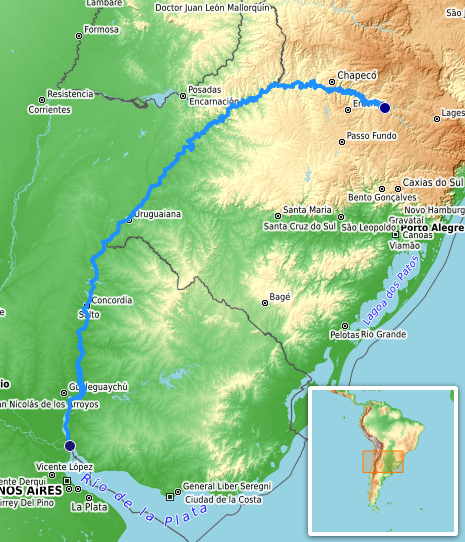
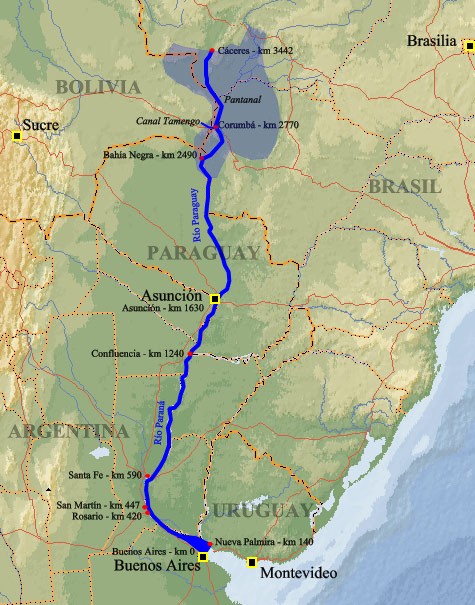
The Uruguay river is huge and starts up in Brazil. But the Paraguay River joins into it about halfway up, and that river (which also starts in Brazil) is also huge. It goes all the way up to the corner of Bolivia where I crossed it when I went to visit the centre of Brazil last year. It means that big ships and barges can navigate from Asuncion in Paraguay all the way to the ocean. In total, these two rivers are about 3500 kilometres long. Imagine how the first explorers that navigated these rivers must have felt. It would have taken years. But back in those days’ rivers were the only real means of transporting stuff. I should also mention that Paraguay and Uruguay both come from the Guarani language. The Guarani were the original people of these lands before the Spanish arrived. And the guay part means river but they’re not exactly sure about the first parts of both country names.
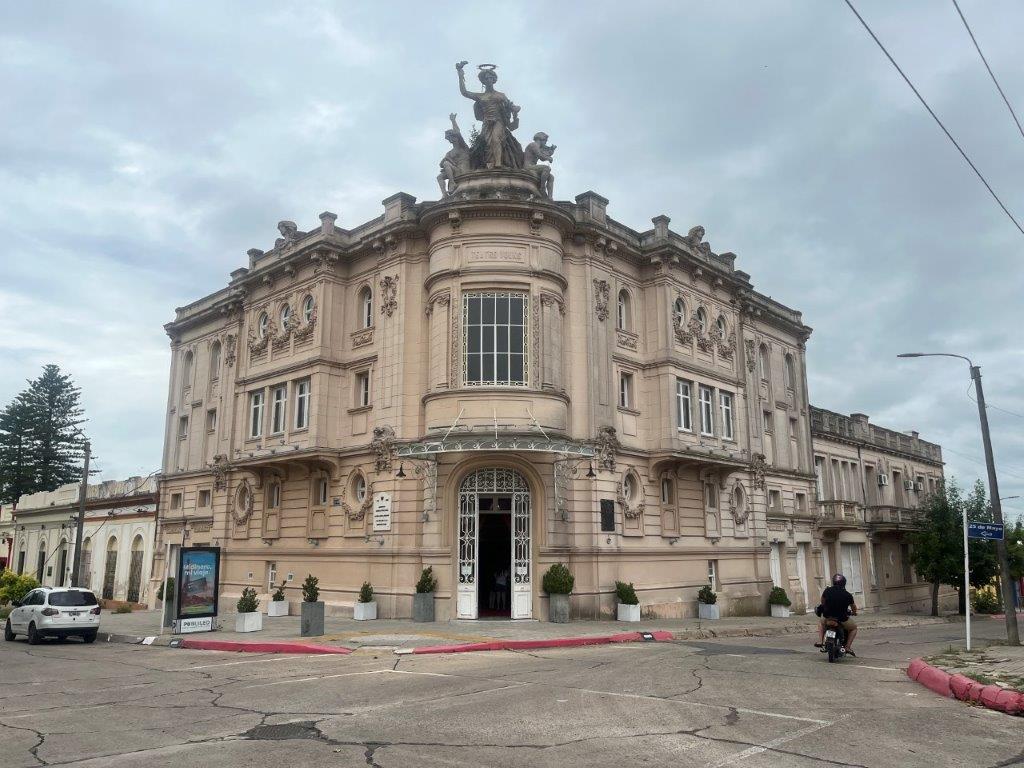
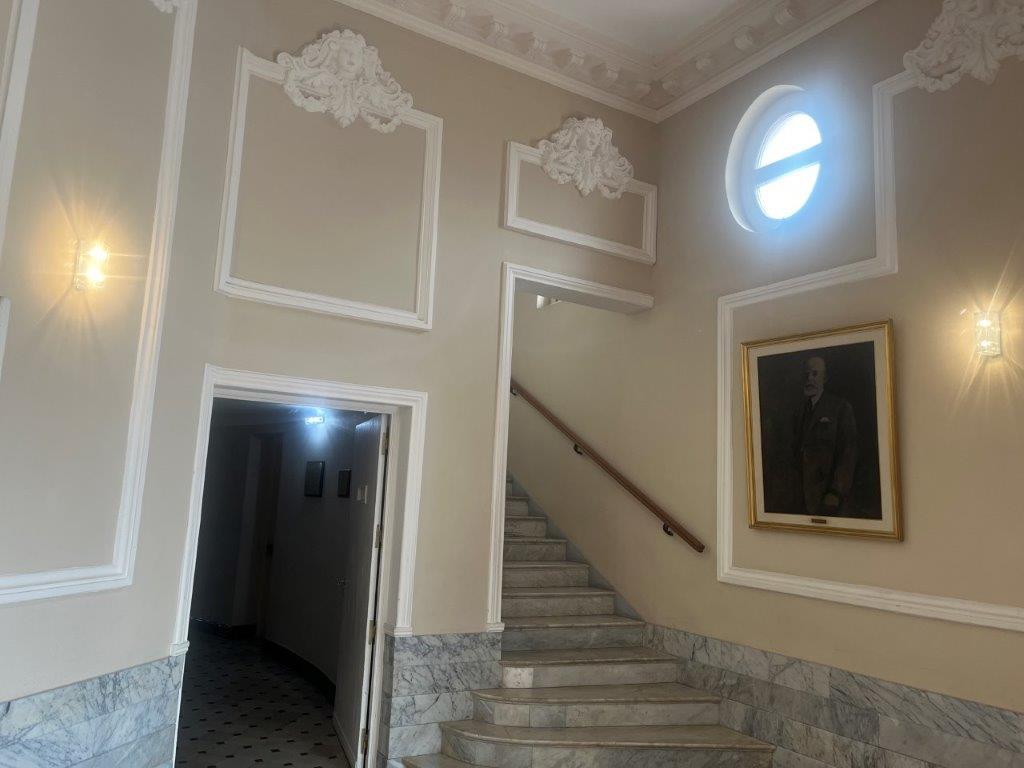
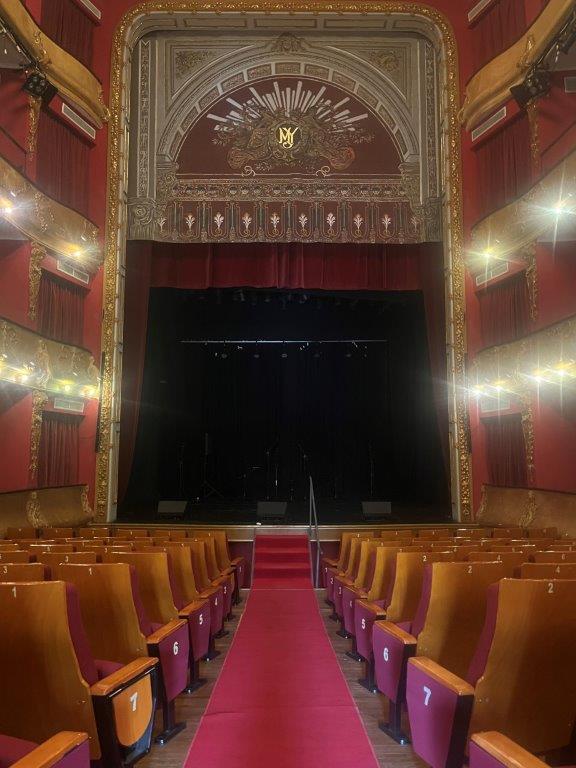
Across the road from my hotel was the Michael Young Theatre. It was over 100 years old and built by its namesake to keep his wife happy as she was missing the cultural aspects of Europe. It was fully restored, and a lovely Fray Bentos obsessed local lady gave me a free tour around so she could practice her reasonably good English. It’s used regularly by everyone in the town for all sorts of things. For free. And I learned that the Uruguayan National Anthem is the longest one in the world and lasts over six minutes. Lucky they don’t win many Olympic medals. And also all Uruguayan primary school kids are given laptops. And that the country is almost entirely powered by renewable energy. It even exports some of its excess power to Brazil.
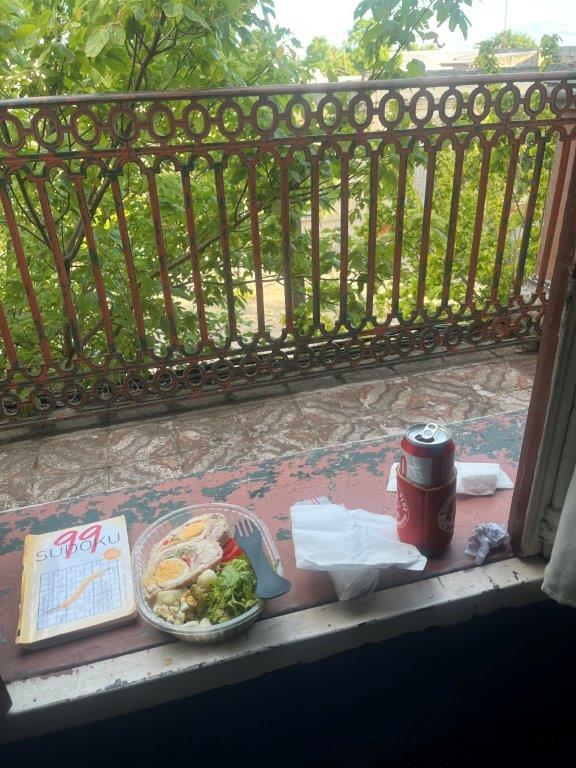
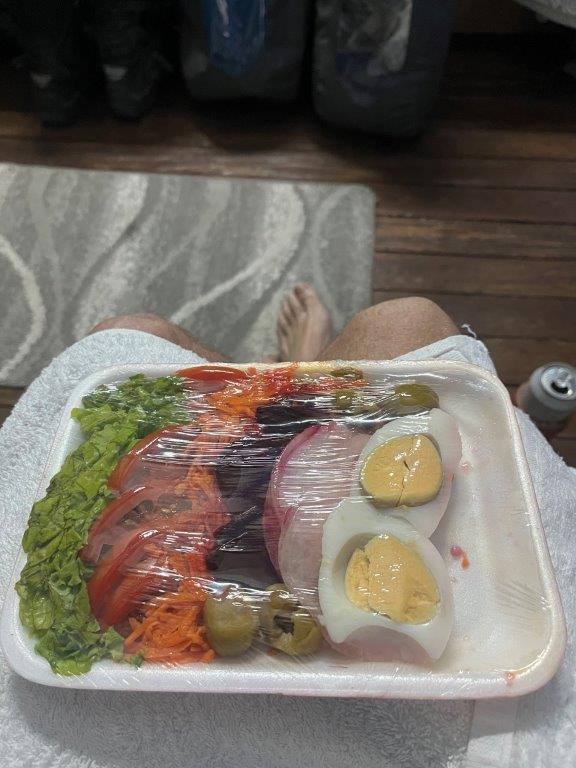
I was there on a weekend and found restaurants didn’t open until after 8:30pm but I found a little shop just around the corner which sold prepackaged meals which were delicious and a good price. And beer of course. It was only a block away but I got caught in a torrential downpour and despite making a run for it, I was totally soaked. Luckily the temperature was nice. The following morning it was raining again so I just wheeled my bike into the foyer, loaded it up and then put on all my rain gear and rode down the ramp and off into the rain.
I had checked the weather and could see it would improve later in the morning. My rain gear works really well, as does my luggage, and so riding in the rain isn’t as much of a problem as I thought it might be. It did clear up as I got down to Colonia de Santiago which is a small town with a big history. It was founded in 1680 and was ruled by the Portuguese then the Spanish then the Portuguese and then the Spanish and then the Portuguese and finally Uruguay in 1828. Today it has about 27,000 people and is one of those lovely little towns with cobbled streets. It’s basically straight across the river/sea from Buenos Aries but you’d need a clear day and good eyesight to see it.
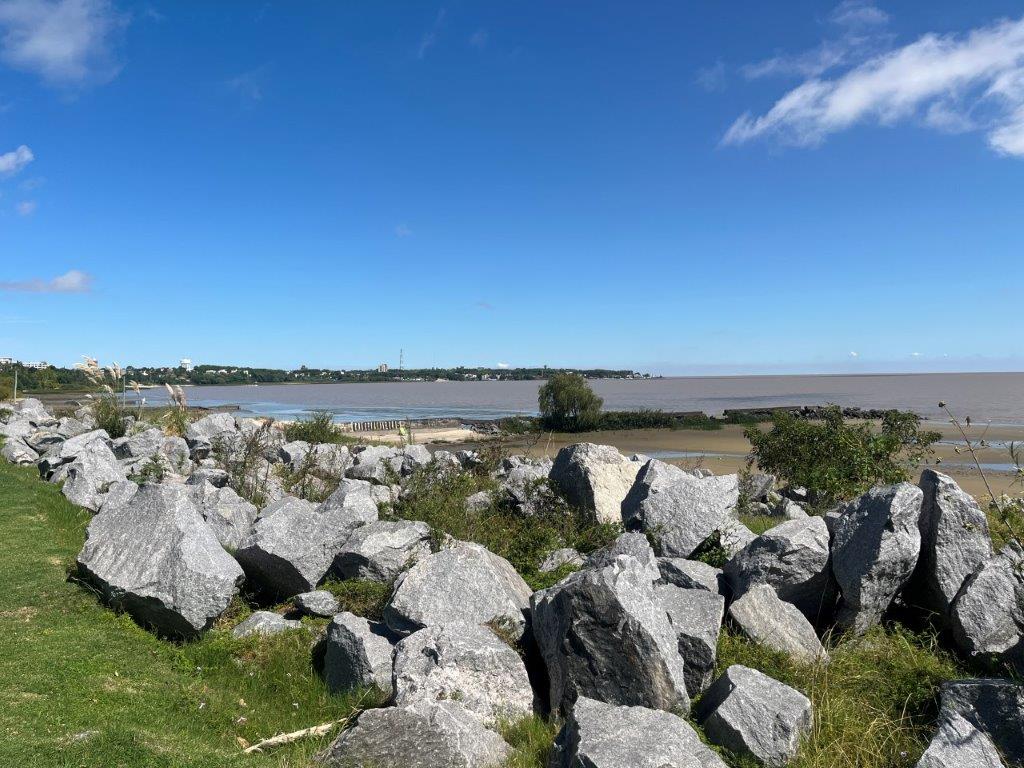
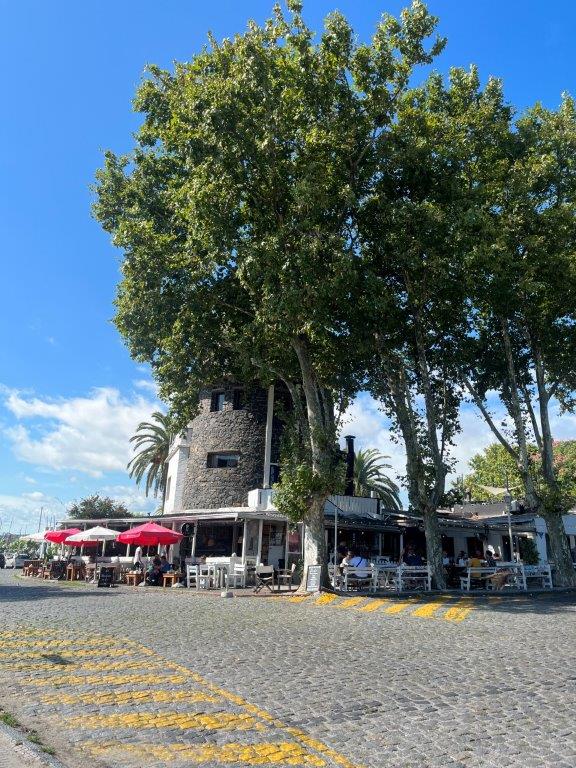
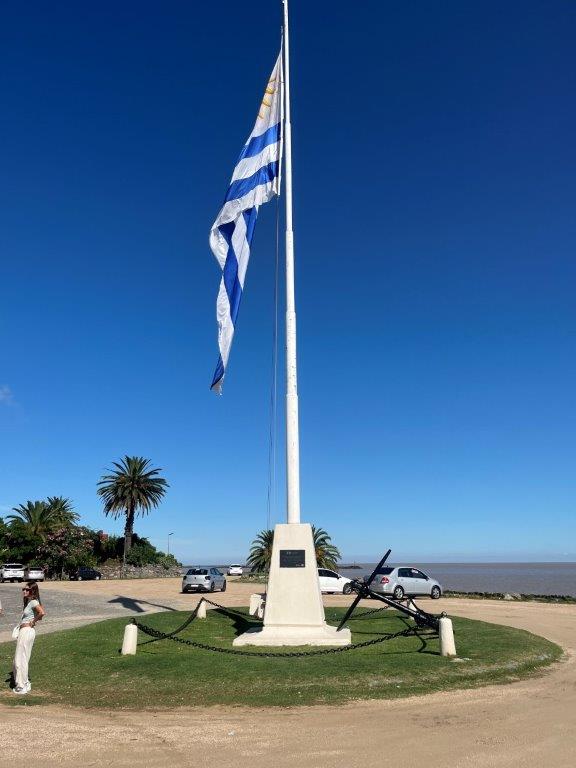
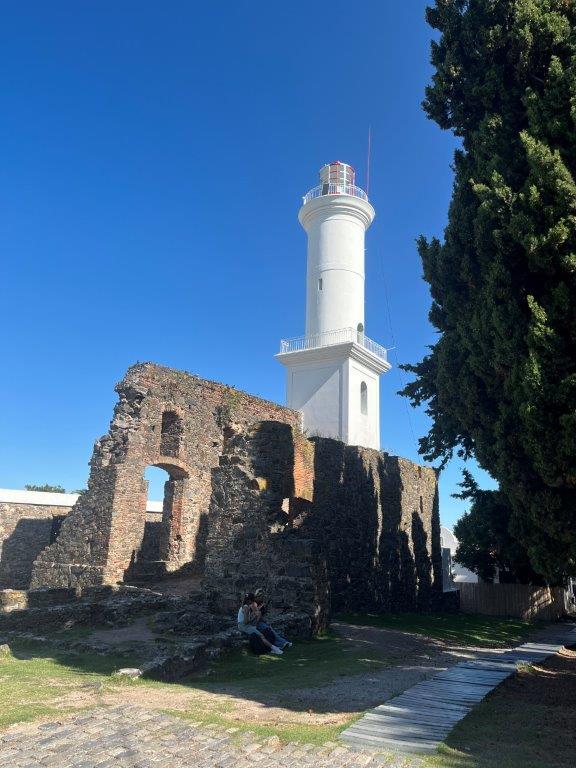
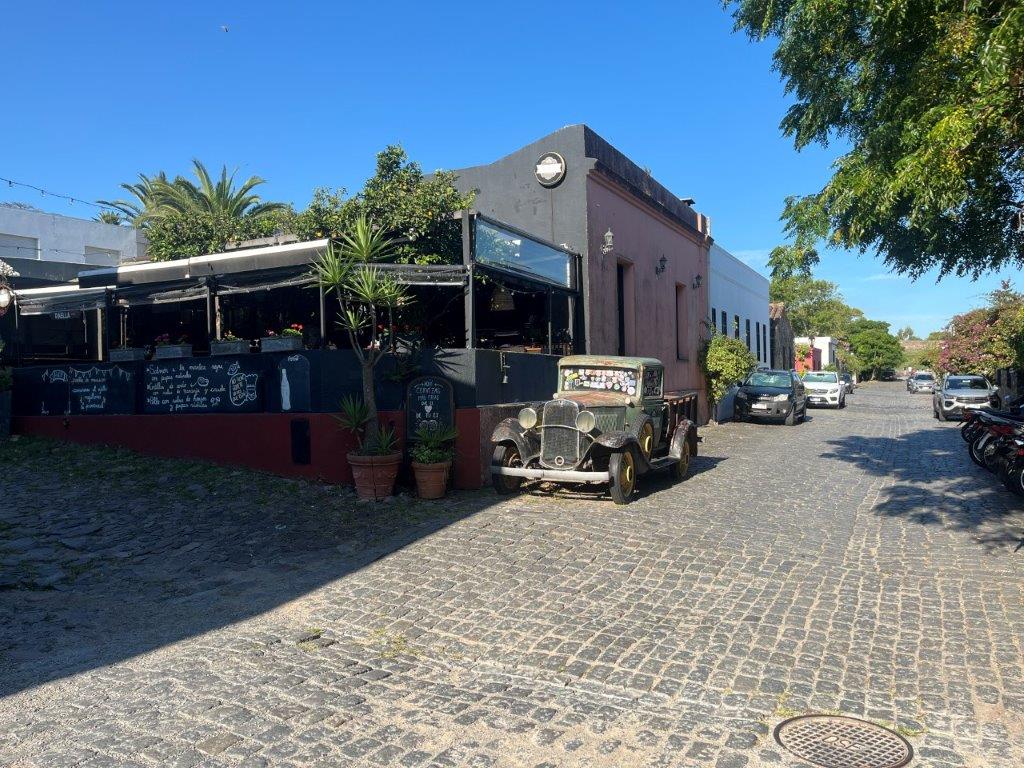
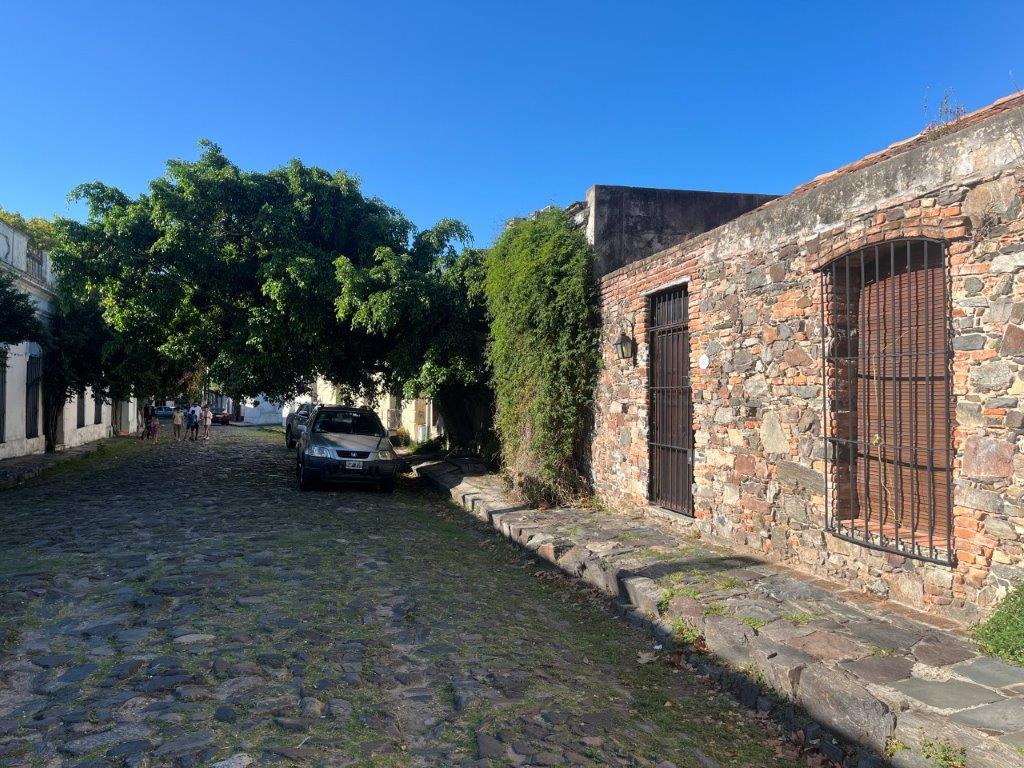
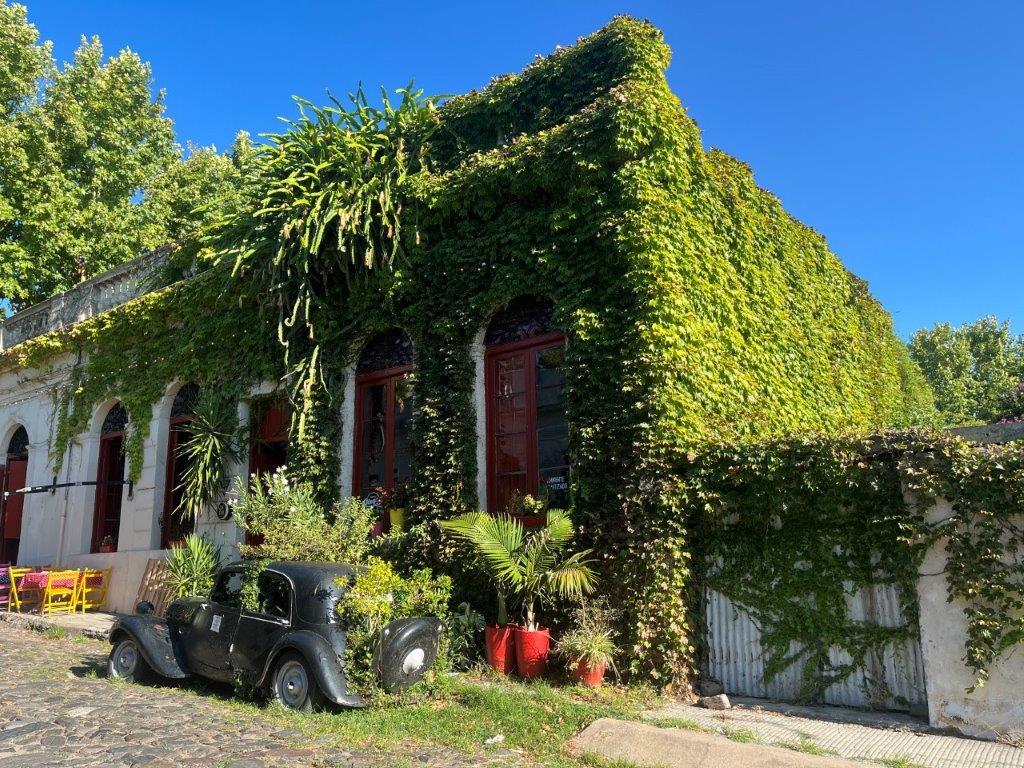
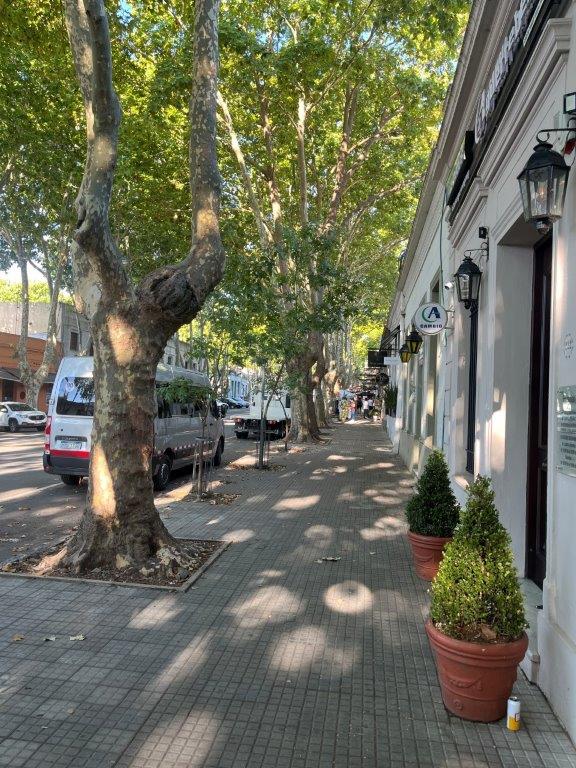
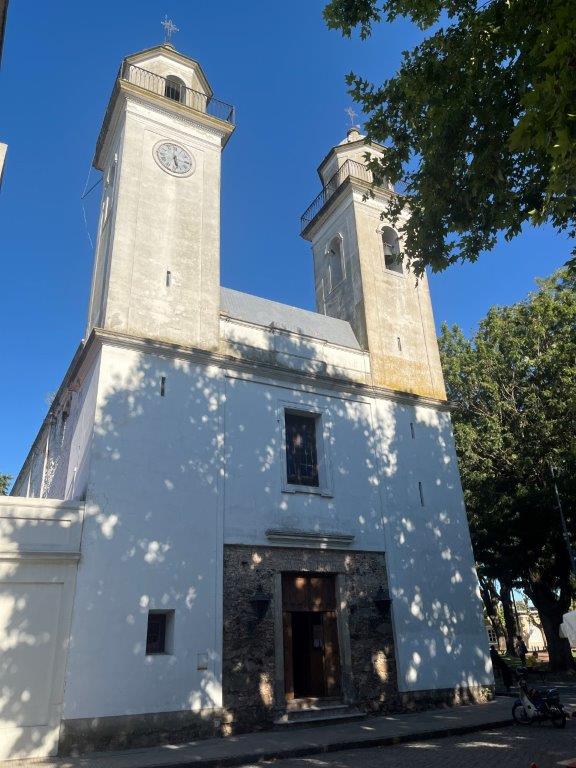
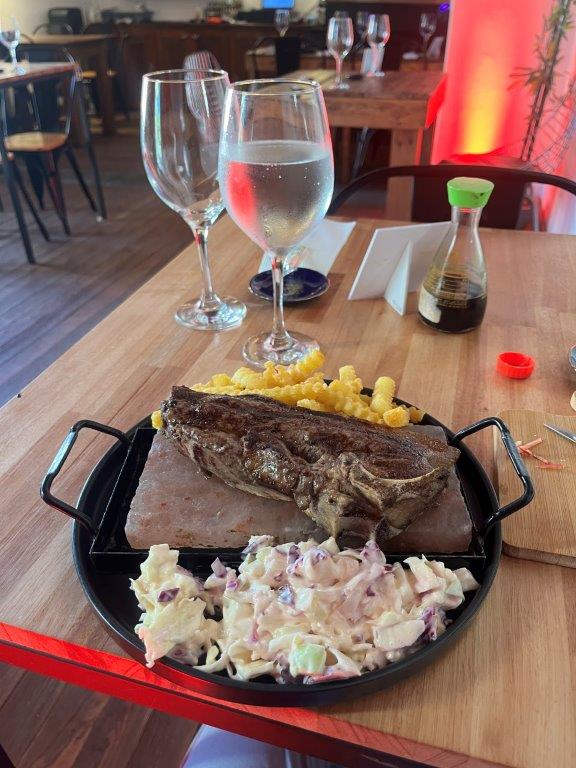
I decided to stay out at a little place 5kms from town because it was much cheaper $47AUD and I thought I needed the walk. I didn’t really need that much walk. I wandered around the town which was nice, snapped a few shots and then had a nice steak that was served on a brick of salt. A bit weird and very salty towards the end but I was happy with that as it was hot outside and I had a long walk home. I just read that Uruguayans have an addiction to salt and in Montevideo they are not allowed to put saltshakers on the table or in schools. I did notice that you had to ask for salt. Even if you had French fries. Explains the salt brick too, I guess. I just rubbed my chips on the fatty salty block. Yum.
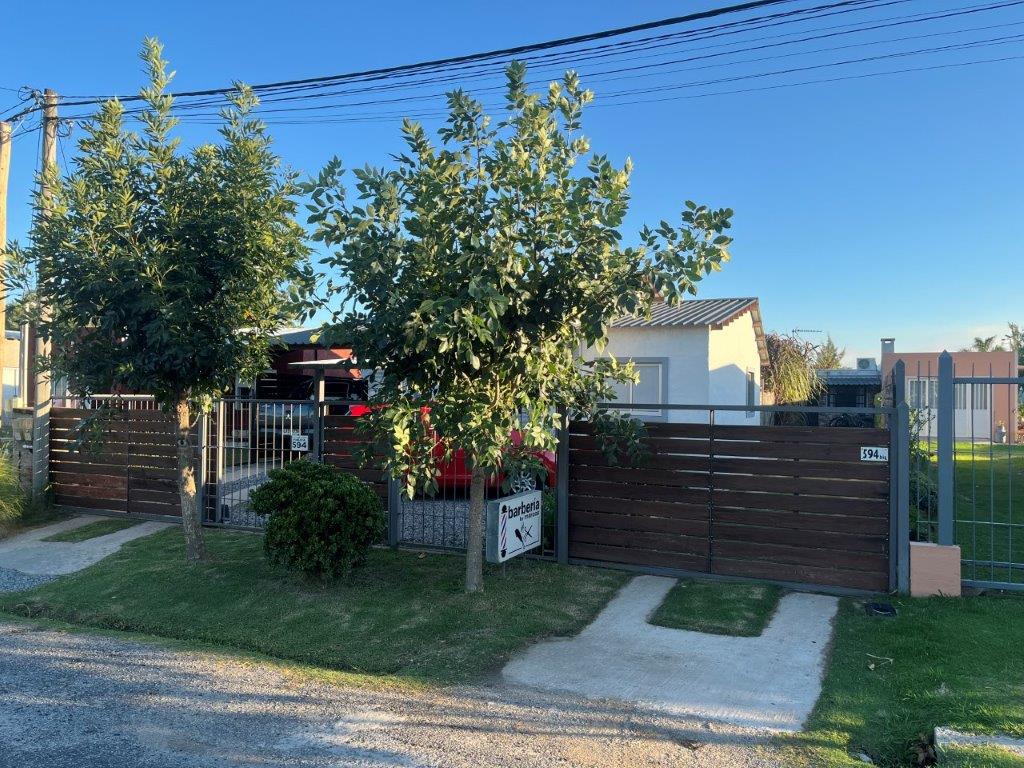
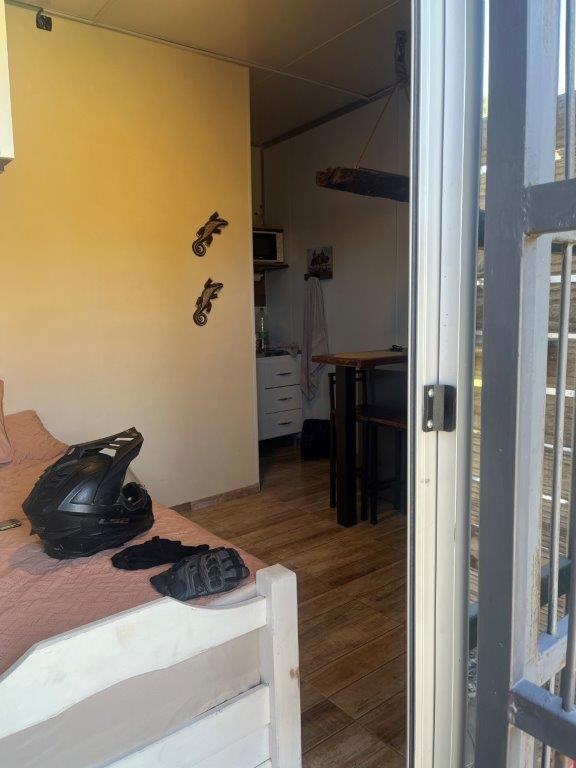
The accommodation was a nice family homestay with little individual units out the back and an added bonus was that the lady’s son had a little barbershop in one of the units and I was able to get a much needed haircut.
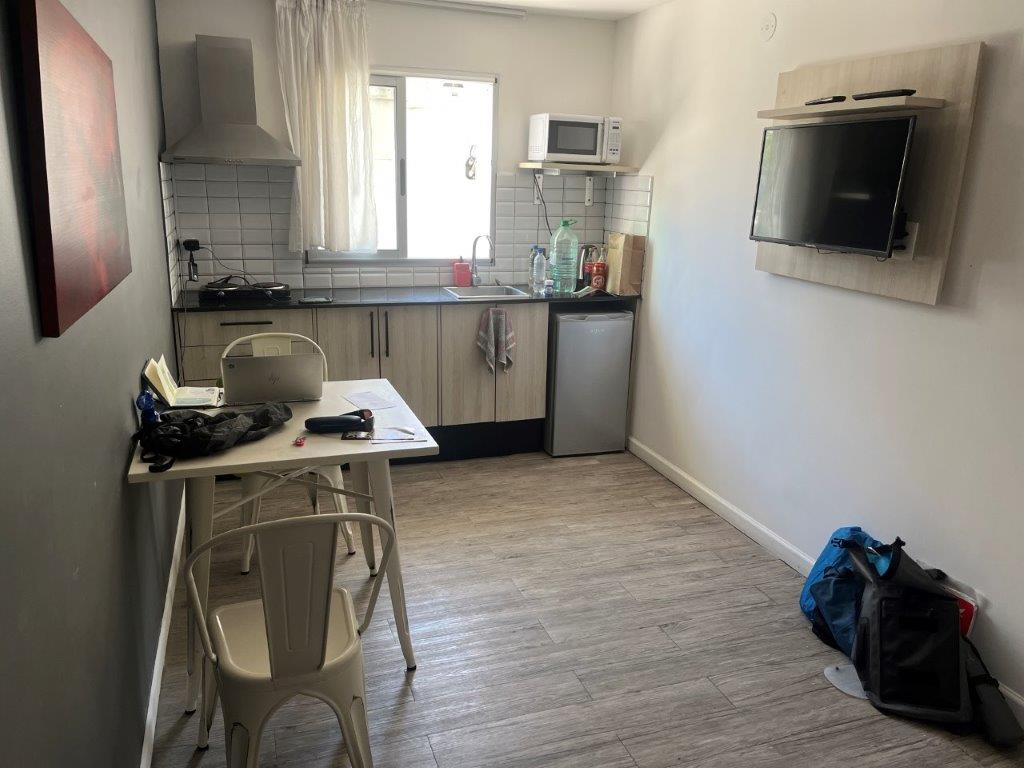
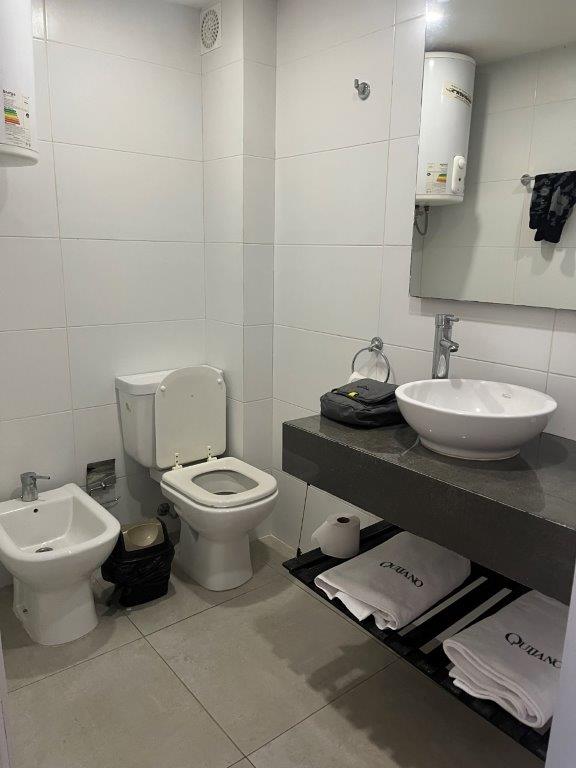
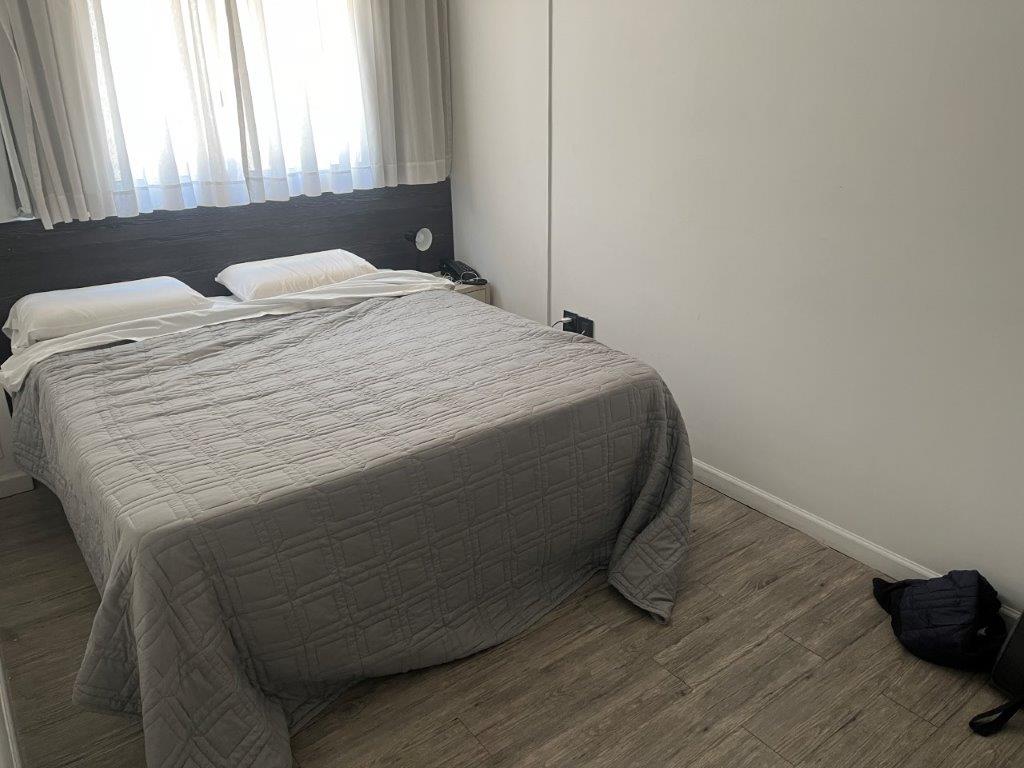
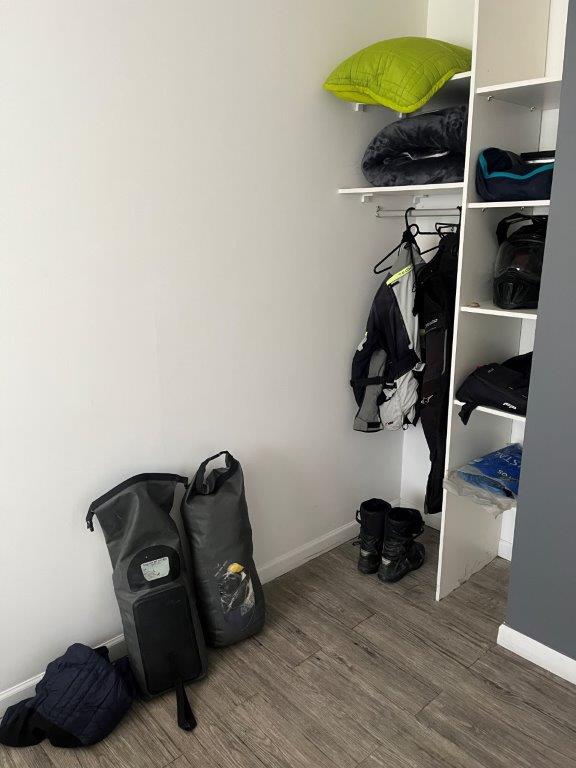
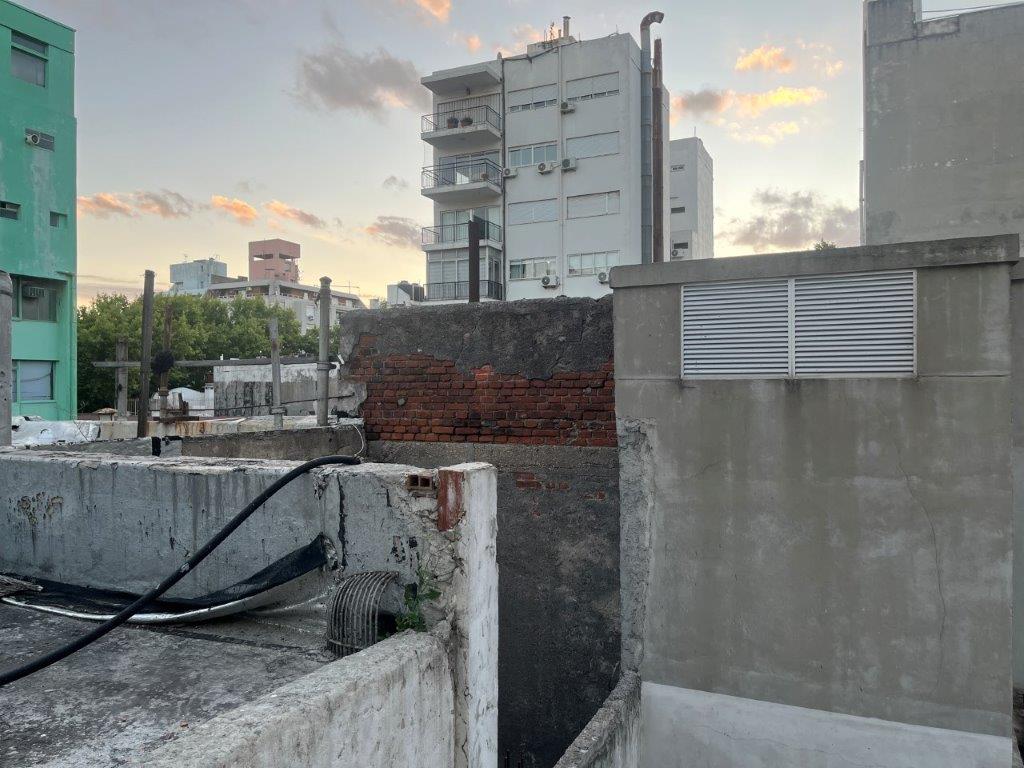
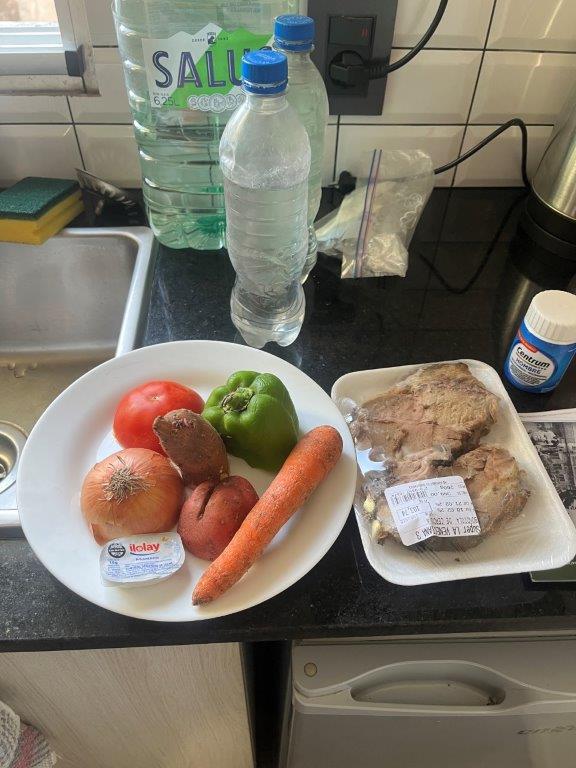
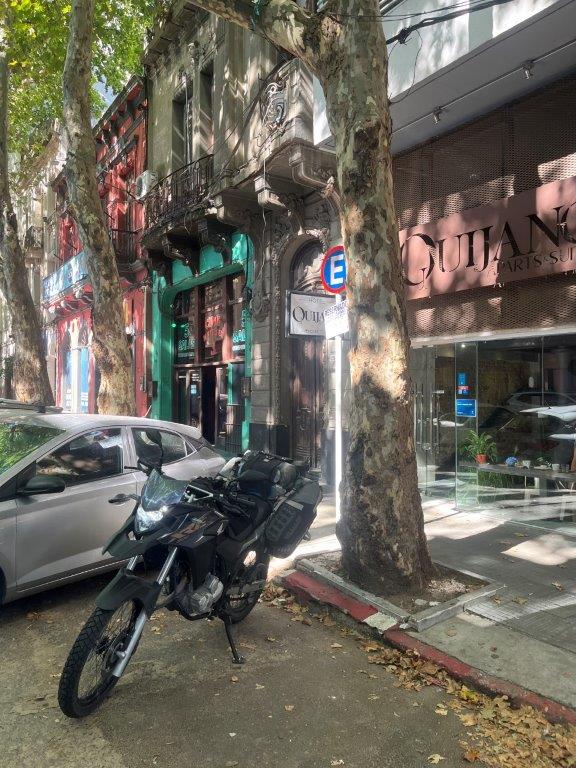
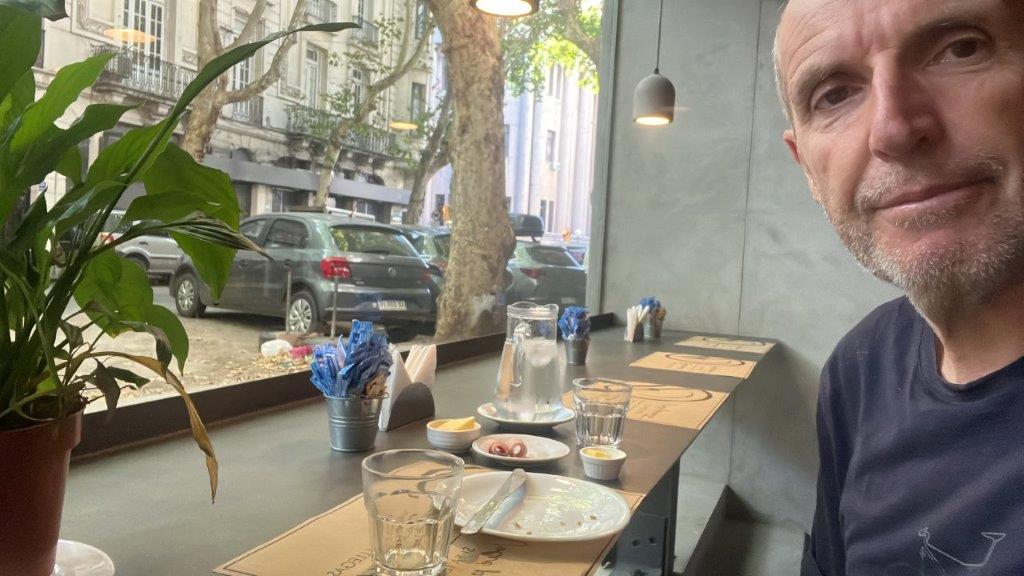
Next day I headed to the capital of Uruguay which is Montevideo. Sort of pronounced Monty Vid Dayo in Australian accented Spanish. I had prebooked a nice apartment for 3 days in the centre of town called Quijano Hotel Apartments and Suites ($307AUD). Not quite as flash as it sounded but it was in a good location, had a nice breakfast, nice staff, and although the parking was around the corner it seemed pretty secure and the staff there were really nice. My room offered City Views and to an extent it was a city view but not quite the one I expected (centre). It was an apartment, so I brought lots of veggies and did a couple of stir fries for dinner.
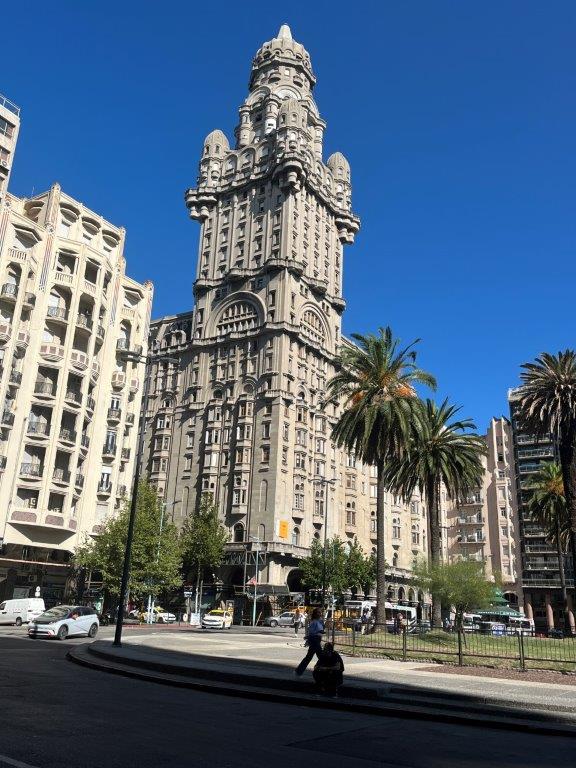
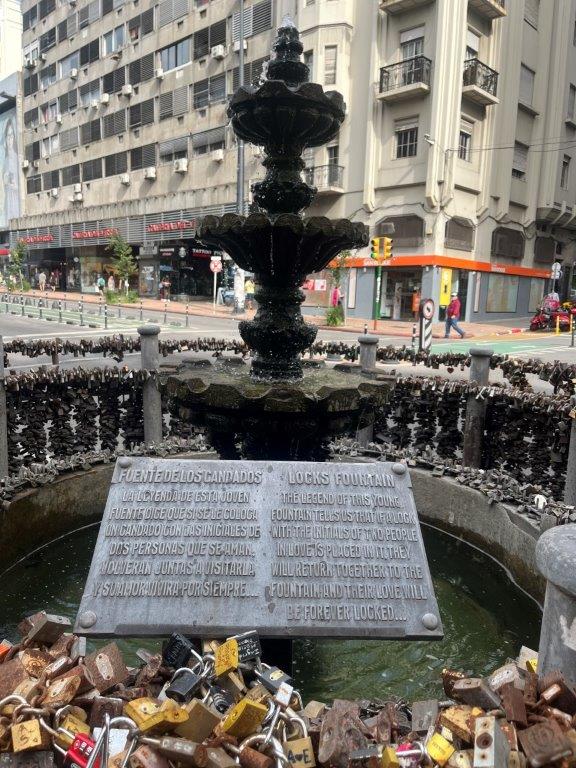
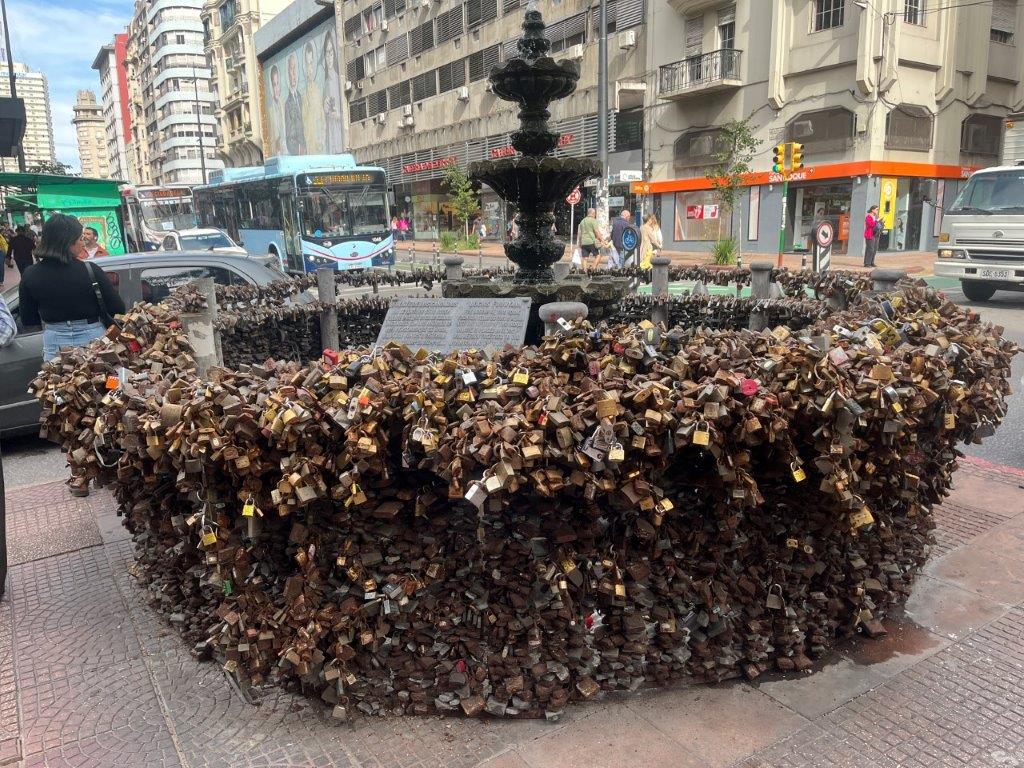
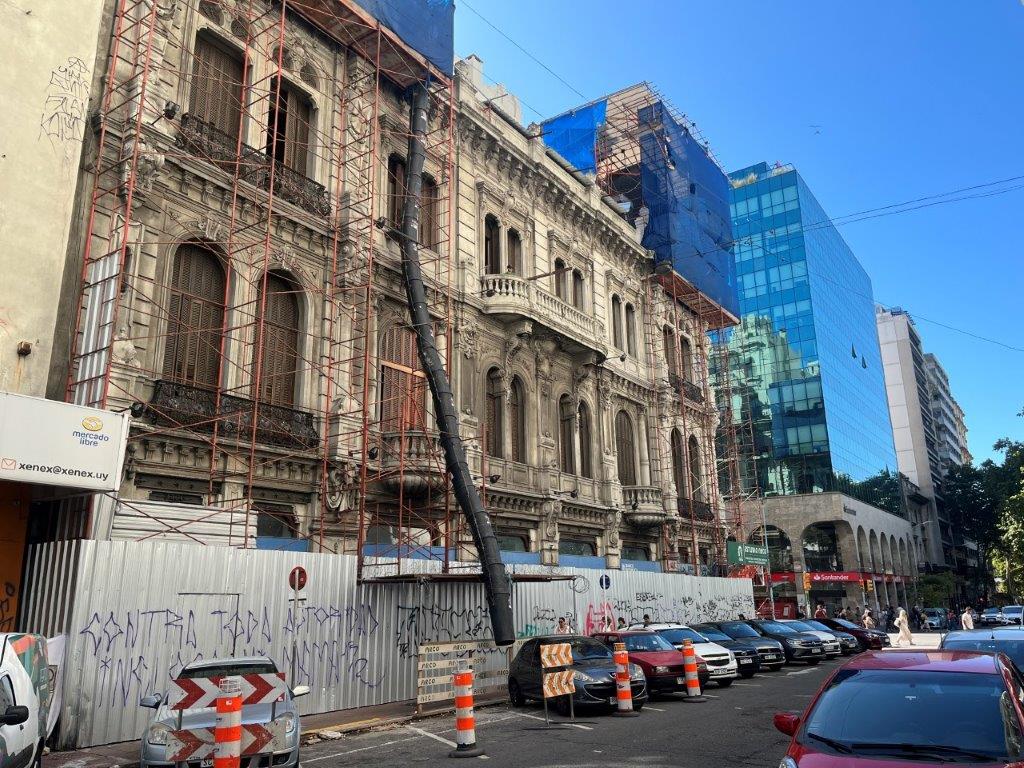
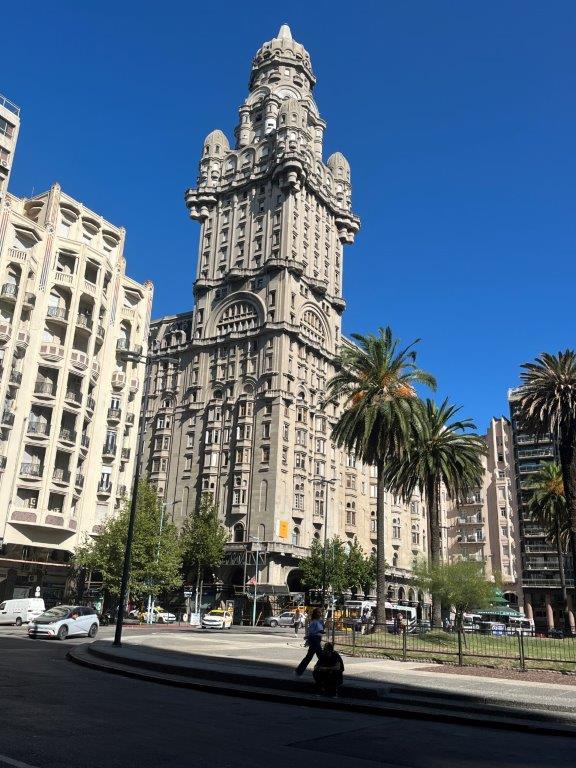
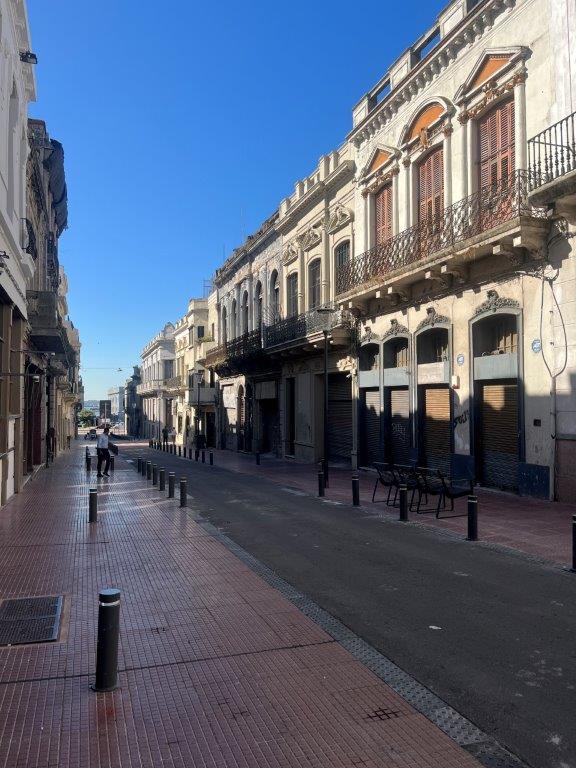
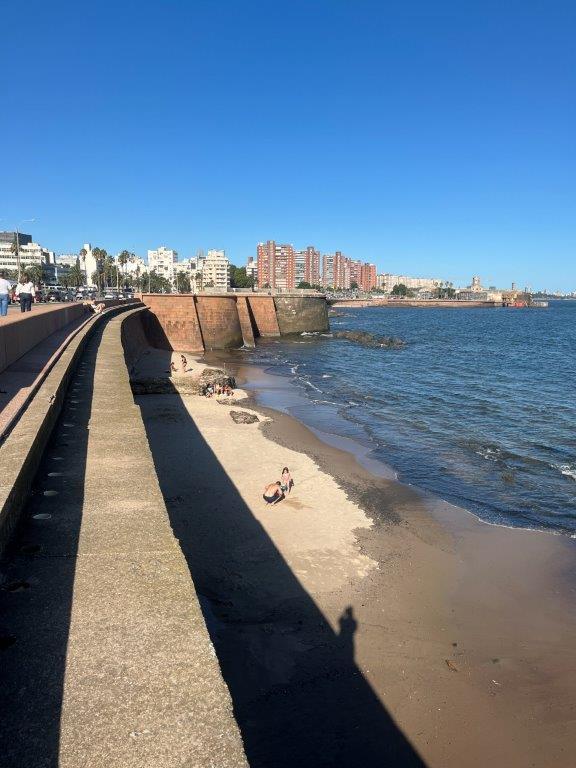
I liked Montevideo and would have like some more time there. Very similar to Buenos Aries. Lots of old European style about it. There was this interesting brick highrise which had a free viewing floor. Great views over the city, which has less than 1.5 million people. But then the whole of Uruguay only has 3.5 million people. I walked around the city a lot, but a highlight was a little fountain of lovers locks which was only a block from my hotel. Sometimes you just find stuff that’s cool and not on google. I did take a few building pics, but they were a bit overwhelming. Nice architecture everywhere.
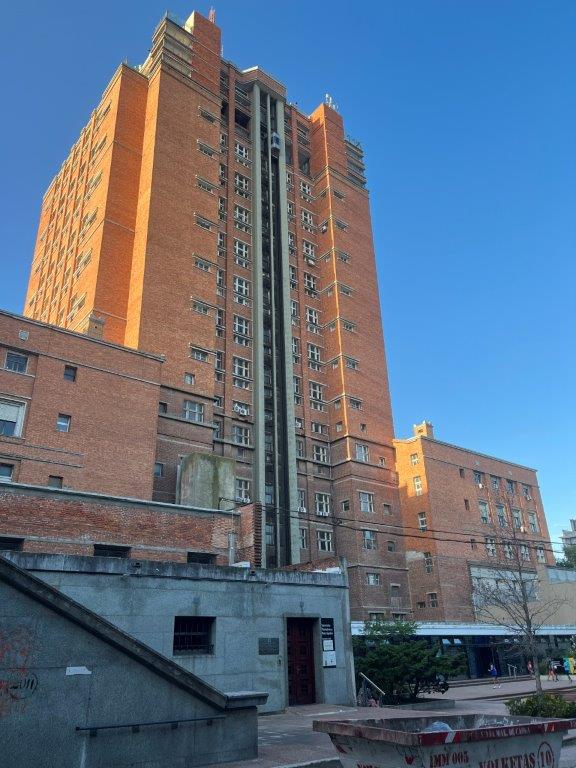
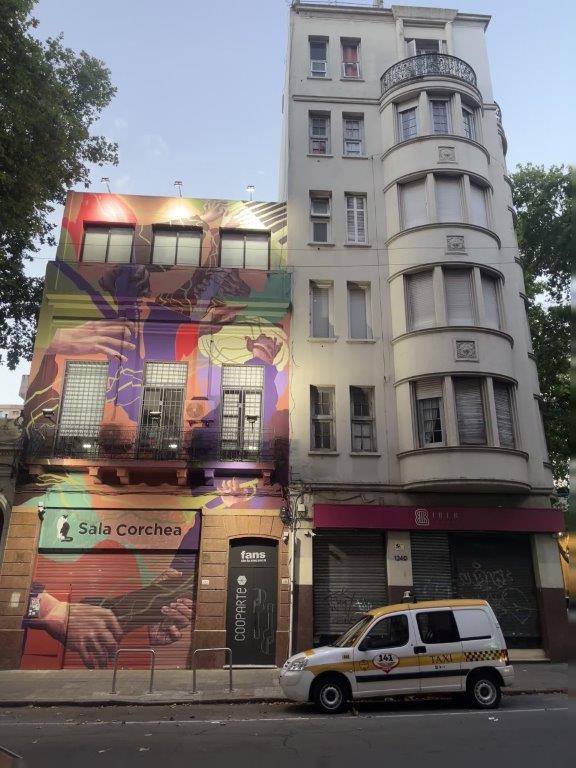
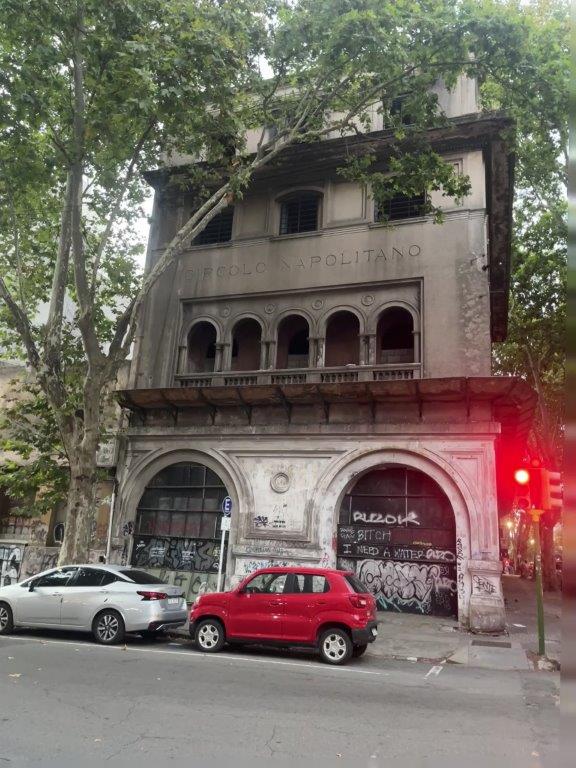
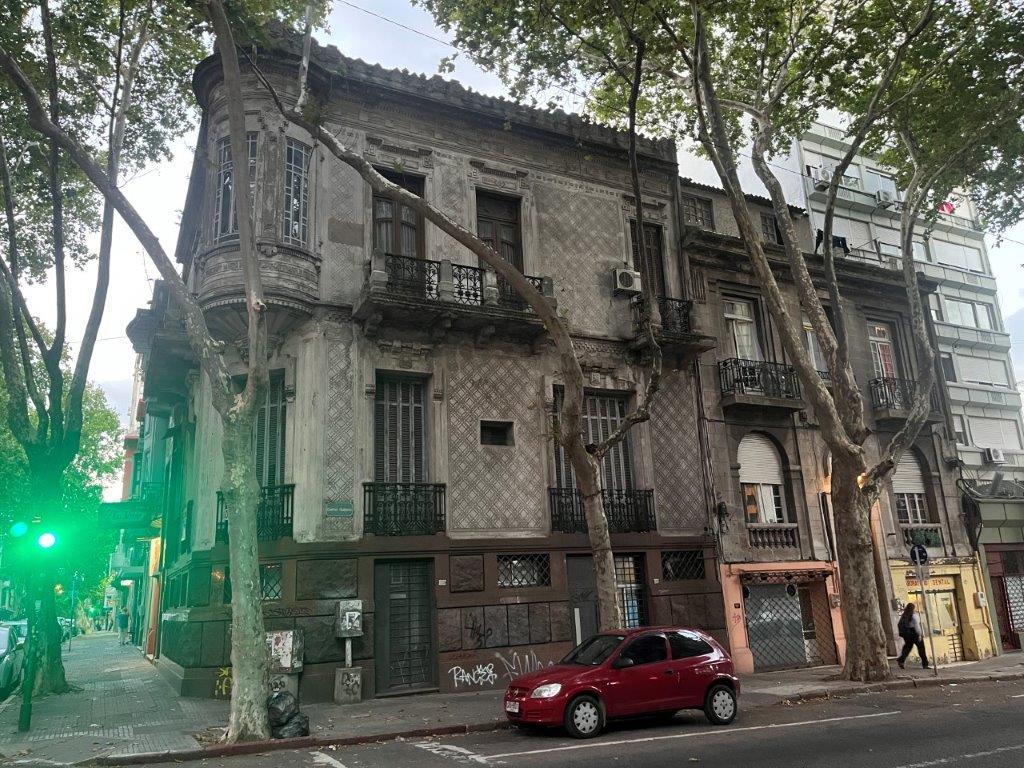
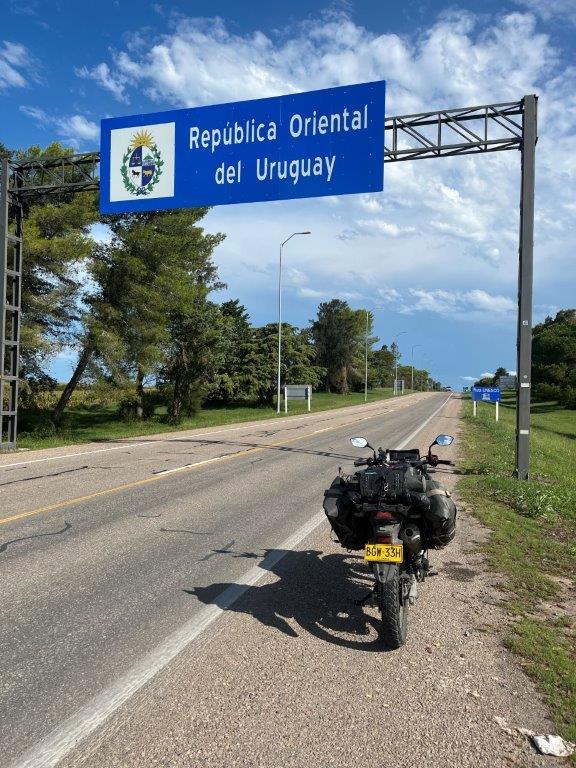
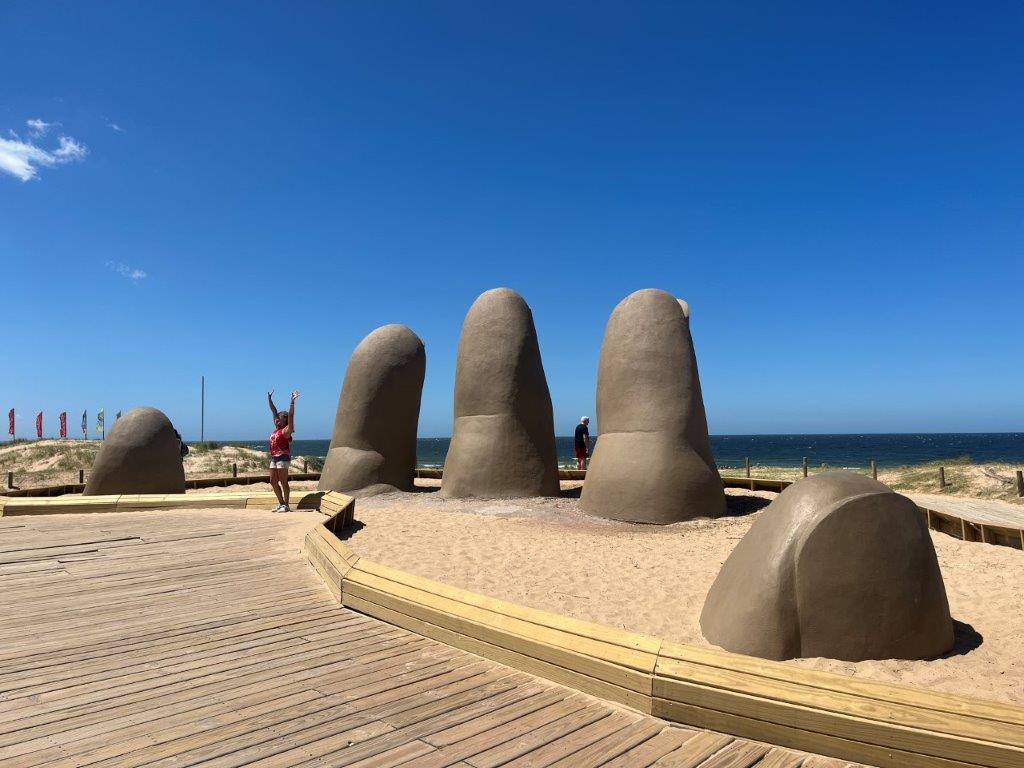
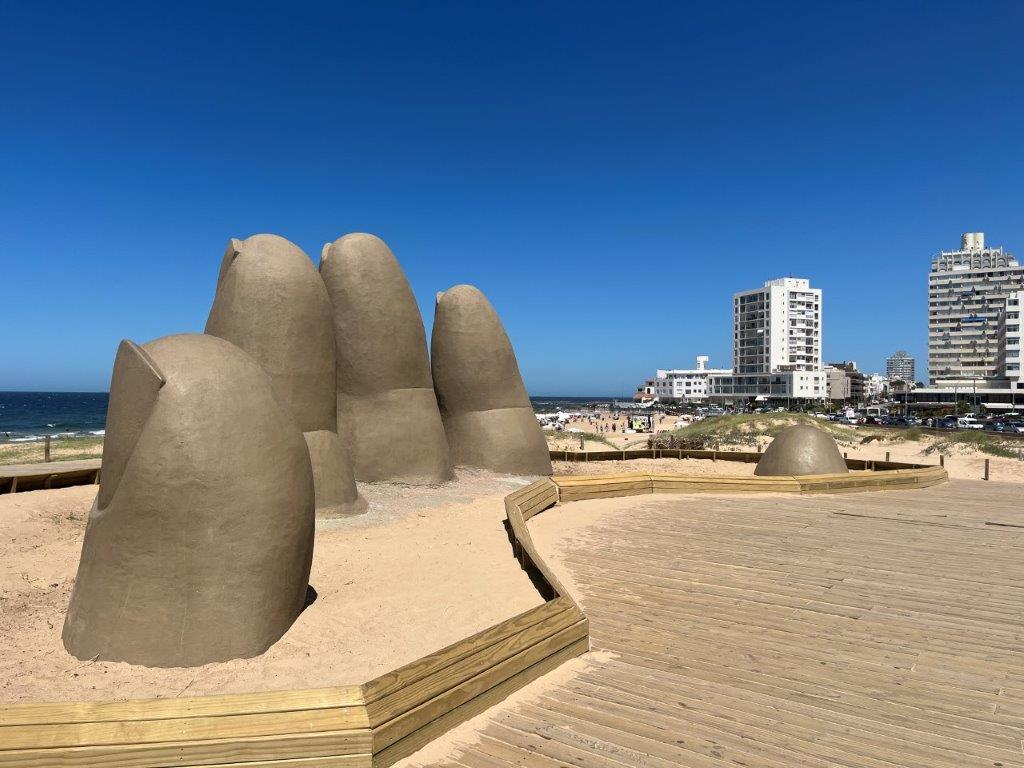
After Montevideo I planned to go to the city of Punta del Este and maybe stay the night. It was well recommended and was where you could see “Los Dedos” The Fingers. Built by the Chilean sculptor, Mario Irarrazabal in 1982. He also did the Hand in the Desert in 1992, which I went to in Northern Chile. I thought the hand was probably better. Possibly being due to the remote location. He did a couple of others in Europe as well. The town just seemed like highrise sprawl on the beach so I moved on to Punta del Diablo but that didn’t do it for me either, so I just pushed on and got to Chuy, the town on the border of Brazil and Uruguay, before dark. It had been a long day but I thought I might give the border a go as it didn’t look very busy. Super quick and I was back in Brazil. Or was I? What a strange little border town Chuy is.
KMS 29667
 Gotaway
Buena estancia en Montevideo, me alegra mucho por ti. Todas estas edificaciones eran una evocación del pasado europeo de sus inmigrantes
LikeLike