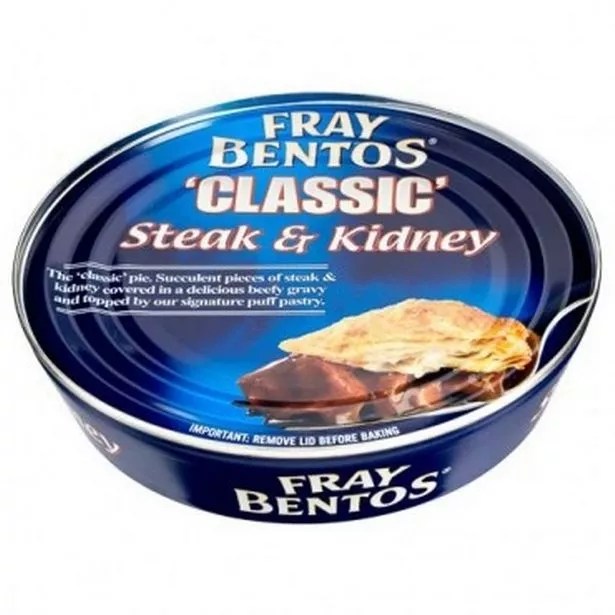
So, here is that post that makes me weird or interesting. One of the highest ranking places for me to visit in South America was Fray Bentos. Originally I had no idea where it was or even that it was a town. Even the locals aren’t sure where the name came from. Possibly from a Friar called Benedict who lived there? I thought it was just the name of a meat pie that I used to eat in London in my 20’s. And it was. And then I discovered it was something I would be eating in Antarctica 40 years later. So I googled why my pie was called Fray Bentos and I discovered that it was not just a can of pie but a can of worms that would swallow up way too much of my time.
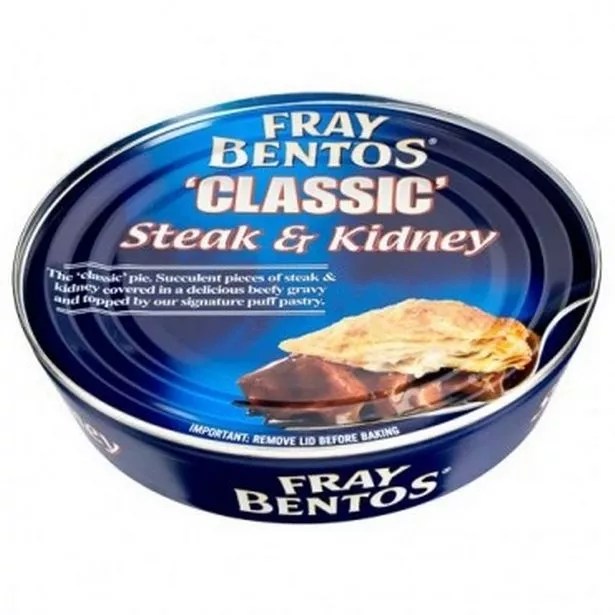
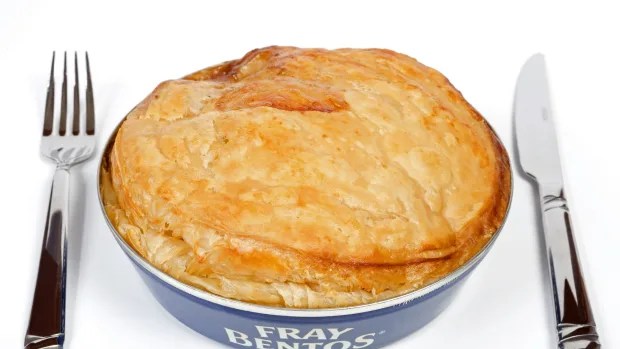
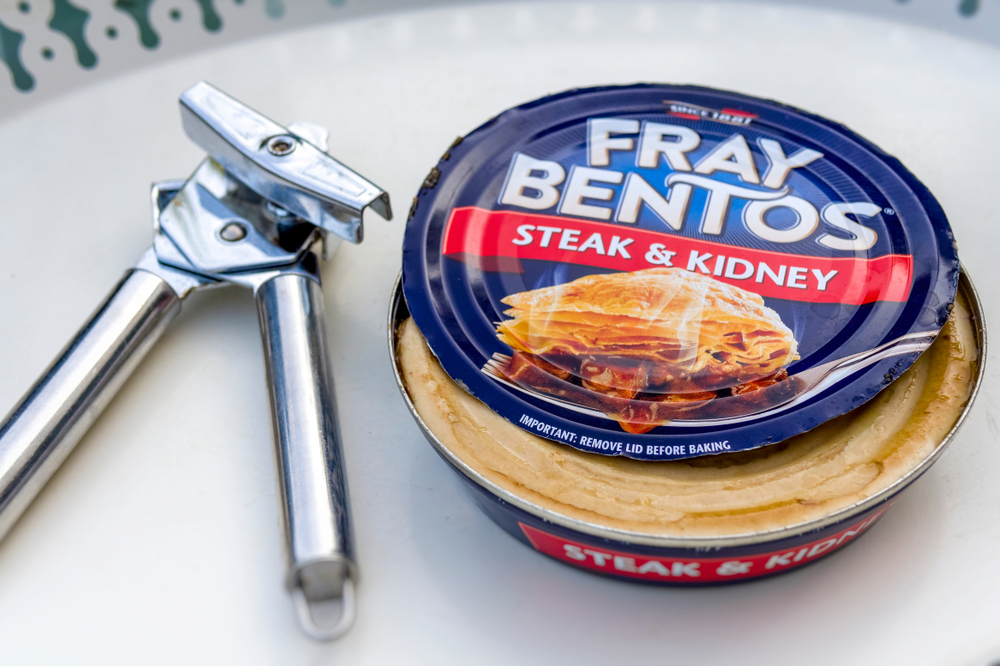
When I was in London in my 20’s I longed for a nice pie and found a tinned pie that I could cook in the oven and have with some simple veggies. You just opened the can with a can opener and removed the lid. Perfect for a lazy male. The meat was hidden below a layer of uncooked pastry. When you heated it in the oven the pastry became fluffy and golden and the meat obviously cooked. Or was it already cooked or par cooked? I’ll probably never know the answer to that question as I have just crawled out of the wormhole and don’t want to go back in, and my brain is already in overload. When I went to Antarctica for the first time I came across Fray Bentos pies again. It was almost a tradition that when you went out to stay overnight in a field hut that you had a Fray Bentos. And the same on Macquarie Island. So of course I did.
So it turns out that the pie comes from a town in Uruguay called Fray Bentos and to save you the visit and all the research I can tell you how it all started and how this pie eventually ended up in both world wars, recommended by Florence Nightingale, with Stanely in Africa when he met Dr. Livingstone I presume, with Scott in Antarctica, on the first summit of Mt. Everest, on the Queens table, and more recently on the International Space Station. Oh no! Its all a lie. Well. I just read the pie wasn’t invented until 1961 but it was in fact the other Fray Bentos products that were used, in particular the canned beef and beef extract. Except the last two examples. They were definitely pies. The Queen did enjoy the occasional steak and kidney pie and the astronauts were testing long lasting food for future trips to Mars. They said it was nice comfort food and didn’t float around too much when you ate it.
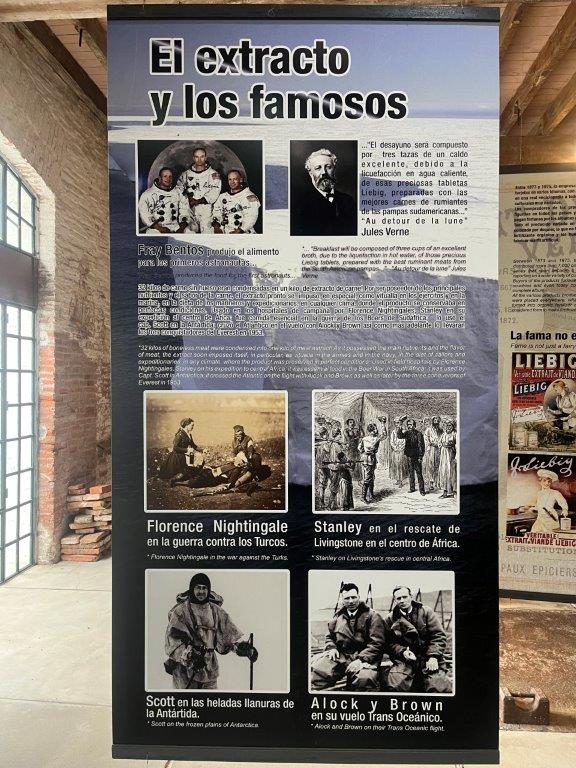
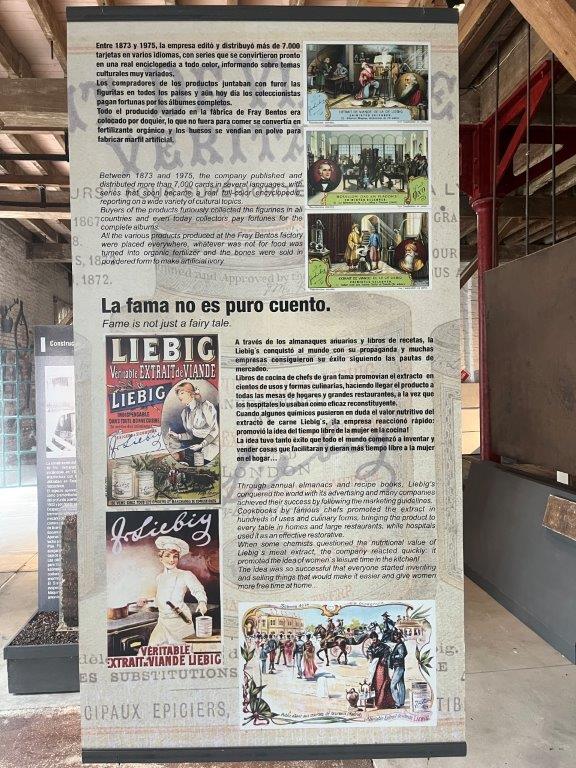
In 1863 a German chemist named Leibig developed a process to produce meat extract. To produce his product, he joined with a German engineer and they created the Liebig Extract of Meat Company (LEMCO). They wanted to become bigger but couldn’t get enough beef in Europe. Uruguay was a country that not many people knew about (sort of like now) but it had lots of cattle, lots of cheap land, and great access for shipping. Around the same time the British company Anglo-Uruguayan Meat Company (AUMC) set up a business in the small town of Fray Bentos, to export meat from Uruguay to the UK and Europe. Shipping of meat back then was a difficult process and so the two companies got together.
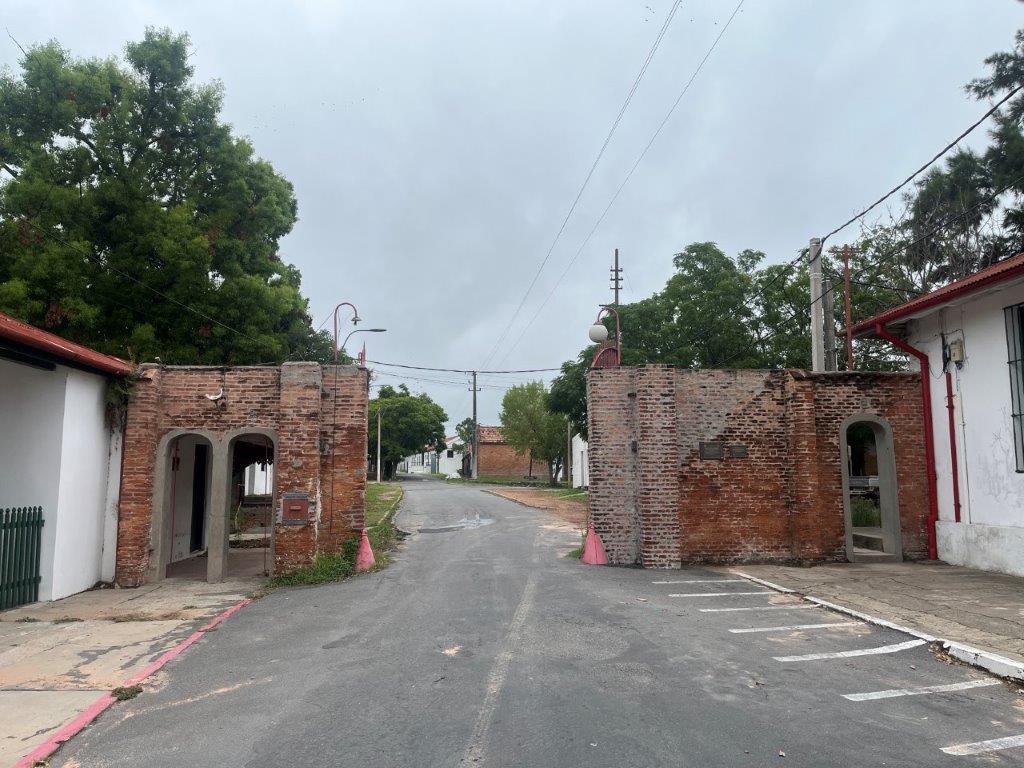
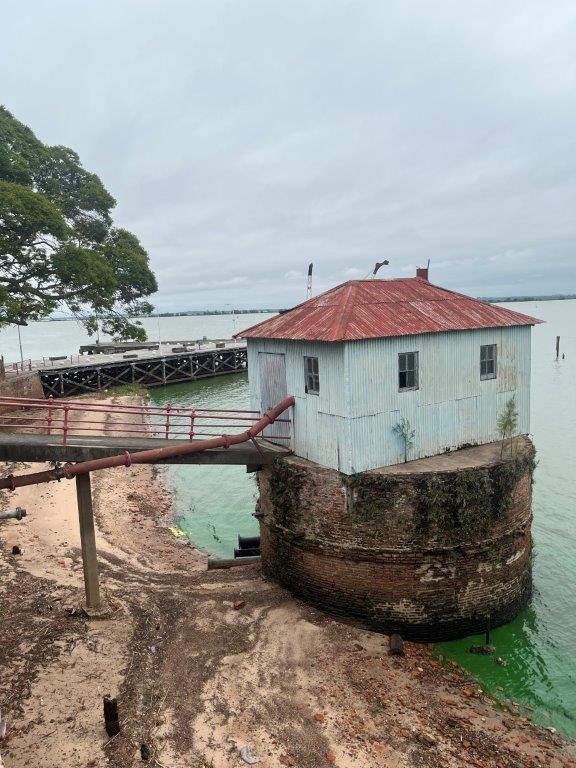
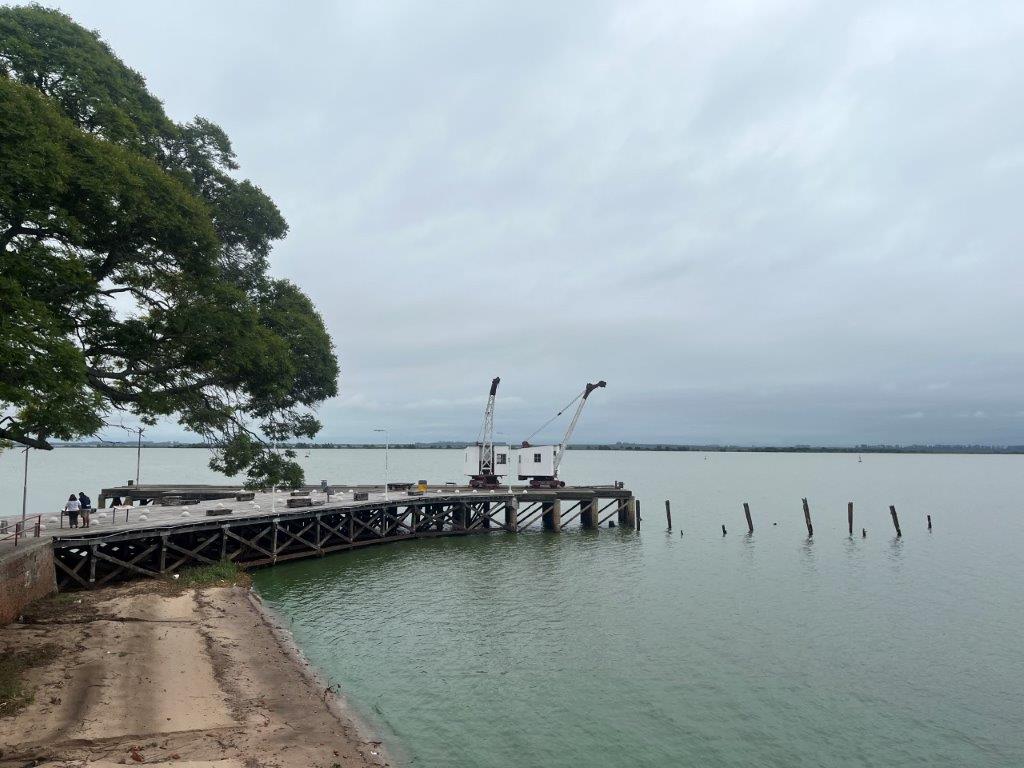
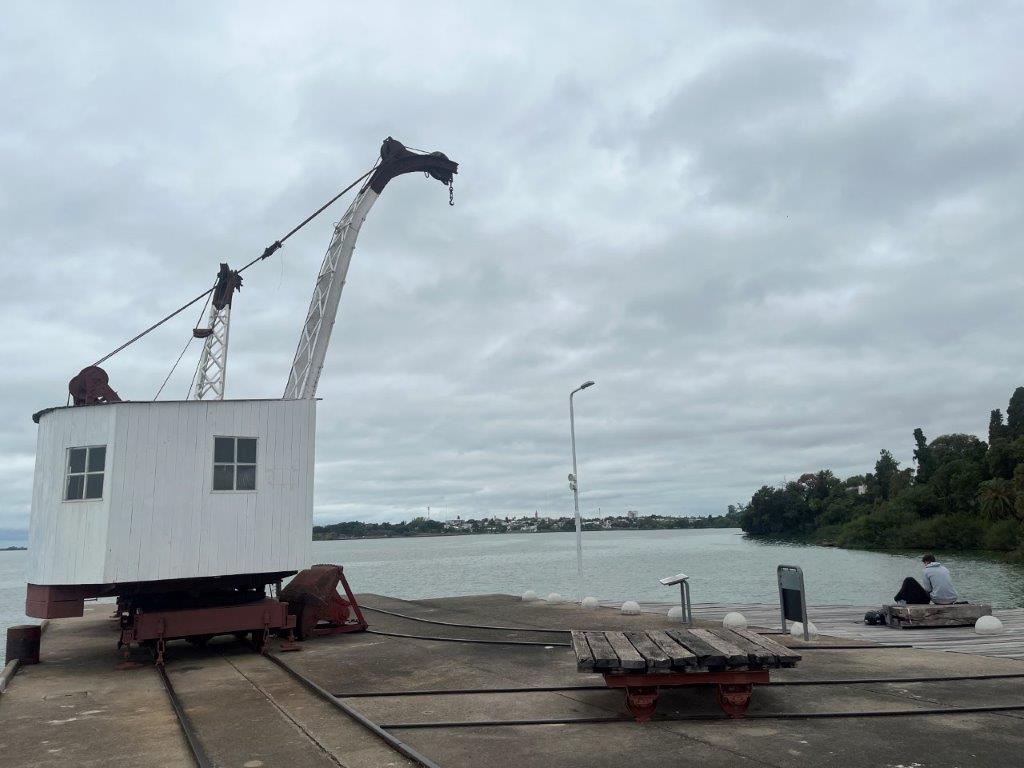
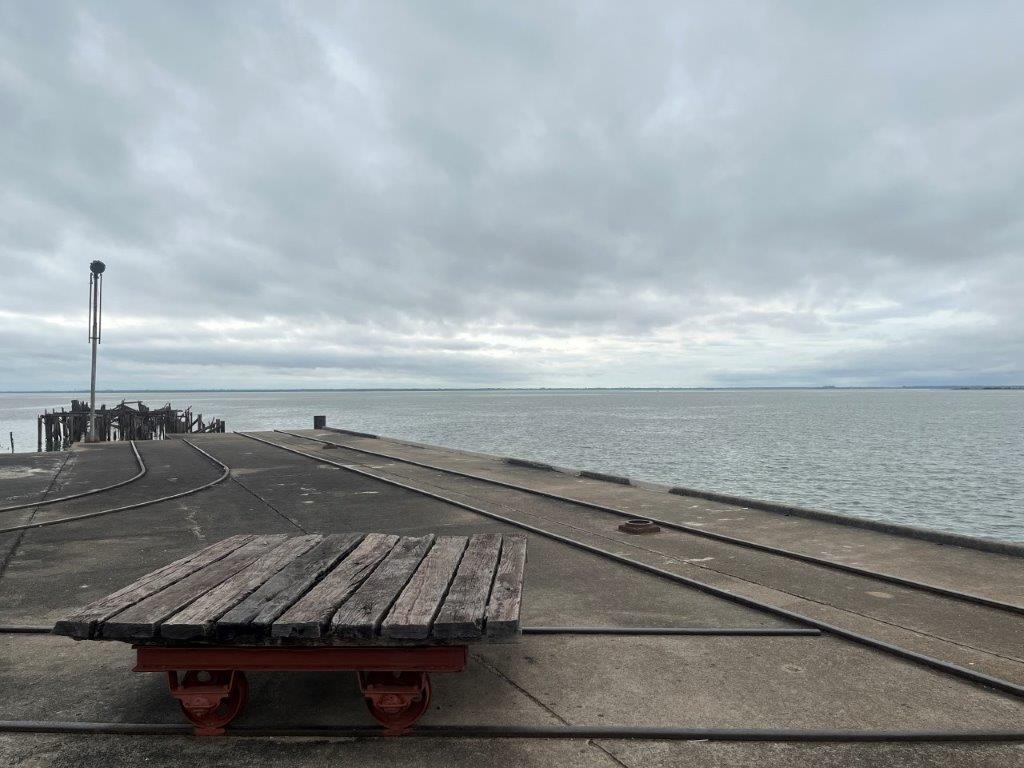
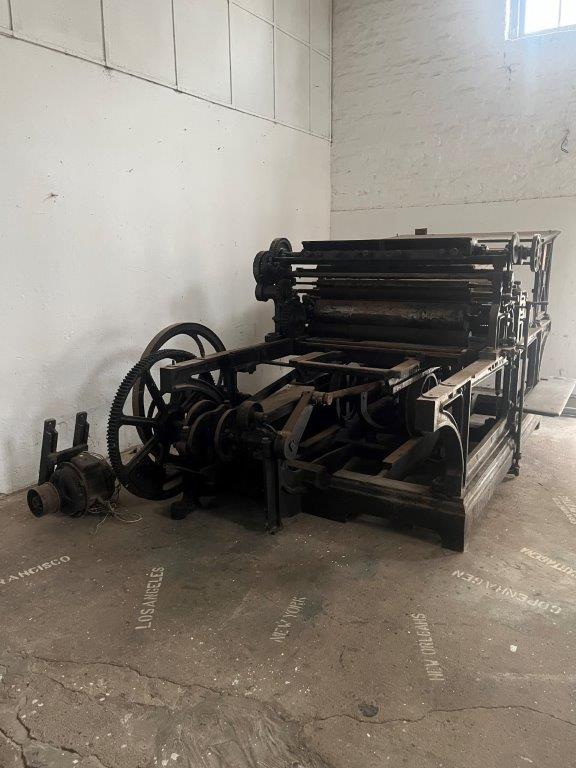
It takes about 32 kilograms of beef to produce about 1 litre of beef extract or bouillon. This is not to be confused with beef stock which takes less because in bouillon they only use beef and not bones etc. The concentrated product was much easier and economical to ship. The company was very progressive for its time and wanted to value add and use more of their product. People were looking at different ways of storing food and tin cans were looking like a good option for the Uruguayan business. They started producing their own tins on a larger scale. Being isolated they had to get creative and do everything themselves. They designed and built machines to make the tins and sterilise them. And from here the brand Fray Bentos started.

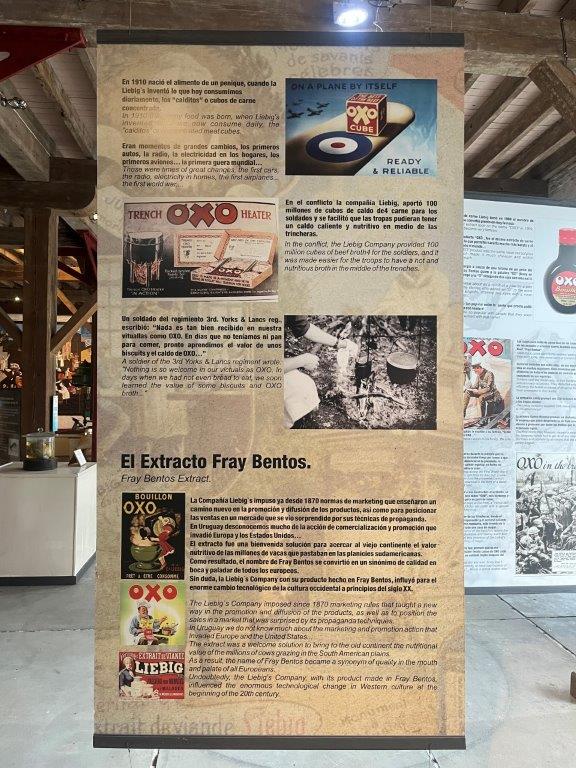
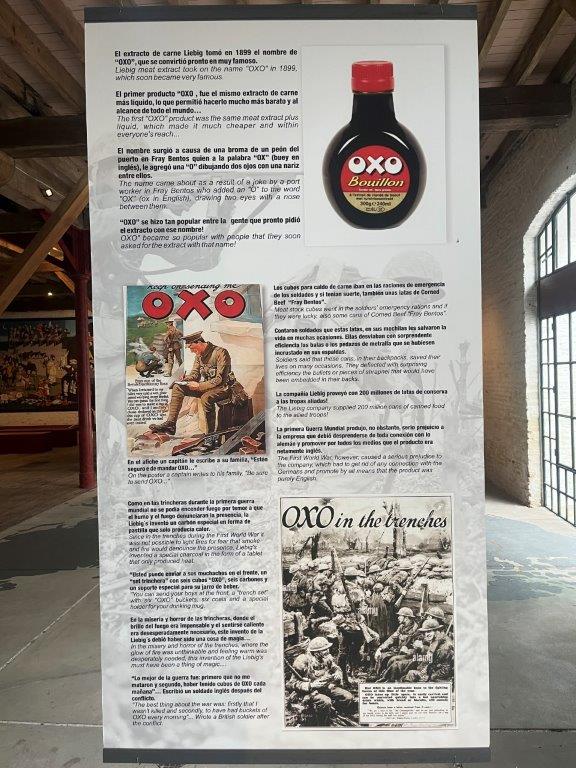
Around that time the Boer War broke out in South Africa and the product was perfect to send to the British soldiers over there as a source of protein. Depending on the source, but the Ox Bouillon became OXO when one of the workers added an O to the label and the name stuck. So OXO and Corned Beef, commonly called Fray Bentos became household names.
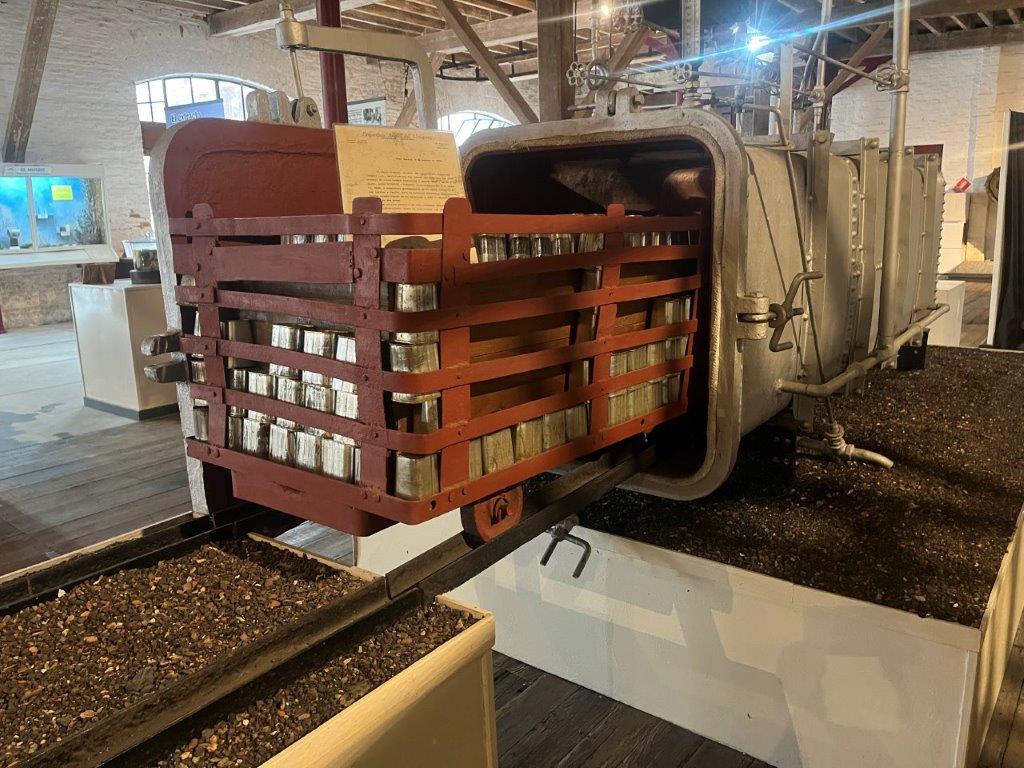
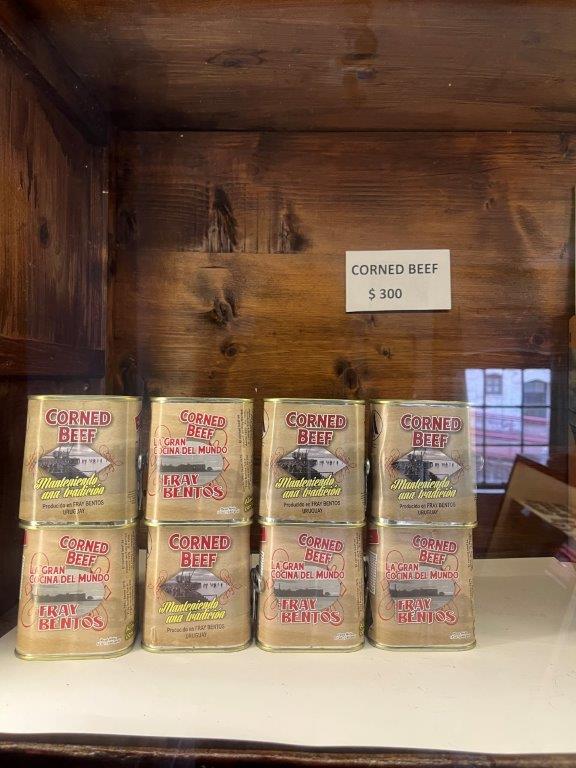
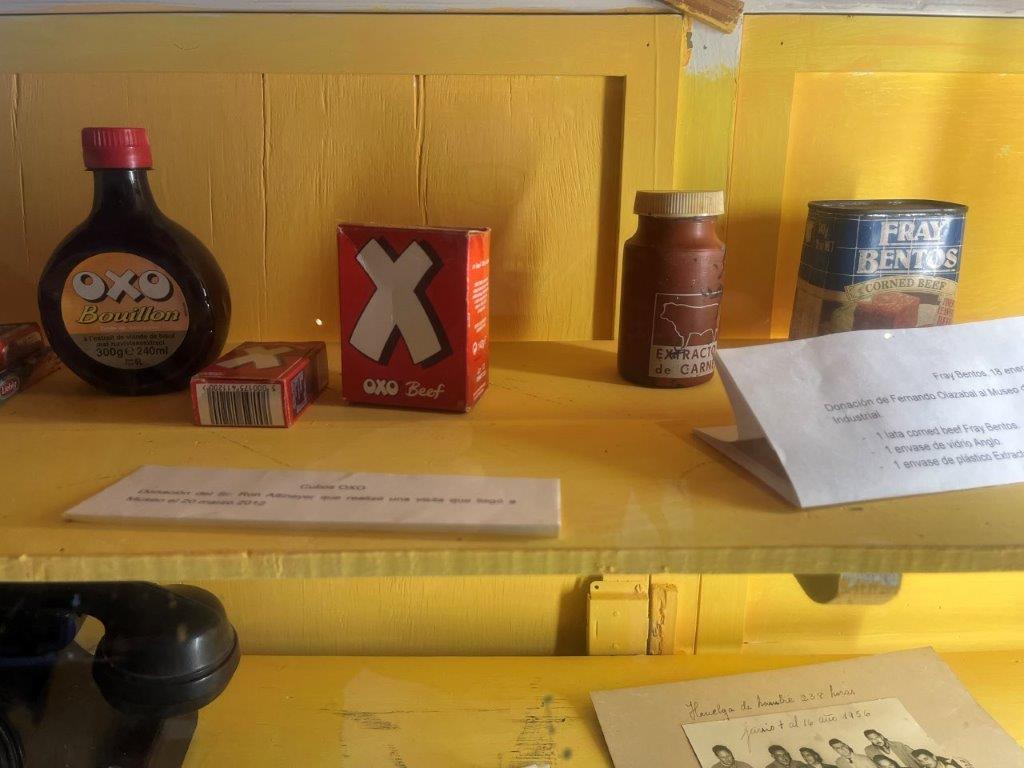
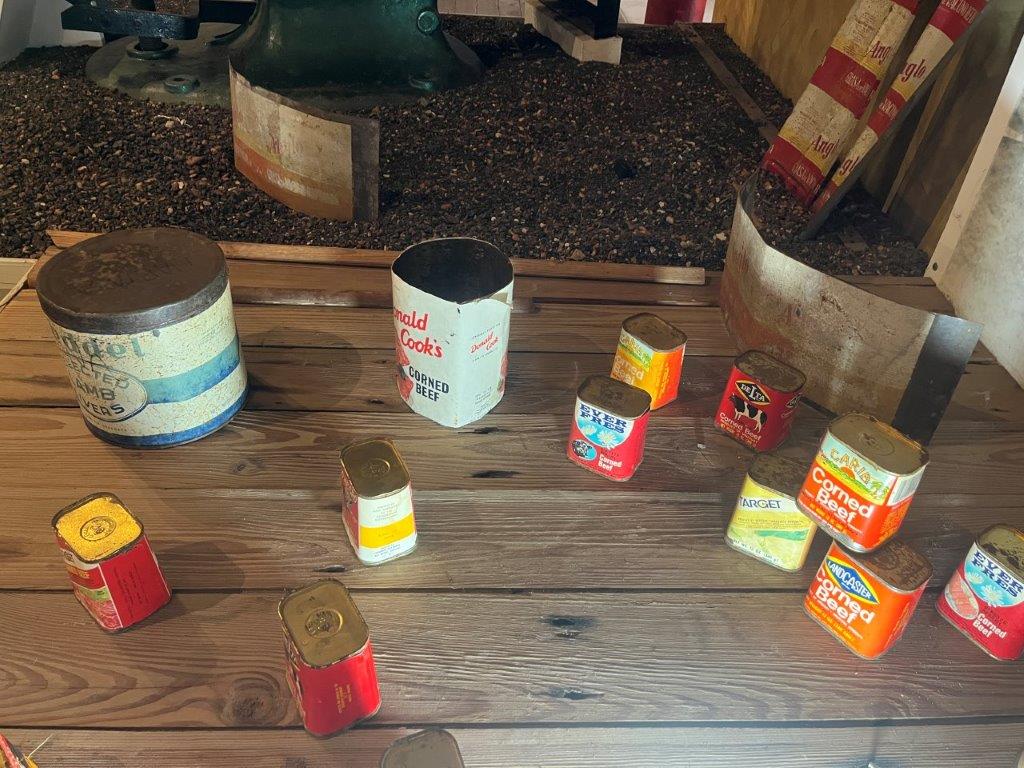
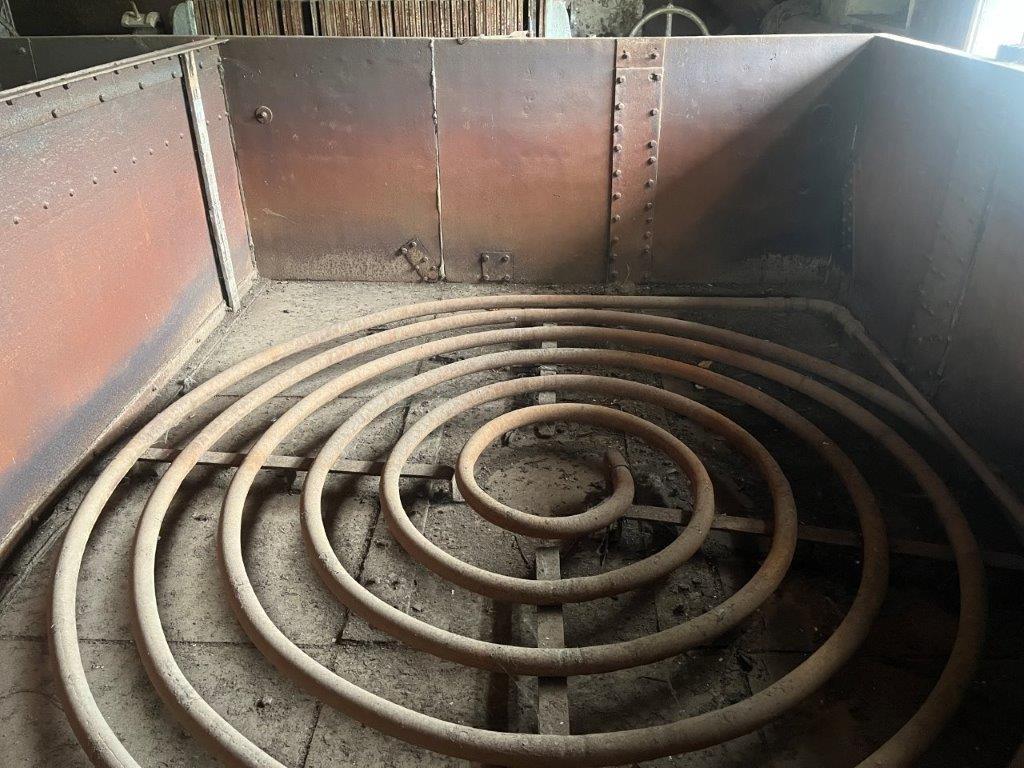
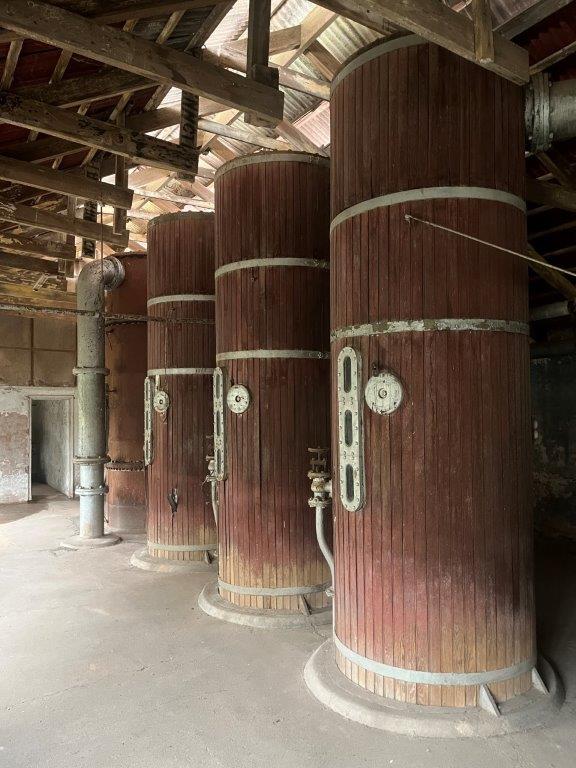
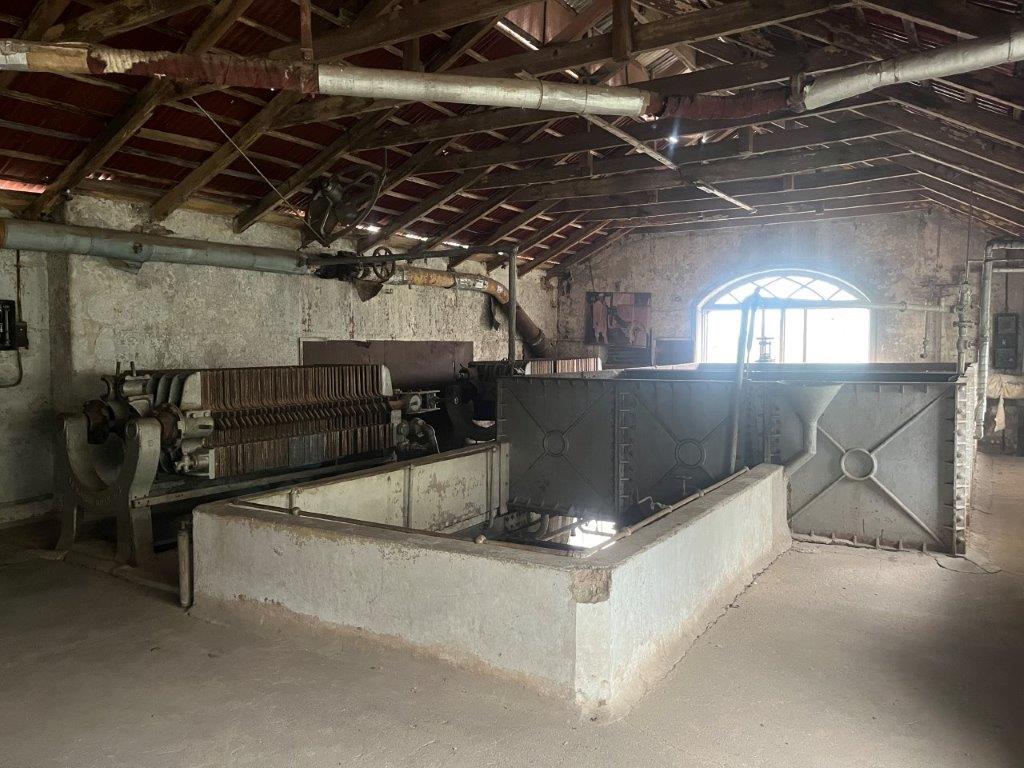
The first world war had broken out and the soldiers on both sides needed food in the trenches. The company with its German and British founders had to tread a narrow line and nothing was said as Uruguay was a long way from the war and both sides just wanted to feed their troops. The company was expanding quickly and people escaped Europe to start a new life in Fray Bentos. The company supplied housing and schools and a social life. as well as good working conditions, pay, hours and healthcare for its workers.
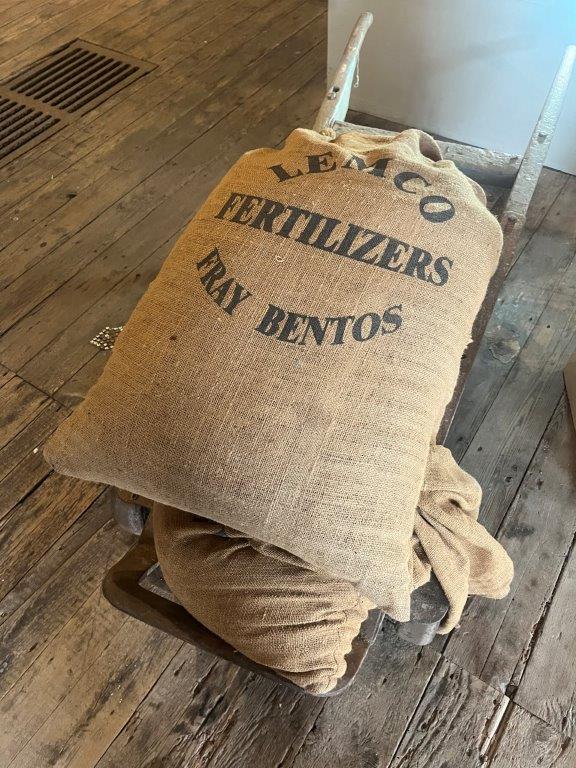
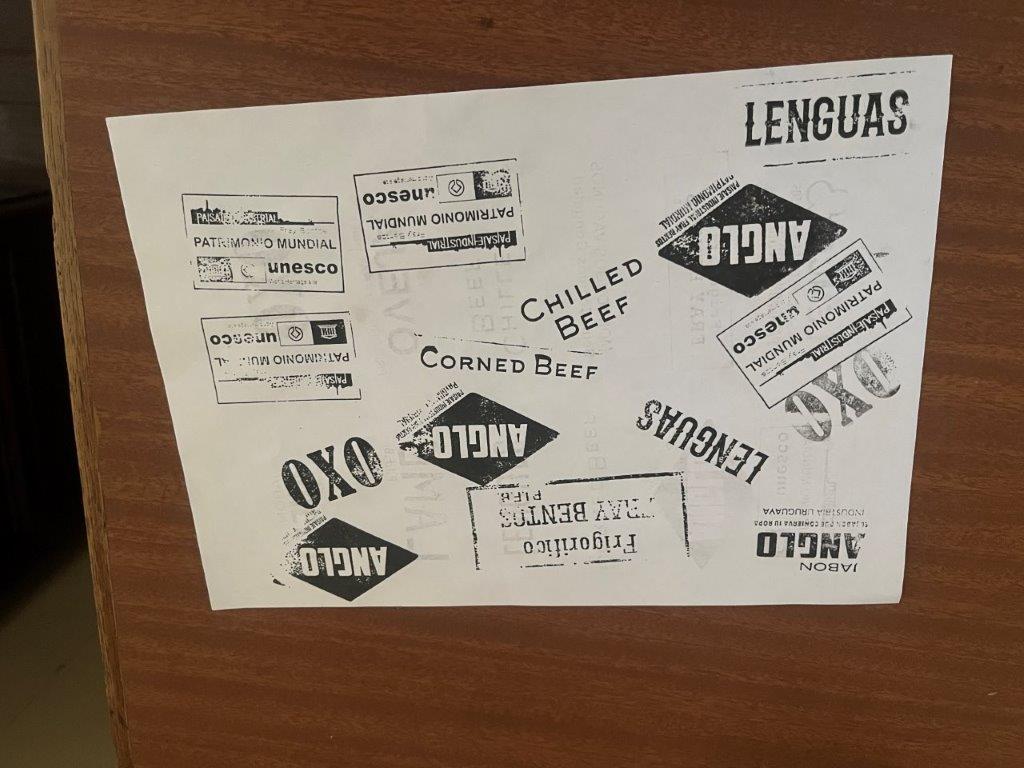
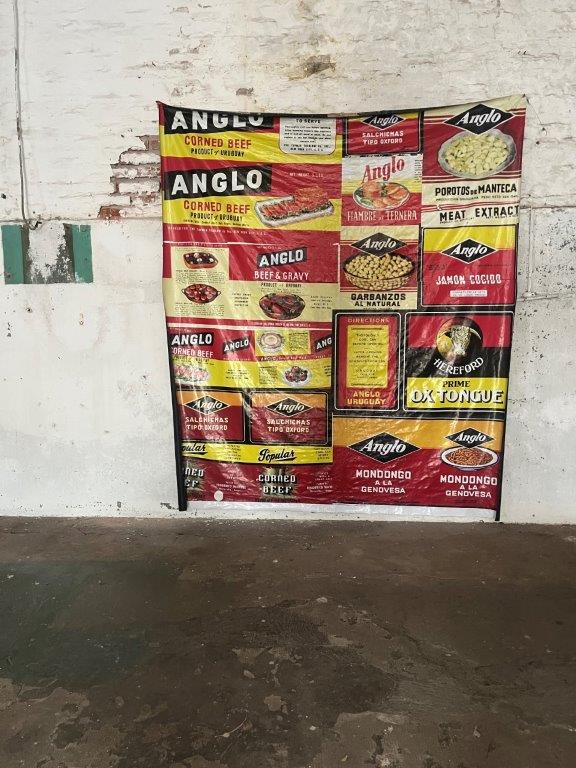
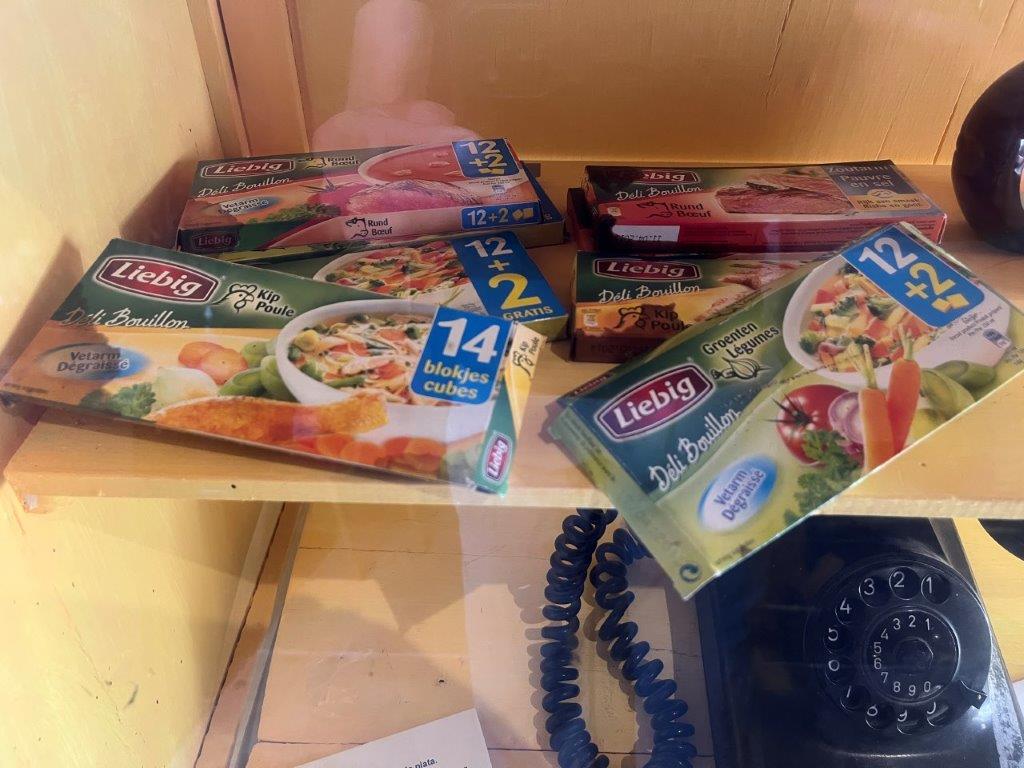
They found new markets and products and ways of using every part of the animal. One thing I found interesting was they made a charcoal out of the bones which was able to produce enough heat to boil water without giving off any smoke and was perfect for the trenches in the war so that the soldiers could heat up water to make their OXO drinks without giving up their location. They also invented the OXO cube which only cost a penny and was affordable for poorer families to get access to some meat protein.
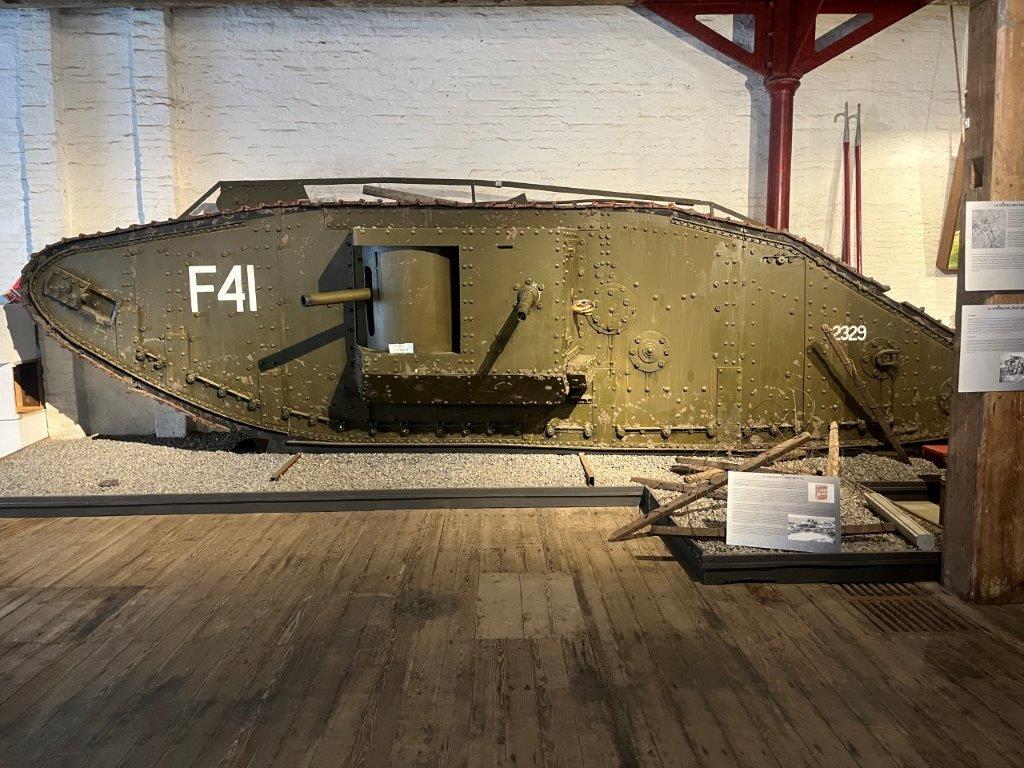
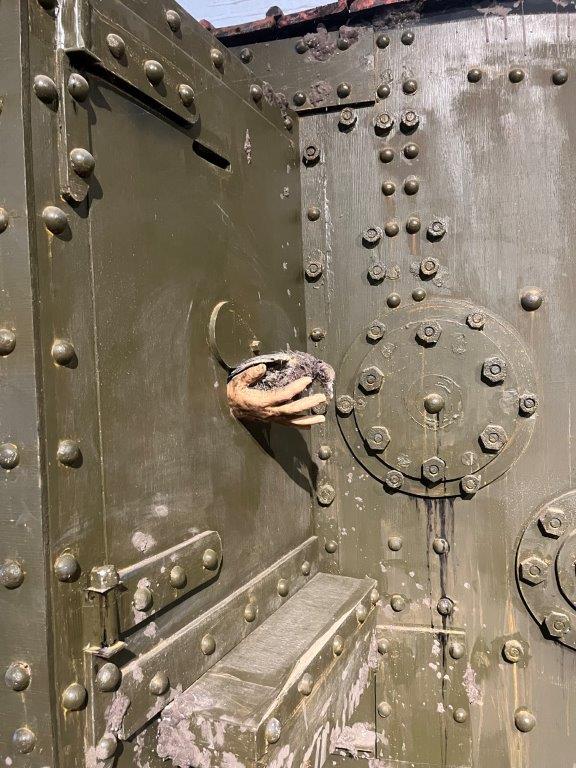
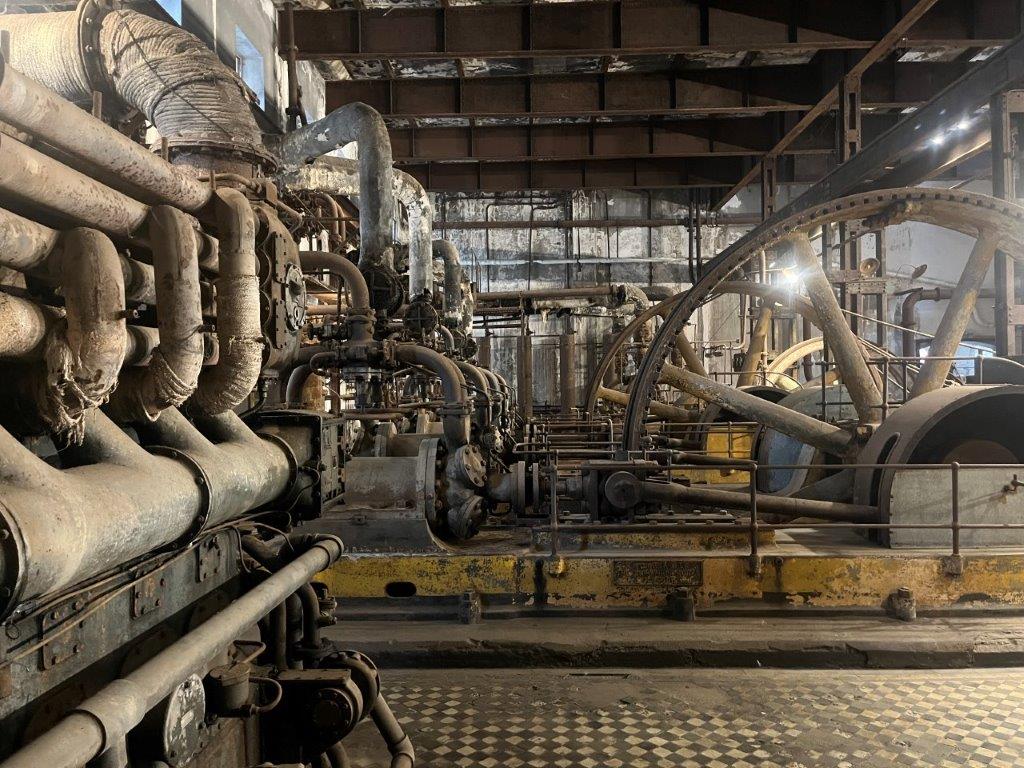
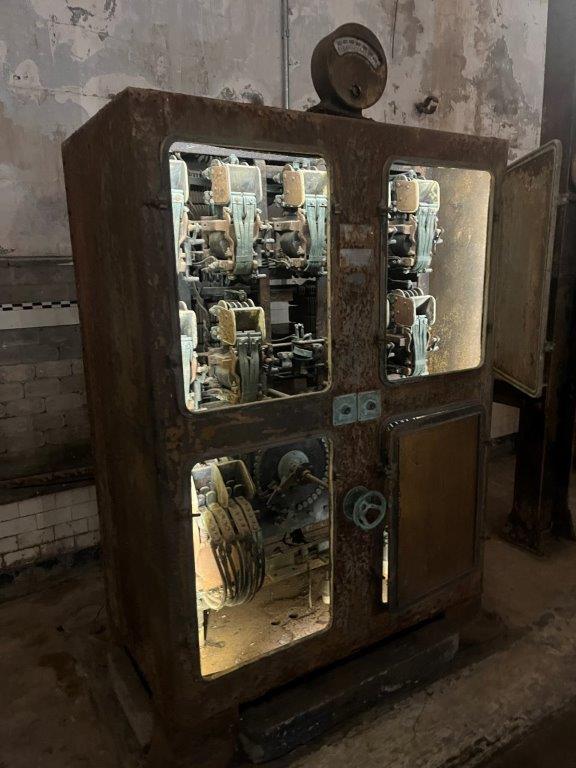
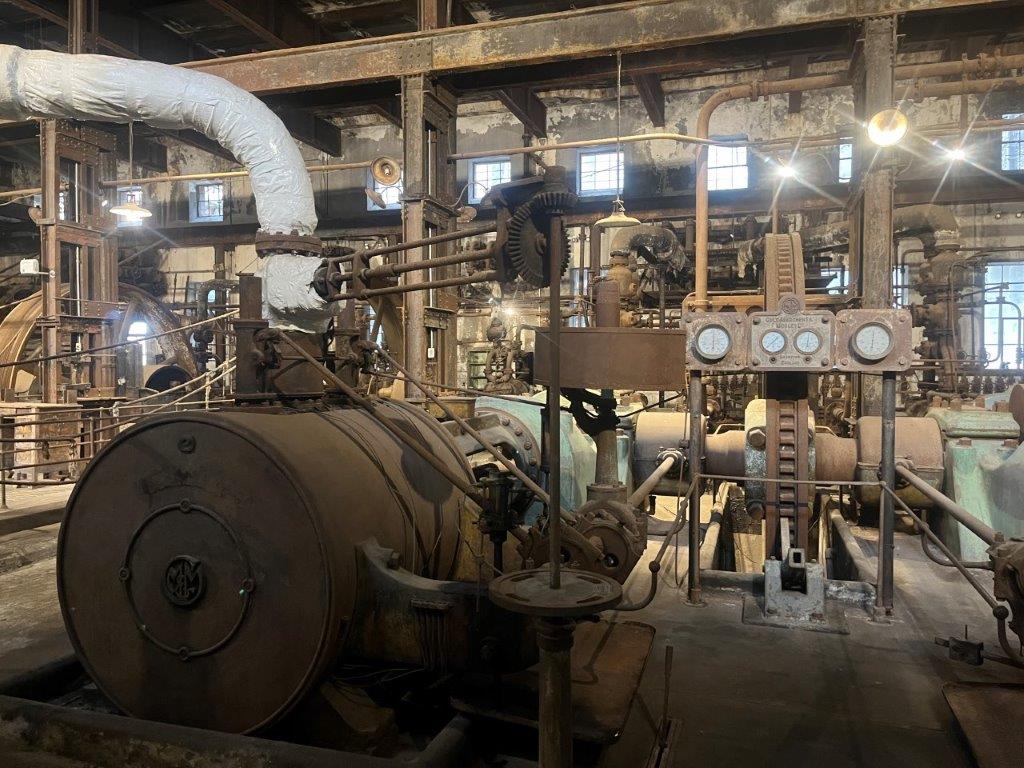
The company also excelled at marketing and innovation. As their plant grew, they developed hydro electricity from the adjacent Uruguay River. They were the first part of Uruguay to have electricity. They built, modified, and invented machines to do everything. They were also in the forefront of refrigeration and this opened them up to much bigger markets and they built huge cool rooms to store the meat which now could be shipped in better ship and in faster time to Europe. When World War Two broke out business was booming but this time they needed to prove they were not supporting the Germans and so the company promoted the name Anglo but to the world it was called Fray Bentos by then anyway. In 1943 they sent 16,000,000 cans of corned beef to Europe, and the Uruguayan Peso was stronger than the US dollar. The F41 tank below was a replica of a famous tank of some war heroes who were trapped in their tank for several days and called it Fray Bentos because they were fresh meat in a tin. All but one survived.
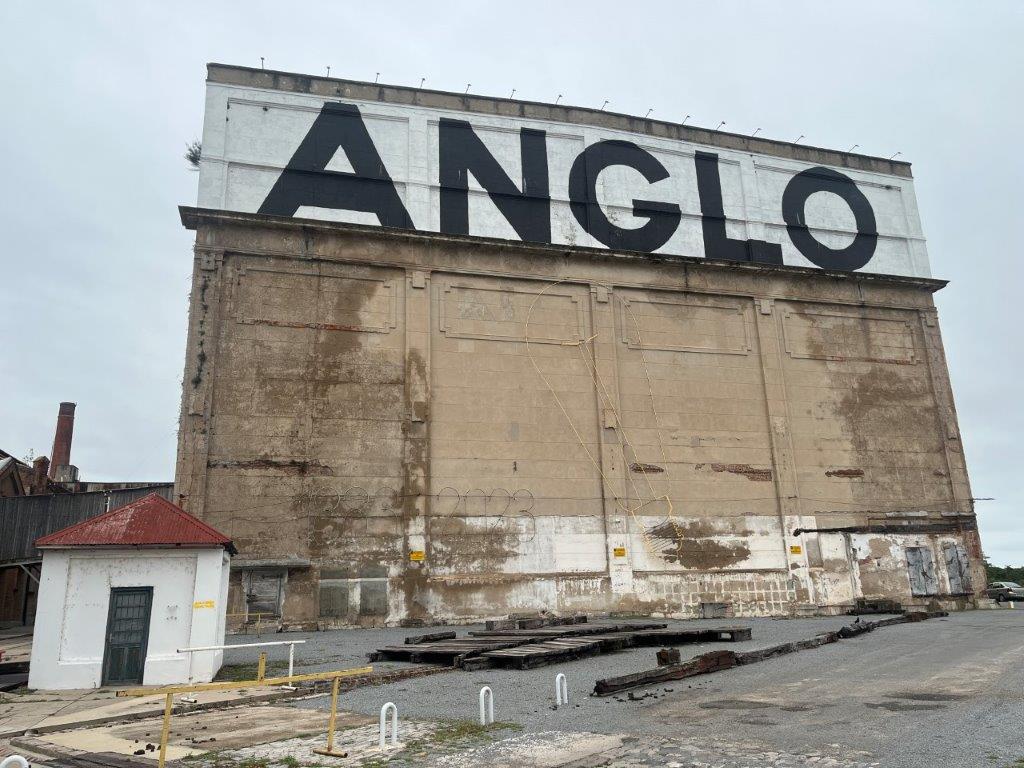
At its peak the factory had about 5,000 workers from 50 different countries and could process 400 cows an hour. They then expanded into other products and at one stage had over 200 different products they sold which were all sourced locally. The company was eventually swallowed up by buyouts and mergers with multinational companies and lost its drivers of innovation. And peoples tastes changed as well and new products and processes became available.
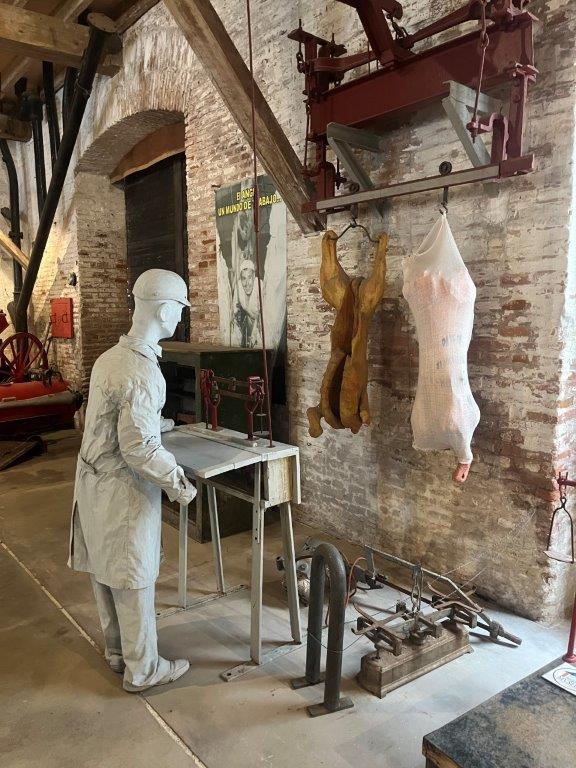
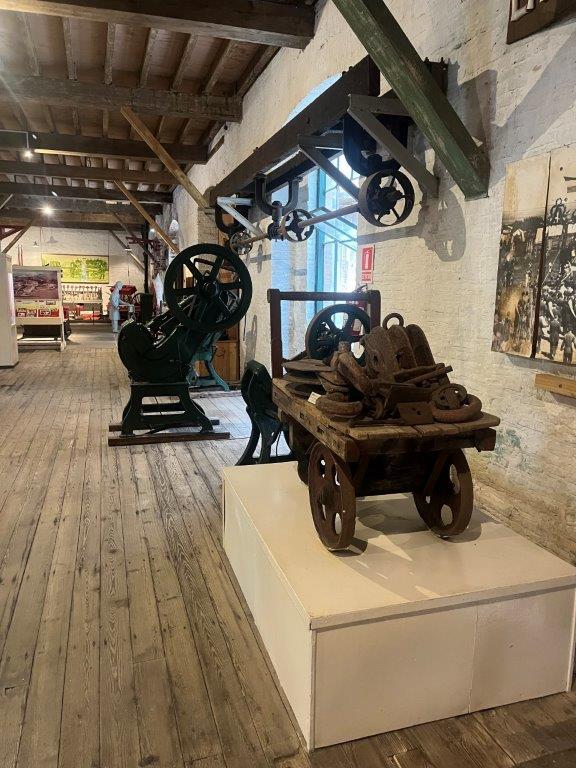
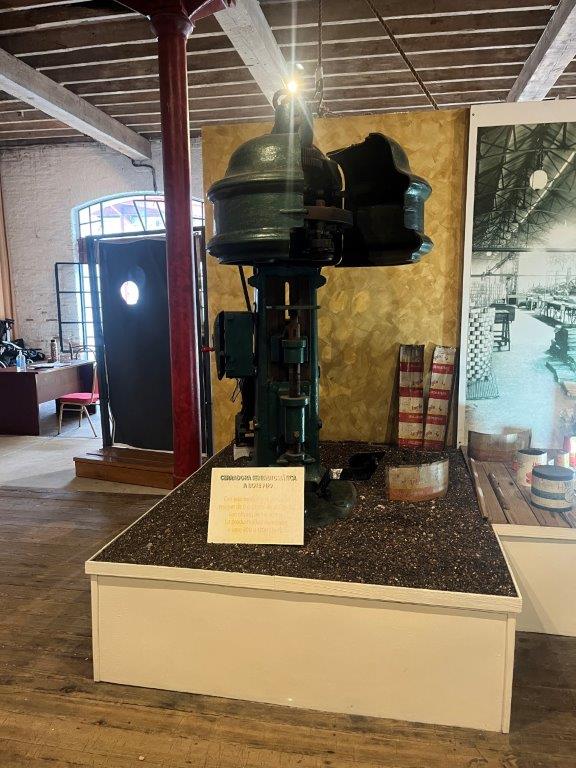
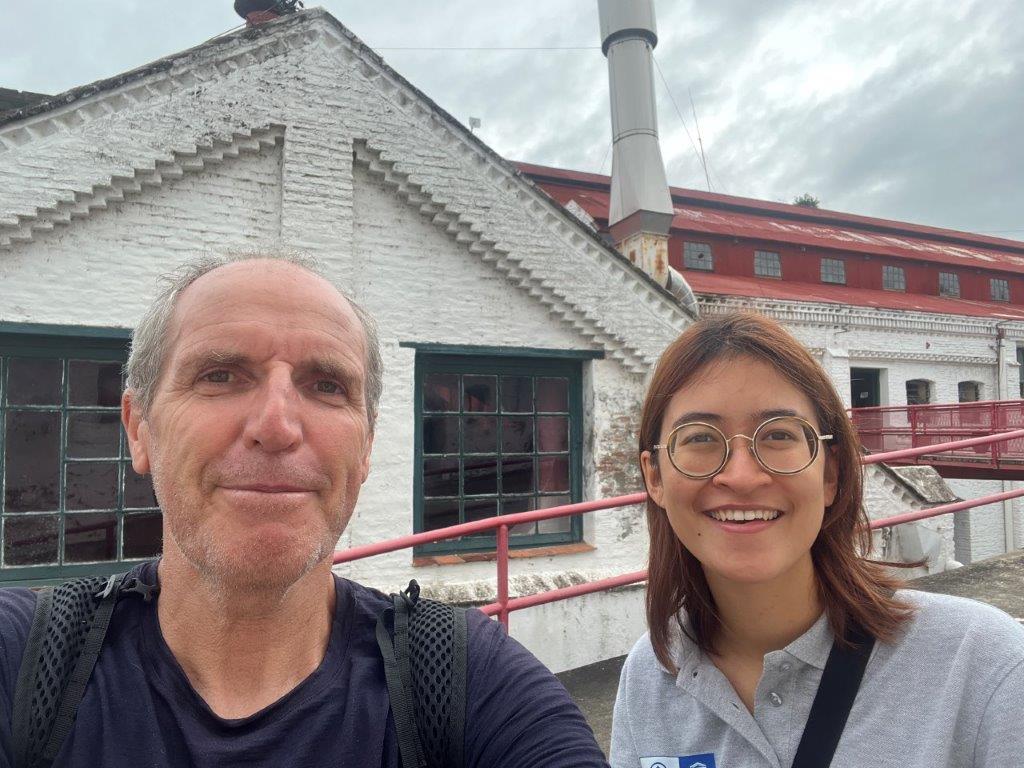
Fast forward to today and the factory is now a museum of the past. It’s a UNESCO World Heritage site and I would say completely undiscovered. Although I can understand that a slaughterhouse for animals may not be everyone’s cup of tea. But there is a lot more to it than that. I had a lovely young German guide who was a UNESCO volunteer and had been there for 6 months and I was her last ever tour before she heads home. Just me. In English. And she had keys to everything, so I had a great tour. I gave her a nice $25 tip after my tour.
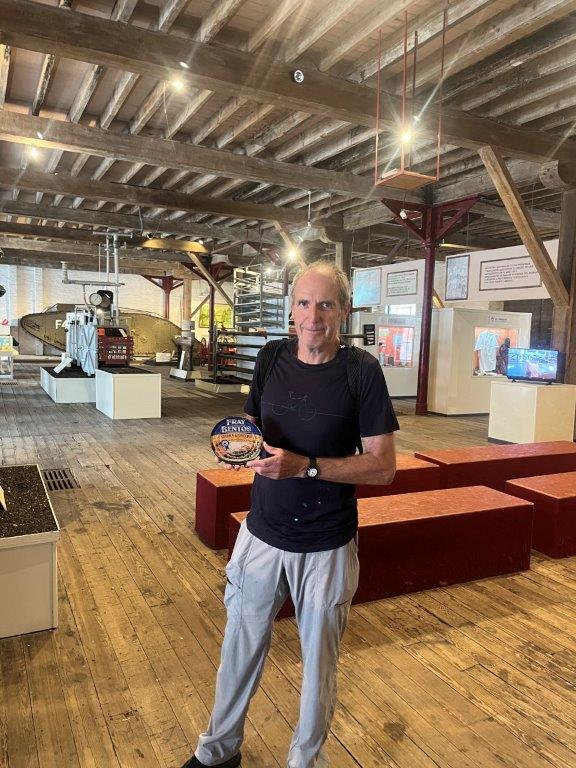
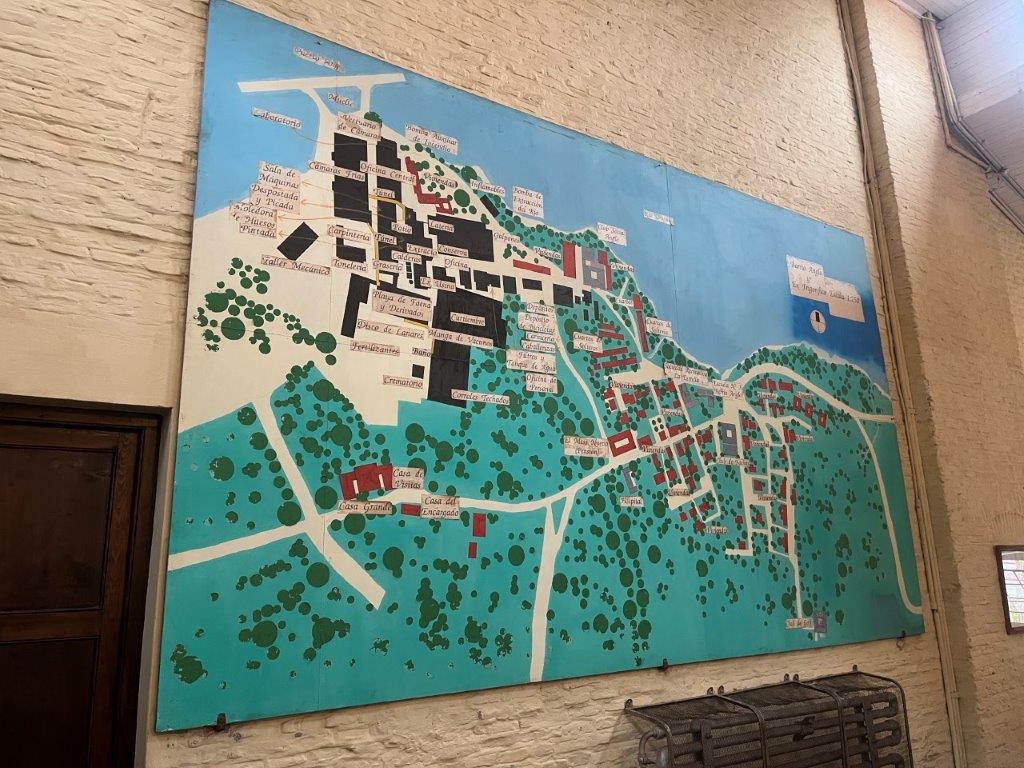
The company closed down in 1979 for a myriad of reasons, but the name still lives on, and you can still buy Fray Bentos products around the world. Most of them are made by Baxters in Scotland, but you can buy a Fray Bentos pie in Woolworths in Australia today, which I think are made by Campbells Soup? Unfortunately only the steak and kidney variety, not some of the other nicer ones I used to eat in London.
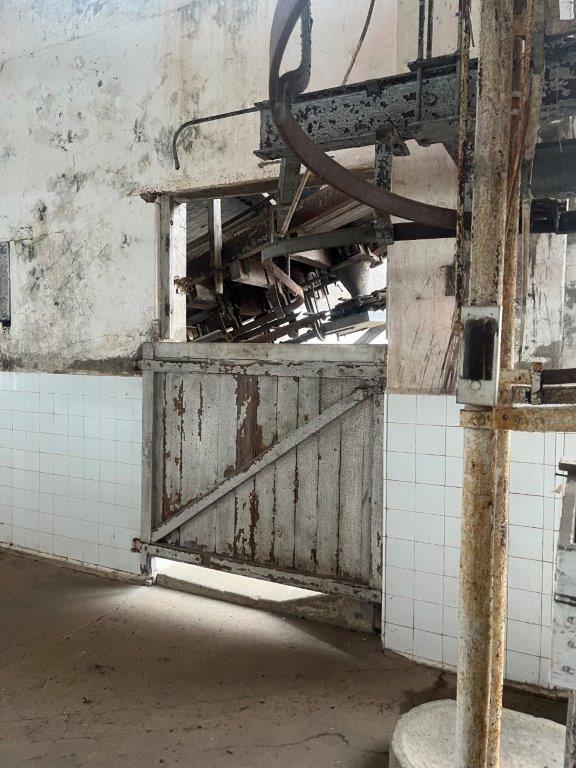
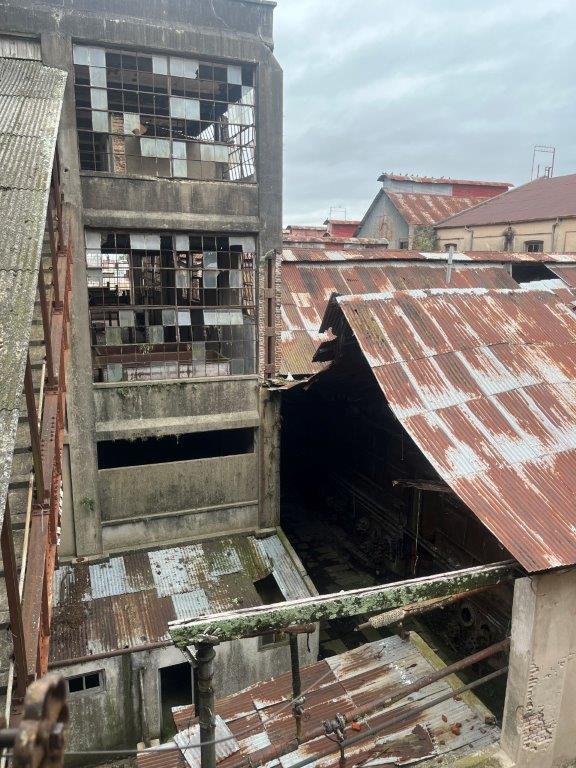
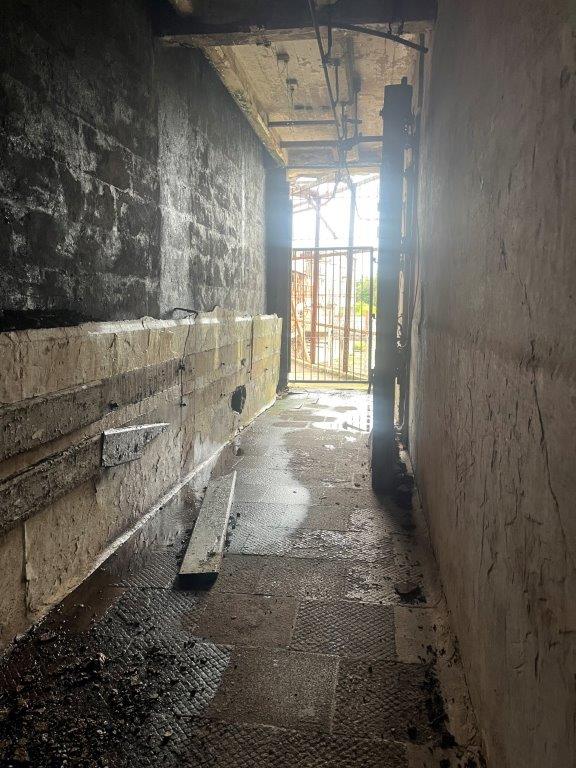
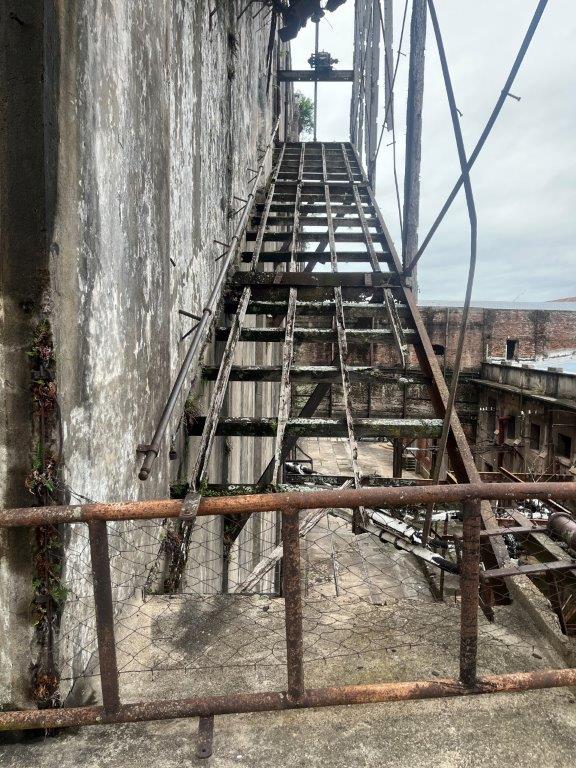
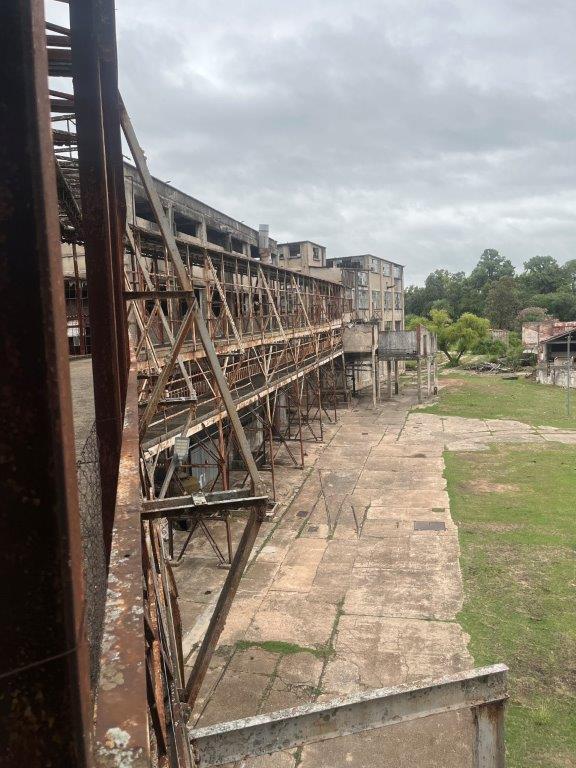
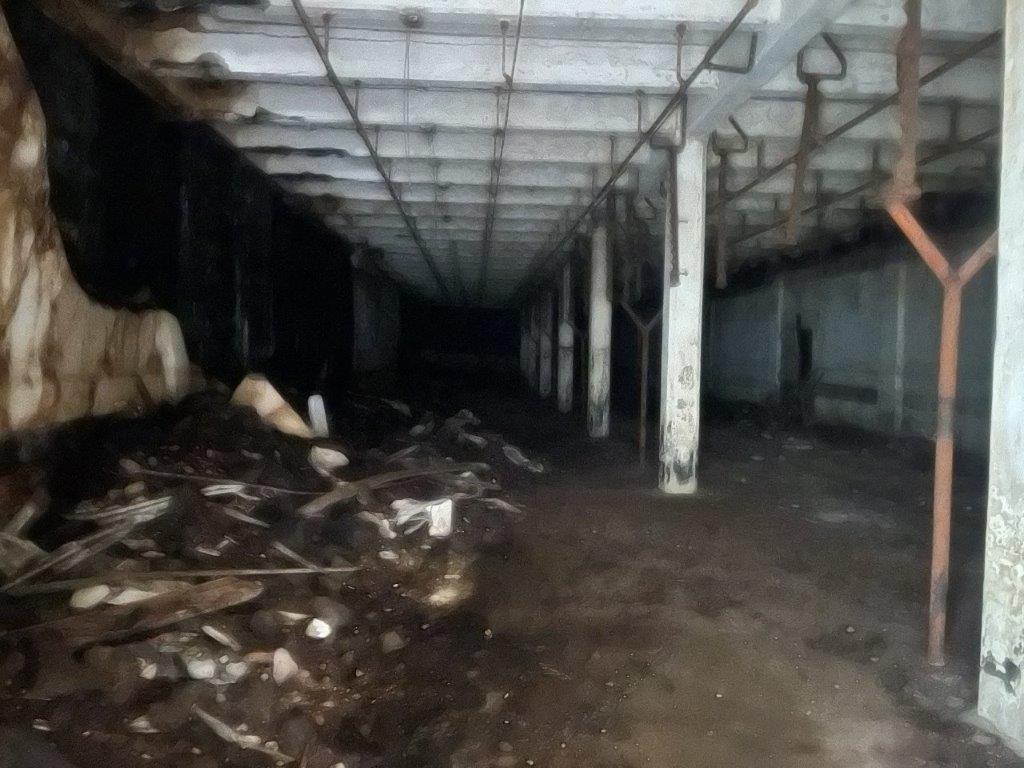
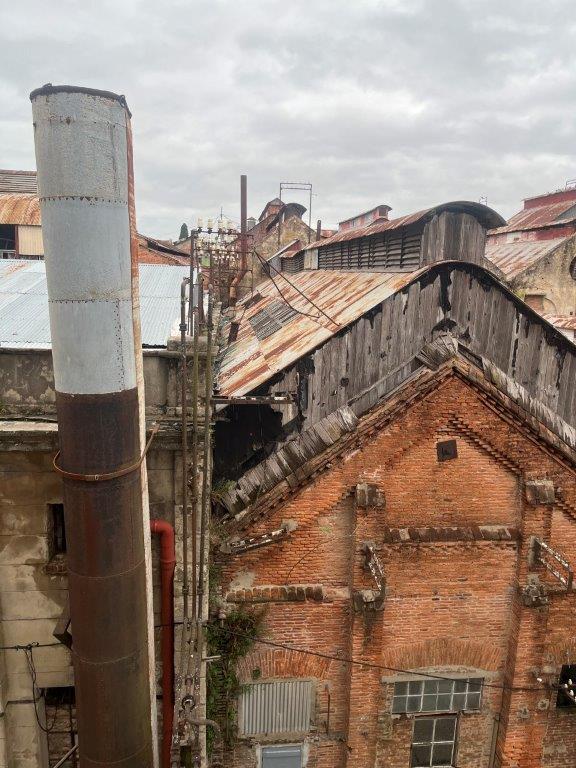
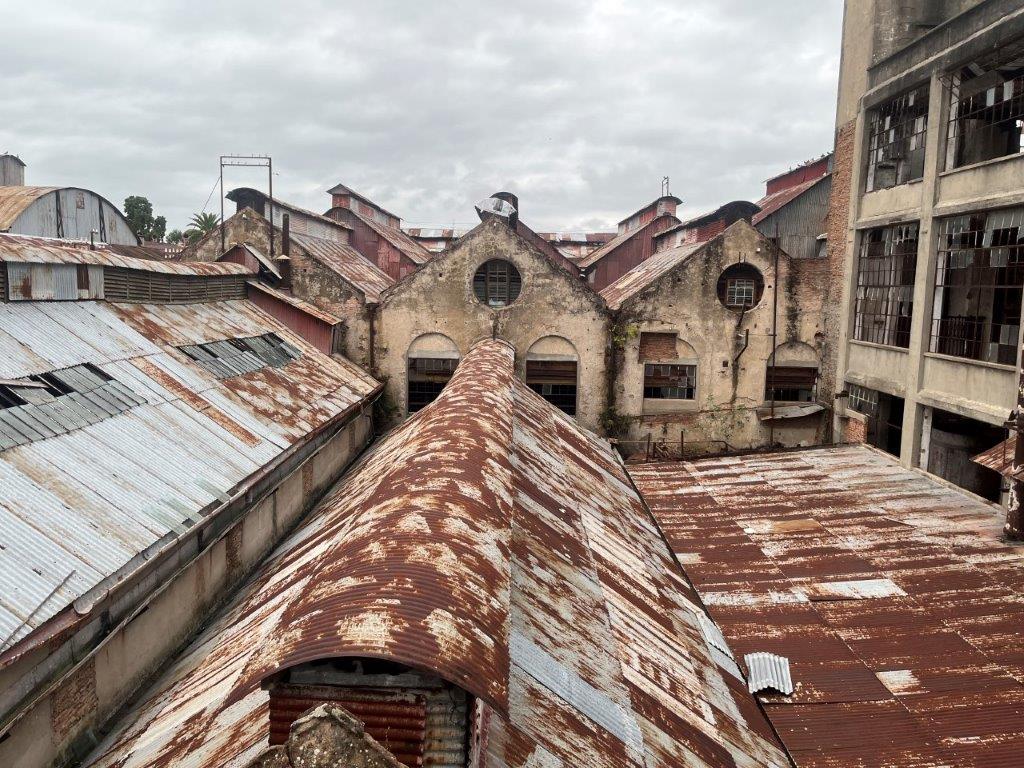
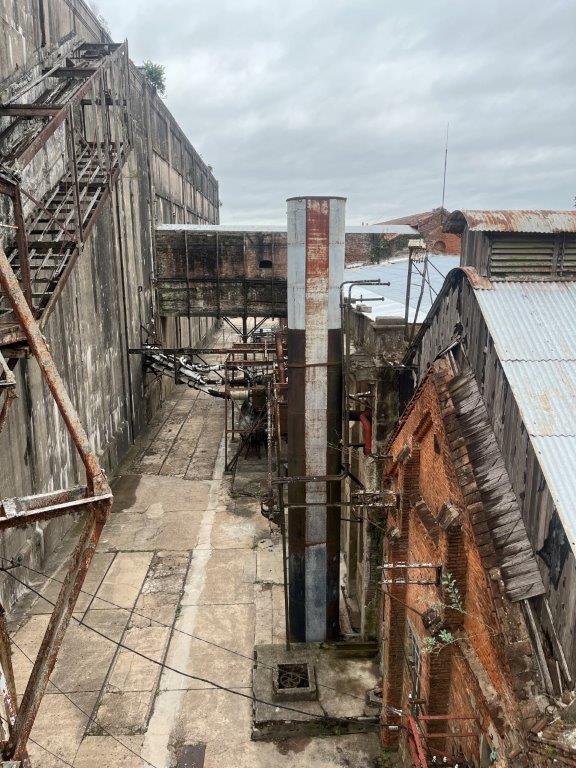
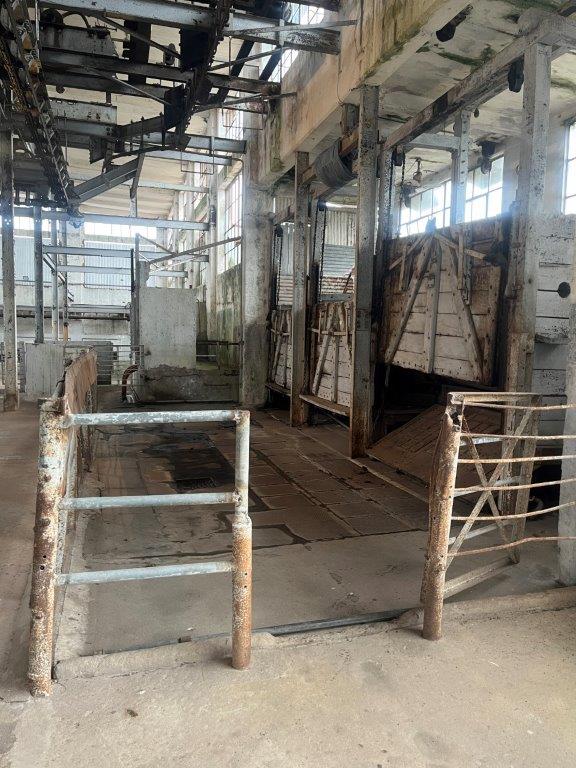
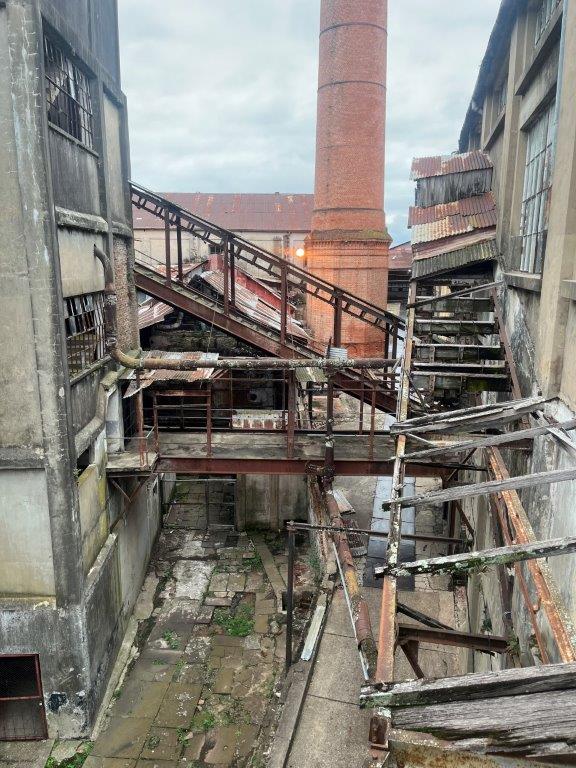
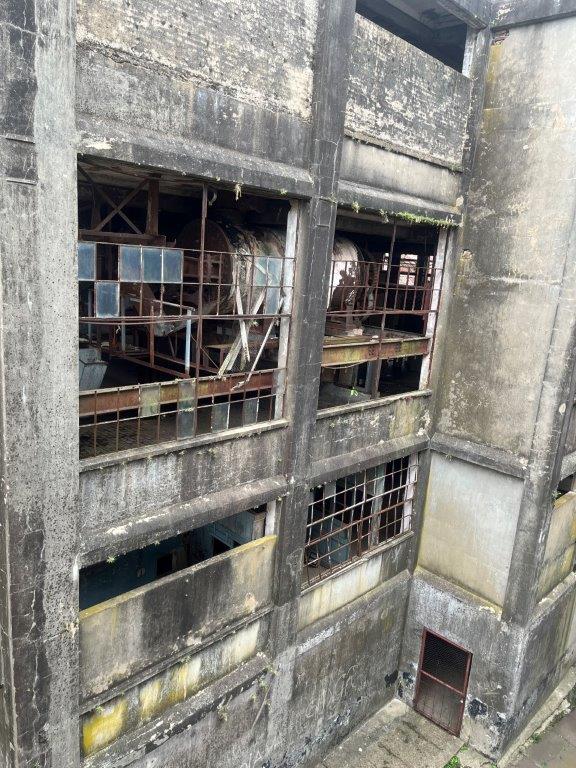
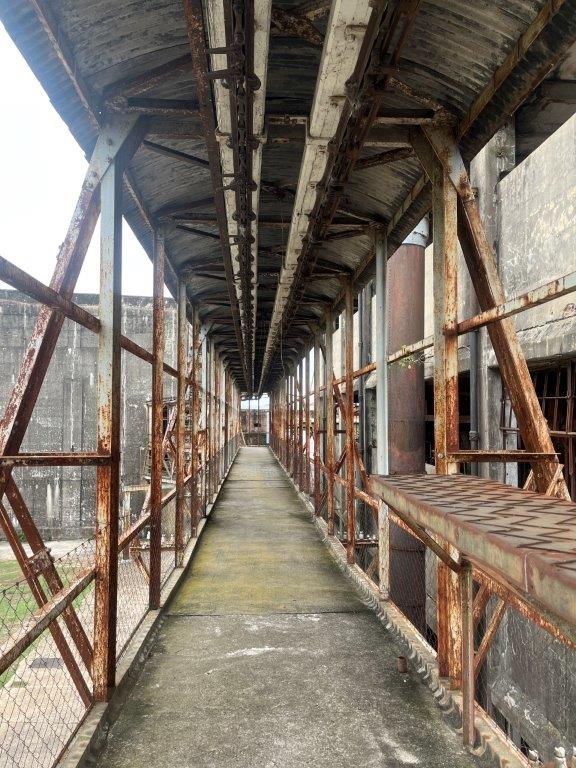
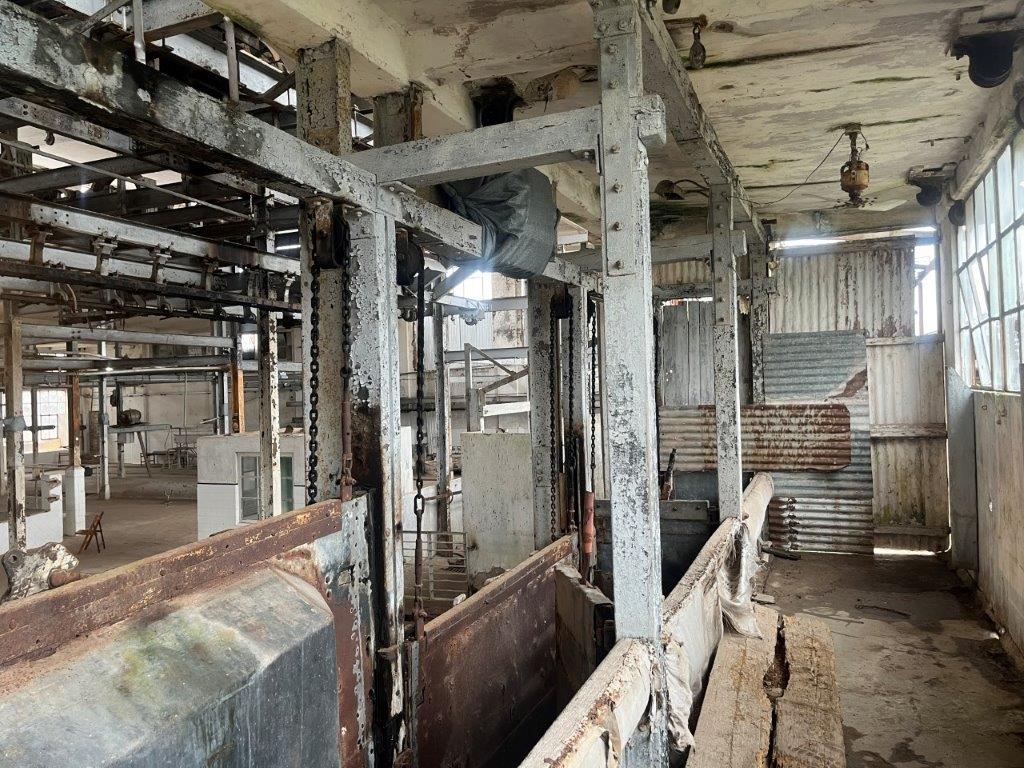
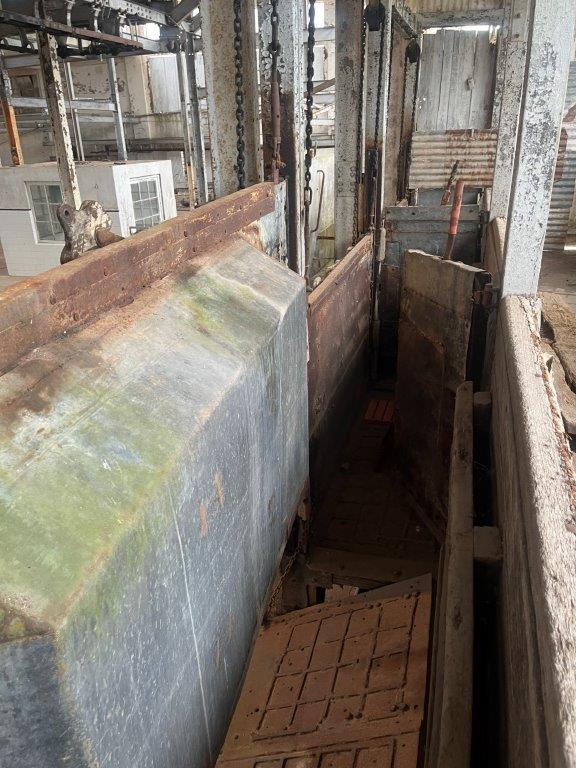
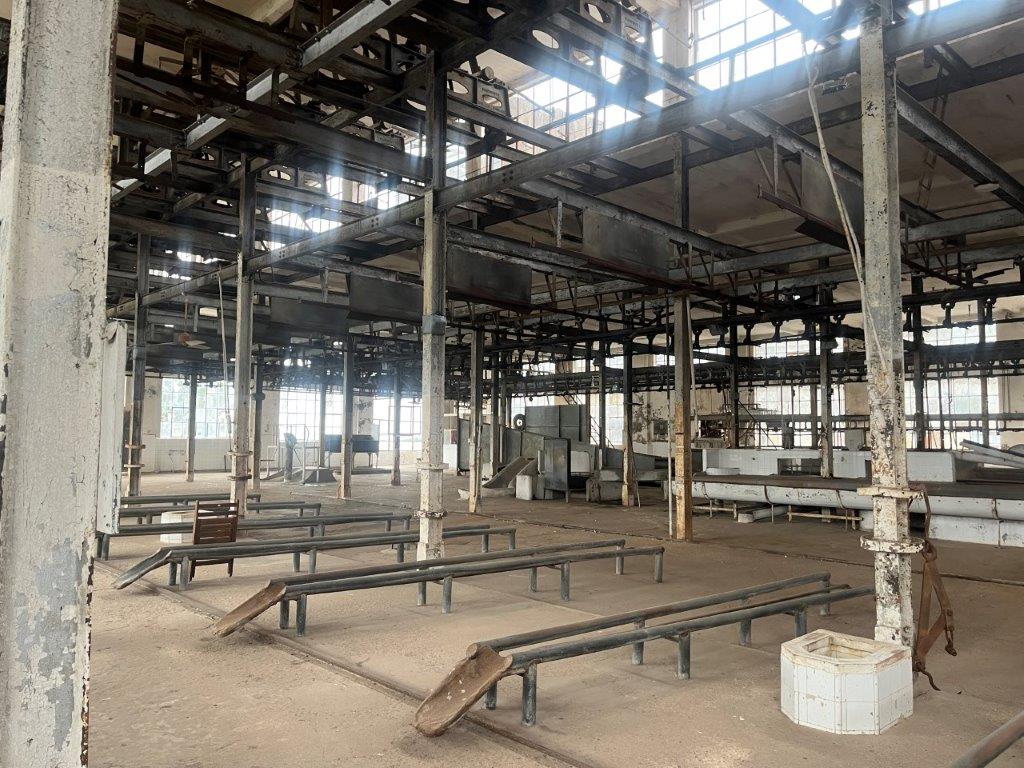
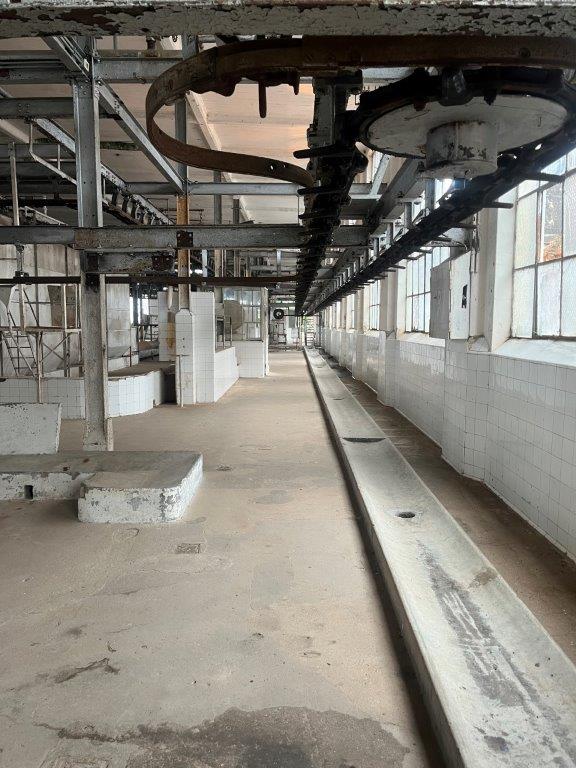
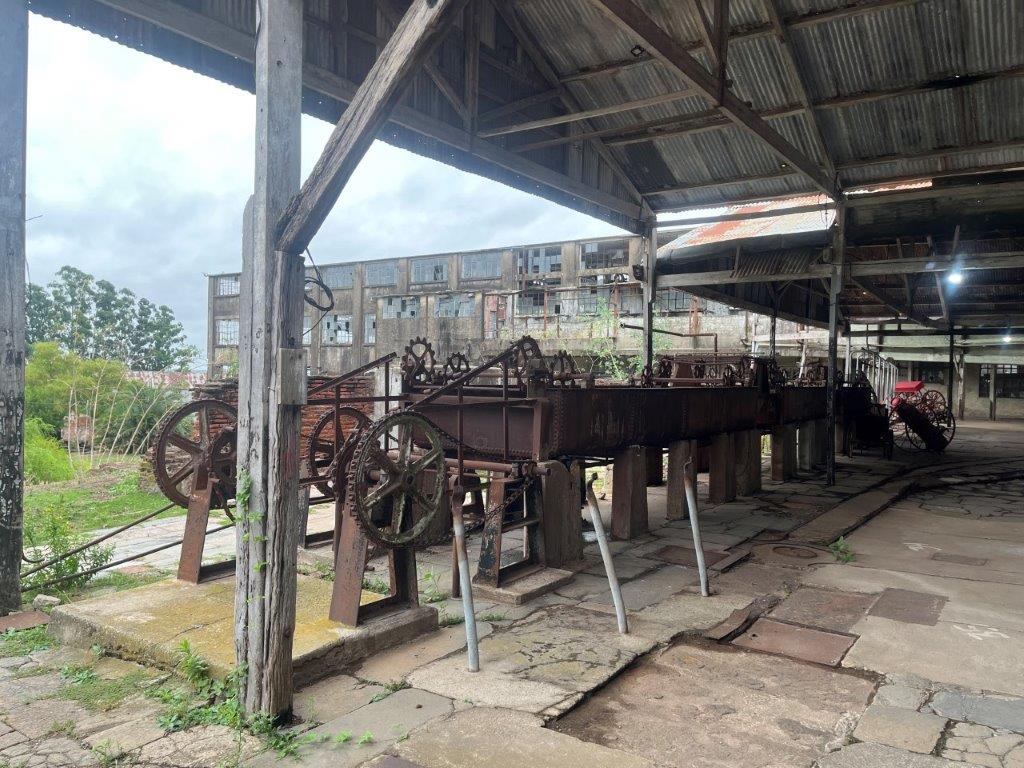
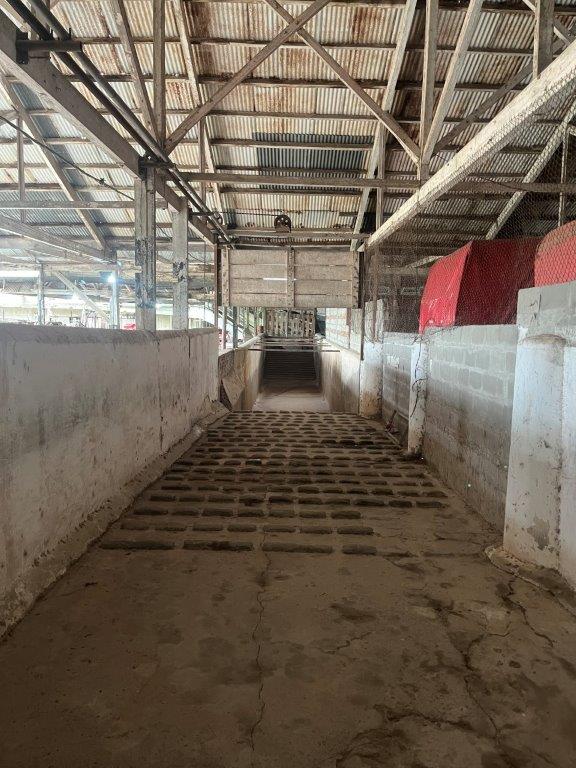
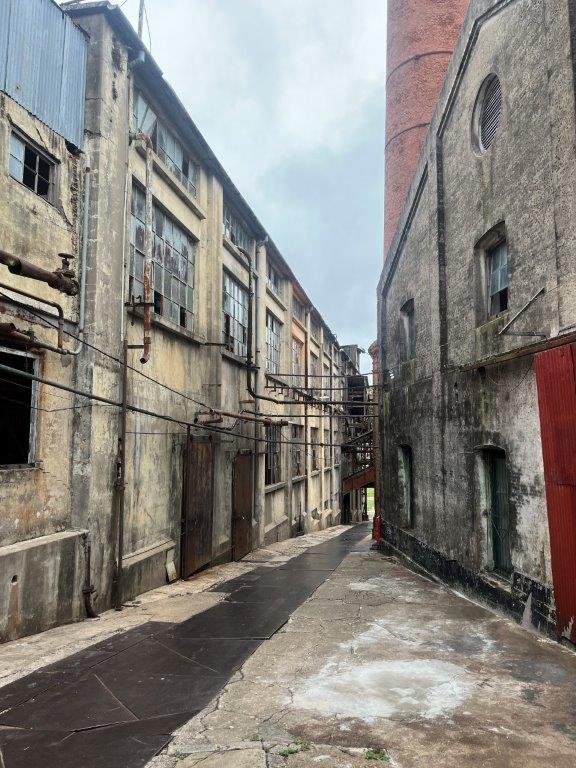
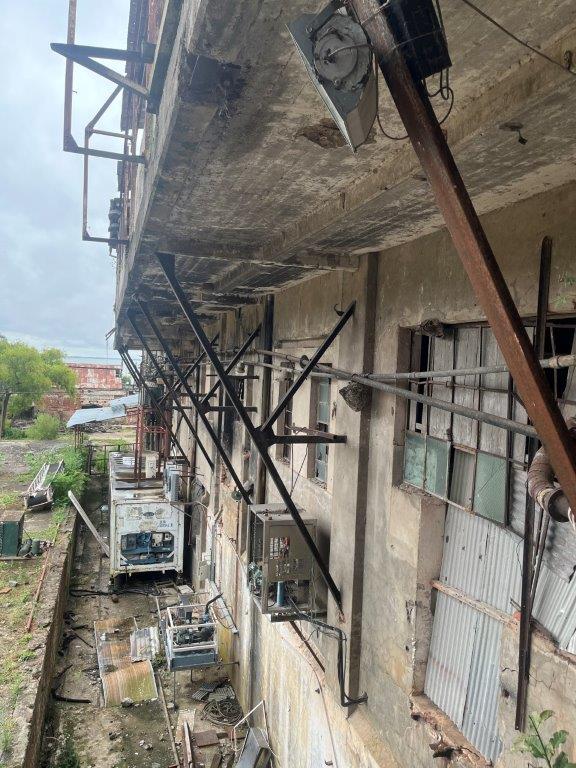
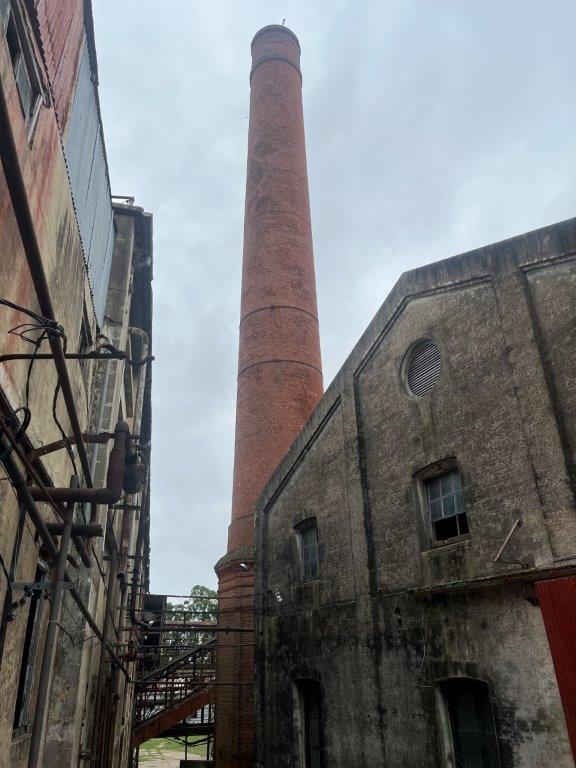
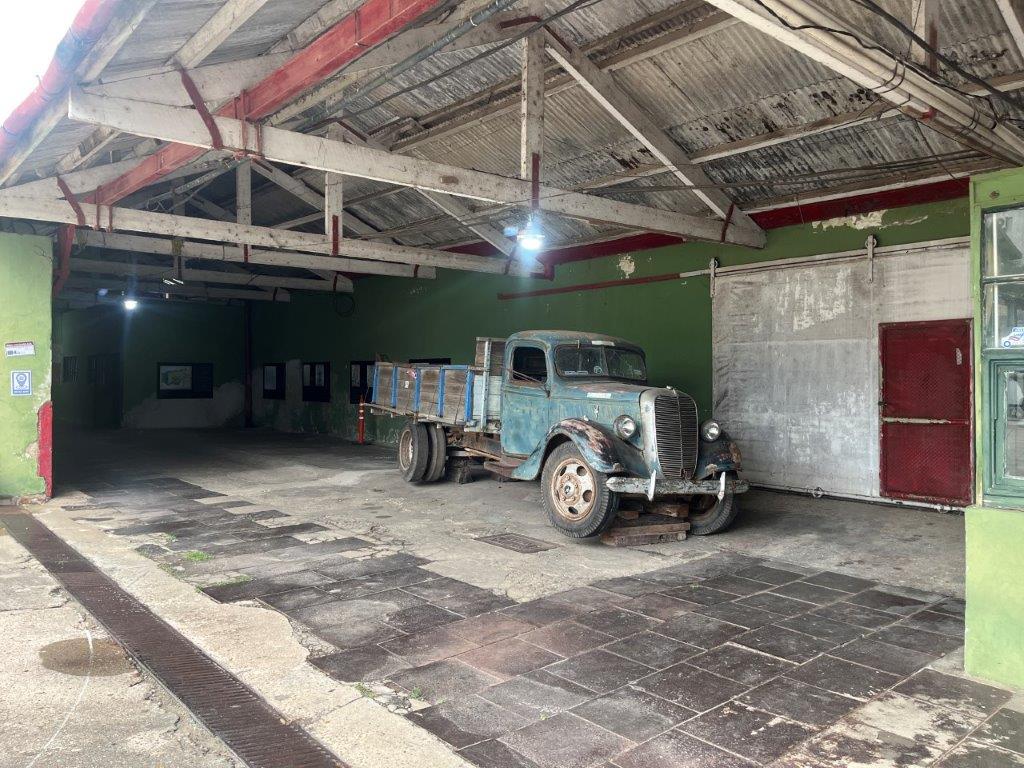
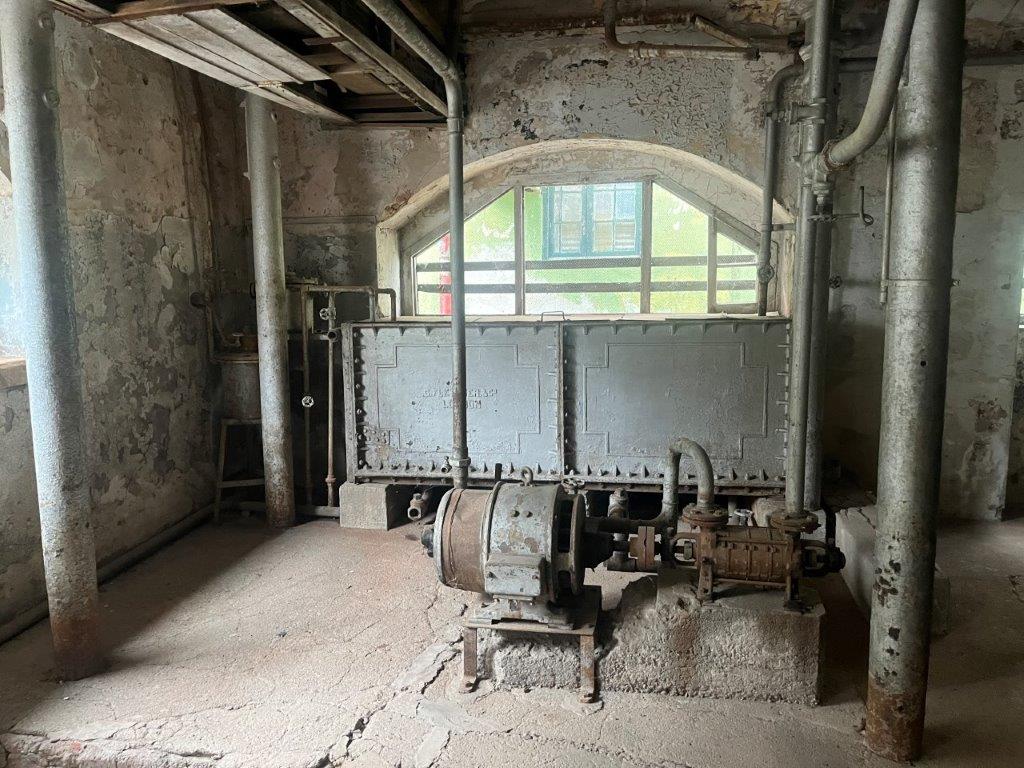
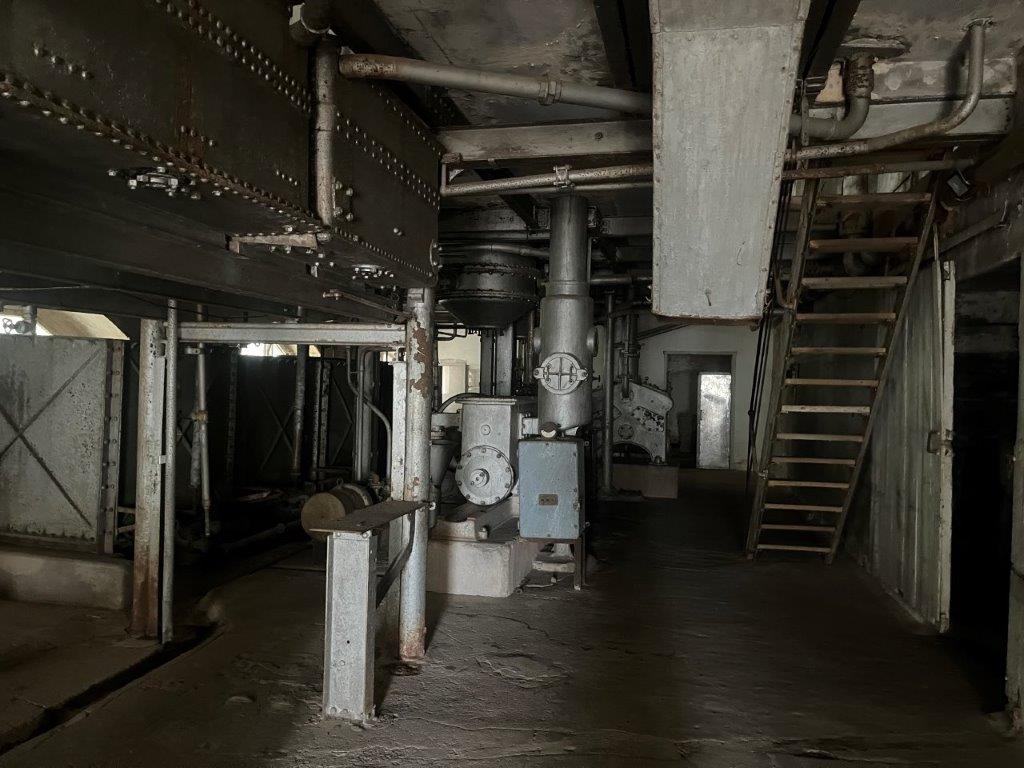
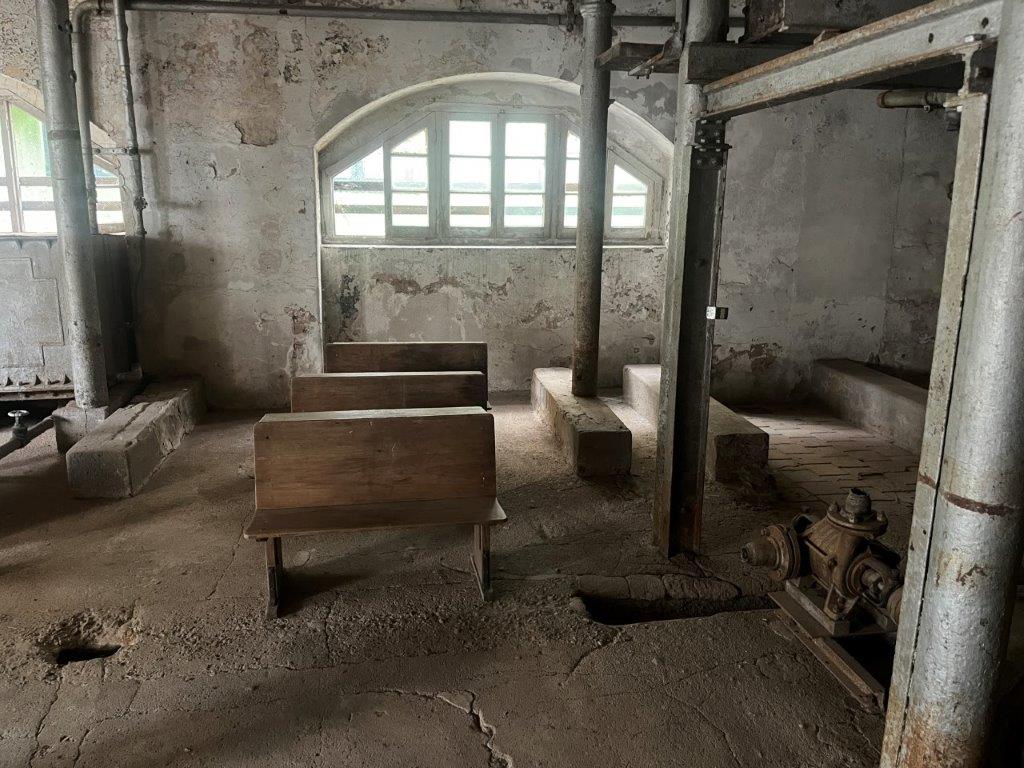
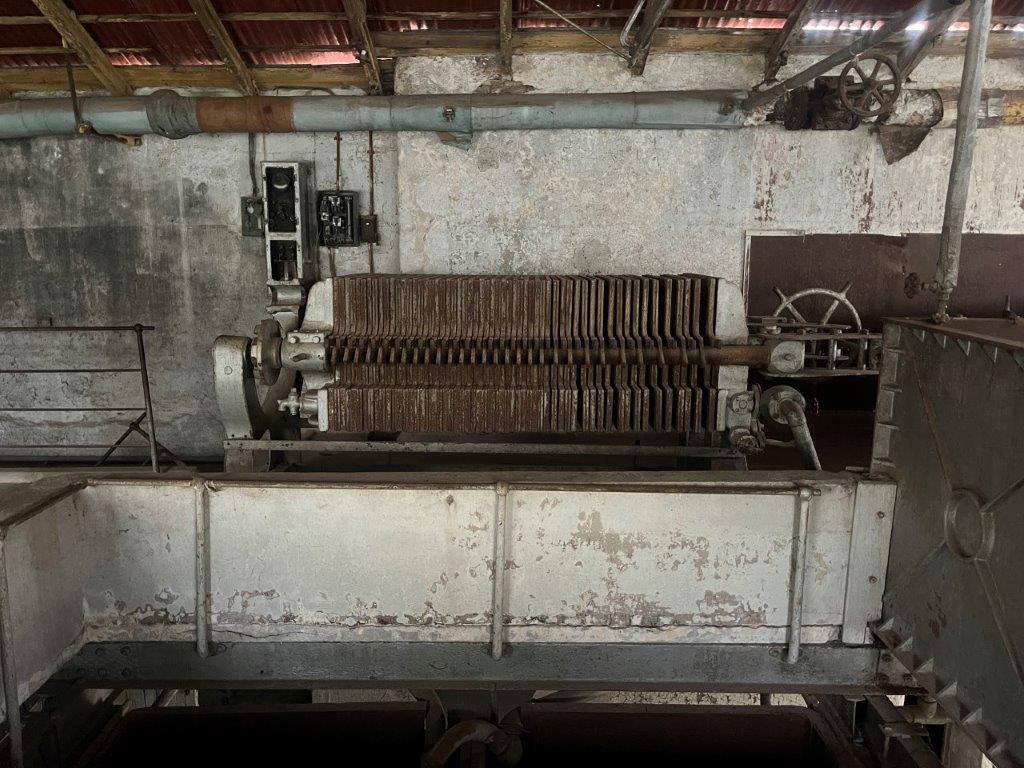
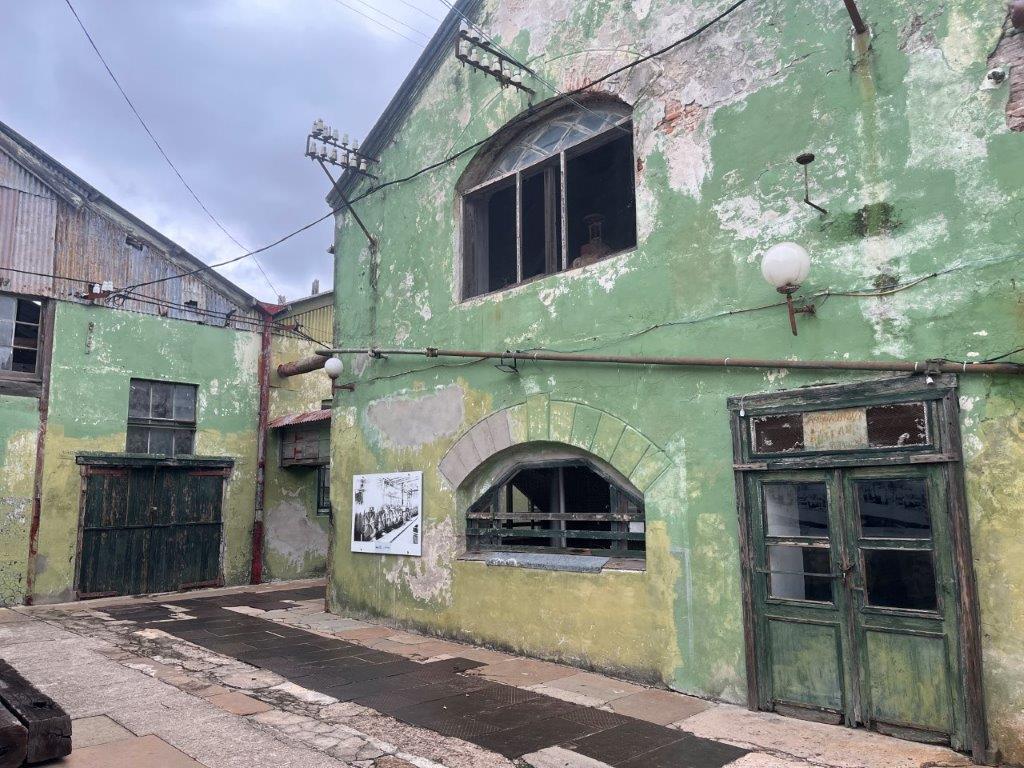
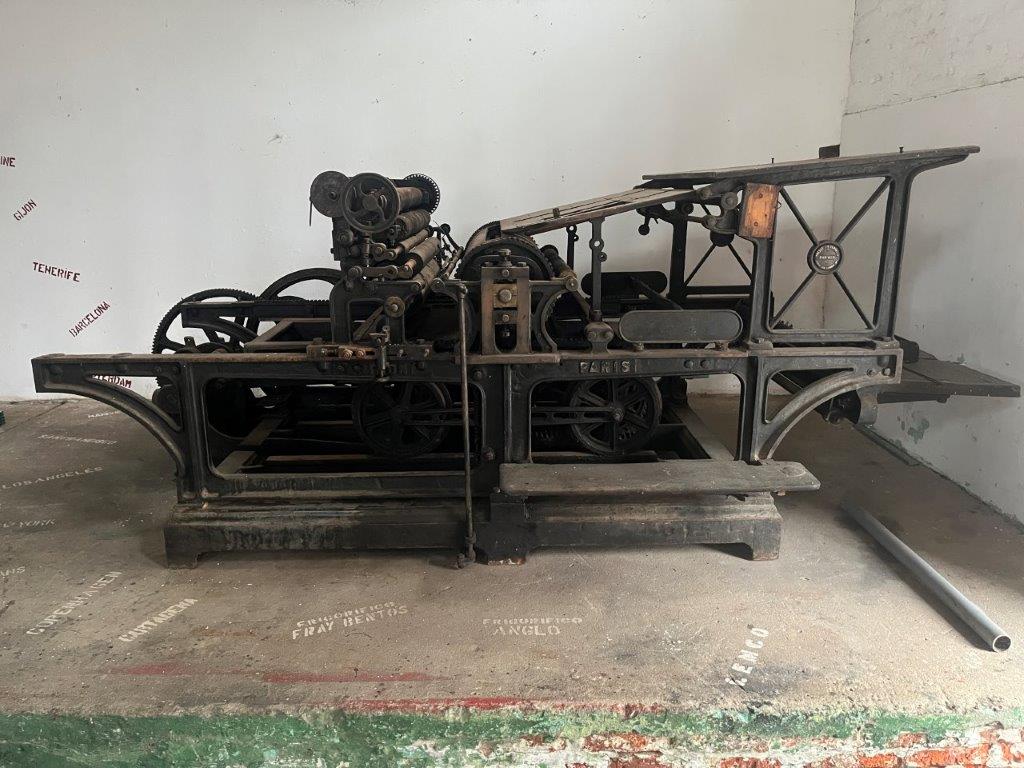
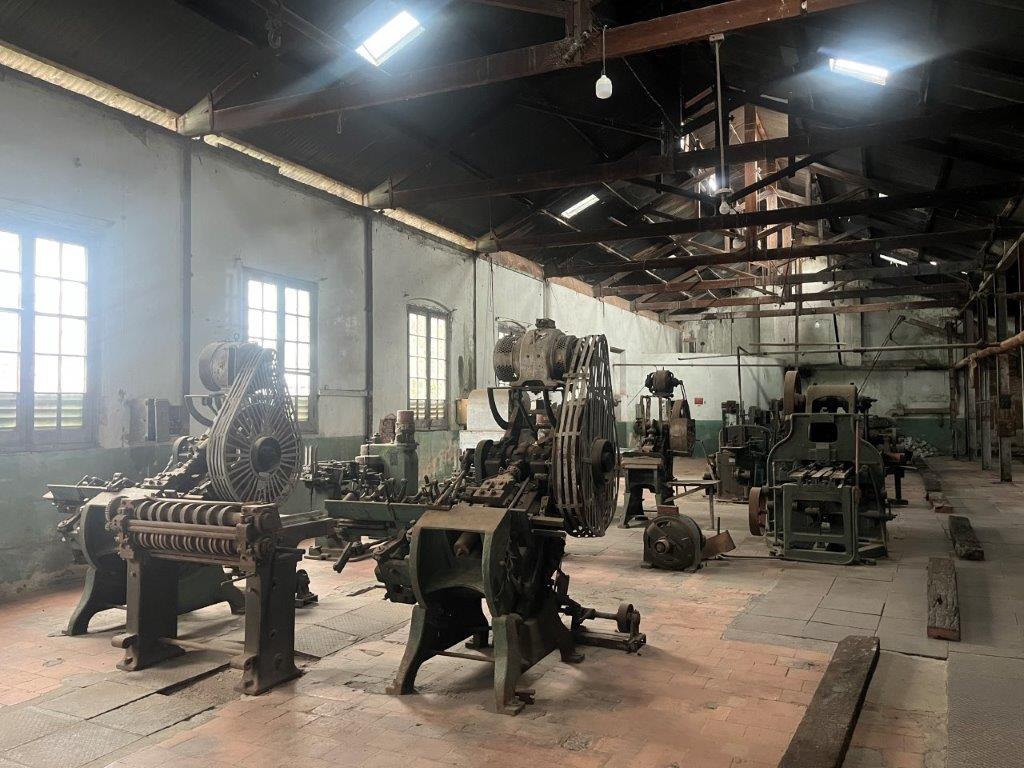
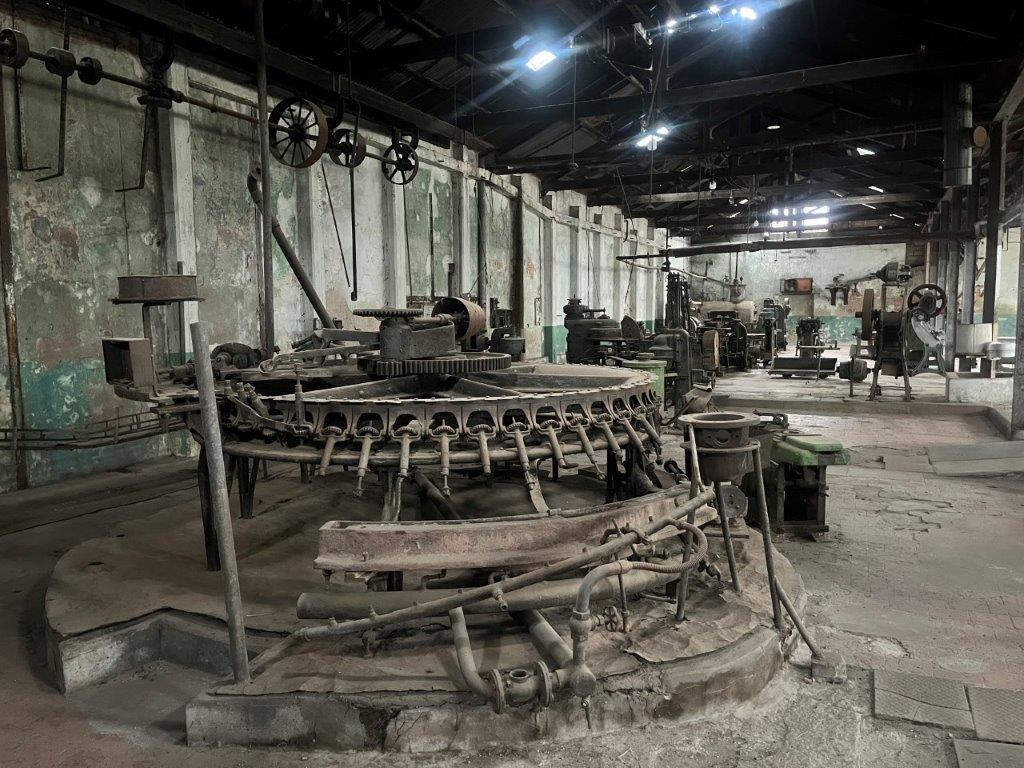
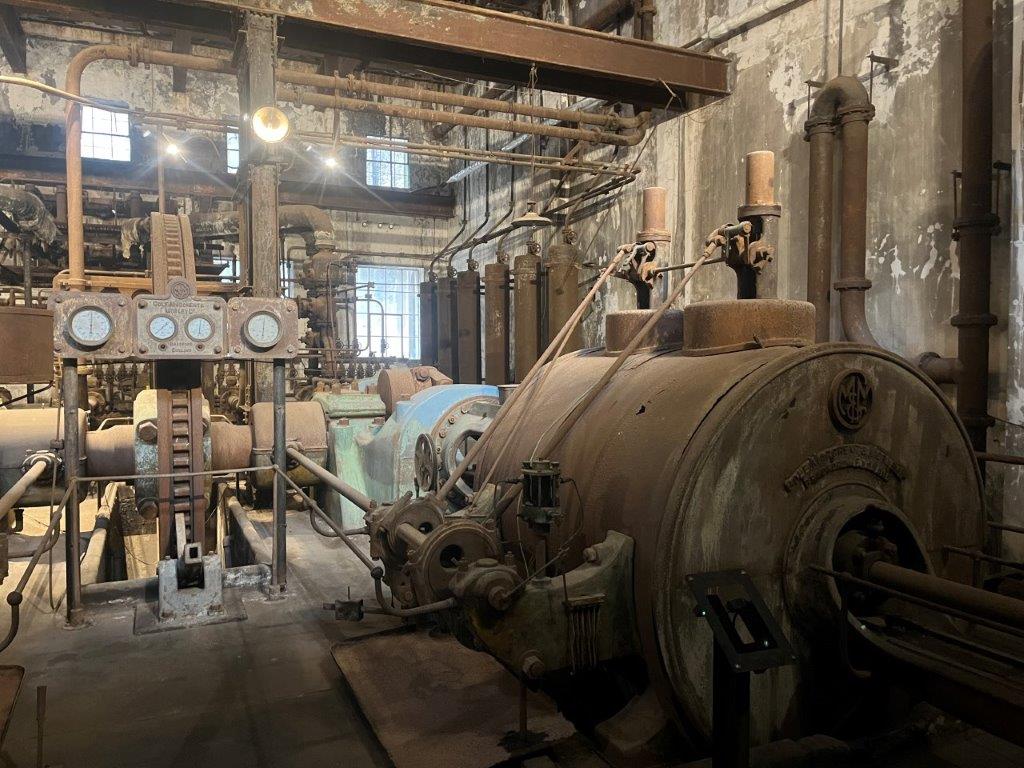
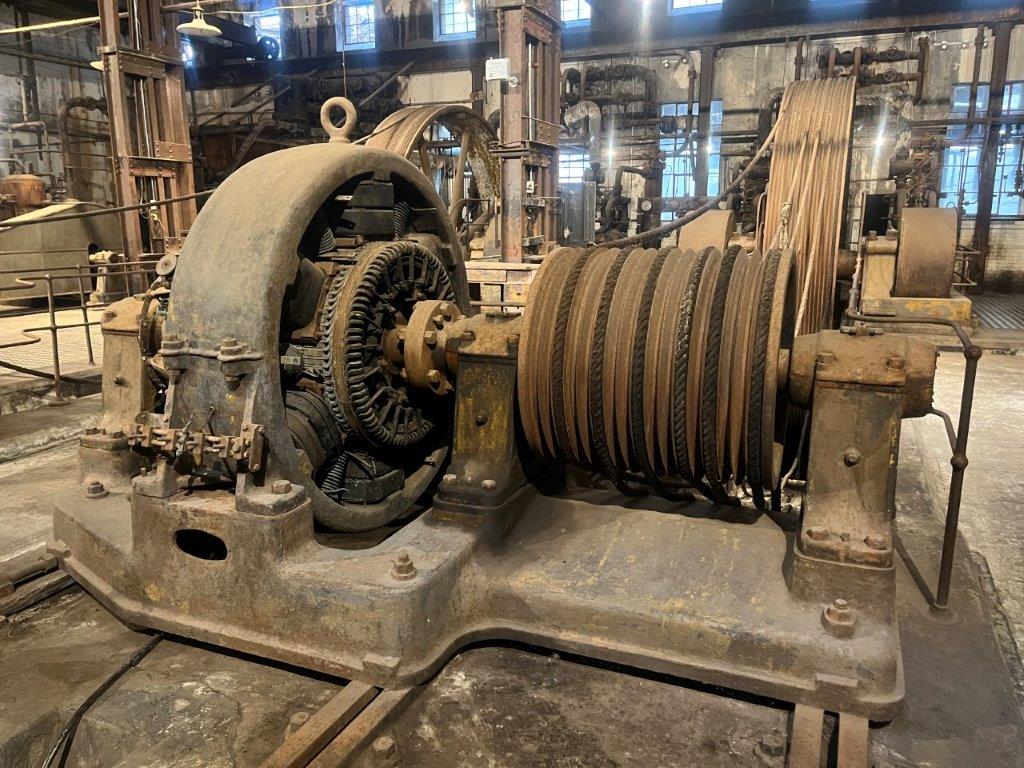
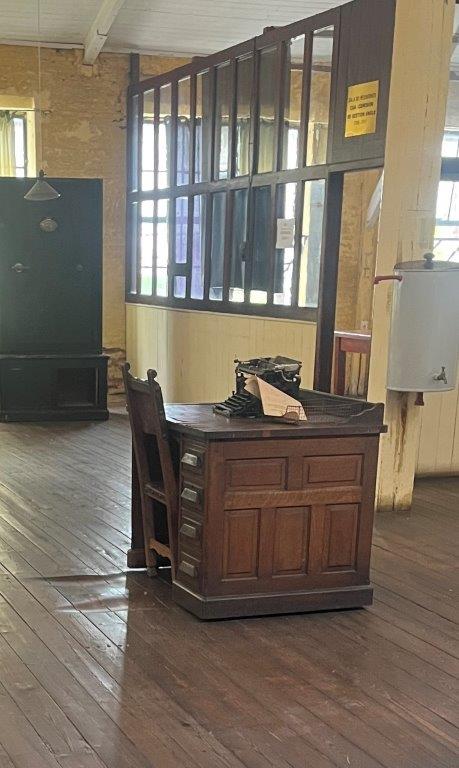
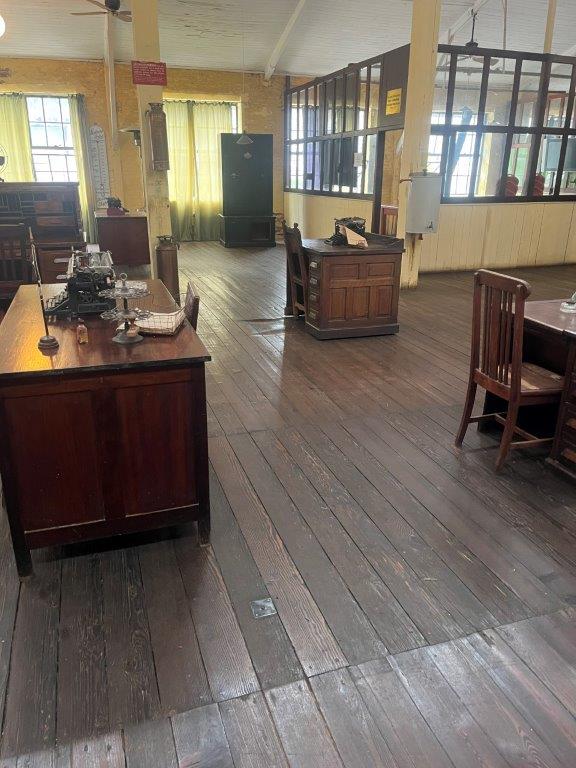
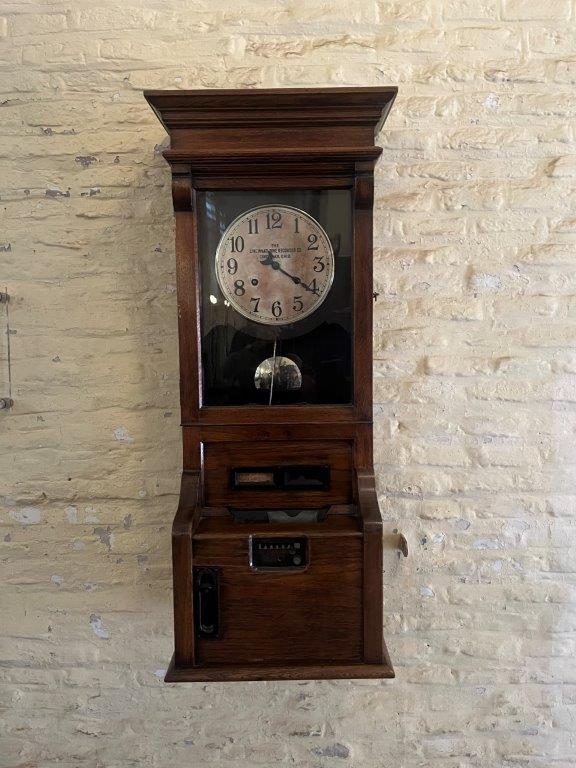
Out on the bend in the river at Fray Bentos there is a nice museum amongst the sprawling remains of the factory with lots of stuff to read and look at, and this blog has taken up way too much of my time (like 2 full days) and also made me realise that there is no definitive source for such an interesting part of our food processing history. So below are some other random photos I took and a few brief descriptions. The first photo dump is off the offices. It was all open plan with quality furniture. The had a phone intercom system, checkin/checkout clock and the photo is of an employee who was over 2m tall and wore grooves in the floor under his desk (first photo).
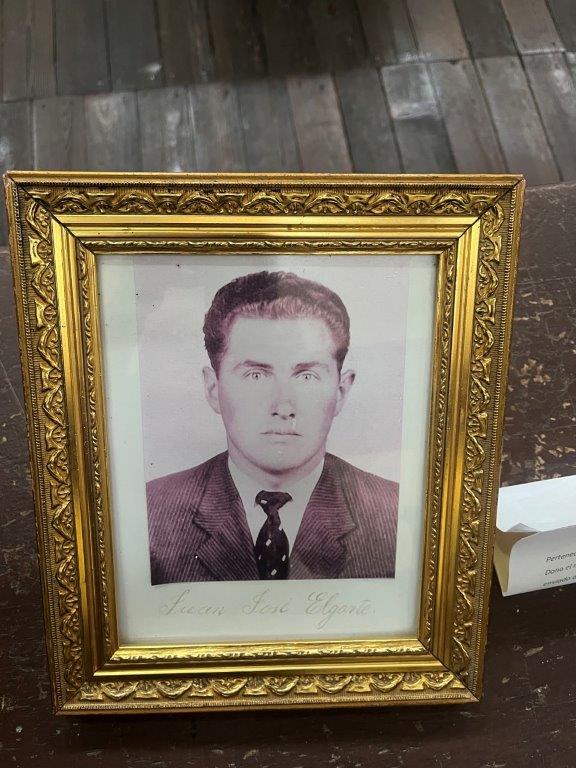
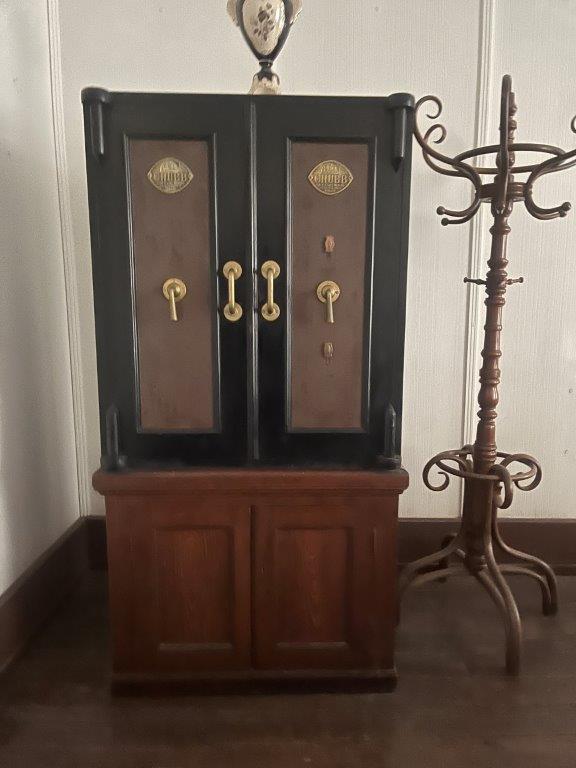
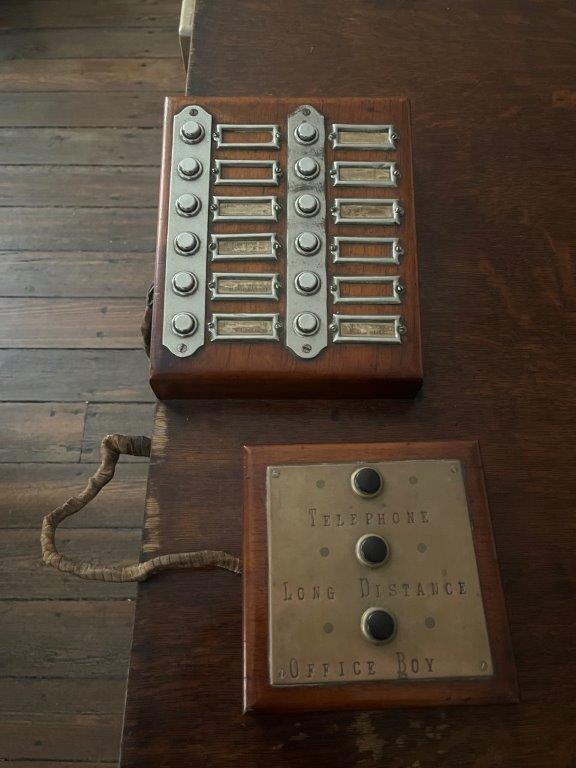
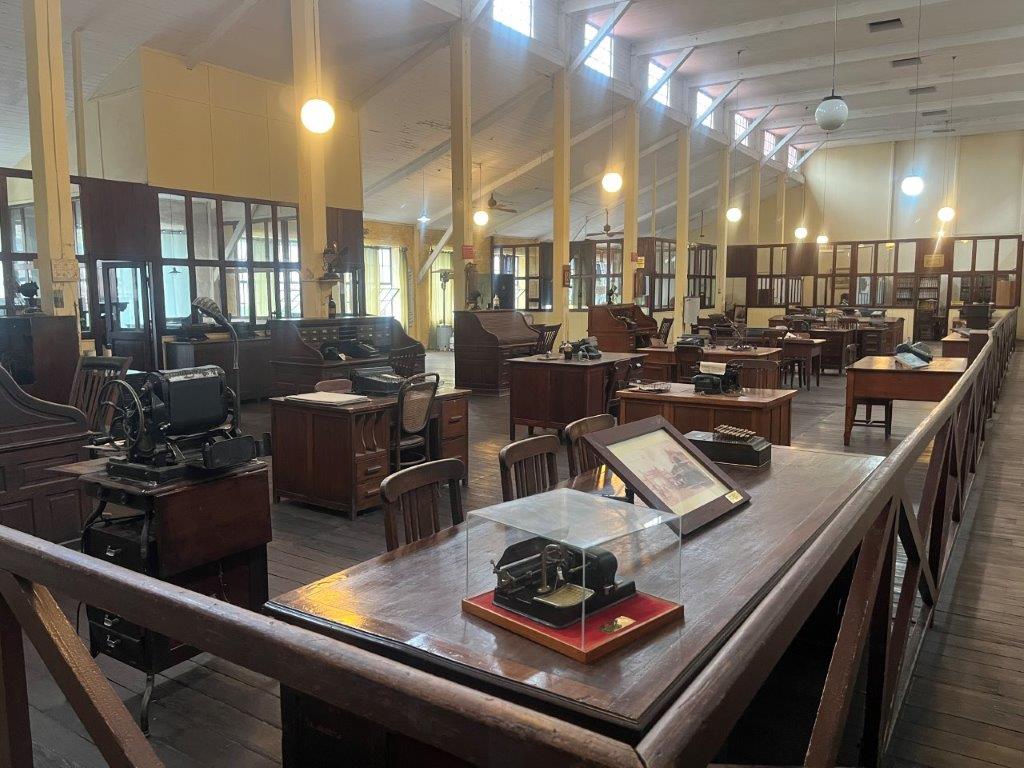
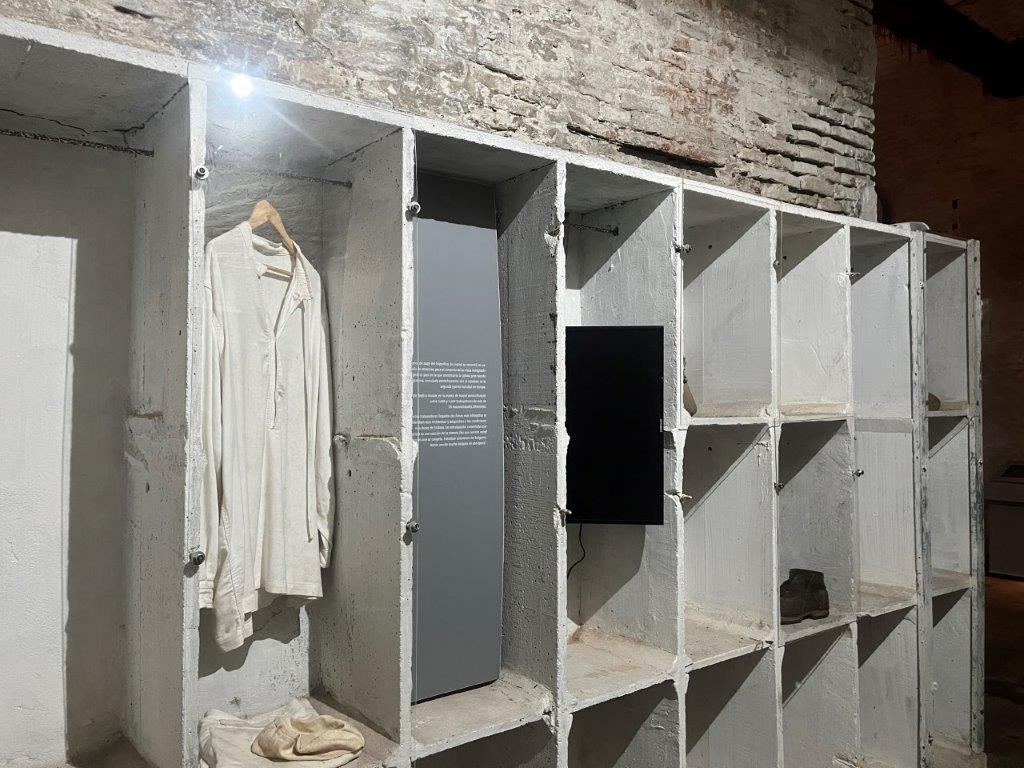
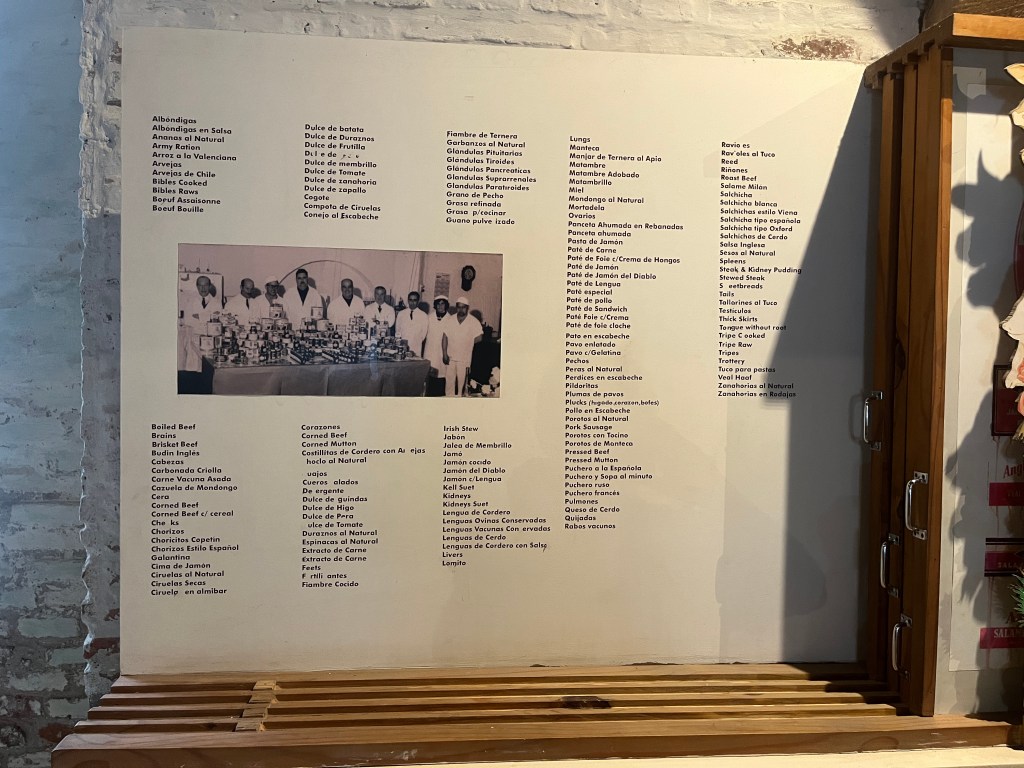
The next pic is a list of all the products they sold. I’ve translated it with google translate so its easier to read. There’s a few good ones in there. Pick your favourite. A good range of glands which you don’t get theses days.

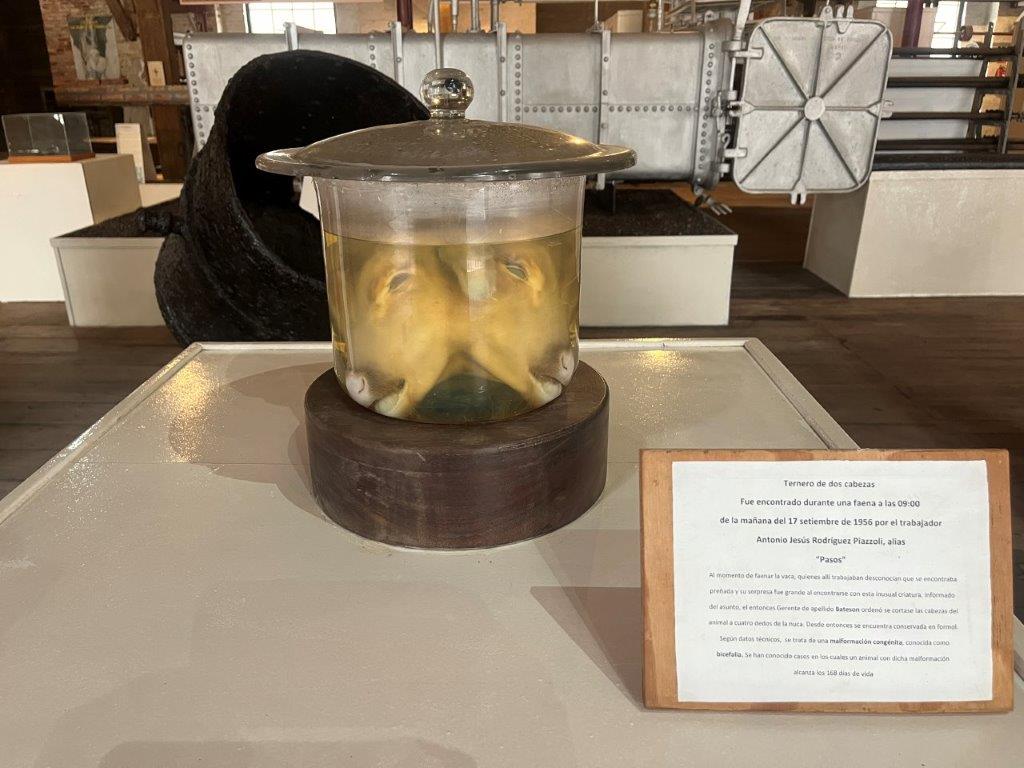
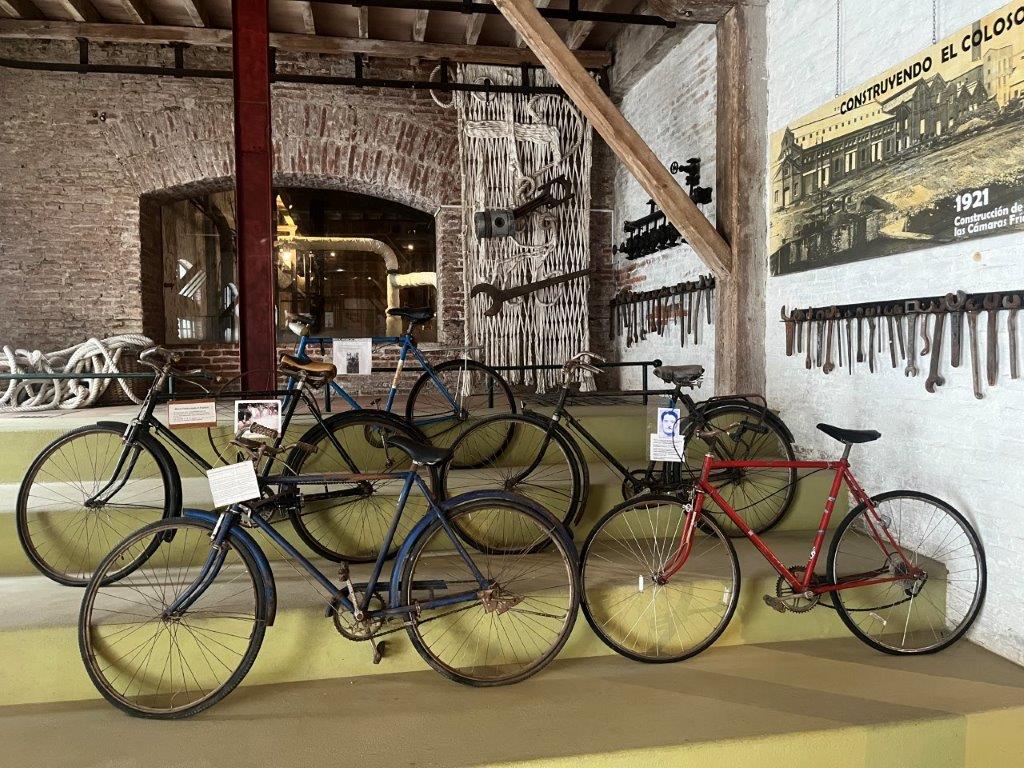
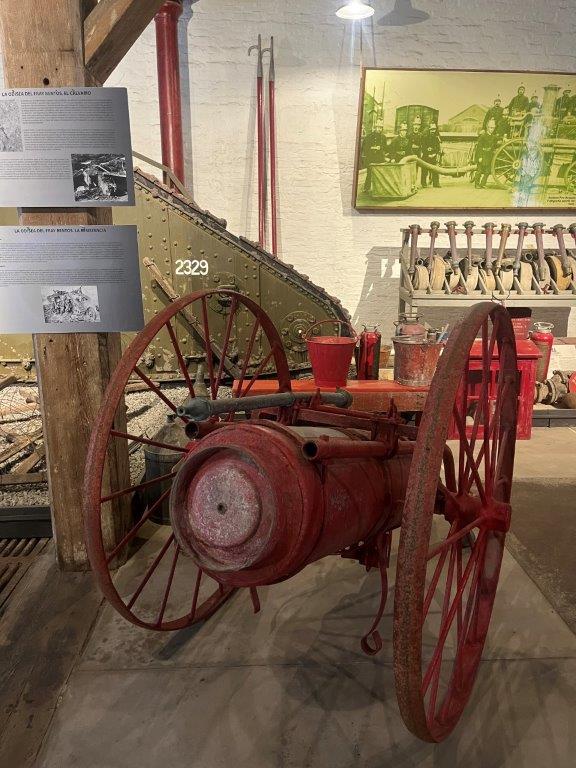
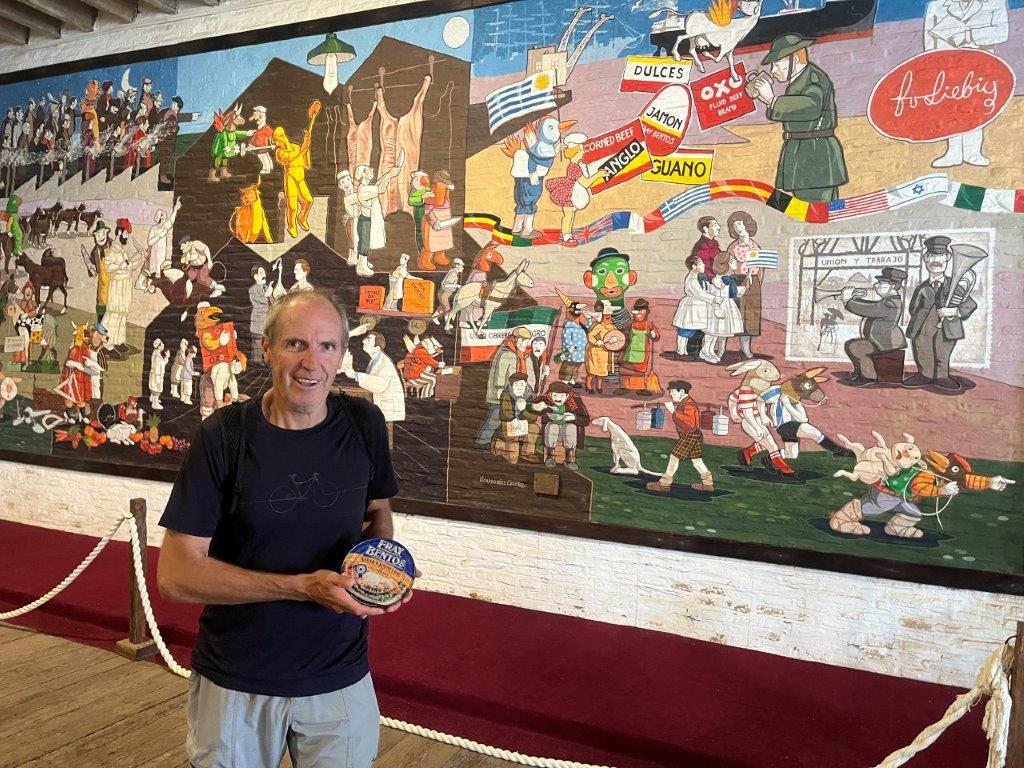
And of course you have the head of a calf born with two heads in a jar. And the bicycles that they used to ride around and they had their own fire brigade and a special mural painted on the wall.
I still don’t feel like I have done the place the justice it deserves but it will to do. I’ve got the rest of uruguay to do and then head up into Brazil. I’ve go to get a move on.
KMS 28,2926
 Gotaway
Thank you! Spending time learning about canned pies was much more enjoyable than time spent my looming Uni assignment!
LikeLiked by 1 person
Fascinating. Thanks
LikeLiked by 1 person
Hola Shane
Historia muy interesante e impresionante
Creo que es el “Santo Grial” de las historias de “enlatados”
LikeLiked by 1 person