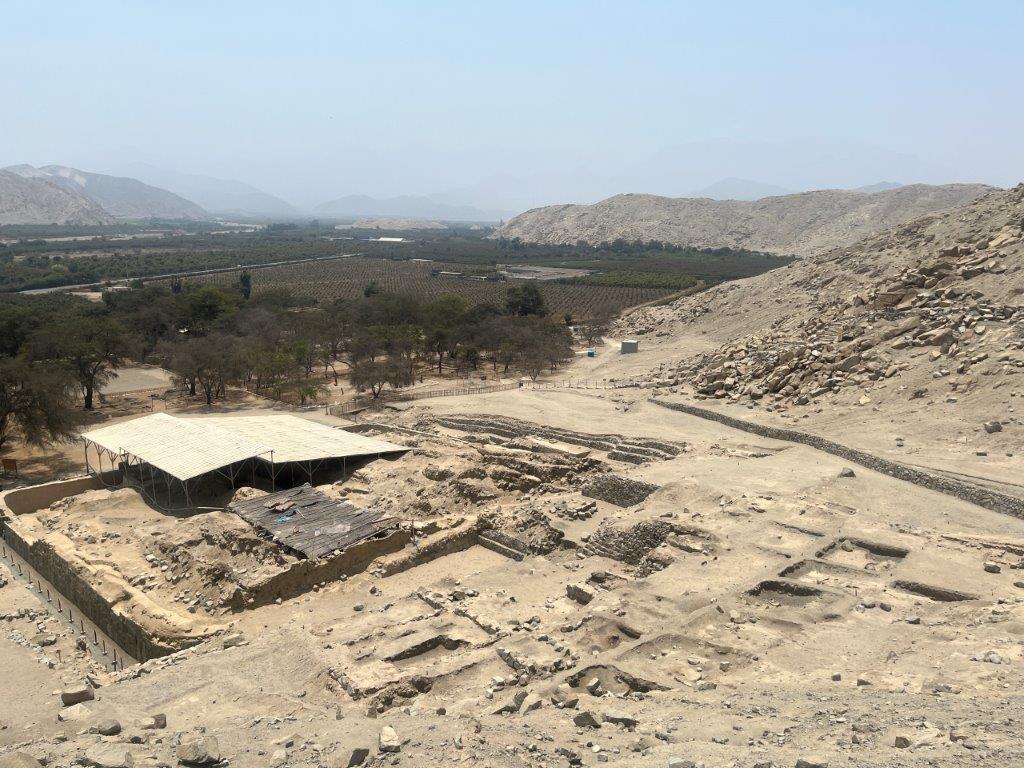
Lets get the confusing stuff out of the way first. I like to be as accurate as I can but I keep getting confused about eras. When I was a kid it was BC (before christ) and AD (anno domini) (after the birth of christ) but apparently now it is BCE (before common era) and CE (common era). I’m not sure which set of acronyms I will use yet but we’ll both find out shortly.
I had a beer and an overly long chat with my travel mate ChatGPT (who’s a cheap and knowledgeable travel companion) and we made this table below. It clarified things for me but also created more questions. I included Chankillo and Chan Chan because they were the ruins I plan to visit and also the indigenous Australians. Notable Indigenous groups that I didn’t include were the Iroquois Confederacy, Sioux, and Navajo of North America. The Zapotecs, Mixtecs, Guaraní, and Mapuche of other parts of South America. Torres Strait Islanders and Māori. And the Inuit and Saami of the Arctic regions. Not because I don’t like them or consider them insignificant, but I was just trying to make it simple and sort all this stuff in my head. So here’s what we came up with. Starting with the Mesopotamians because ChatGPT insisted.
Simplified Timeline of Civilizations (Including Chankillo, Chan Chan, and Indigenous Australians)
| Civilization | Approximate Dates |
| Mesopotamia | 3500 BCE and onward. These were the Sumerians, Akkadians, Babylonians, and Assyrians of Monty Python fame. |
| Indigenous Australians | c. 65,000 BCE and onward |
| Indus Valley | 3300 BCE to 1300 BCE. Pakistan and Northwest India |
| Ancient Egypt | 3100 BCE to 30 BCE |
| Ancient China | 2100 BCE (early dynasties) onward |
| Chankillo | c. 400 BCE to 200 BCE |
| Chan Chan | c. 850 CE to 1470 CE |
| Maya | 2000 BCE (earliest settlements) to 900 CE (Classic period) They were in what is now called Central America. |
| Ancient Greece | 8th century BCE to 4th century BCE |
| Persian Empire | 6th century BCE to 330 BCE who we know as Iran (I want to go there) |
| Ancient Rome | 8th century BCE (founded) to 476 CE (fall of Western Empire) |
| Aztec | 14th century CE to 16th century CE. Mainly Mexico |
| Inca | 15th century CE to 16th century CE. The Andean region of South America, the empire extended across modern-day Peru, Ecuador, Bolivia, Chile, and Argentina. The capital was Cusco. With Machu Picchu the most well known. |
And then the Spanish and other European countries invaded everywhere they could find and stole all their stuff in exchange for disease and religion. And then when they ran out of stuff they just took the people for free labour or dumped all the people they didn’t want as far away as they could ship them. And here we are. And here I am on my motorbike on the outskirts of Trujillo looking at the ruins of the Chimu civilisation at Chan Chan.
My first hassle was to find a safe place to leave my bike and all my worldly possessions. The guard at the gate eventually offered to do that. I then went inside for a quick walk around wearing all my bike gear but ran into an English woman and a German couple and we engaged an English speaking guide for $40AUD and split it 4 ways. That made it a two hour walk around and more interesting.
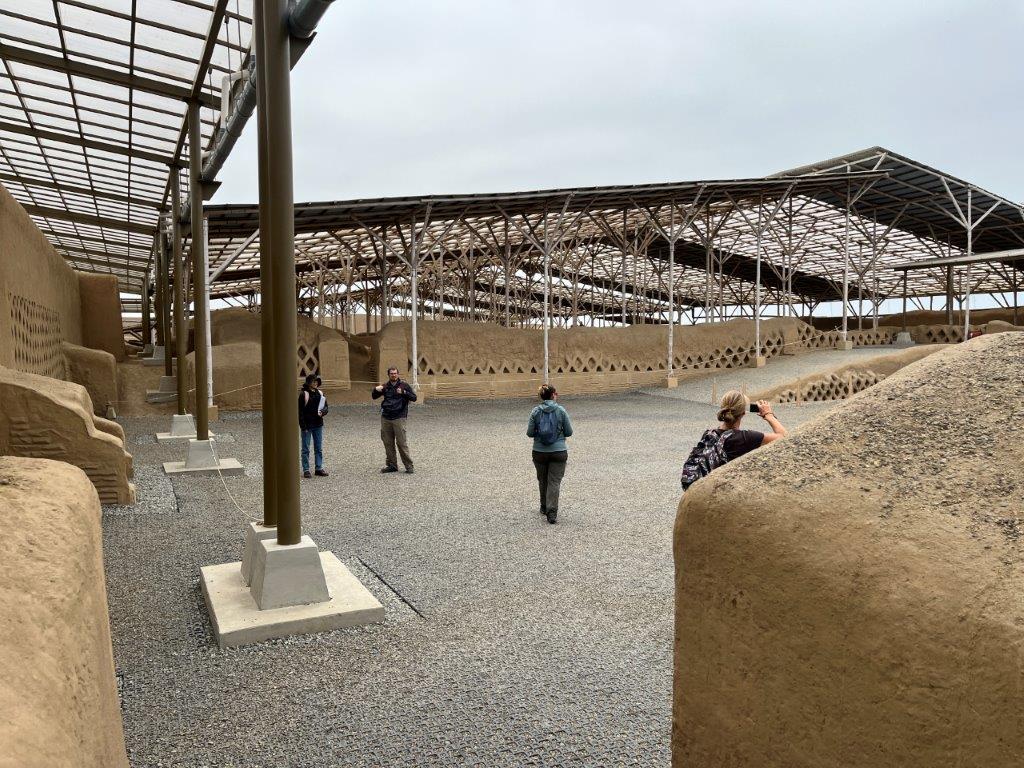
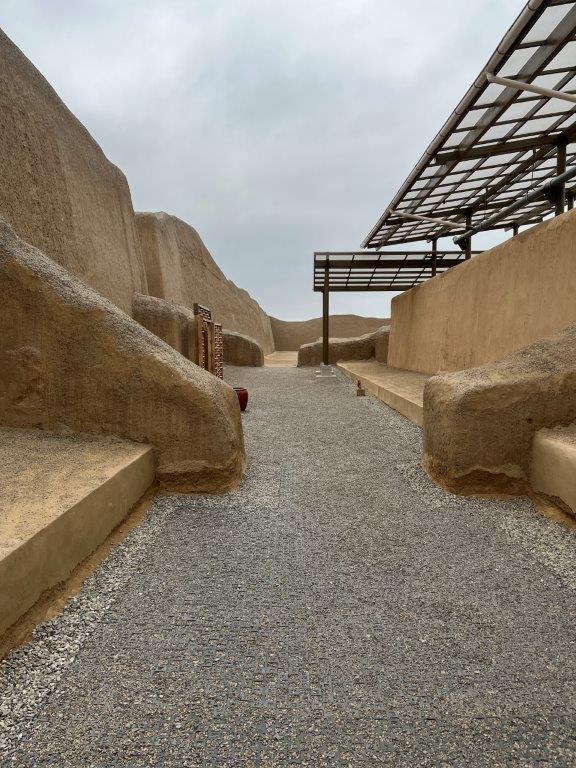
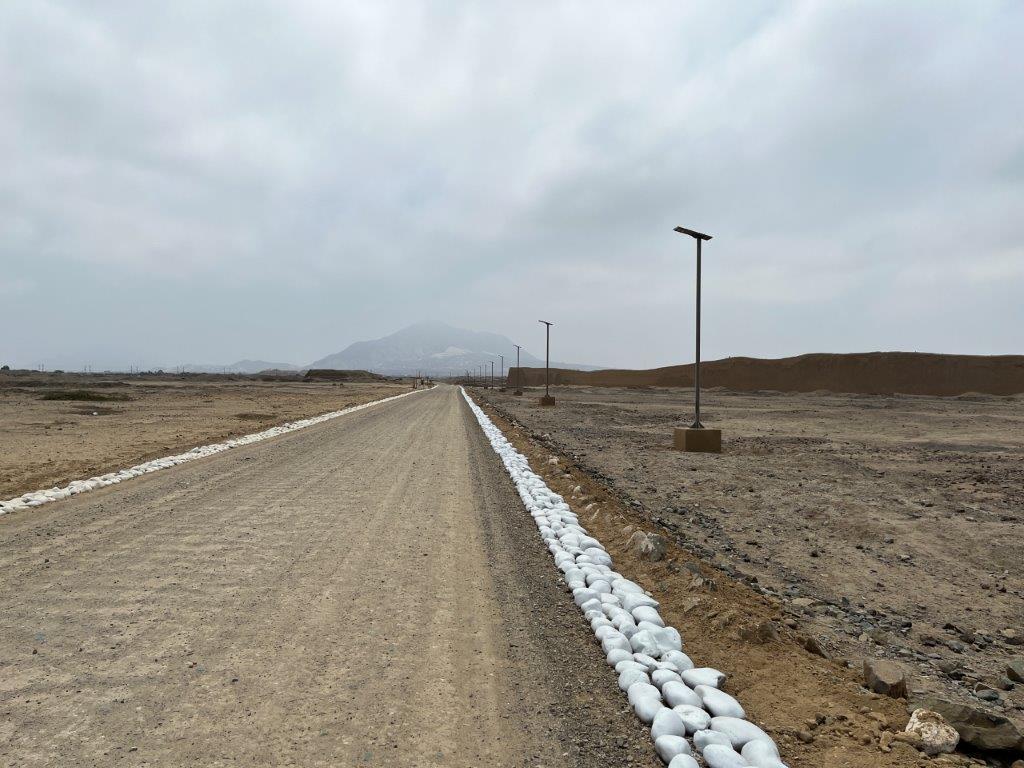
In simple terms, the city of Chan Chan began about 1175 years ago. The Chimu people lived there and were the most powerful civilisation for about 620 years until they were taken out by the Inca. At the time of its demise there was a lot of internal governance issues and a poorly organised army due to decades of complacency. The Inca in turn had a powerful army, strong leadership and were able to take the city easily with a combination of battles and diplomacy. After taking control they allowed some of the Chimu to take prominent positions in the new Inca empire. The Chimu people were eventually absorbed into the Inca social and economic systems.
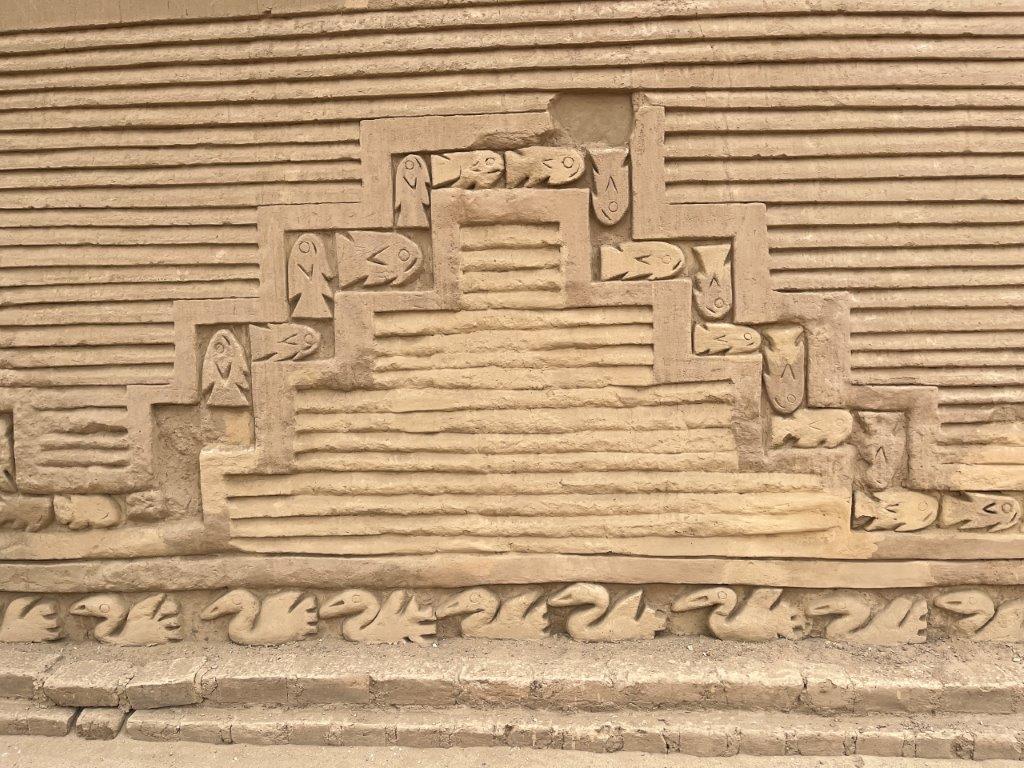
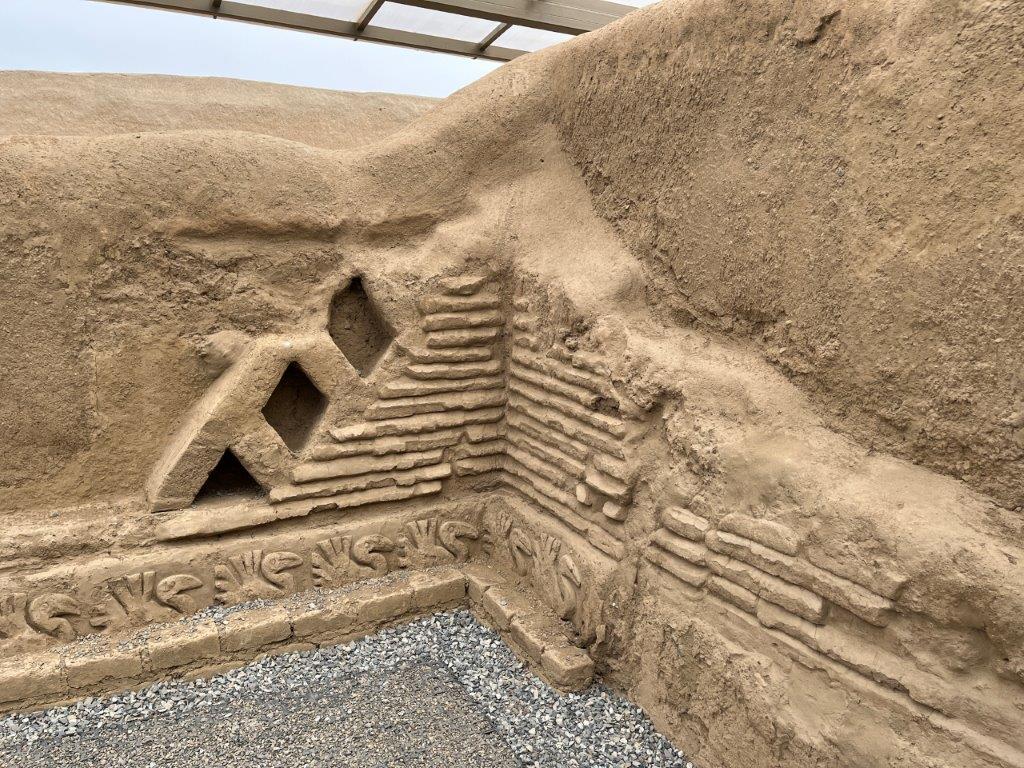
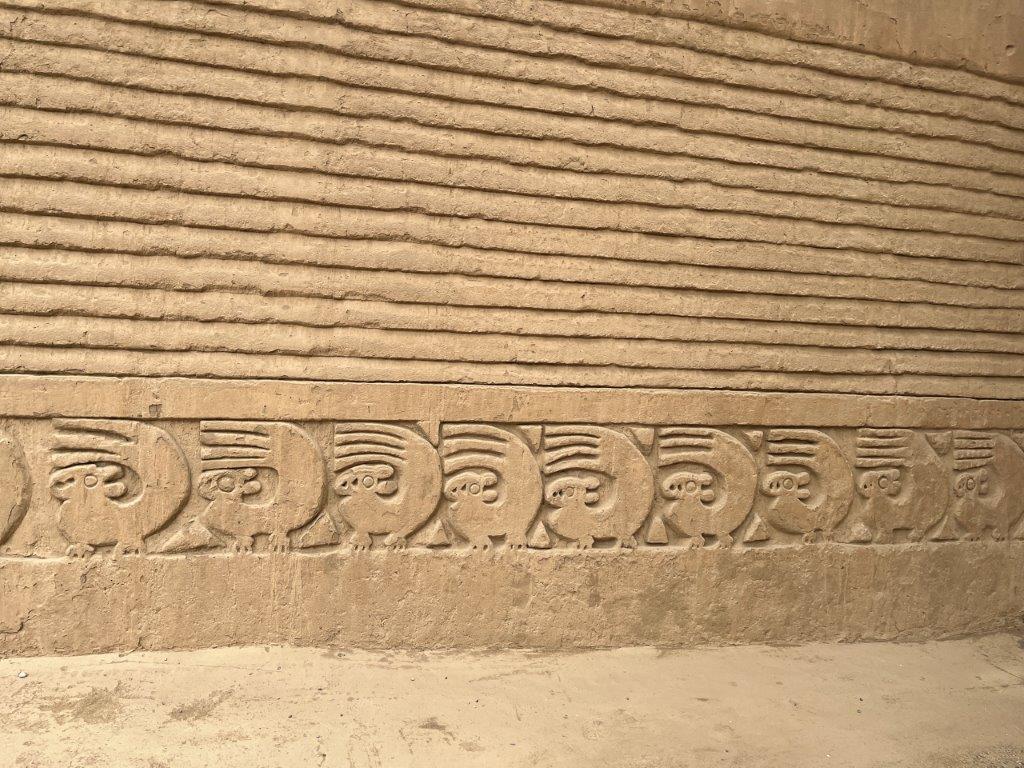
The structure itself is still quite impressive considering it used the most popular and readily available construction materials of the time which were rocks and mud. Eventually moving to clay and straw and sand mixed with water to form bricks that are baked in the sun and then laid and covered with mud mortar. We now call it adobe because it sounds way cooler. The city had huge external walls up to six metres high and a couple of metres thick. The walls helped protect the city from invaders and the elements. Particularly the wind, which I have personally experienced and is pretty harsh. Fortunately, this part of Peru hardly gets any rain and so that is the reason the ruins of the city are still intact. As it is now a UNESCO site of significant stature it has simply structured roofs over the main areas.
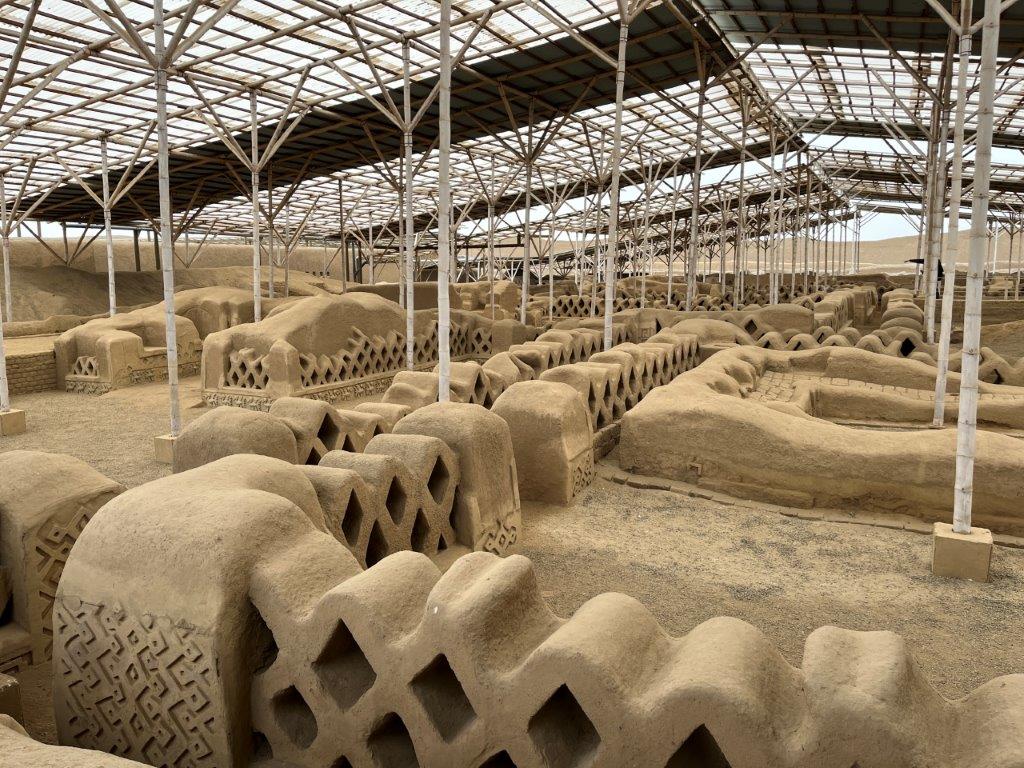
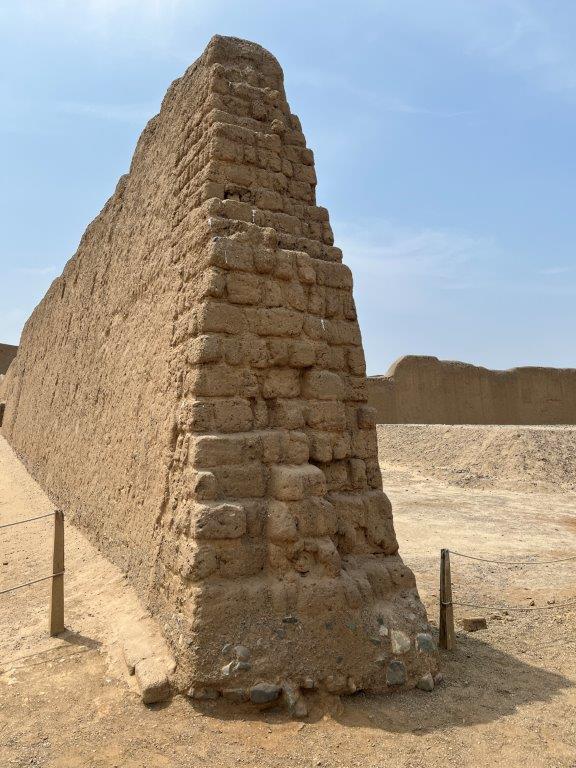
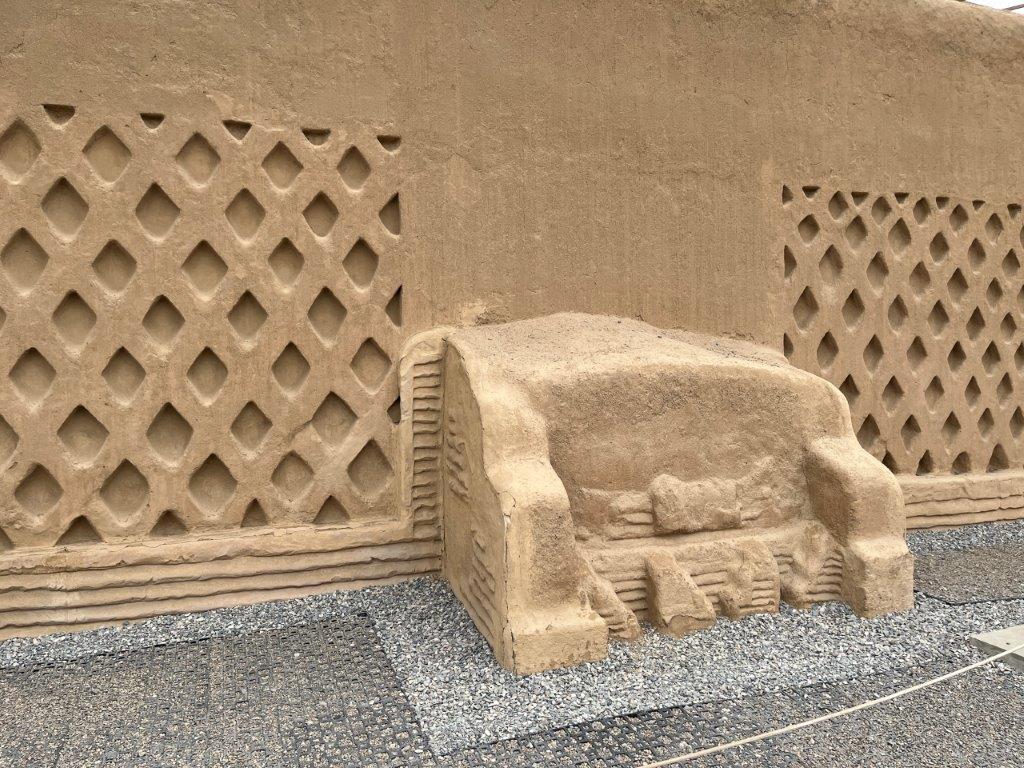
Inside the perimeter wall, which was an area of about 20 square kilometres, there were all the usual temples, palaces, and courtyards. The rich lived well, and the poor served them. The walls within the city were smaller and some were highly decorated with patterns or animals. There was a labyrinth of passages and entrances throughout the city to allow for the protection and service of the rich and powerful.
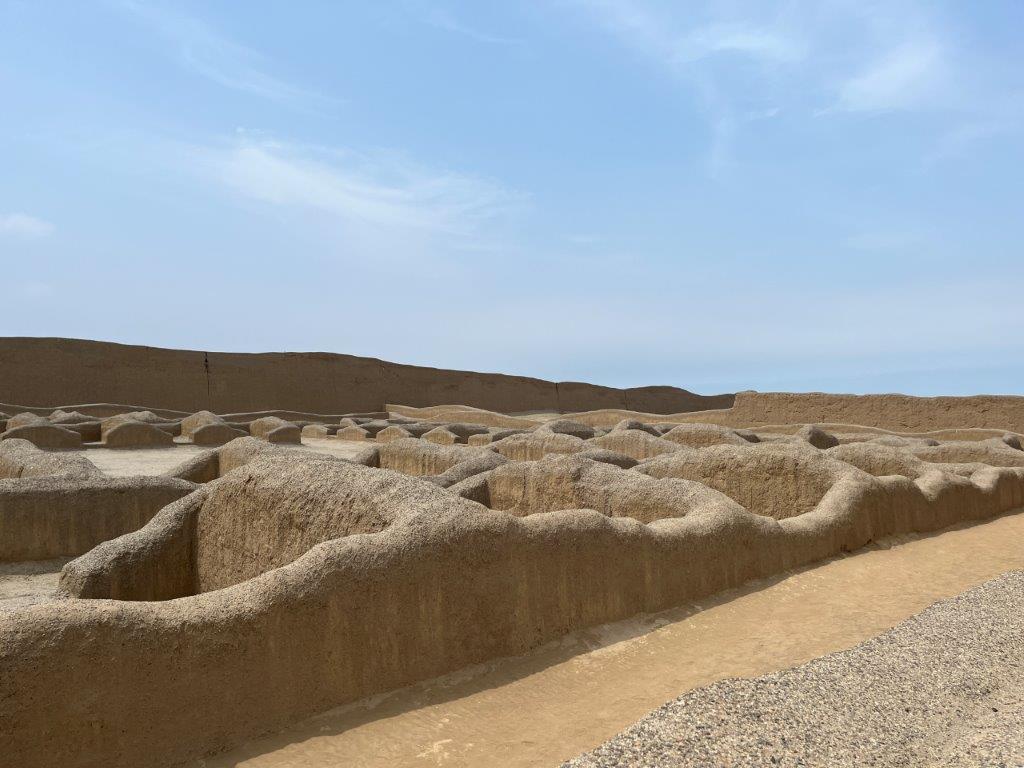
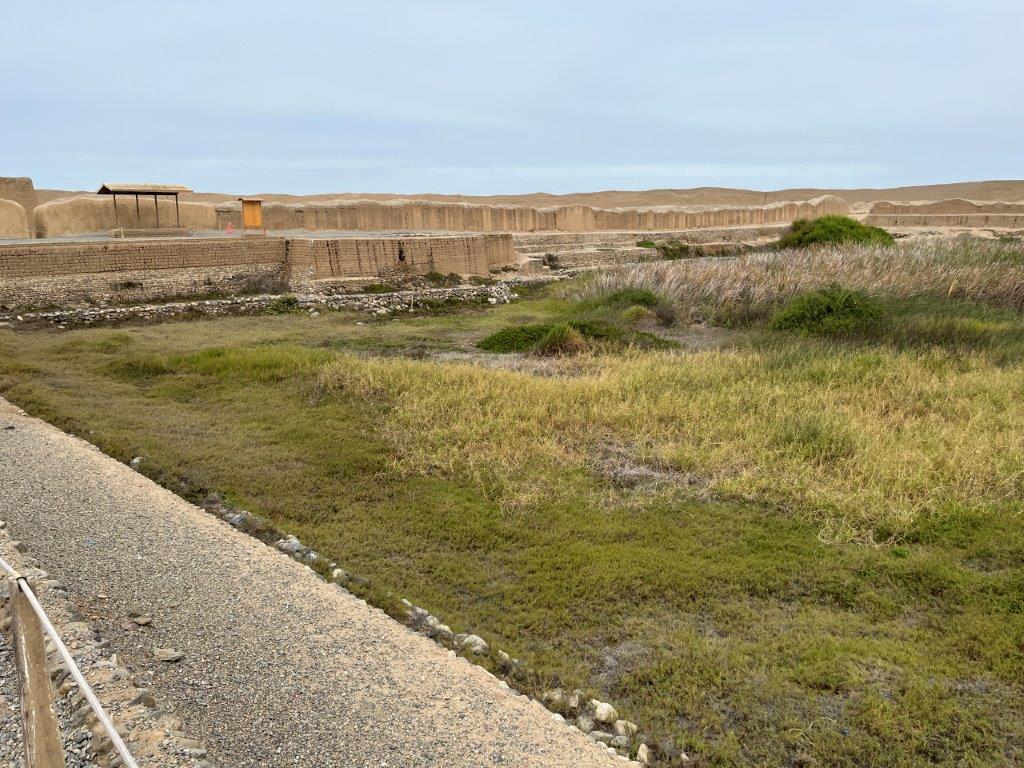
The city was by the ocean which provided food, but they also had sophisticated irrigation systems to manage water in their arid coastal environment. Being a plumber, I find this interesting. They built irrigation channels from nearby rivers and streams, dug wells to access groundwater and harnessed and stored water when there was the occasional downpour. This enabled them to have both agriculture and domesticated animals. There were llamas as pack animals, alpacas for textiles, chooks and ducks for eggs and meat, and also yummy guinea pigs. They also had dogs, and unlike America according to Donald Trump, they were not for lunch, but for protection and companionship. But no cats. The food storage areas and animal enclosures are still very visible today.
Peru must be Disneyland for anthropologists and archaeologists which makes me glad I became a plumber, it’s so much easier to spell. Although my stints in Antarctica where I was an assistant antitheist and being an atheist still causes spelling issues. And seeing I needed to look this up I should share it with you.Archaeology is a subfield of anthropology, specifically focused on material remains, while anthropology encompasses a wider range of human studies, including cultural, social, and biological perspectives. Thanks Chatty.
After the tour there was a long discussion amongst the 3 other tourists about the $3.20AUD that the taxi driver wanted to drive them to the museum a kilometre away. It’s nice to be in a position that I can just pay stuff like that if needed but even nicer that I have my bike and can avoid it altogether. I decided not to go to the museum which had lots of artifacts recovered during excavations of the city because I had been there longer than expected and had booked accommodation further down the coast and needed to get going. But first I wanted to check out the coastline nearby.
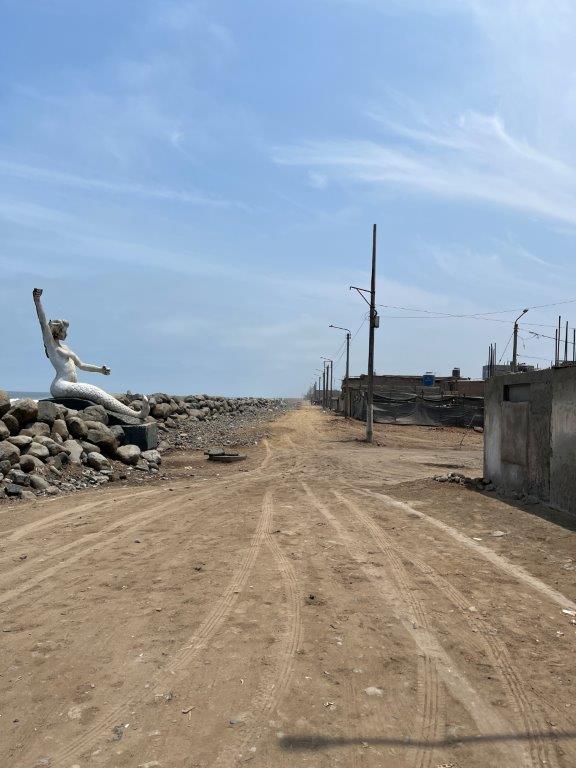
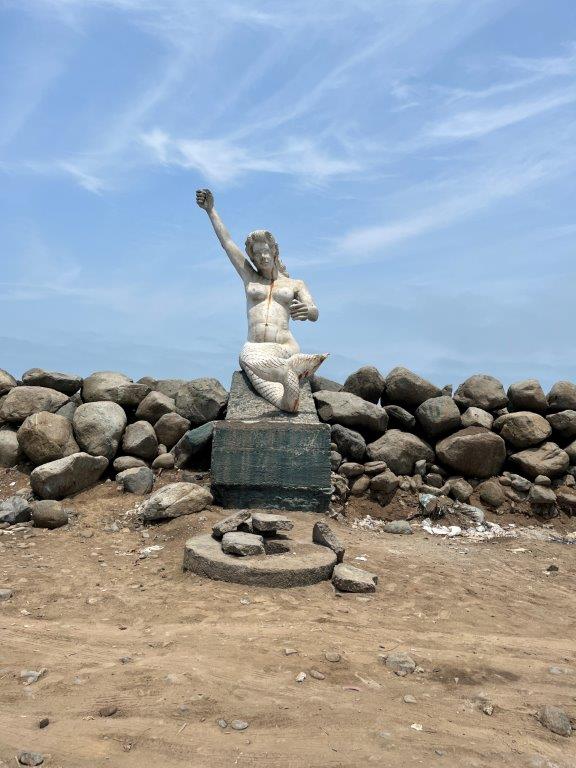
I didn’t think I had any expectations, but I obviously did because I was disappointed. It was basically a long, high seawall constructed of big rocks and a crappy gravel road lined with sad looking houses. I found a decaying statue which sort of summed up my thoughts and I was eventually chased away by some mean looking dogs. Ocean front in that part of Peru is very different to oceanfront property in Australia. Maybe I just found the worst part of it, but it did seem the same in both directions. I had initially thought I’d stay near the beach but now I realise why I couldn’t find any hotels. I left via a few dead-end roads and made my way back onto the Pan American Highway and down to Chimbote.
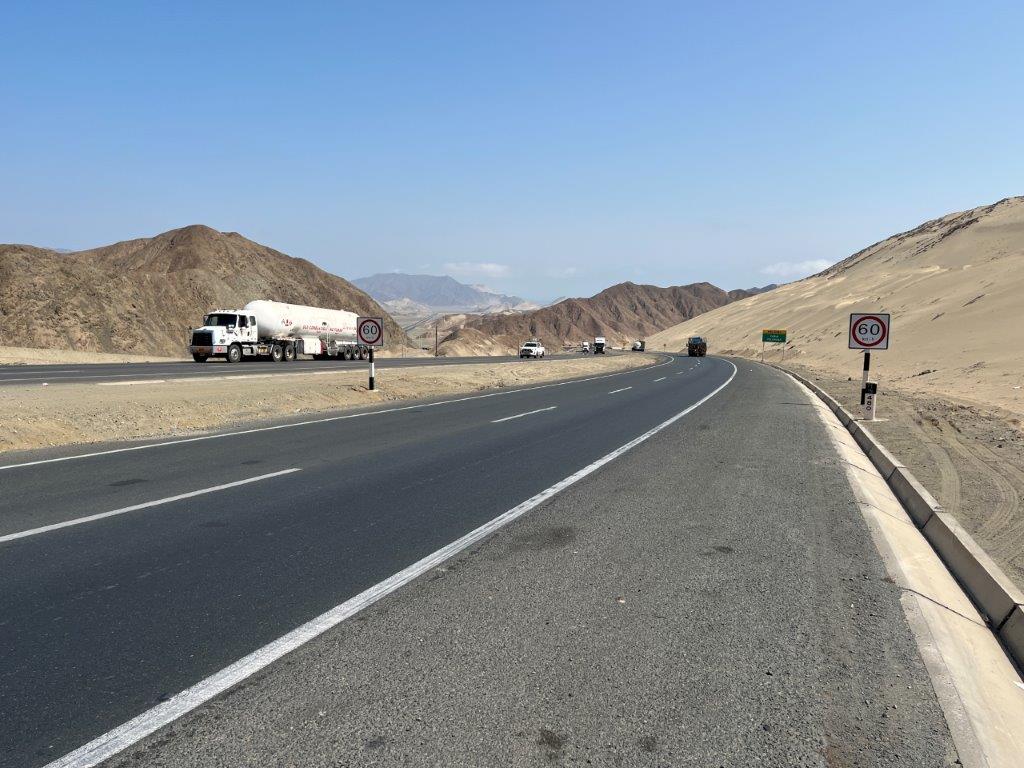
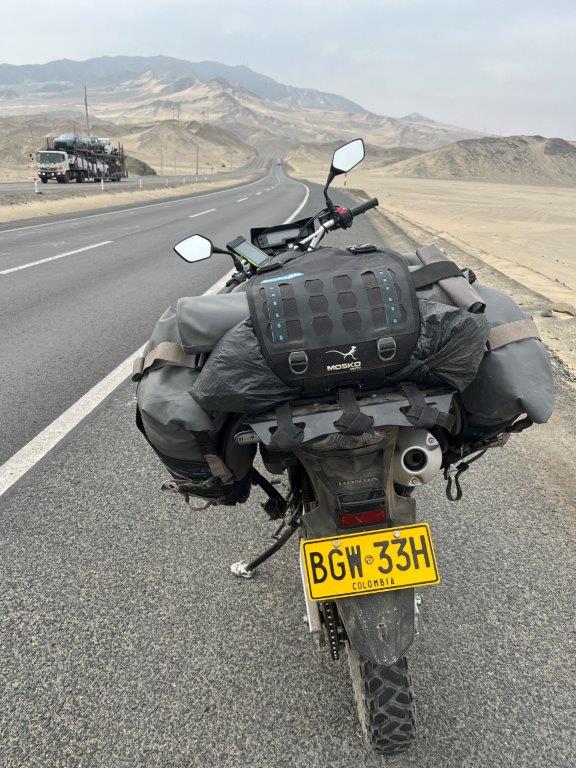
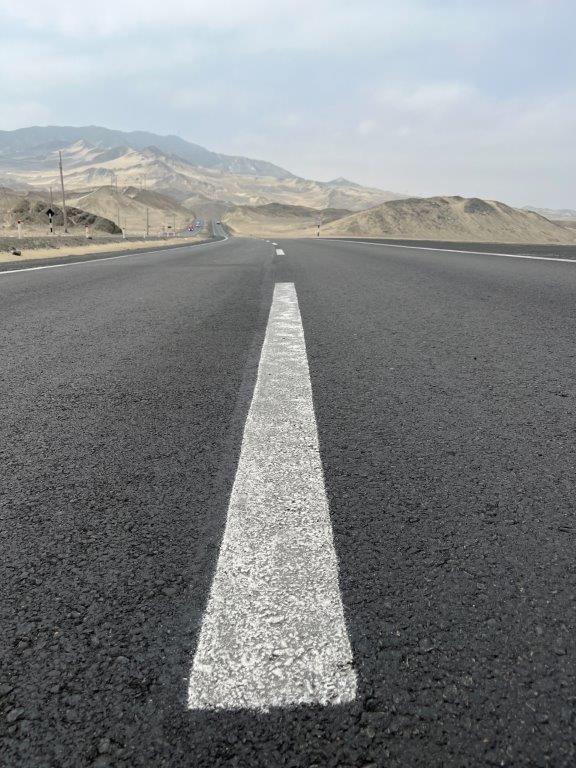
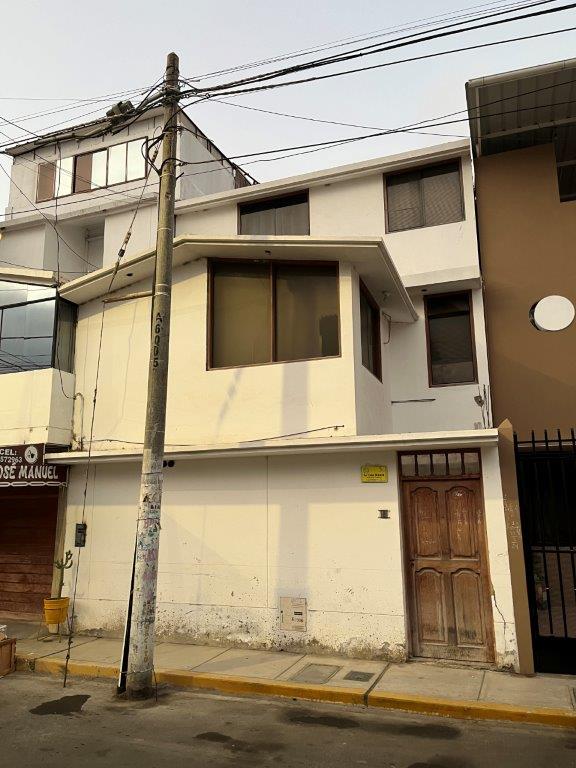
I arrived at the Hospedaje La Casa Blanca before it got dark. Luckily as it would have been difficult to find it in the dark. It was only a block off the highway and only $14AUD a night with a shared bathroom. I was the only one there, so I had the whole bathroom to myself anyway. The owner was a lovely guy the same age as me and he walked me and the bike around the corner to a builder’s yard where the bike would spend the night. It looked very secure, so I was happy. The owner liked a good chat which I need to improve my Spanish and he also showed me a great translation app which I downloaded. He was also a closet anthropologist and gave me a list of things in the area to see. Next morning I headed off to check out two of them on my way south.
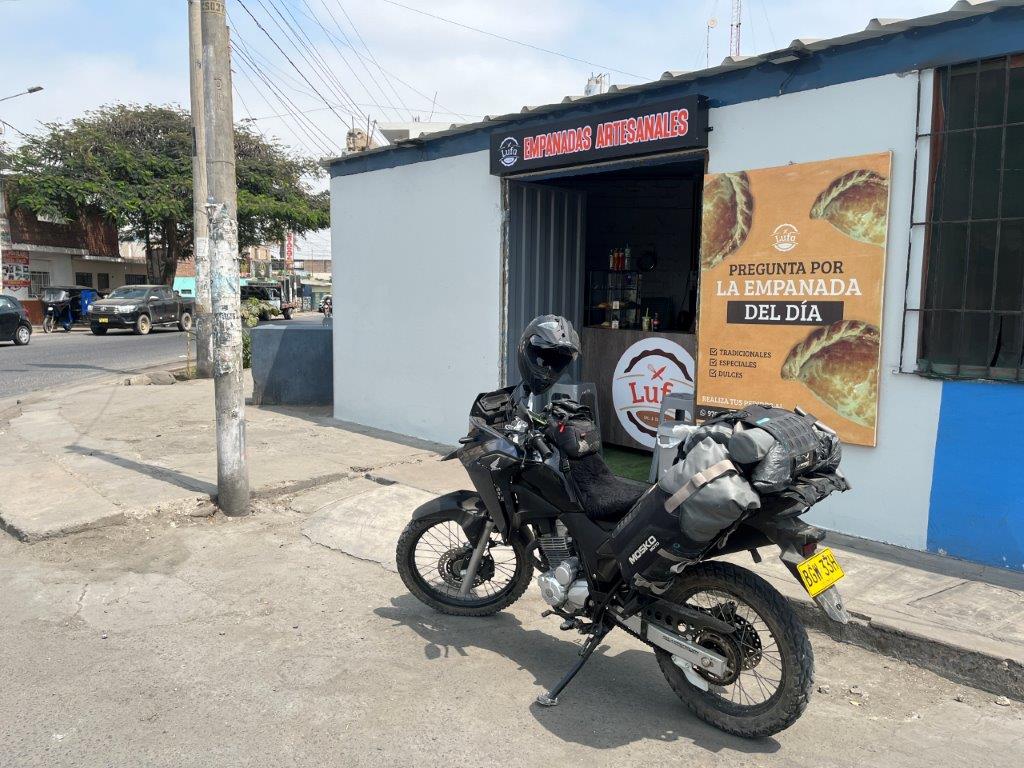
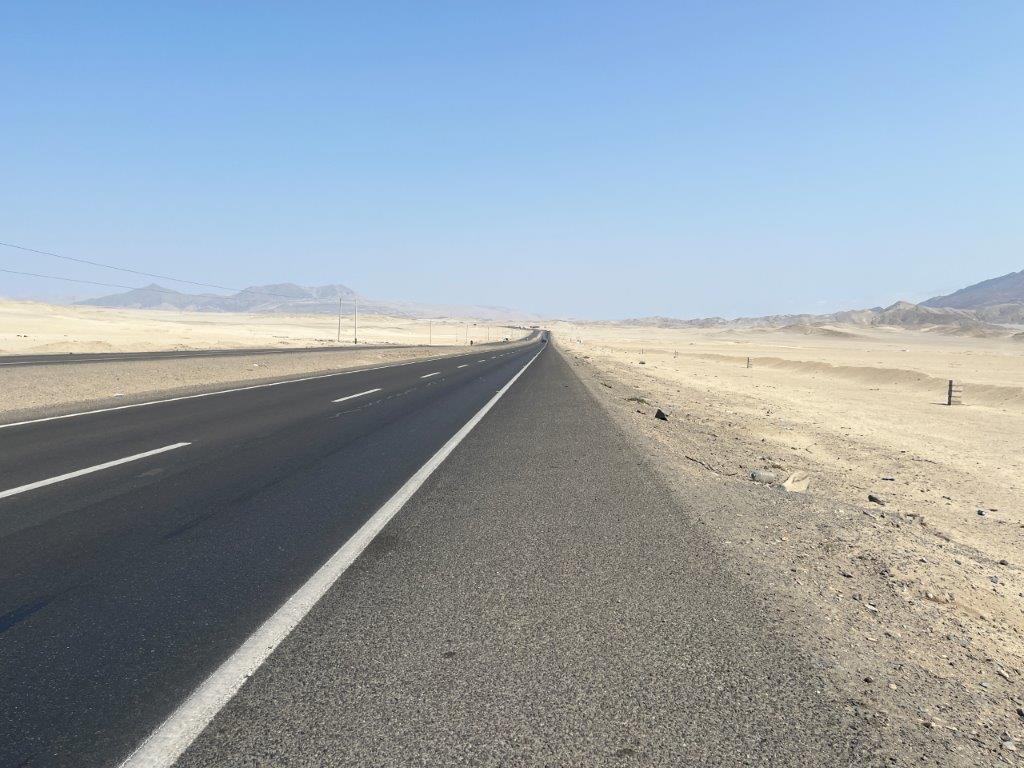
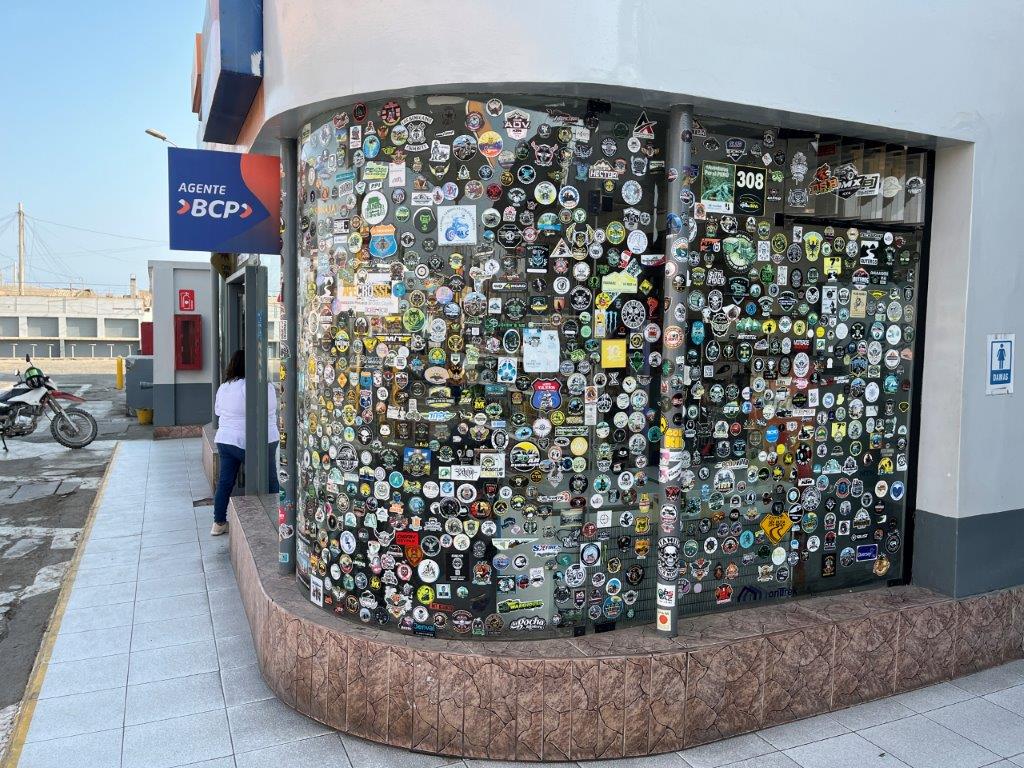
I was initially headed to Chankillo but had been recommended to visit Cerro Sechin on my way there. And I was also hungry. At some small town that just looked like lots of the other small towns I came across an empanada shop. It was almost a pie and coke. I had a couple of different empanadas which were good, and they had other ingredients besides air, which seems the most popular ingredient so far on this trip. I should also mention here that the Pan American highway can be a reasonable road and then pass through a small town and become a bottleneck of trucks and buses and local traffic. And the roads are generally really trashed and full of potholes and speed humps and dust. And car horns. This is where my bike is in its element. It’s an off road ride for me and I can go anywhere and around anything. It’s fast and probably more fun than it should be. I also stopped for fuel and found a busy sticker window. I guess I’m not the first overlander to fuel up there.
I made it safely to Cerro Sechin which wasn’t very touristy and then dropped my bike while getting off it to talk to the guy at the information centre. Slightly embarrassing. No damage thankfully. This post is dragging on a bit, so the short version is that this area was populated by the Sechin civilisation who are 3500 years old. Who knew that, except the guy at my hotel last night? It was a pretty cool site (the ruins not the web address). They used adobe (the mud not the program) and then engraved figures into the granite rocks from the side of the mountain it was on and lined the buildings with them. Impressive and what I feel I would have done as well.
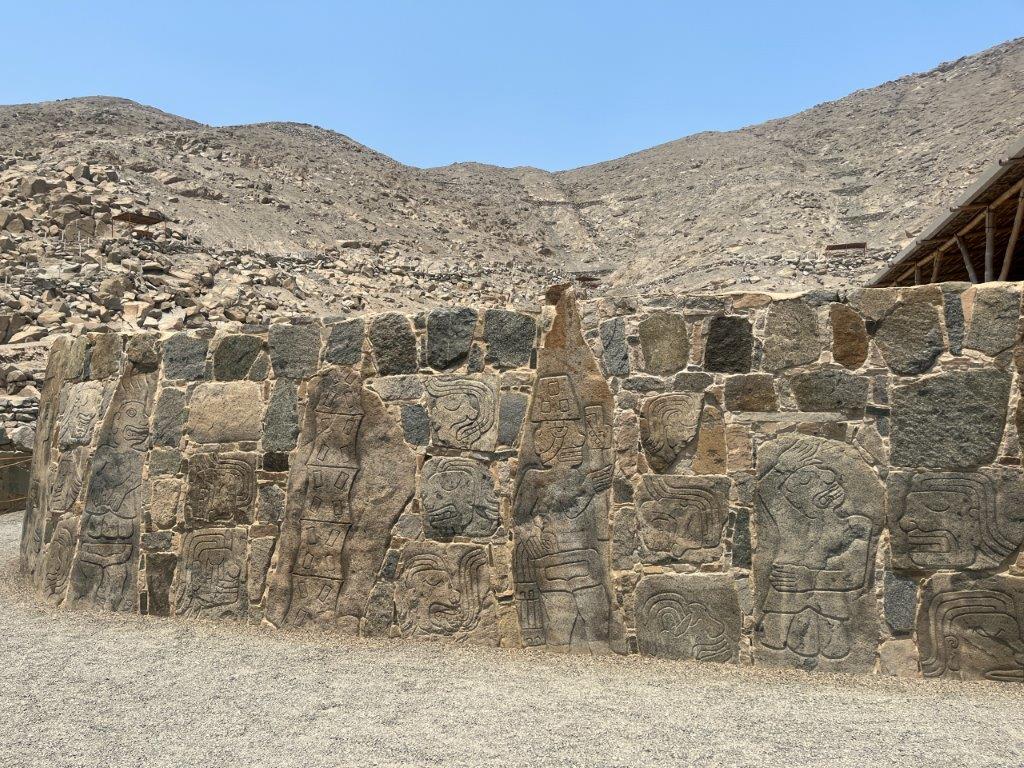
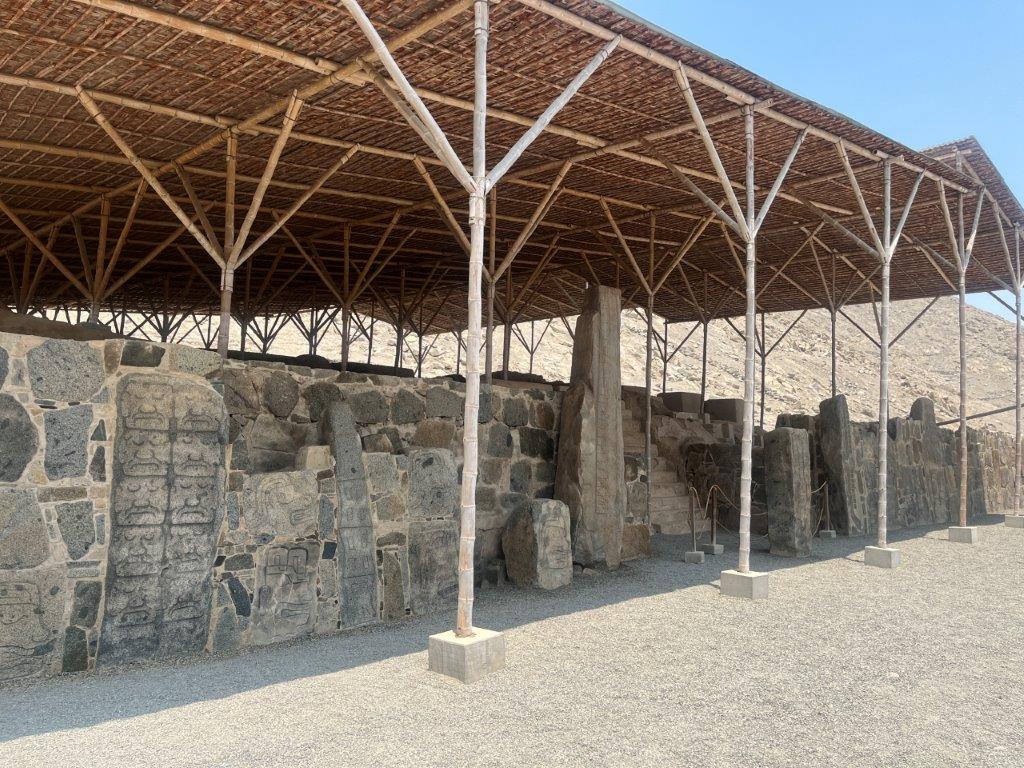
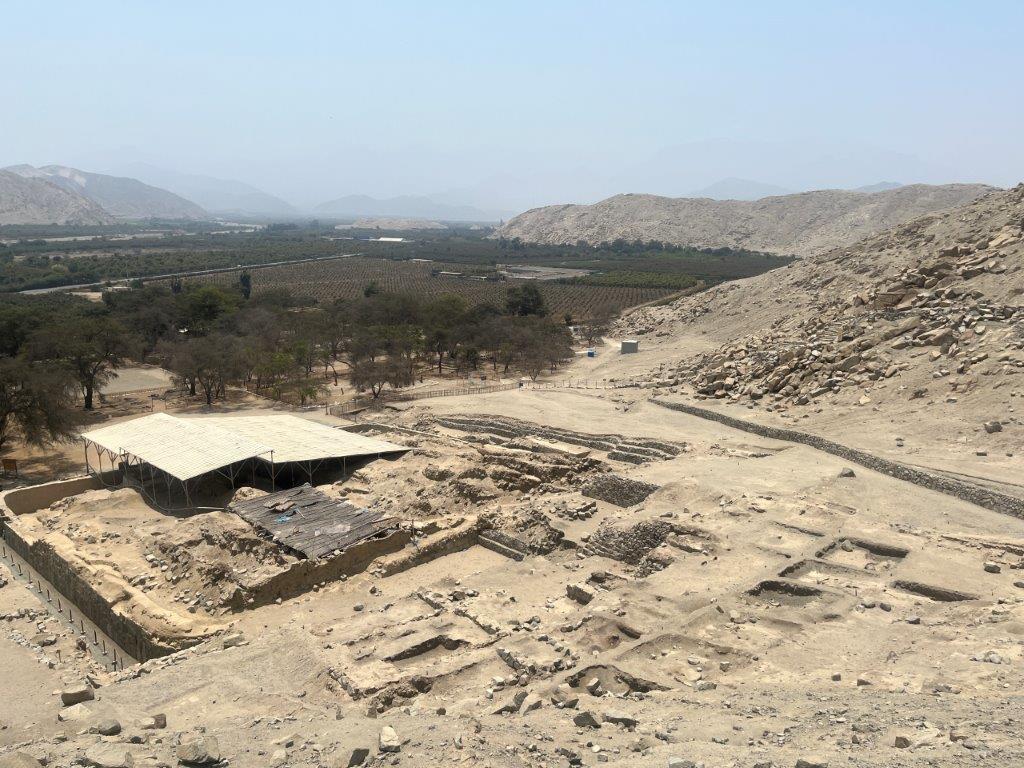
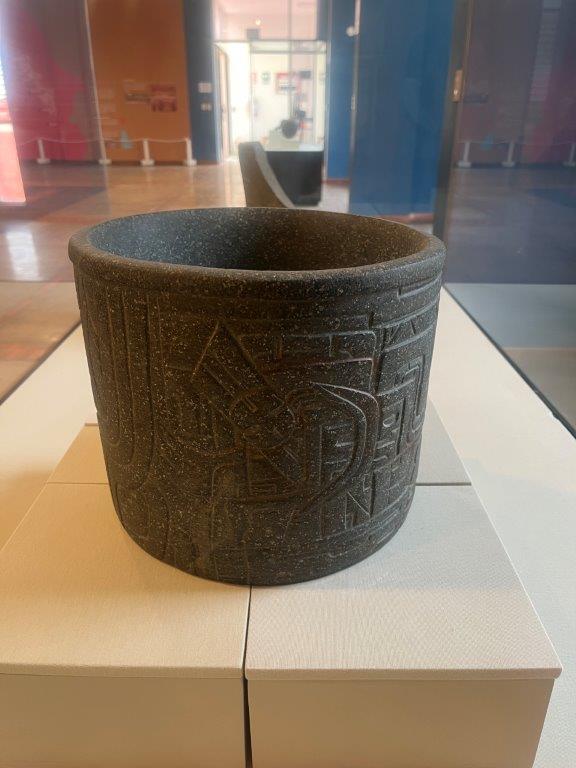
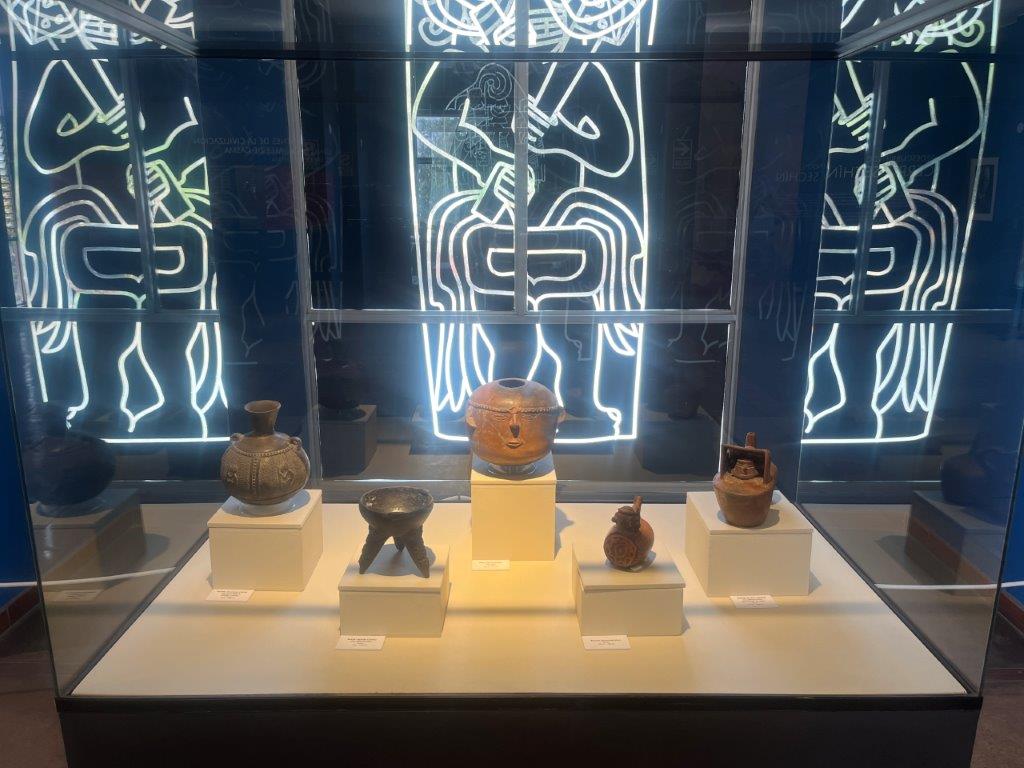
The museum also had some of their pottery and carvings. I quite liked a stone bowl they found. I’m amazed at how little you hear about this stuff unless of course you are a one of those people whose job starts with A. But this is what it is like in Peru. Hidden treasures everywhere. I was glad that I found this one. And the next place was also just as impressive.
It was a bit more difficult to get to with all the usual elements of wind and gravel and soft sand but despite the lack of signage and phone reception I managed to find it. It was a slow last 500m through soft sand to the office where there were three potential guides standing there ready to greet me. They must do it tough this time of year.
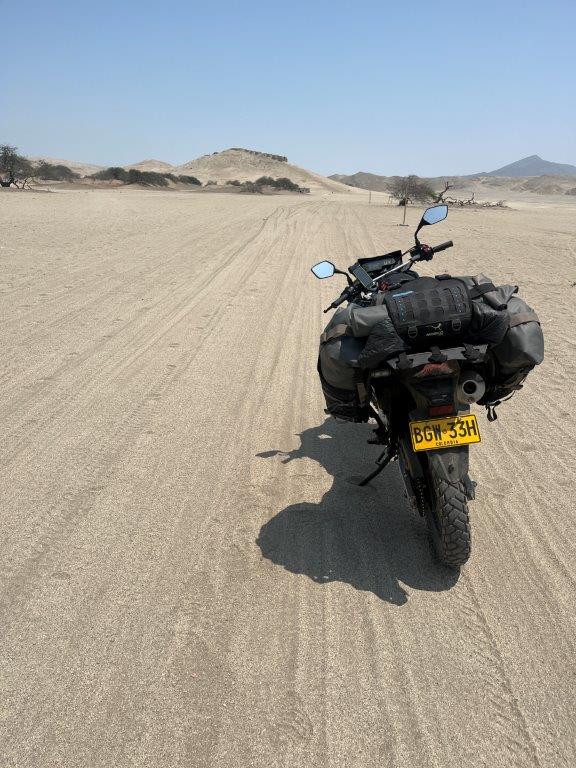
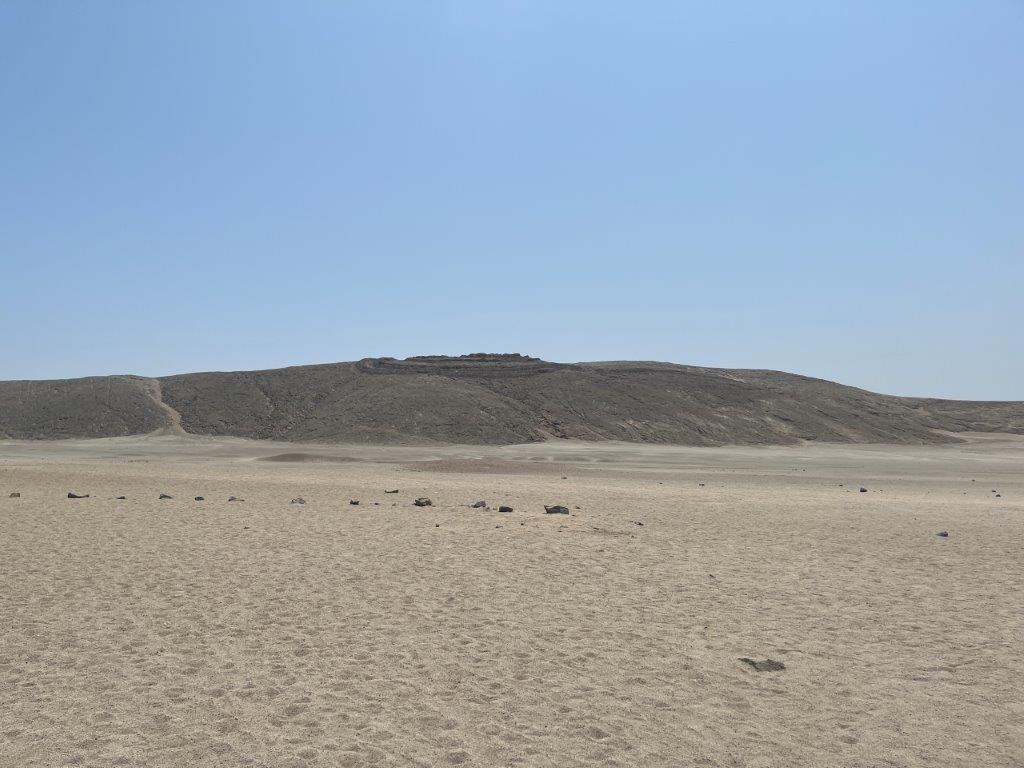
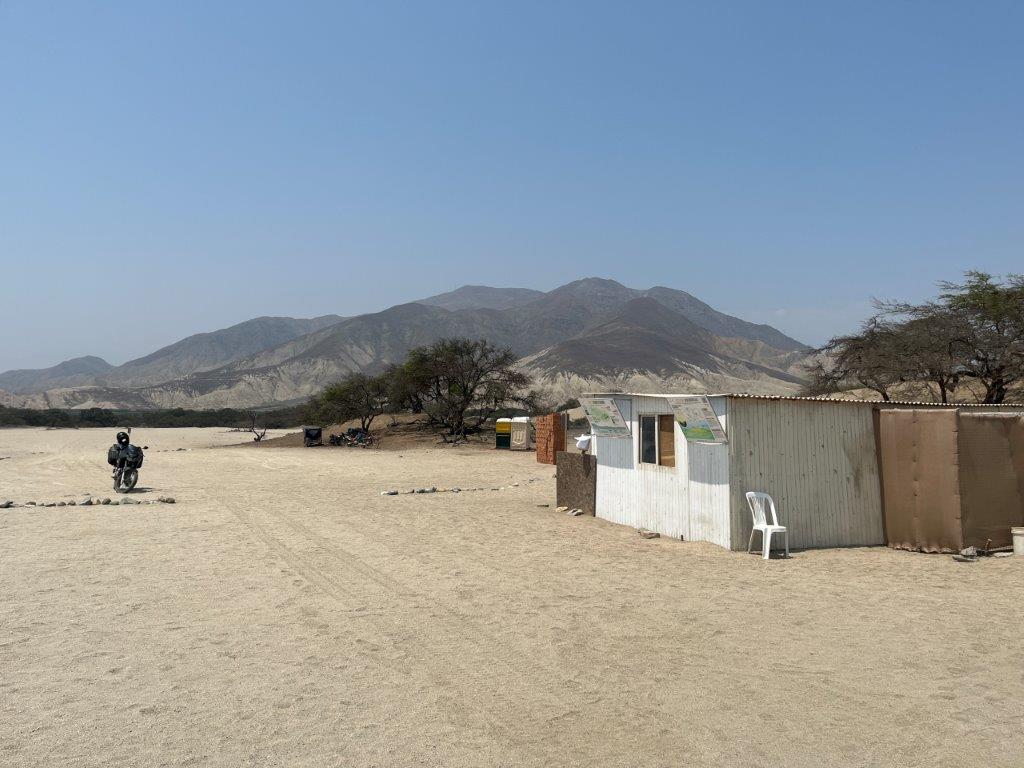
Chankillo is nearly 2500 years old and is associated with the Cupisnique culture who also don’t rate much of a mention. What drew me to this site was the solar observatory. I could see it from the information hut (or whatever the building was). It has 13 rectangular stone towers, used to track the sun’s movement and mark celestial events. I was there in the afternoon and it was warm with blowing sand and I was wearing motorbike boots and had three guides dying to take me on a Spanish tour for a couple of hours. So I was polite, snapped a couple of pics of the solar observatory and the nearby ceremonial and residential structures. Another place I’d never heard of that showed the advanced astronomical knowledge of the ancient Peruvian societies. I’ve added my pics and then stole a couple off UNESCO
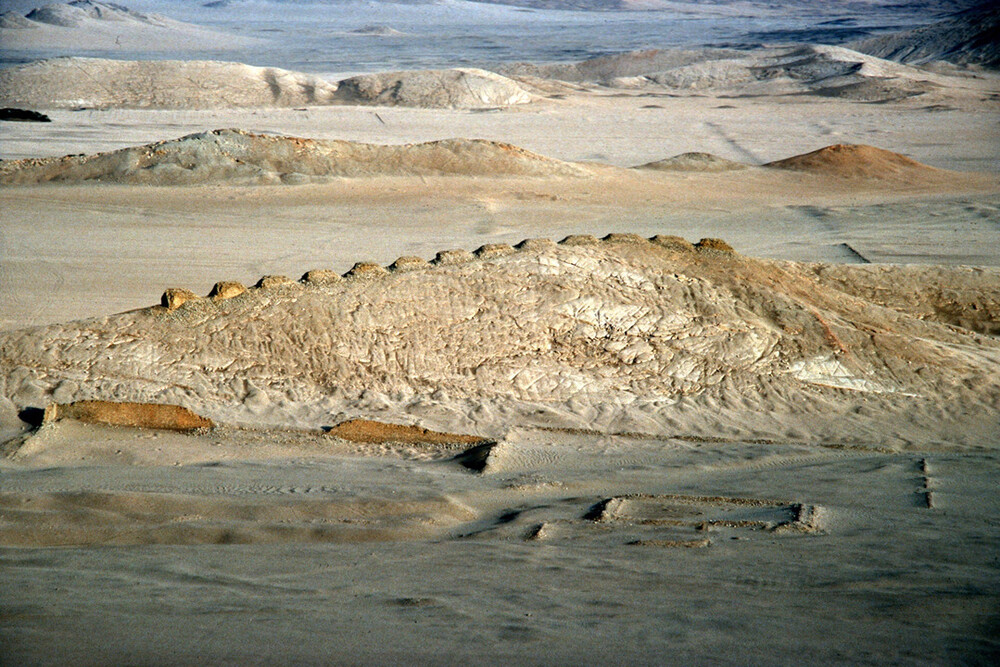
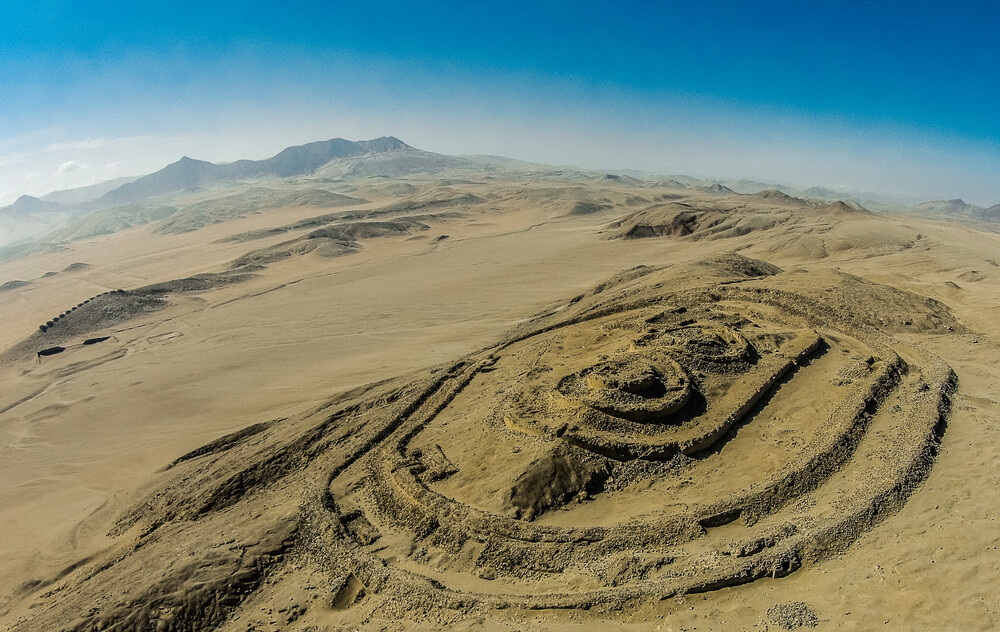
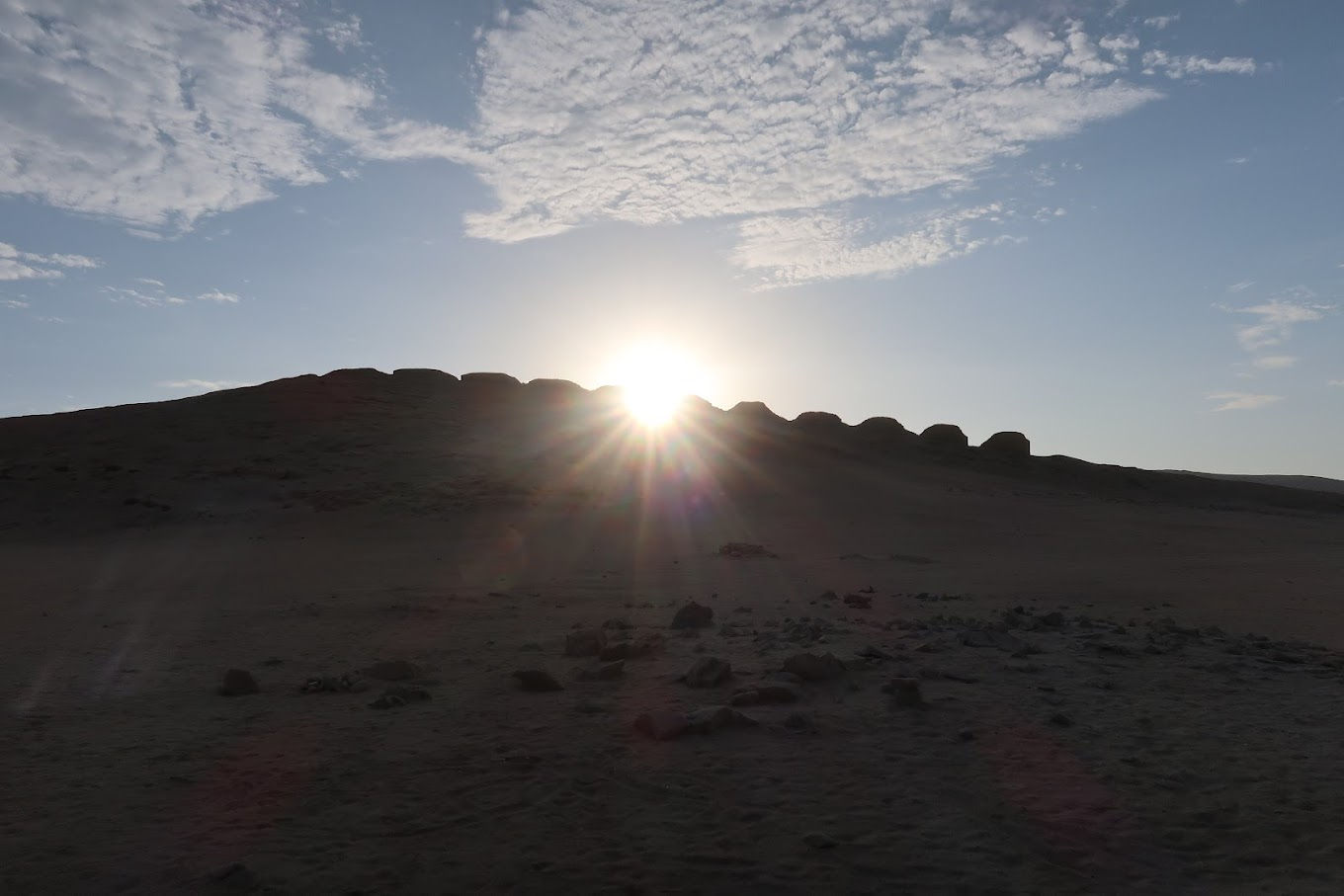
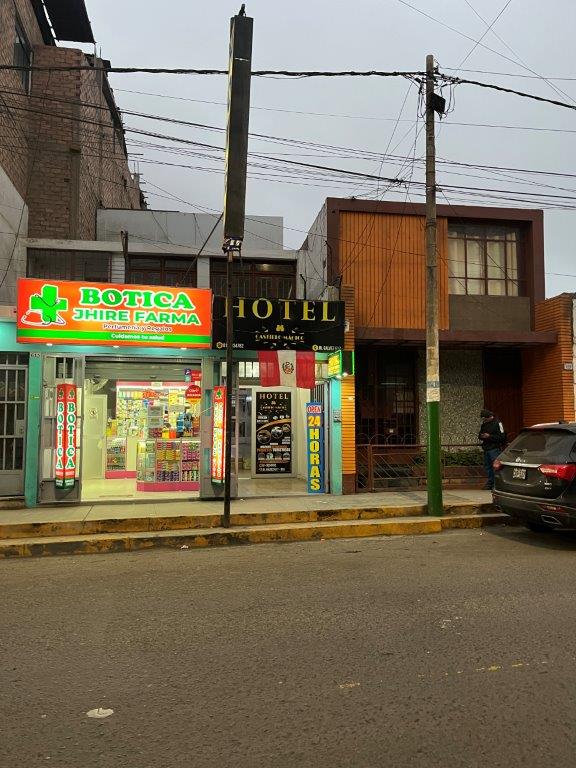
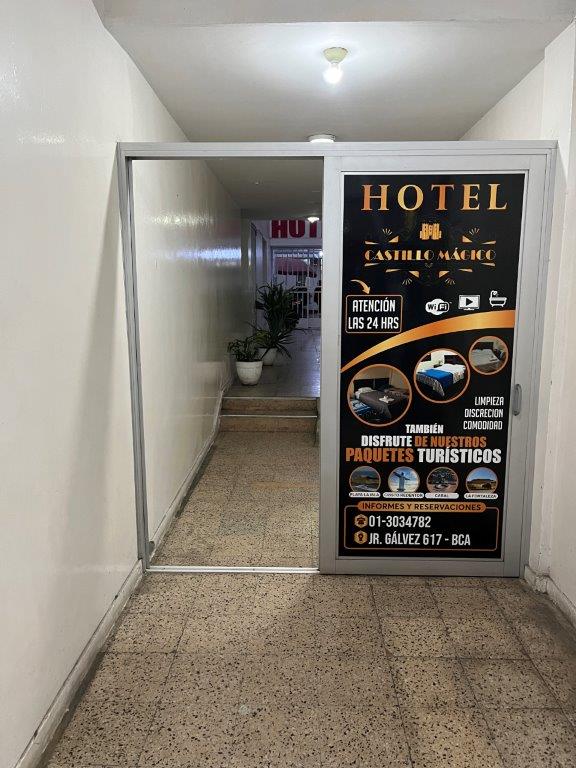
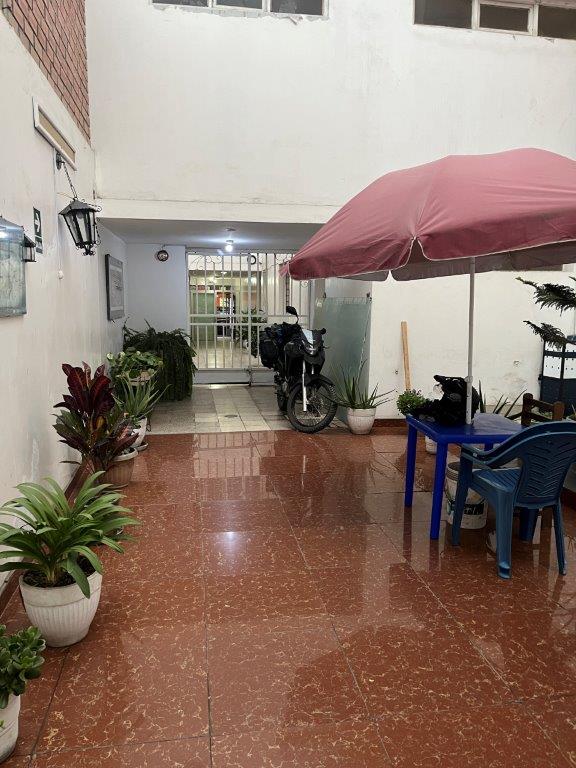
From there it was find my way back to the highway, find food and water and head towards Lima, the capital of Peru. It was late and I didn’t make it, so I stopped the night in Barranca and what a lovely little stop that was. I found a hotel called Castillo Magico (Magic Castle) in the main street and went in an asked all the usual stuff. Obviously, there was no parking. Obviously, I was wrong. Just ride along the footpath then a sharp left. Through the electric sliding door, up the steps and into the hotel foyer. And it was cheap and super clean. And the staff were so friendly. It really topped off a lovely day. I was excited about heading to Lima in the morning, but I had one thing to do that I had been putting off and this seemed the perfect town to do it.
8434Kms


Shane, the blog is getting better and better. Keep it coming.
Dominique
LikeLike