Prepare to be disappointed. All those things you thought you knew about the equator aren’t true. And maybe the earth is flat. Let’s start with that one. The world isn’t a perfect sphere, in fact it’s an oblate spheroid. The centrifugal forces that are created by the earth spinning on its axis force the equatorial region to bulge and the poles to flatten a little. So therefore if its flat on the top and flat on the bottom and wide across the middle it could be consider flat. Okay. Not really. The earth rotates at 1670km/h at the equator, about 1200km/h at the 45th latitude (near New York and south of Tassie) and about zero at the poles. This made me wonder why I didn’t fall off when I was in Antarctica. Probably it has something to do with the earth spinning around the sun at over 100,000km/h. I obviously slept through science classes at school.
In the 18th century the French set out to find the exact equator so they could introduce a system of measurement that couldn’t be disputed (and to probably annoy the English). They came to Ecuador and picked a spot just north of Quito and did all their measuring and decided that they were on the equator. They were then able to measure the meridian arc which is the distance between the equator and the poles. They then decided that one ten-millionth of that distance was exactly a metre and therefore universally undisputable. And so evolved the metric system. America isn’t saying much. I do wonder though, if the earth is getting a little chubbier around the middle as it ages, like me, and therefore there’s a bit of wiggle room there.
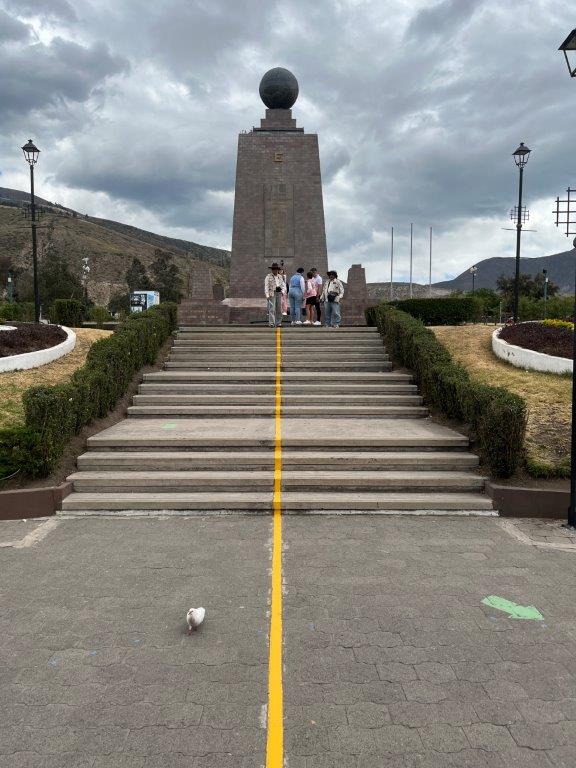
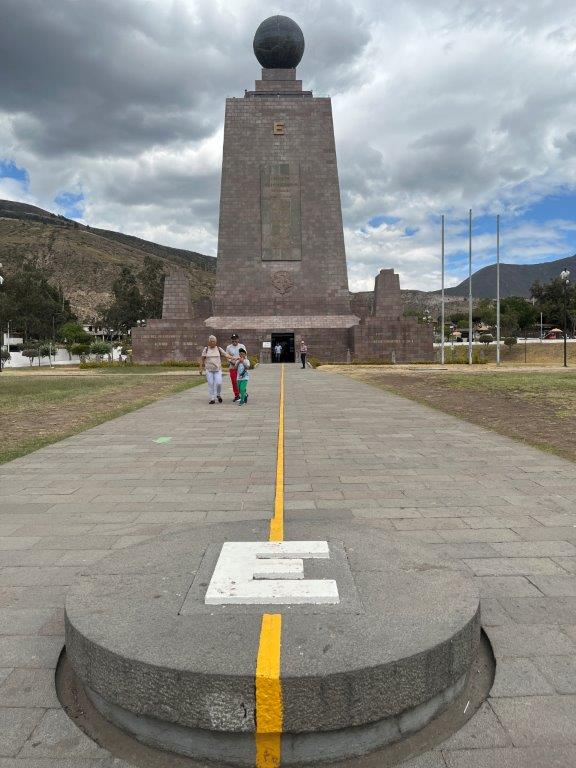
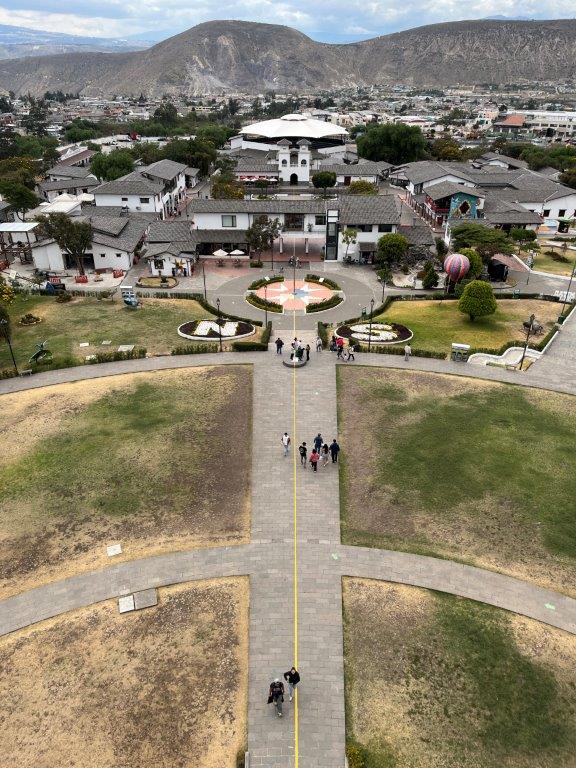
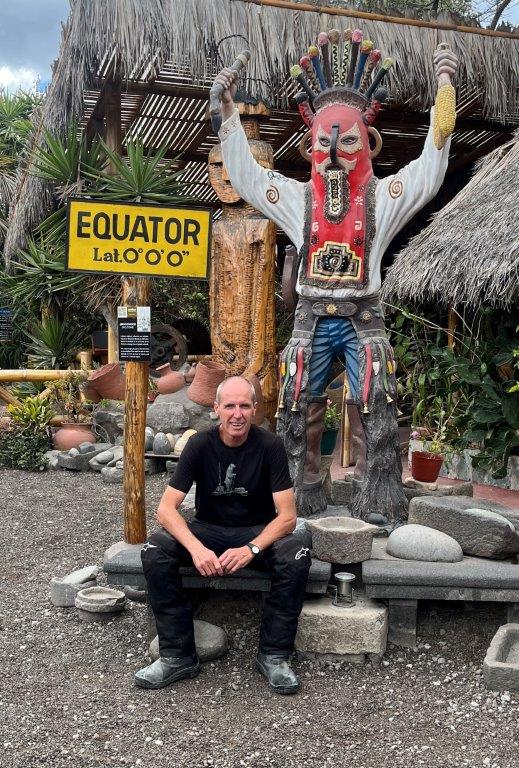
To celebrate and embed their discovery they marked the spot and then 1935 the Ecuadorians built a monument on that spot which was replaced again by the current one in 1980. They also called it the Mitad del Mundo or Middle of the world, despite the fact that the equator also crosses through Colombia, Brazil, Gabon, Congo, Uganda, Kenya, Somalia, Indonesia and the Kiribati Islands. It’s now a whole little complex where you can find out and participate in all types of equatorial stuff. You can find out about the indigenous civilisations that already knew that they were on the equator. You can find out about the history of chocolate in the chocolate museum and try some out. There’s even chocolate beer. There’s also a beer museum, but it was a bit early for me and my motorbike.
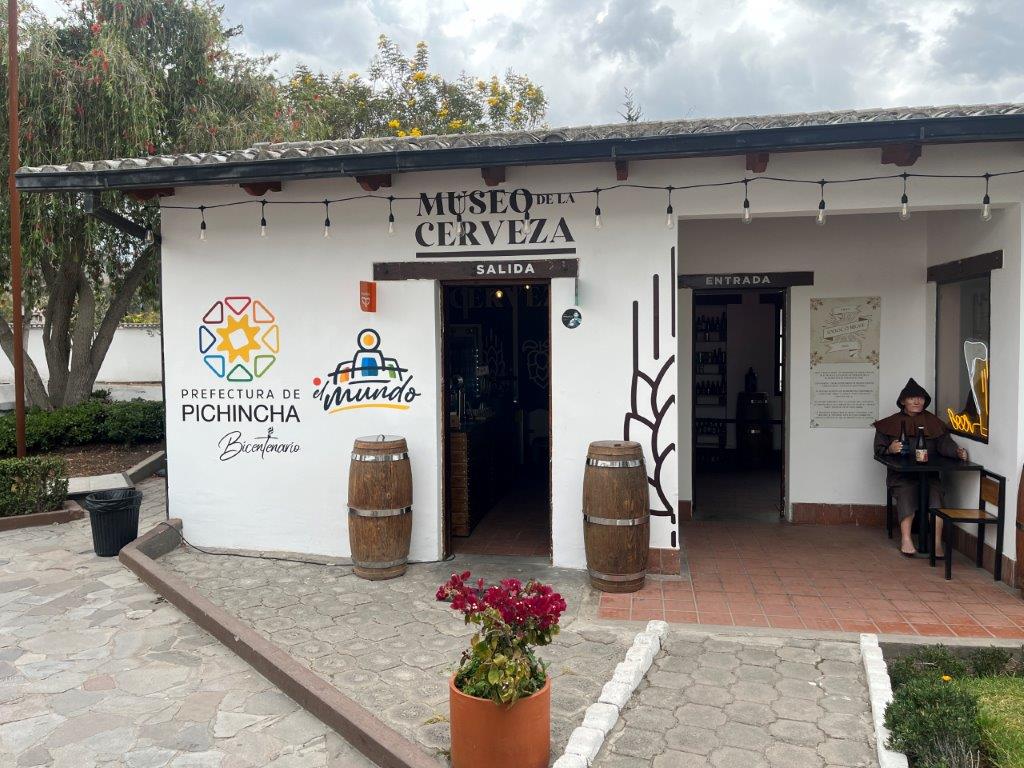
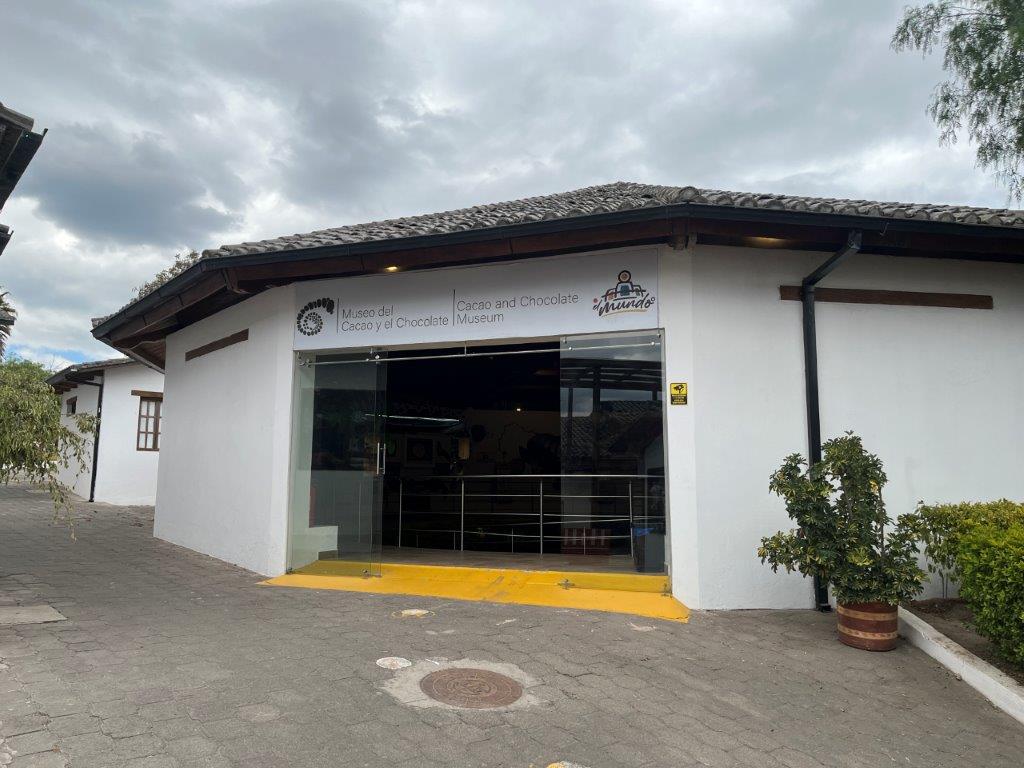
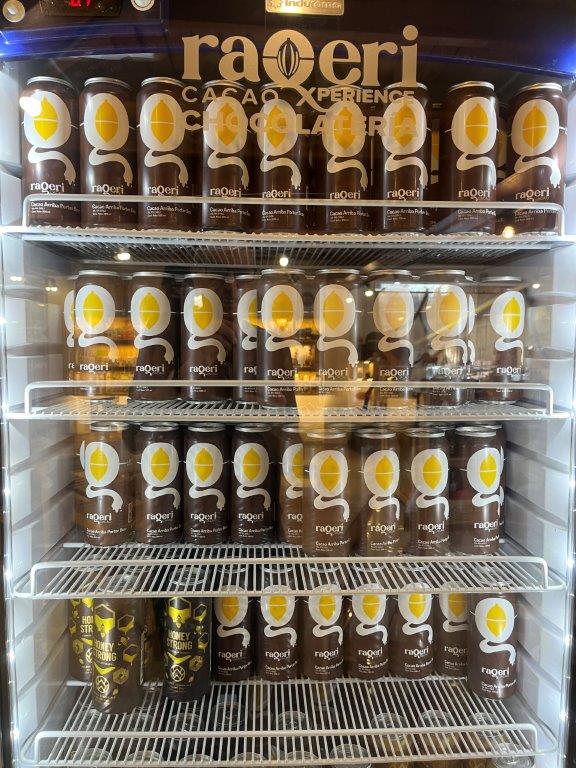
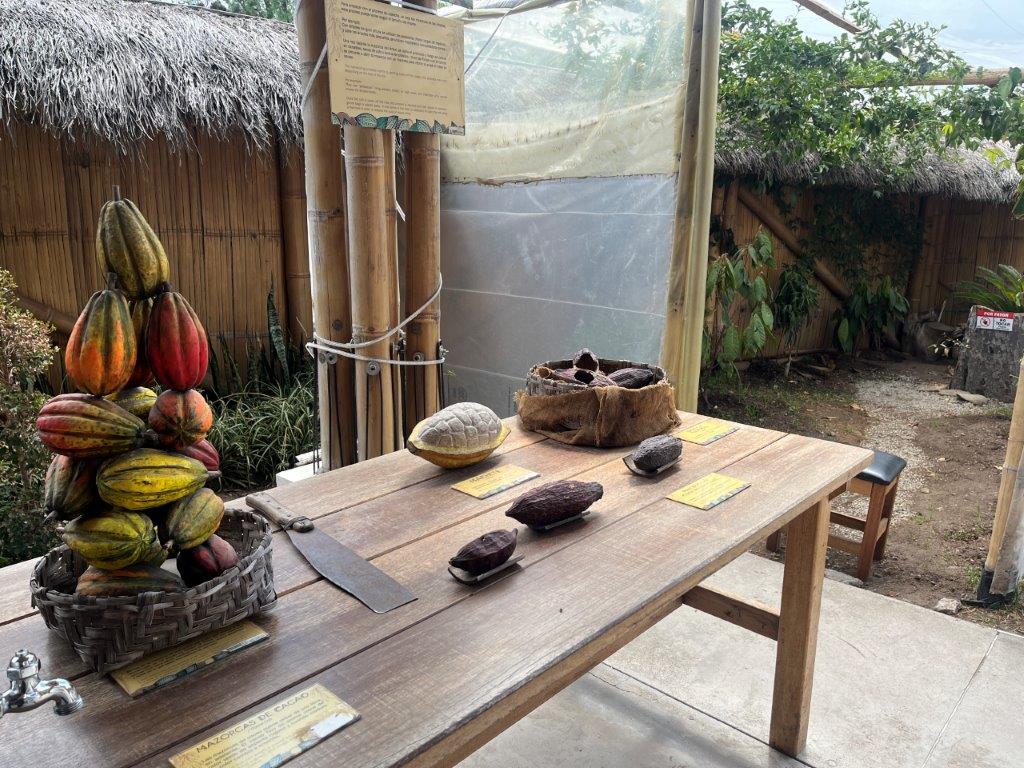
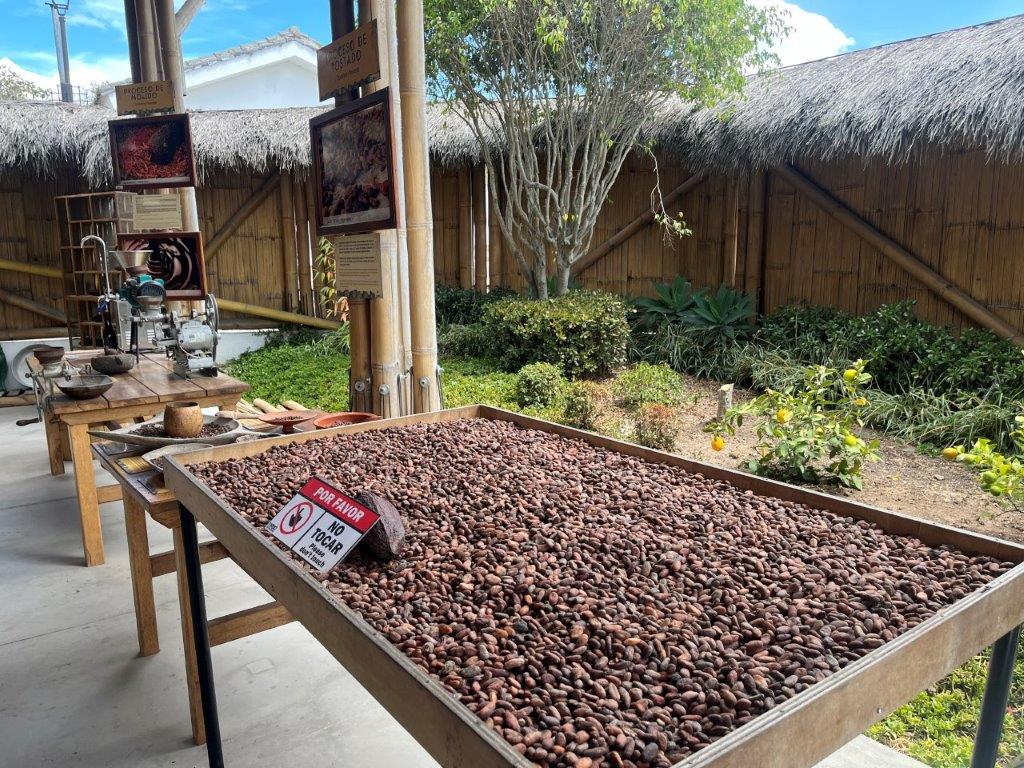
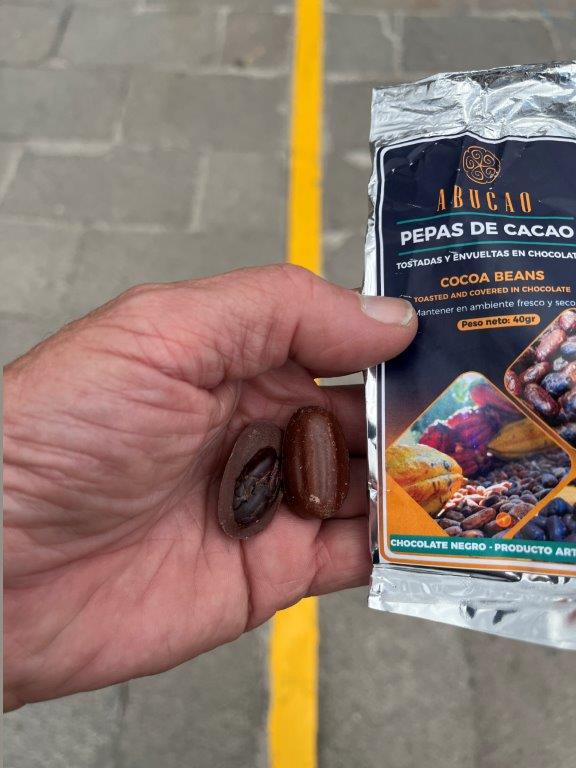
And of course, you can try your hand a balancing an egg on a nail which is a thing? Brag time. It took me 20 seconds after watching only one successful attempt and several failures. You can also stand with one foot in each hemisphere. And climb the monument and look down along the equator. There’s also shops, restaurants and other displays and for $7.50AUD it was a nice way to spend a couple of hours. And then I found out the whole thing was a lie.
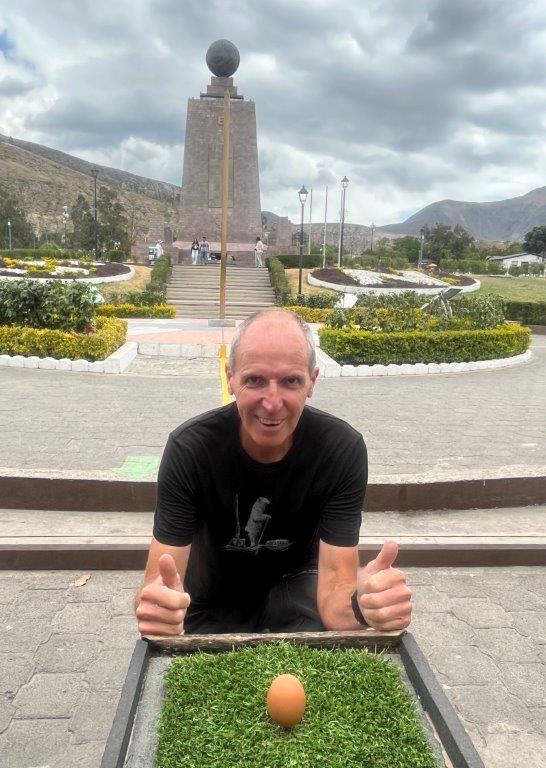
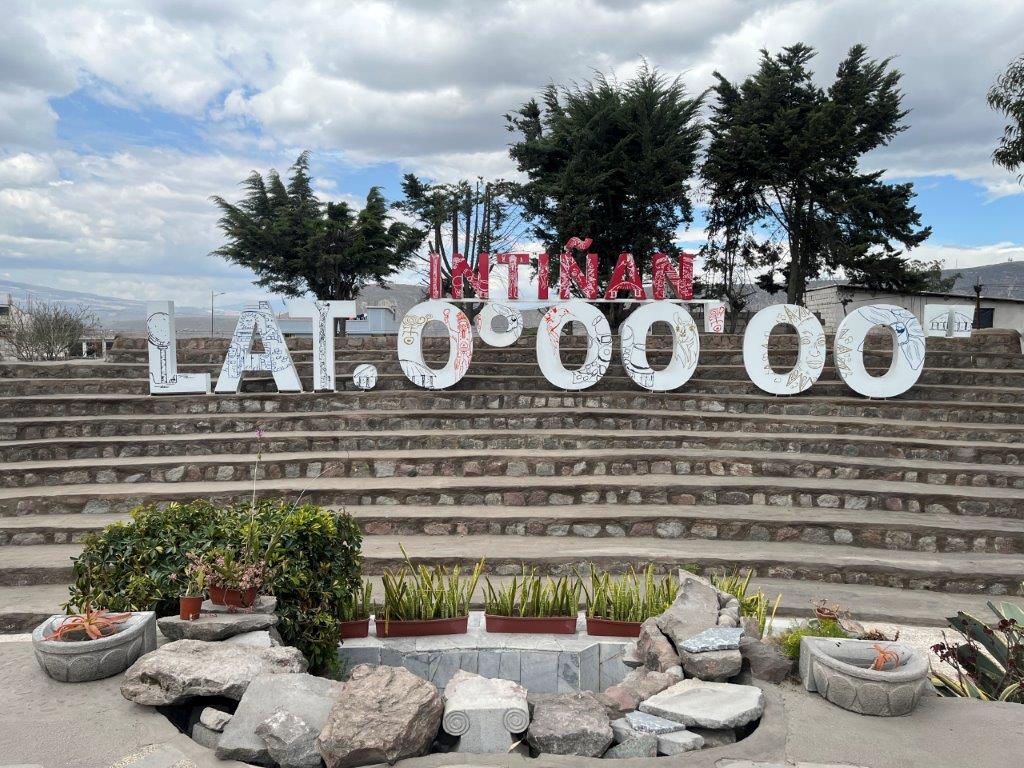
I had heard about a rival middle of the world museum next door. I googled it and thought I should check it out just in case. The neighbouring place is called the Intiñan Museum, which means museum of the sun path. And it was good. Also $7.50AUD but I think much more interactive and informative. It’s not big but I spent about two hours there as well. It turns out that with the introduction of GPS the actual equator line was 240 metres more to the north and just outside the Middle of the World complex and so an opportunity arose and someone took it.
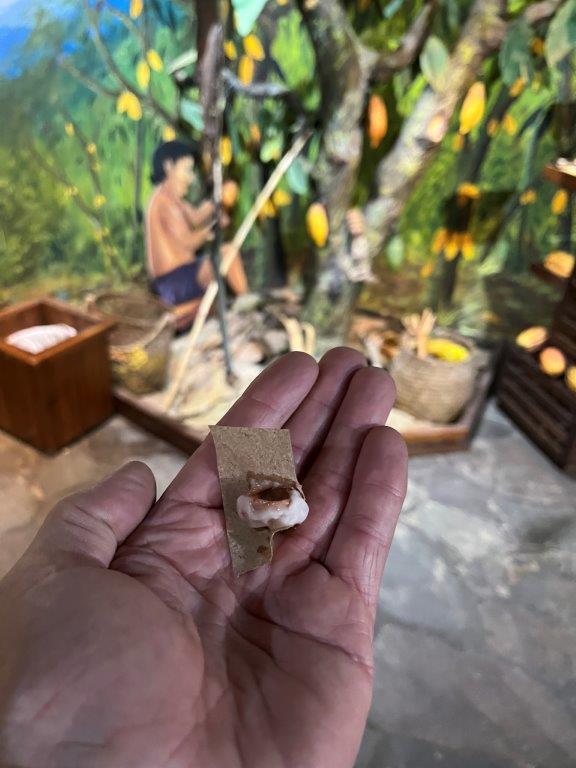
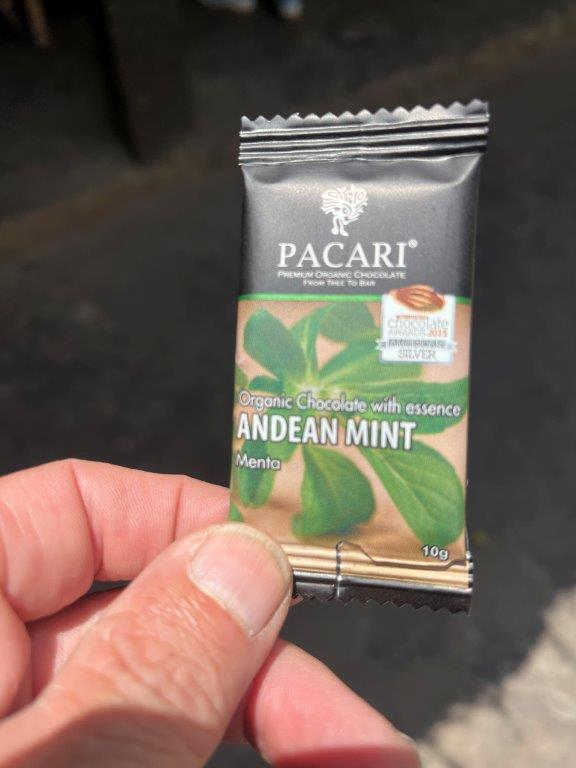
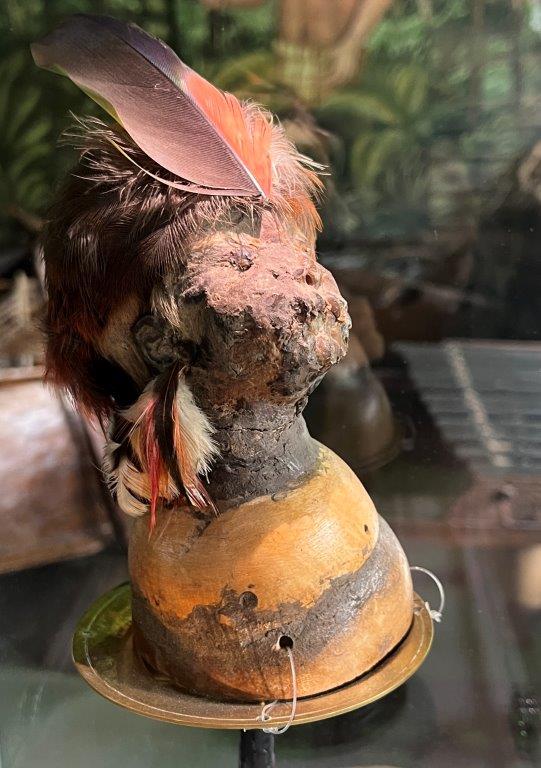
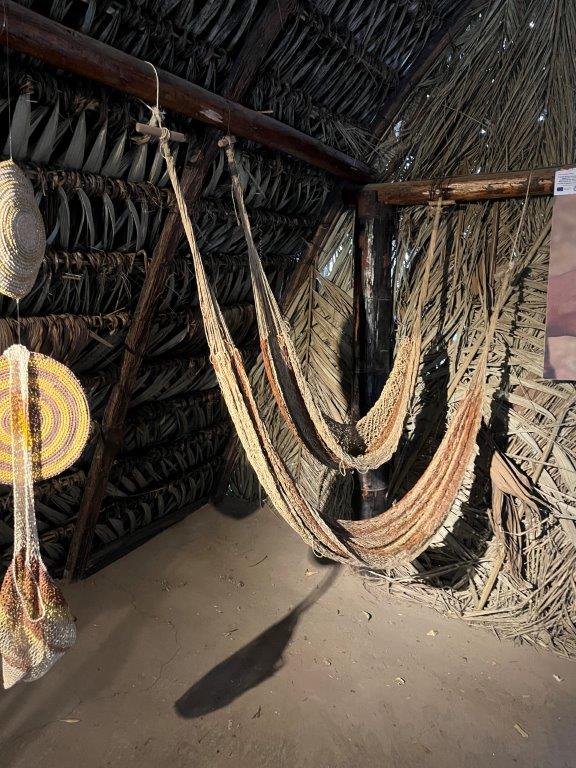
The museum doesn’t bag it’s neighbour but says it is a very relevant historical monument and part of the history of the equator and Ecuador. Included in your entrance fee you get an English speaking guide who shows you around the place. First stop another chocolate tour. Then a series of huts displaying the different civilisations that existed along the equator before and after the arrival of the Spanish. A couple of highlights being a small, barbed fish in a jar that is attracted to urine and lives in the rivers in the amazon. I’m sure that wouldn’t end well. We also learned how to make shrunken head and saw a real one in a glass case. I always wondered about that. They actually remove the skull and boil the skin in herbs and add hot rocks and then smoke it. I didn’t really take it all in as I’m probably not going to need to know how to do it anyway. It did look pretty cool though I’m sure it would have been pretty important and intimidating back in the day.
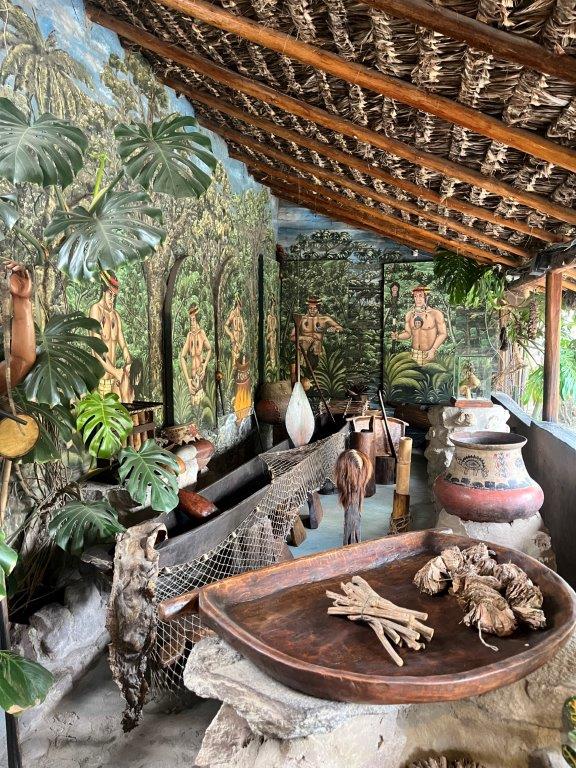
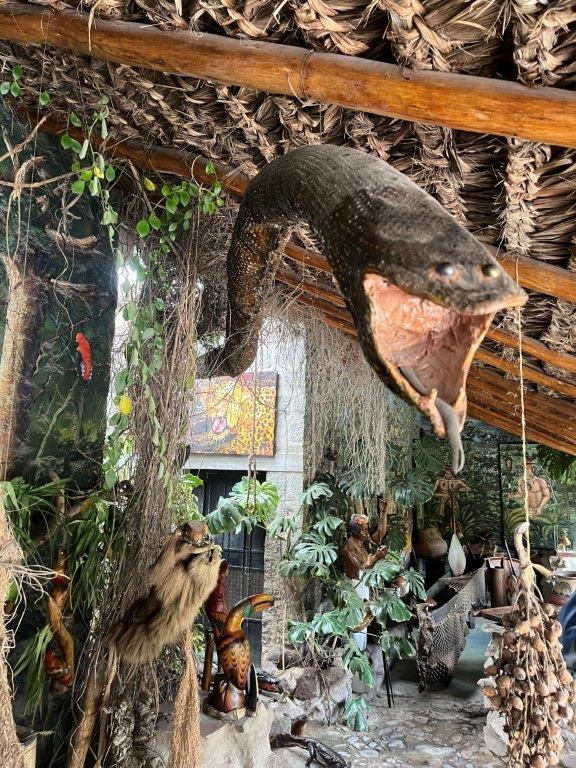
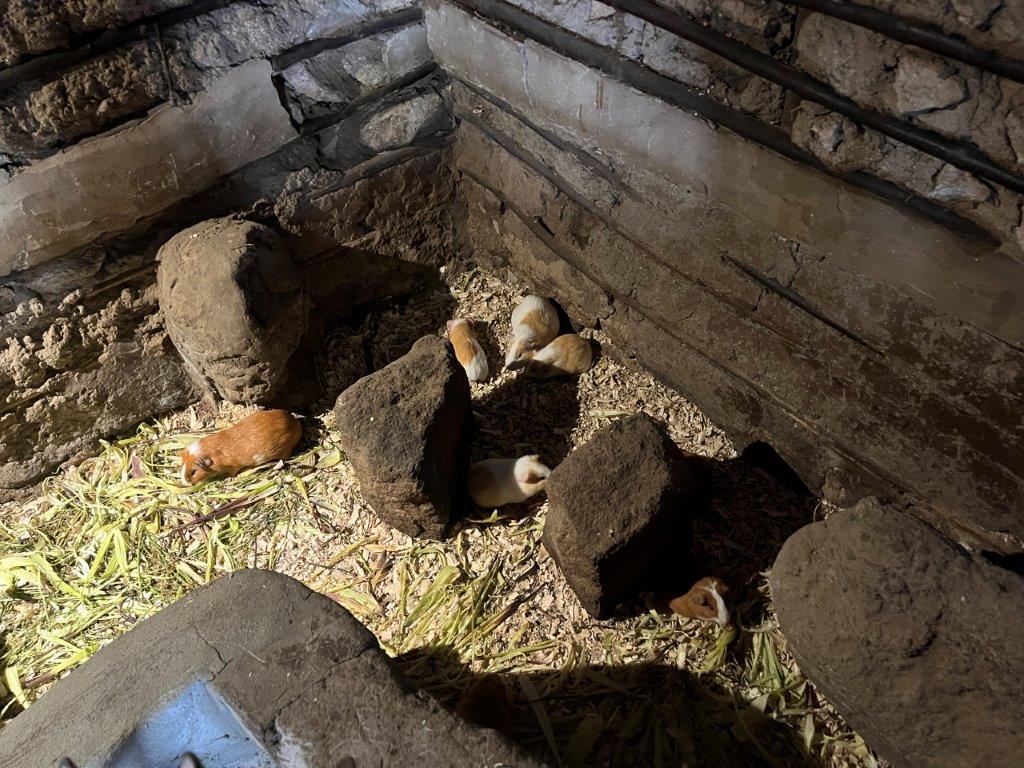
There was also a hut with a few live guinea pigs in the corner. The guinea pigs were very important and had multiple functions in the ancient cultures. Firstly, if a guest entered your house and the guinea pigs started talking then you knew the person had bad vibes. I passed. Also when someone was sick the medicine man would use a live guinea pig to scour and wipe down the body of the sick person until all the bad stuff was absorbed by the pig and it died. And of course they were a good source of protein.
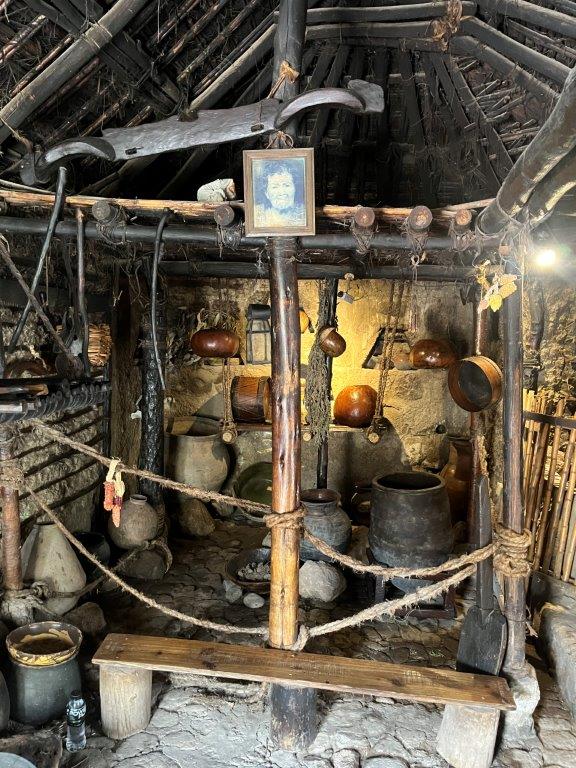
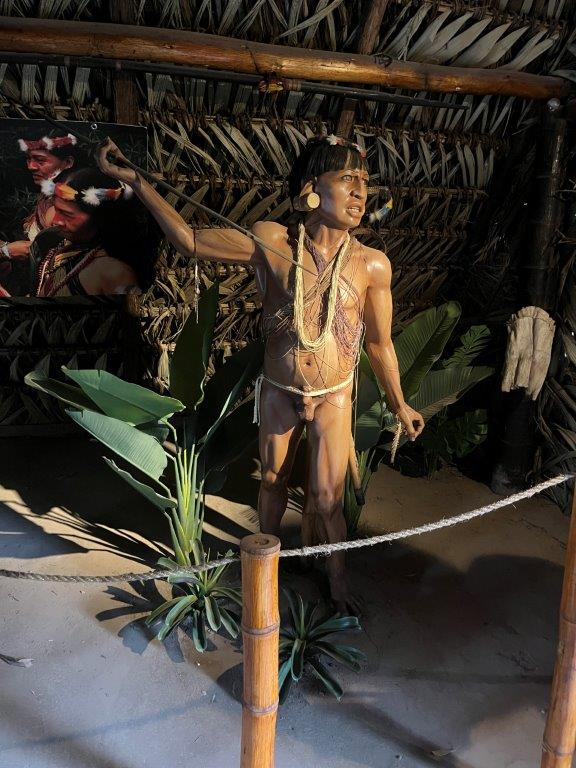
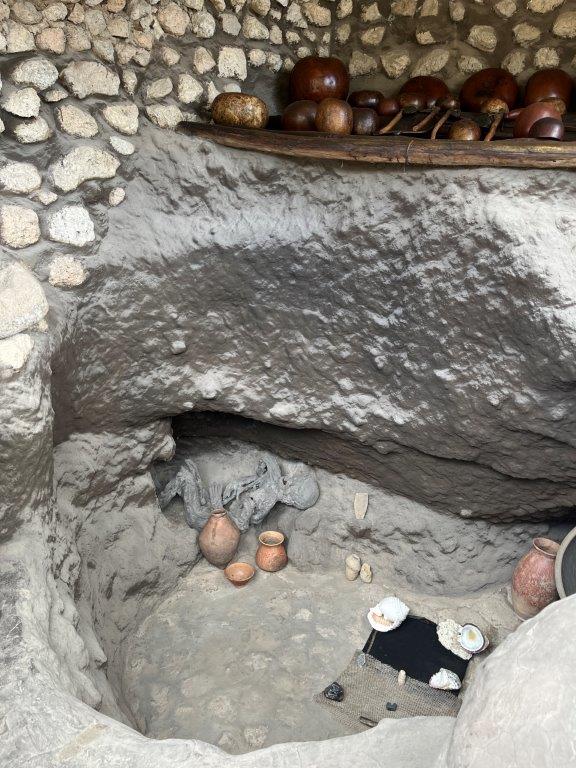
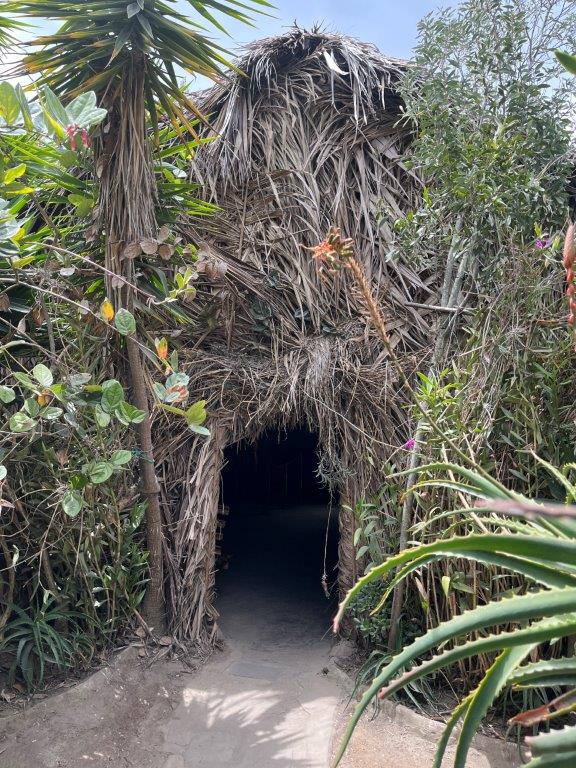
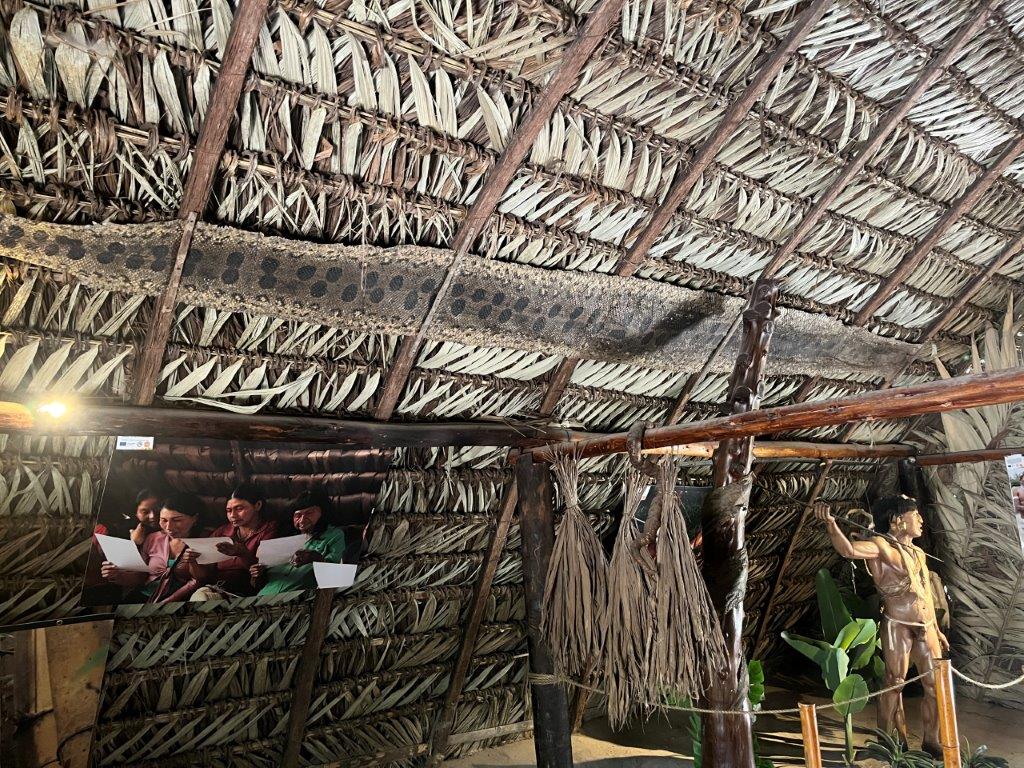
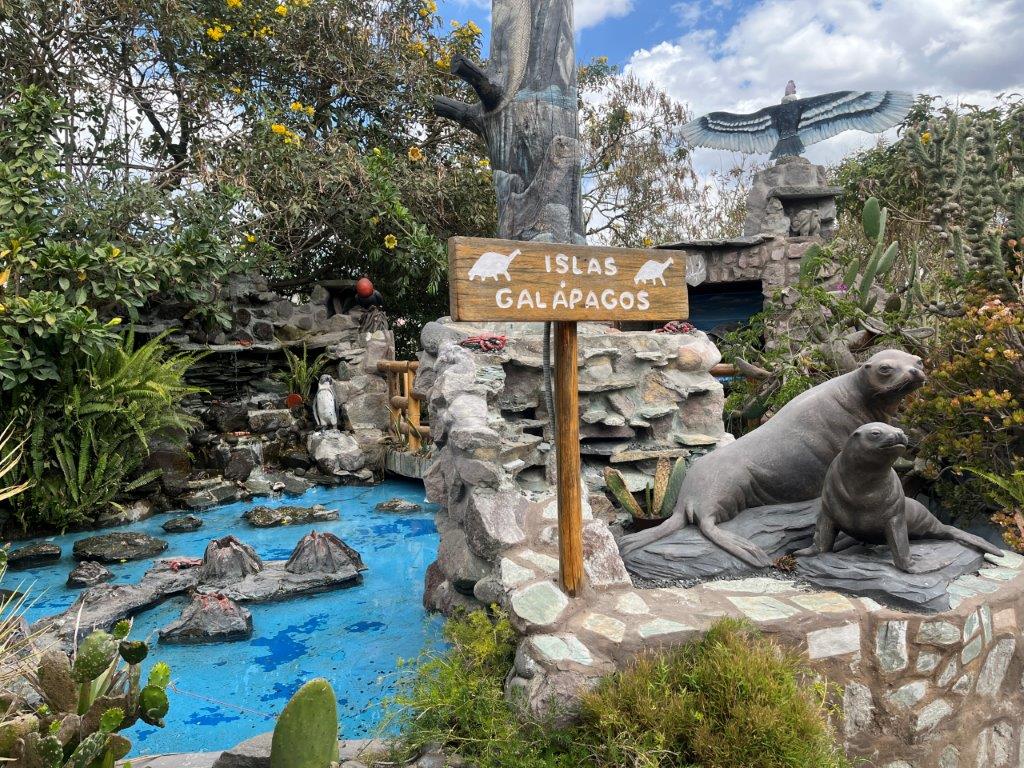
In another hut there was also a couple of stuffed animals, one of which was an anaconda. They can grow up to 7 metres and weigh 200kgs. And a poison dart blowpipe. And a burial site. All the huts in the complex were built by the traditional people of those regions. Ecuador has four distinct regions. The Galapagos, the Coastal region, the Andes and the Amazon, which are all represented. And then there was the fun equator section.
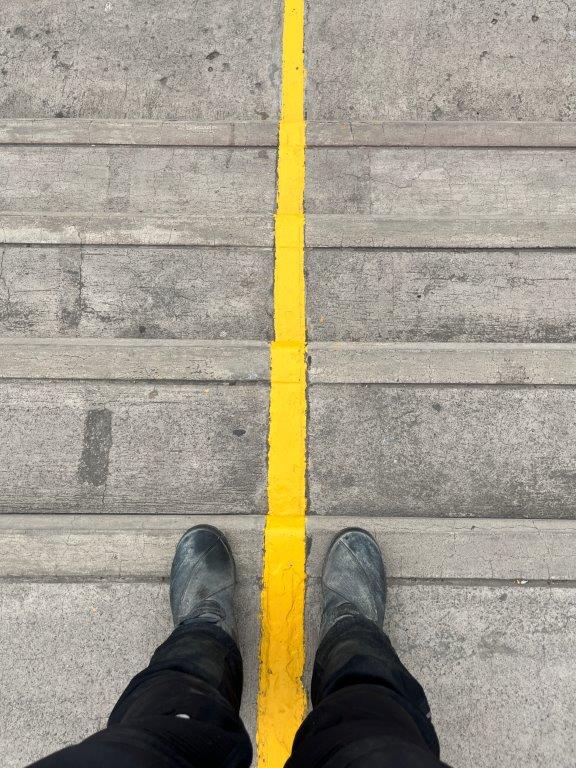
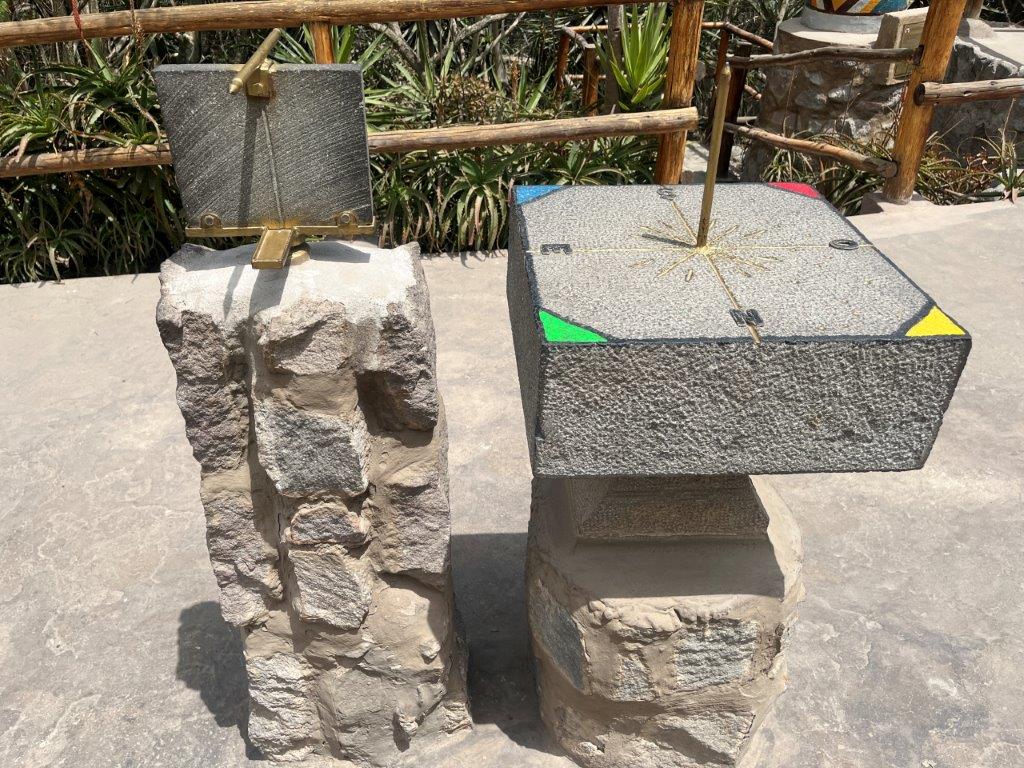
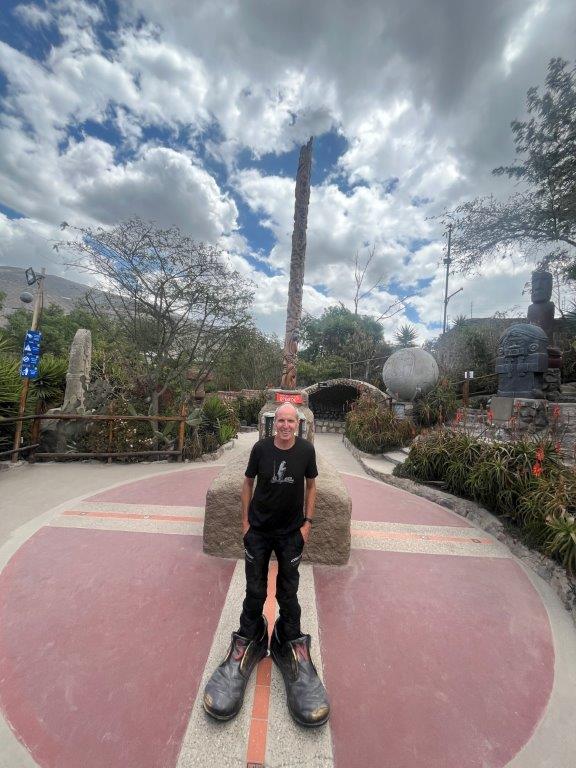
There were sun dials, and a line with a couple of big boots to stand in so you could span the real equator and of course an egg. There were only 2 other people in my tour group and they were able to do it but for some reason I failed. And they got a signed certificate at the end. I can live with that (or without that). Especially now that I know being on the equator has nothing to do with being able to balance an egg on a nail! We also tried to walk along the equator line with our eyes shut and not to brag but I beat the other two young people at that but there was no certificate, and I think it’s a much more valuable skill. And then of course there was the Coriolis Effect.
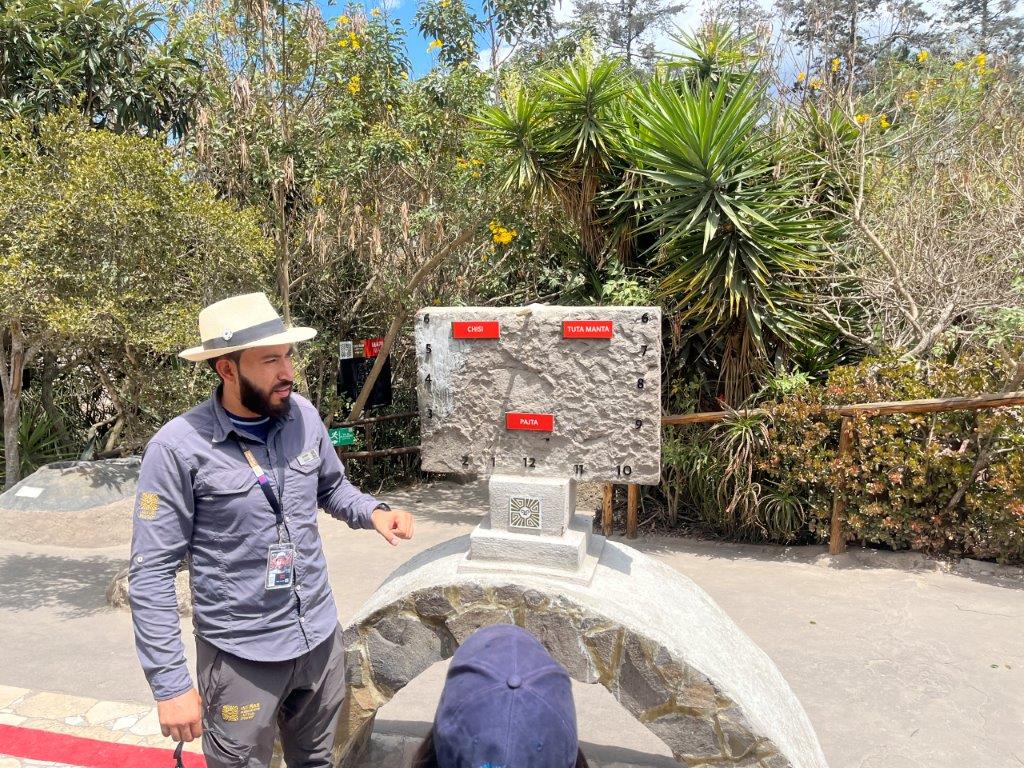
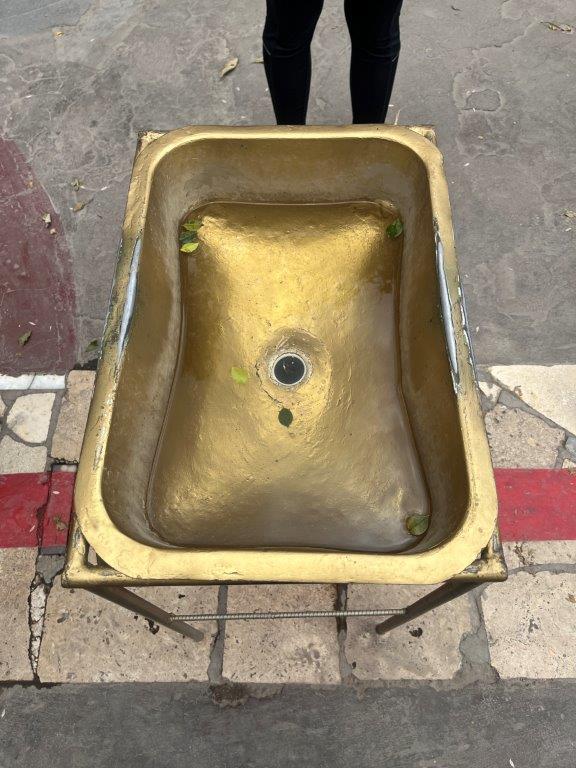
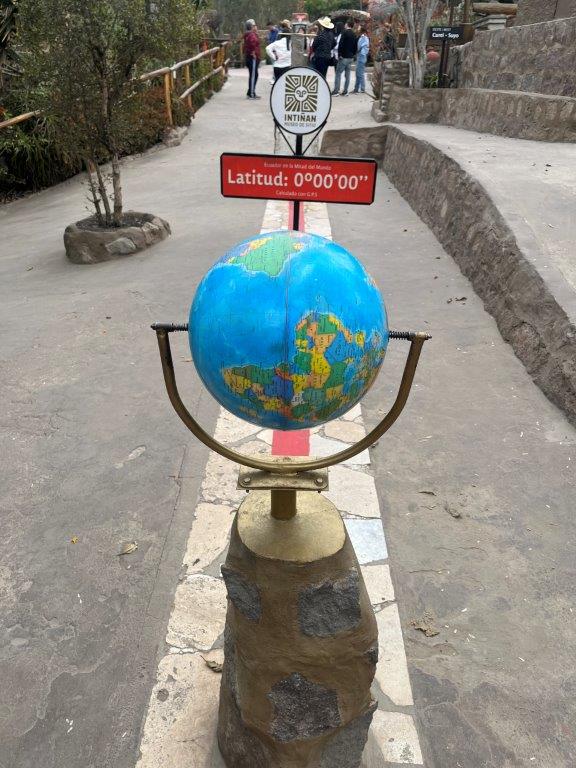
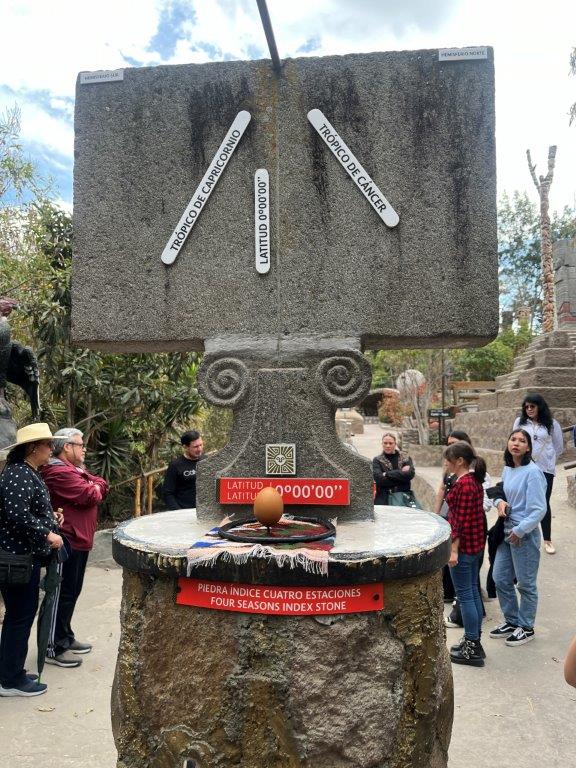
We all know that Fc=2⋅m⋅v⋅ω⋅sin(ϕ) and that’s the reason that water spins a different way in the sink when you pull the plug in different hemispheres. The guide had a tub of water which he pulled the plug on while it was straddling the line, and the water with a couple of leaves floating in it just drained into the bucket below. Sort of straight. He then moved the tub into the southern hemisphere and emptied the bucket back into the tub and pulled the plug again and the tub emptied with the leaves swirling in a clockwise direction. He then did the same in the northern hemisphere and the leave spun the other way. Quite impressive. But not true. While the Coriolis Effect is a real thing it only effects big things like atmospheric circulation and ocean currents and is mainly relevant to long-haul pilots and weather forecasters, not people washing their dishes or bathing the kids. The guide did tell us this before we left and how he did it but it’s a secret that I’ll keep to myself.
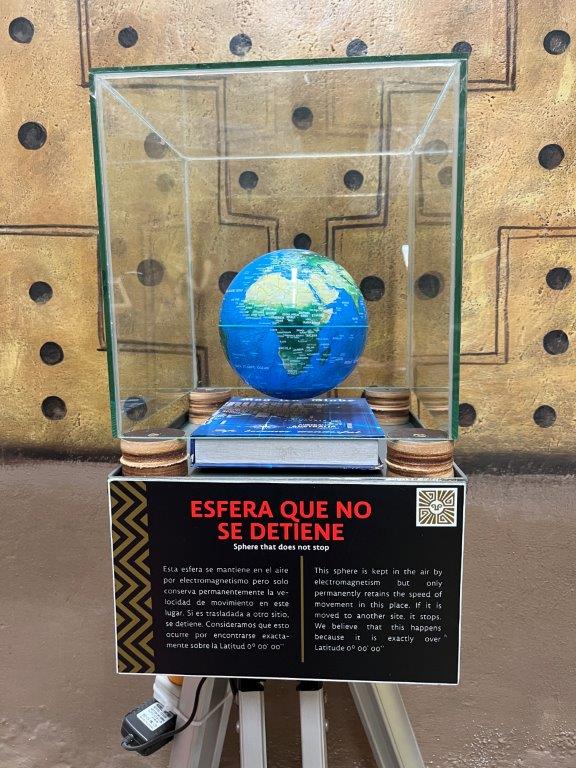
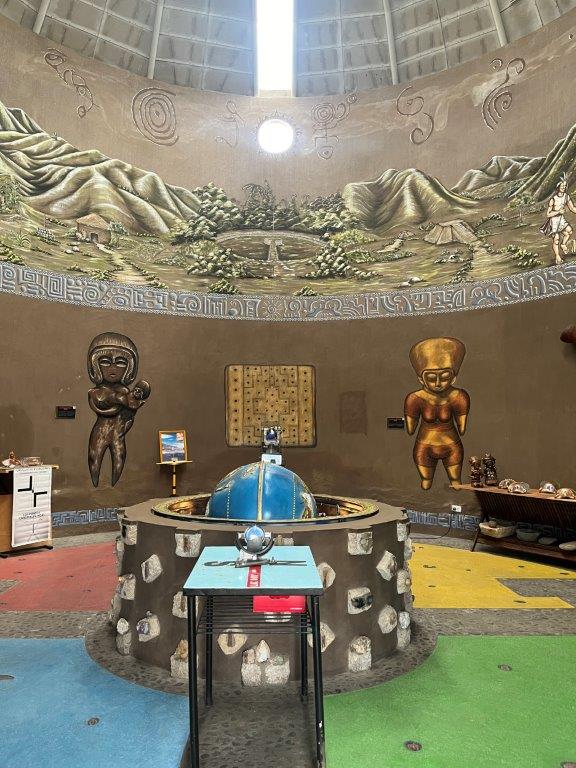
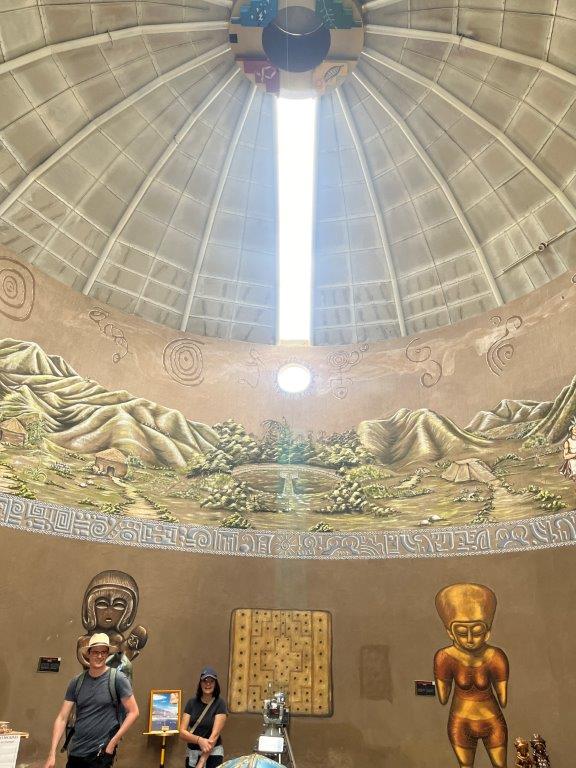
There were a couple of things to look at that weren’t part of the guided tour. I was impressed with a small spinning globe in a glass case and a big domed roof with a central glass section. Being on the equator means that all the days are about 12 hours long all year round. And it’s not hot like I imagined. In fact I’m sitting here writing this with long pants and a fleece top. I just had one more thing to do before I left the Intiñan Museum and that was take a screenshot of my phone showing all the zeros (latitude not longitude). I went back to the line and then I discovered it had all been another lie.
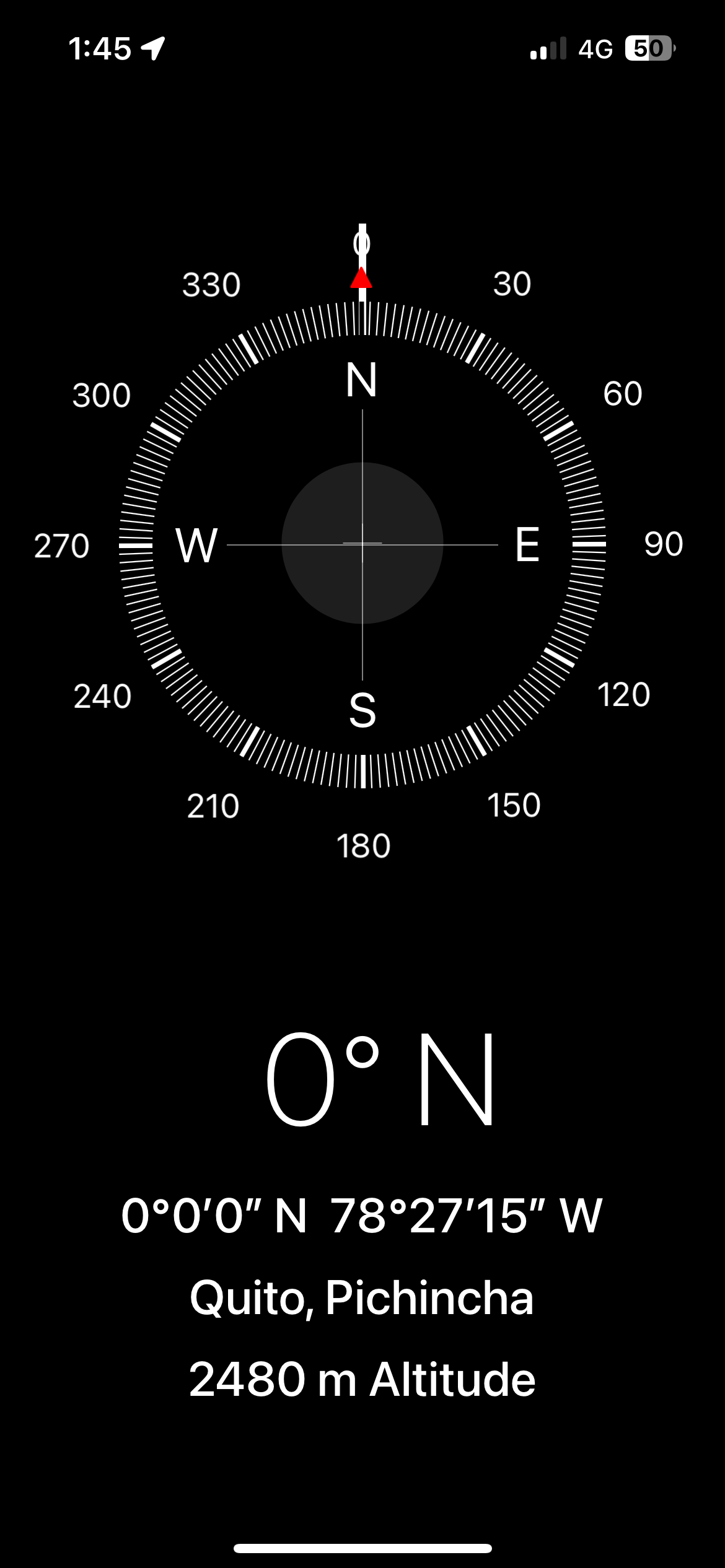
While it was almost all zeros it wasn’t exact. I kept wandering around like a drunk man staring at his phone until I ended up at the front gate of the museum and it locked on. Right at the entrance. I took my screen shot and looked up at the security guy on the gate. He gave me a smile and a little nod. I was finally on the real equator.


I look forward to every blog! Please make a book on your return so we can buy them – and the book could fund your next adventure!!!!
LikeLiked by 1 person
This is rad! I just learnt a lot.
LikeLiked by 1 person
Best blog so far. I learned a lot.
LikeLike