Being my fourth trip south I have learnt that you are not in Antarctica until the last ship for the year has left and is closer to Australia than it is to Antarctica and that the only predictable thing down here is that things won’t go to plan. One of our wintering carpenters was on the ship and looking forward to arriving so he could get started on finishing the construction of a water storage tank that he had been working on over his previous season. Several days into the cruise he slipped on a whiteboard marker that was on the floor as he was stepping through a doorway and came down heavily on his side/back. He was in a lot of pain in the rough seas on the ship but once we arrived he was first one off. On to a small plane. Flown over to Casey Station and put on a plane straight back to Tassie. The project has now stalled and I’m guessing he’ll be back down again next year to try again. And he wasn’t the only one to have his season cut short.
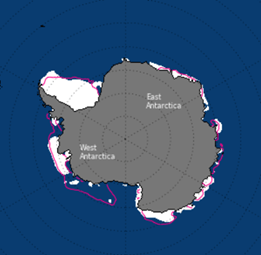
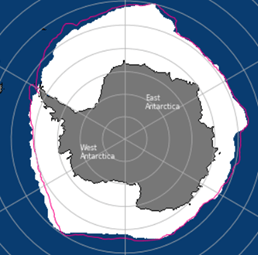
Taking a step back, the AAD has three stations it must resupply every summer. Resupplying them during winter is not possible due to the fact the sea freezes up to hundreds of kilometres off the coast. In fact, the antarctic continent (which is already larger than Australia) expands to be three time larger than Australia over winter. It’s also mostly dark and the weather can be a bit hostile at times. So, we are on our own until the following summer. We are mainly here to keep the lights on until the summer people arrive and then all the work and science happens in the 24 hour daylight and reasonable weather.
This year the AAD planned 6 trips south divided between two ships. As mentioned earlier we came down on the icebreaker Aiviq but we were to be followed up by an ice strengthened ship called the Happy Diamond. The Happy D is a big yellow container ship and it had on board 3 helicopters and several expeditioners who were coming to Davis for the summer. Unfortunately about halfway here it had propeller problems and had to turn back to Hobart. The problem was promptly fixed and they headed off again. But several days into the voyage the same problem occurred and they headed north again. But considering so much time had passed the AAD decided to cancel that voyage and with it, our helicopters and the summer jobs of all the people on the ship. And to make matters worse we also had several summer expeditioners on our ship who were suddenly not needed. Half a dozen were still able to stay for the summer and a couple were able to fly over to Casey Station but a couple had to get back on the Aiviq and go all the way back to Tassie. It must have been hard. It was hard enough just being here when all the decisions were being made. And there was also a few that never even got to leave Hobart at all. And then there was Terry the plumber. He made it to Davis and then on to Mawson Station and one week later he fell over and snapped his leg so he was back on the plane via Davis and Casey and back to Hobart. Needless to say, I walk about carefully and wait for the last ship to be well and truly gone before I declare I’m here for winter. Don’t count your chickens.
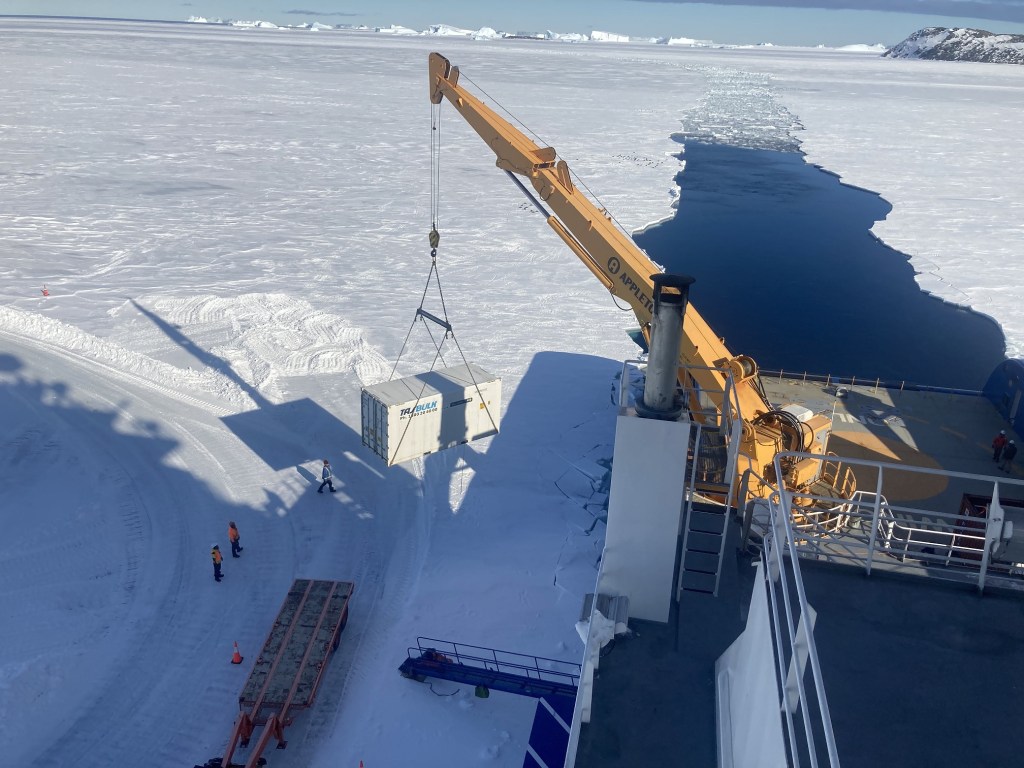
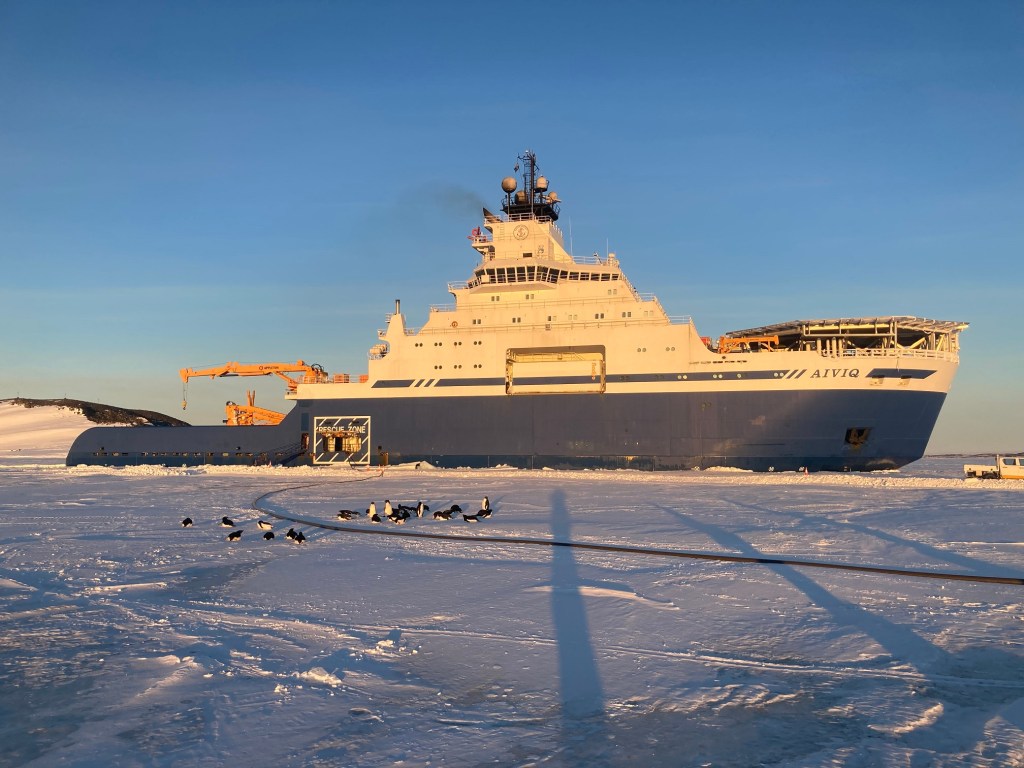
The Aiviq has no real cargo capacity. It has an open rear deck and in heavy seas that floods regularly. Its main features are that it can carry 38 passengers and a lot of fuel and water as opposed to the Lucky D which can only take 10 passengers but carry a lot of cargo. Once the Aiviq was firmly jammed in the 1.8m sea ice and half the expeditioners were sent ashore we were able to start the resupply. Firstly, we unloaded the couple of refrigerated containers that held our food for the year. And importantly our alcohol allotment for the first two months. The Lucky D is scheduled to arrive in a couple of months to pick up the helicopters and drop of all the gear we needed for the winter. And the rest of our booze allowance. Hopefully it will make it this time. It’s going to be a long winter if it doesn’t.
Back to the Aiviq and our resupply. Once the ship is ready, they run in a new road across the ice with a snow groomer. The frozen ocean can hold trucks and cargo in excess of 20 tons. It’s pretty amazing. After the containers were unloaded we started the operation to get the fuel over to the station.
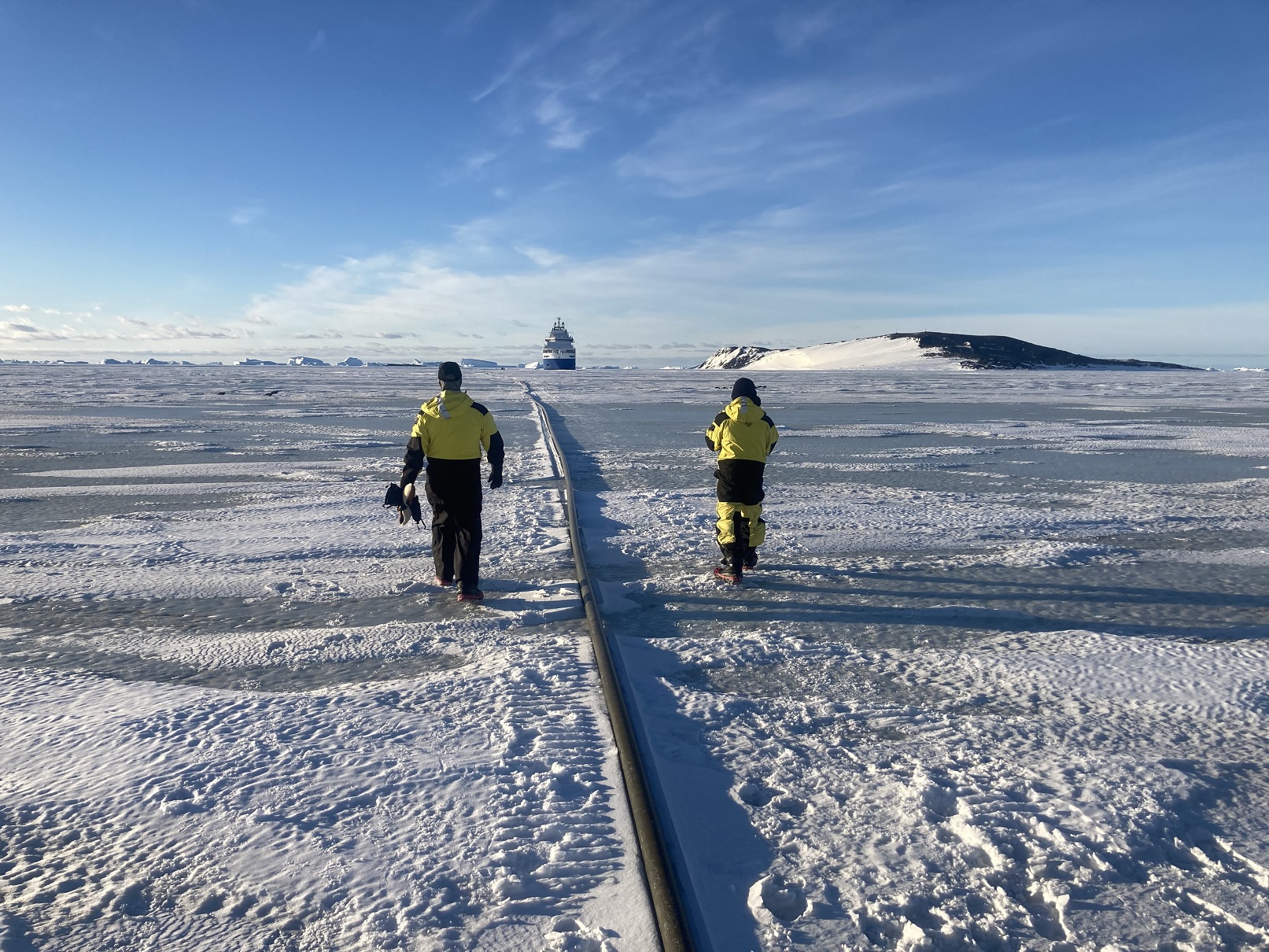
This involves dropping a hose reel container onto the ice next to the ship and hooking up one end of the hose to a hagglands vehicle and driving it the 1.6kms to station. The station end is then hooked onto a permanent pipeline which disappears up the hill to the station fuel farm. The ship end is hooked up to a pump and the ships fuel tanks. It’s a very orchestrated and rehearsed operation which runs nonstop throughout the night and ends up with over 600,000 litres of Special Antarctic Blend (SAB) diesel being delivered. Without spilling a drop. And at apparently $6.00 a litre delivered that’s fortunate. It’s not complicated maths to work out how much the fuel tab for a year is. And the ship uses a similar amount to get it all down here and get back.
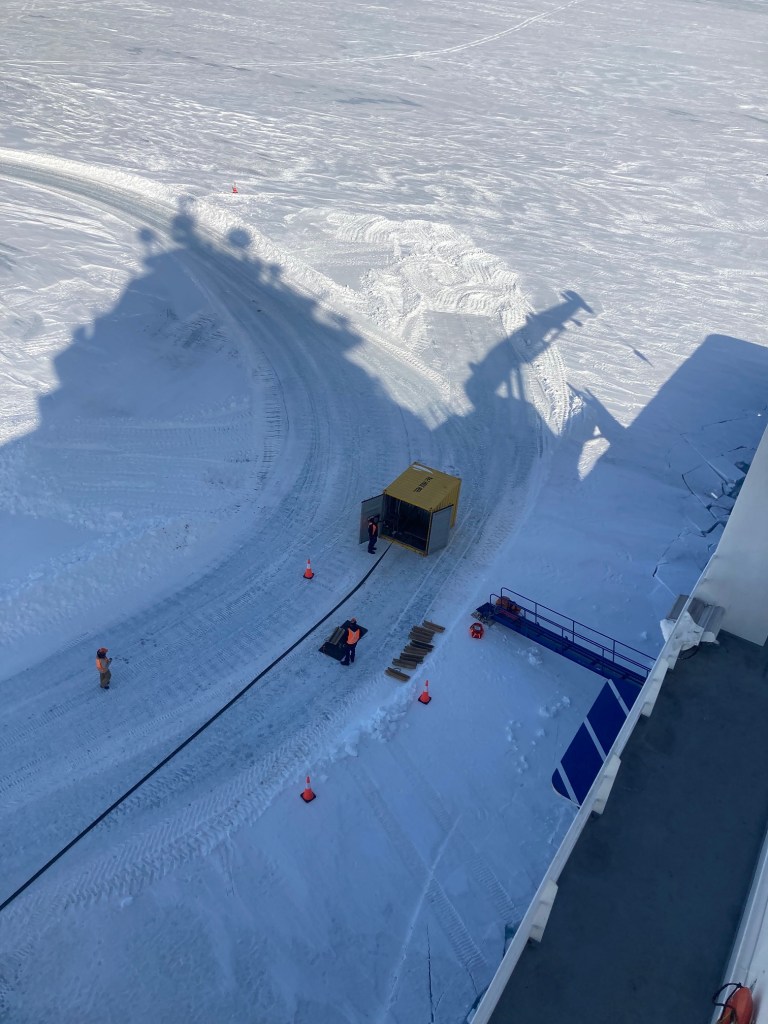
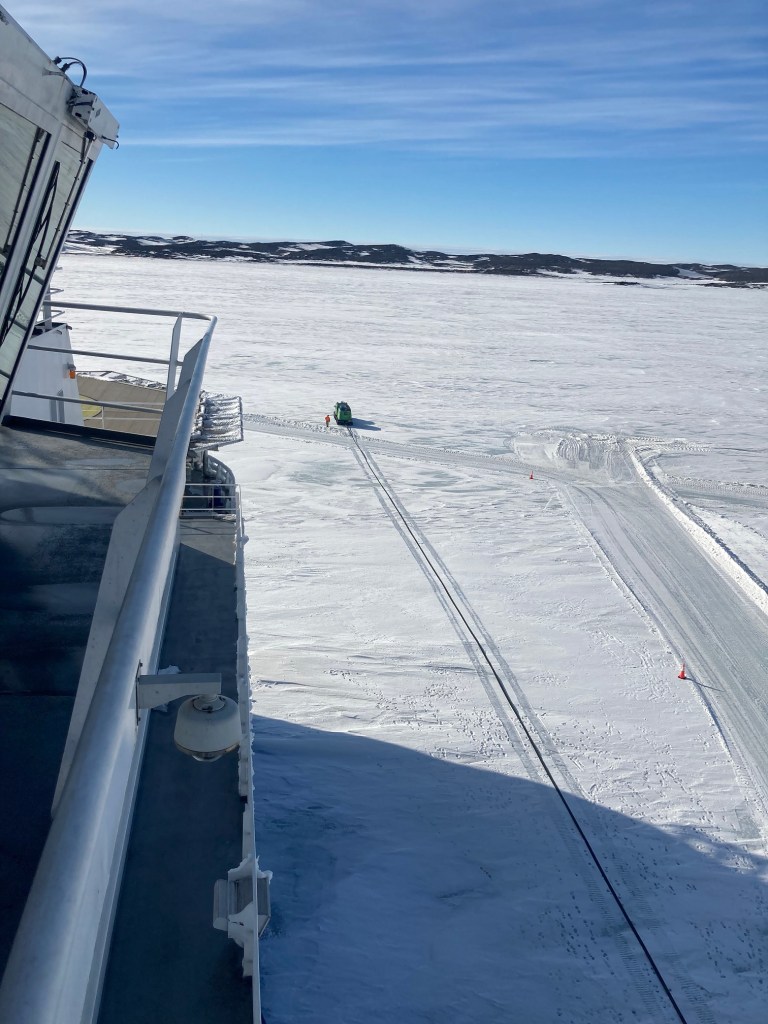
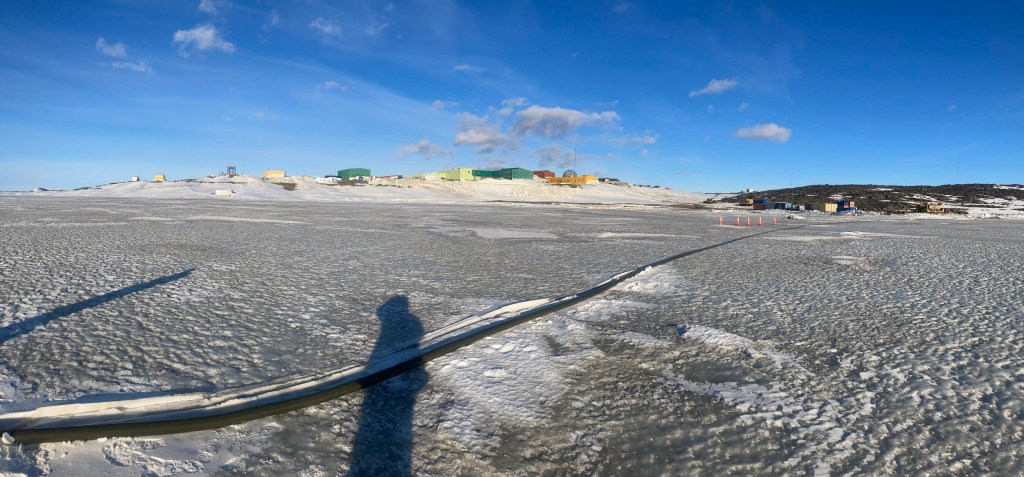
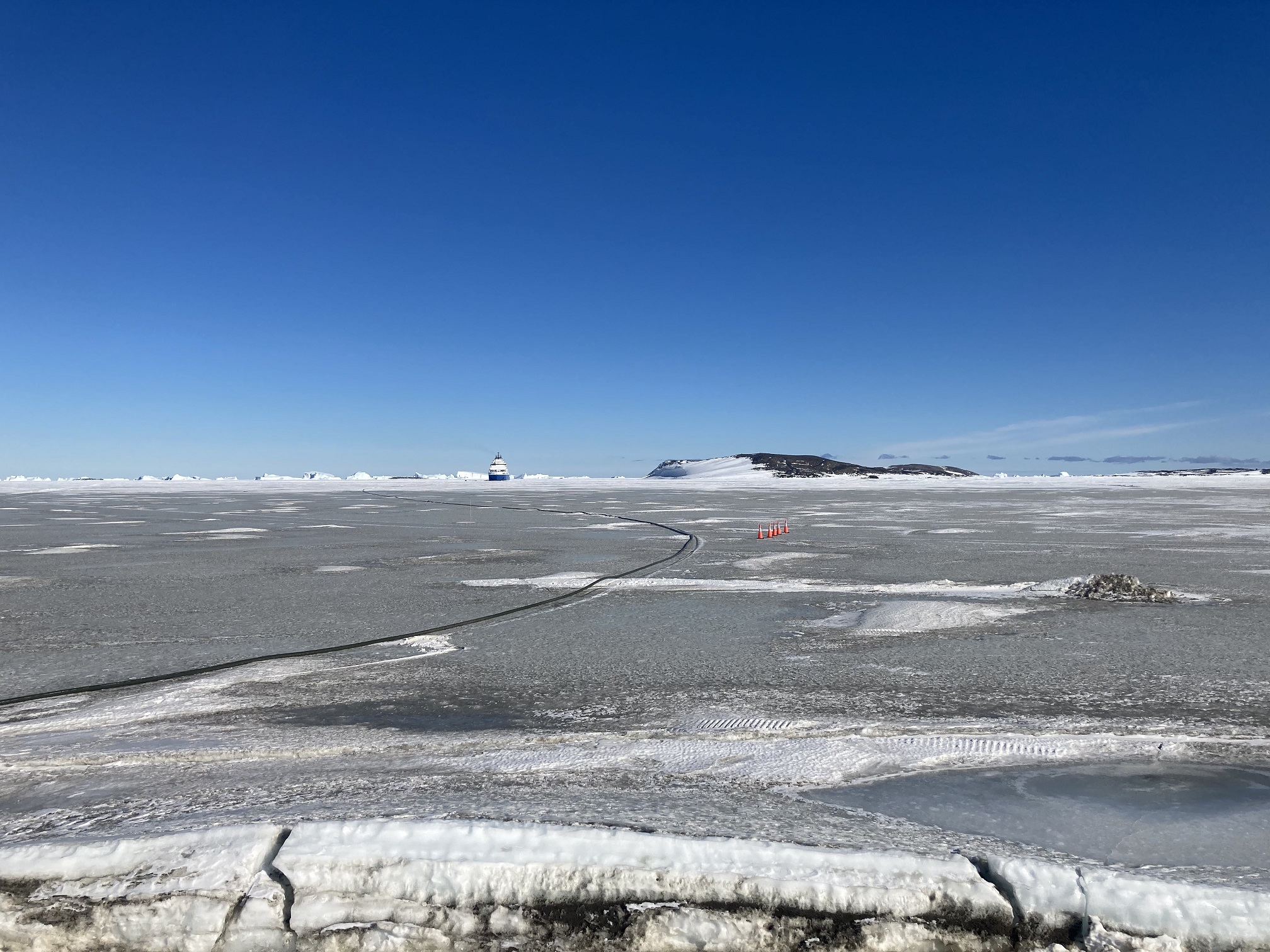
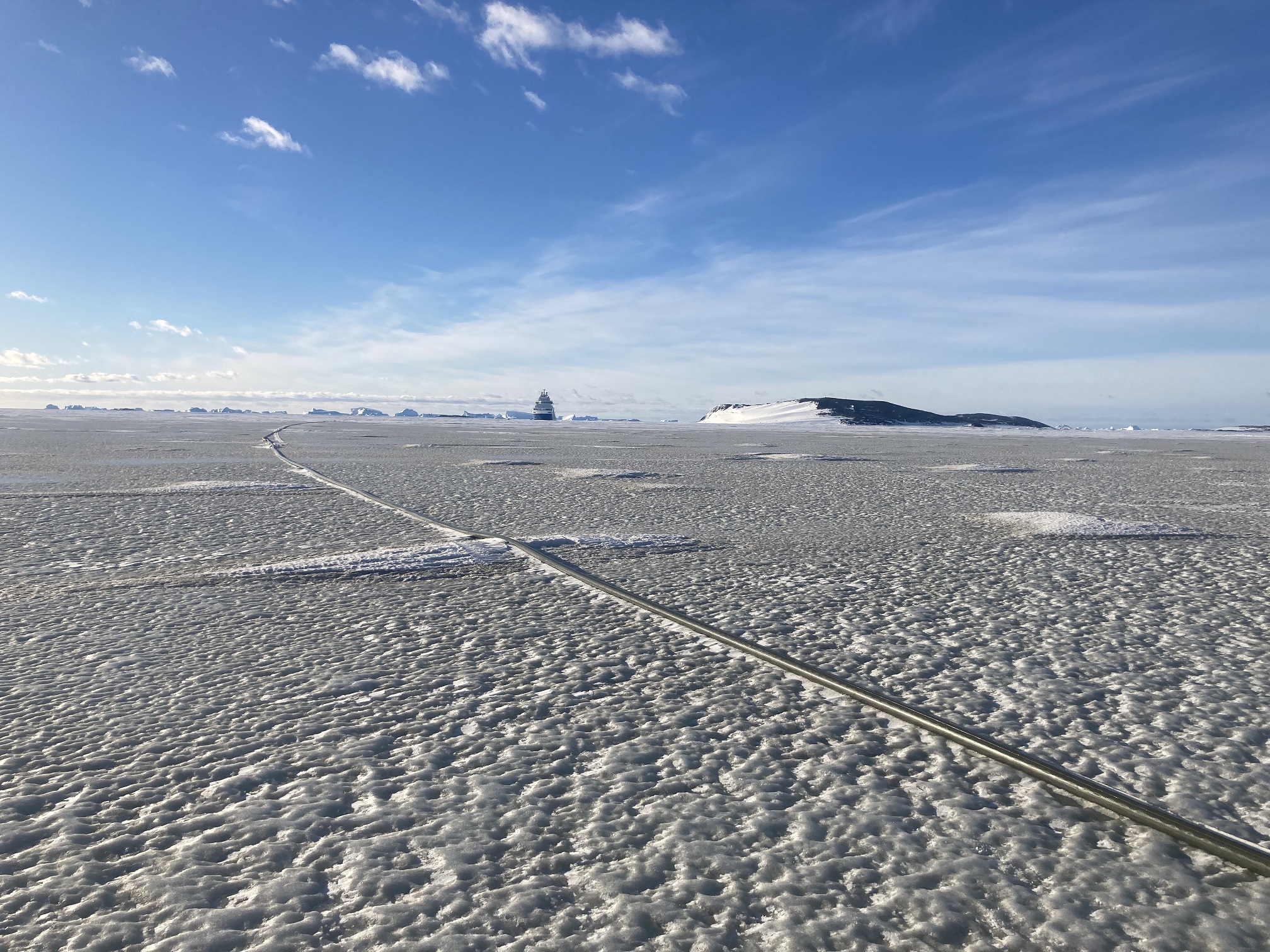
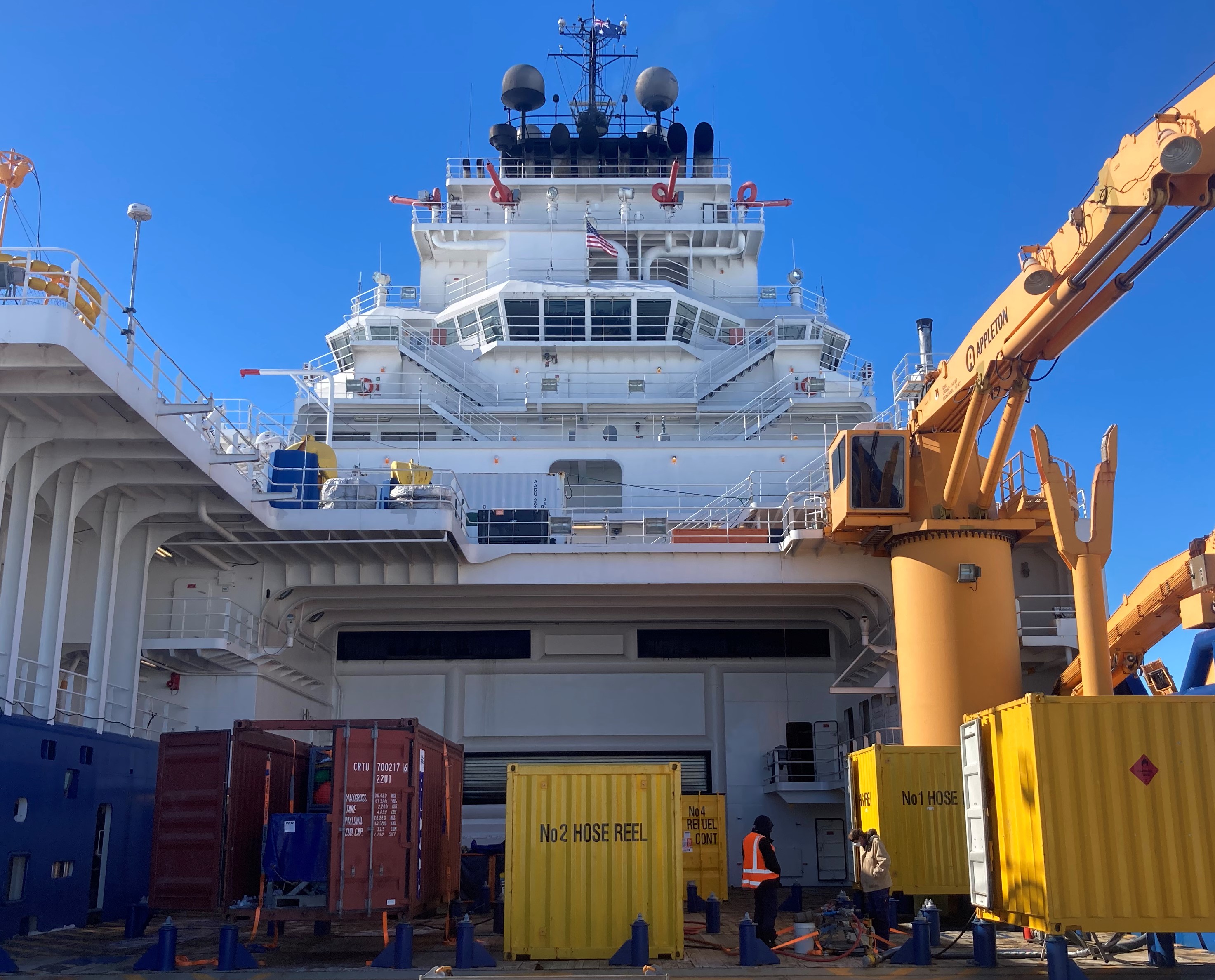
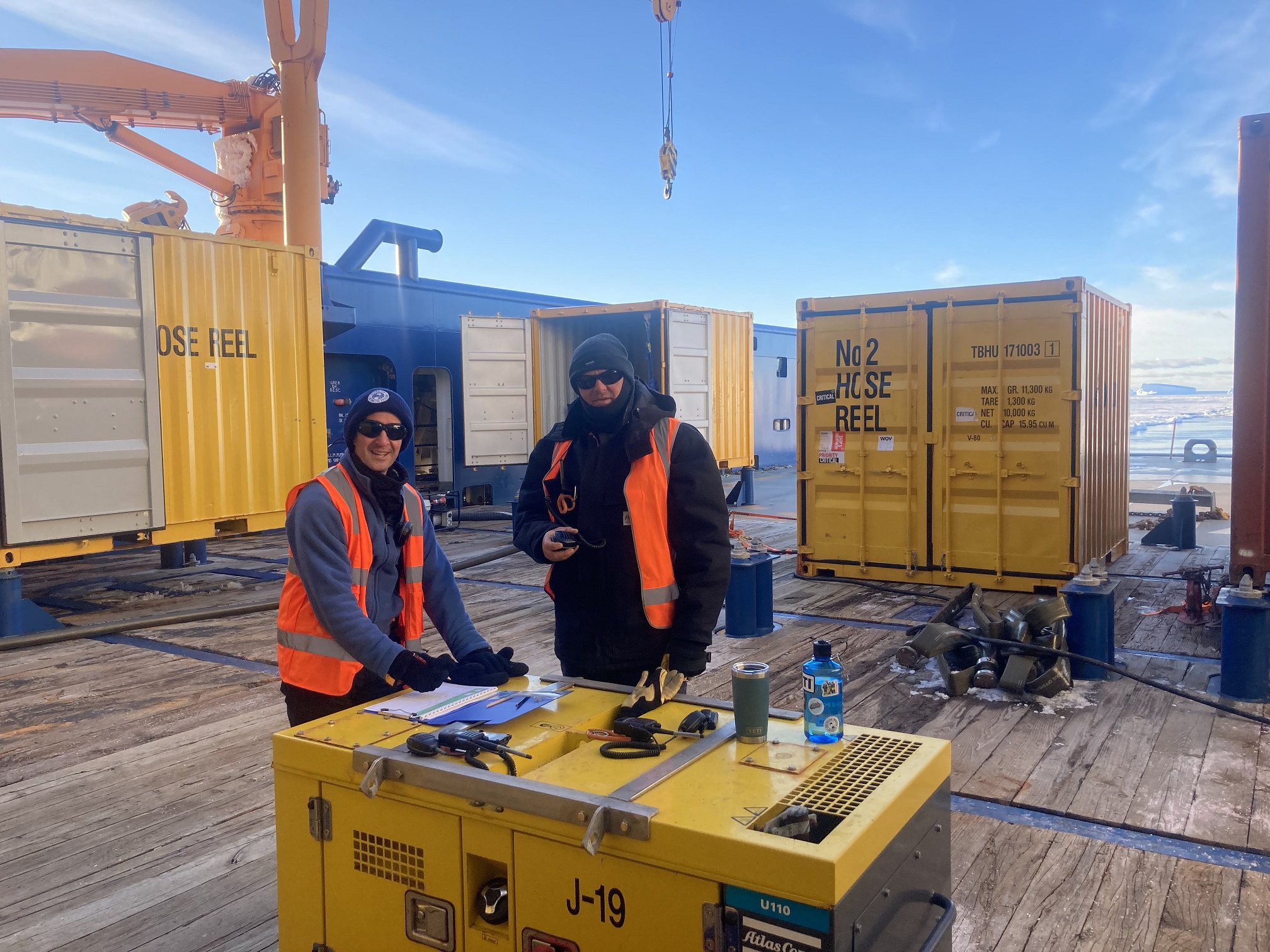
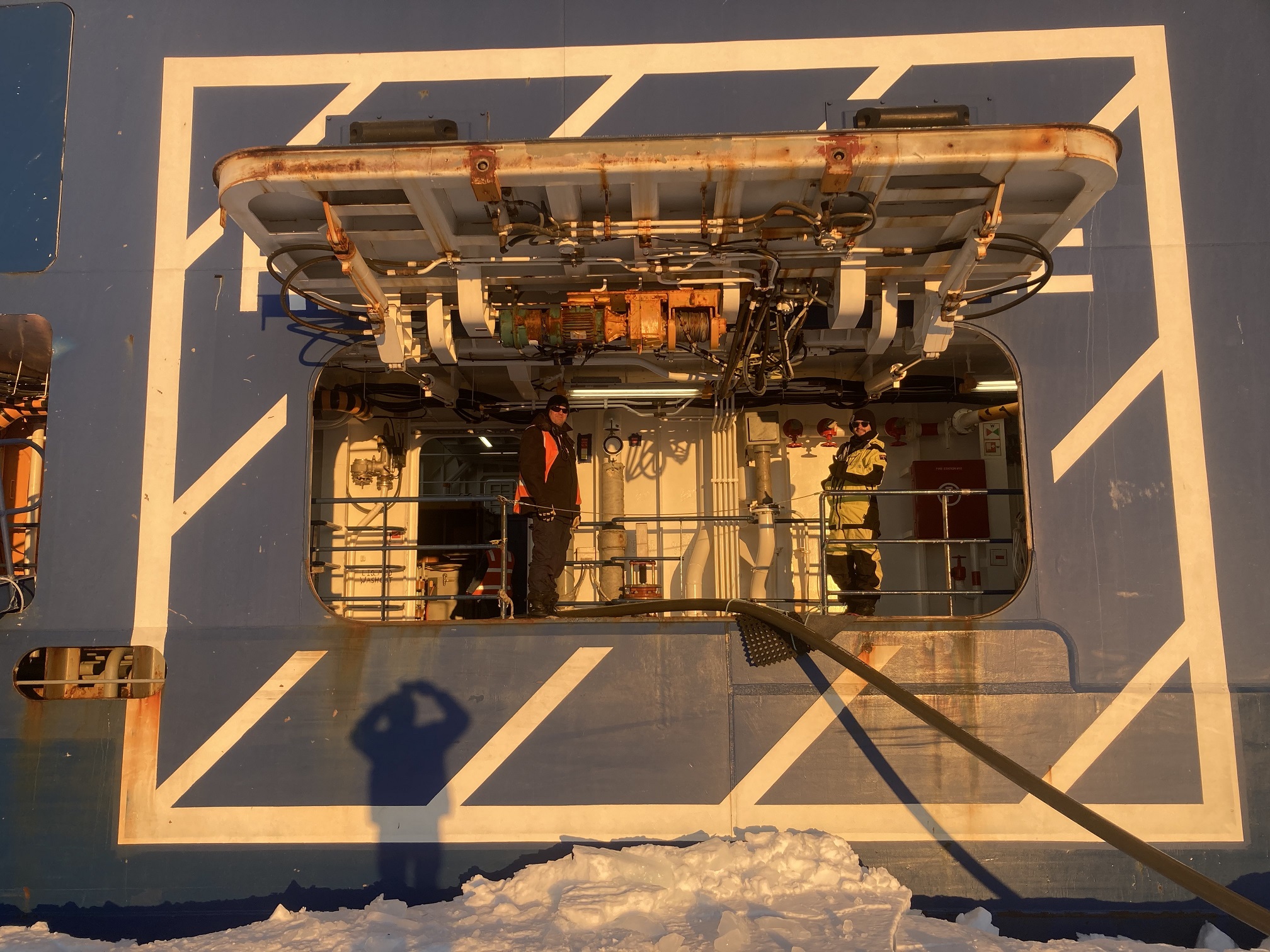
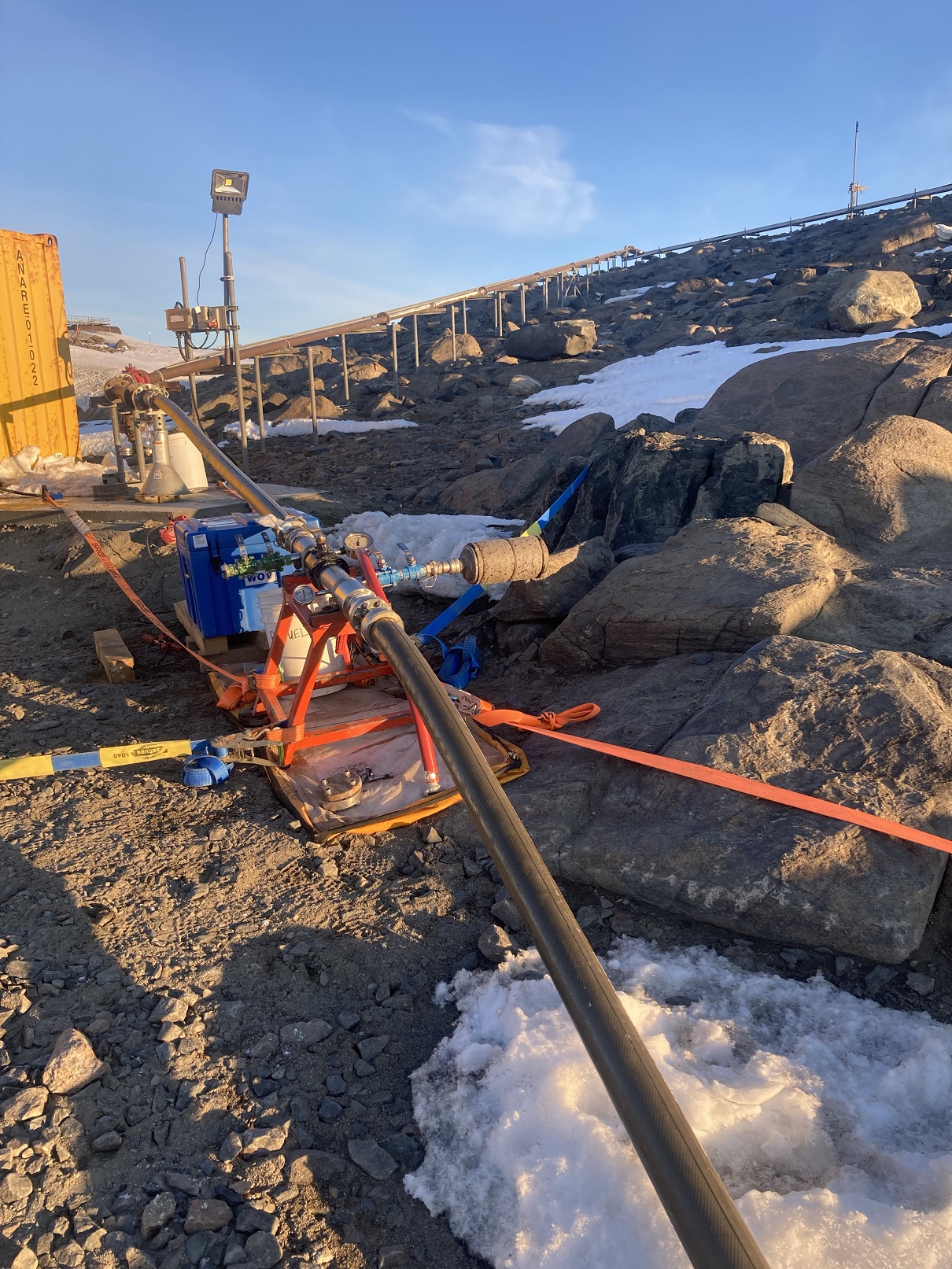
There are many people involved refuelling over several shifts. My job was a line walker. For 4 hours (with an 8 hour break) I walked up and down the hose with another person and several curious penguins, looking for leaks. To pump the fuel over two kilometres you need very high pressure and a burst could be pretty messy. All the equipment is high quality and we have training and gear on hand if things suddenly go south. It was uneventful and many people breathed a sigh of relief.
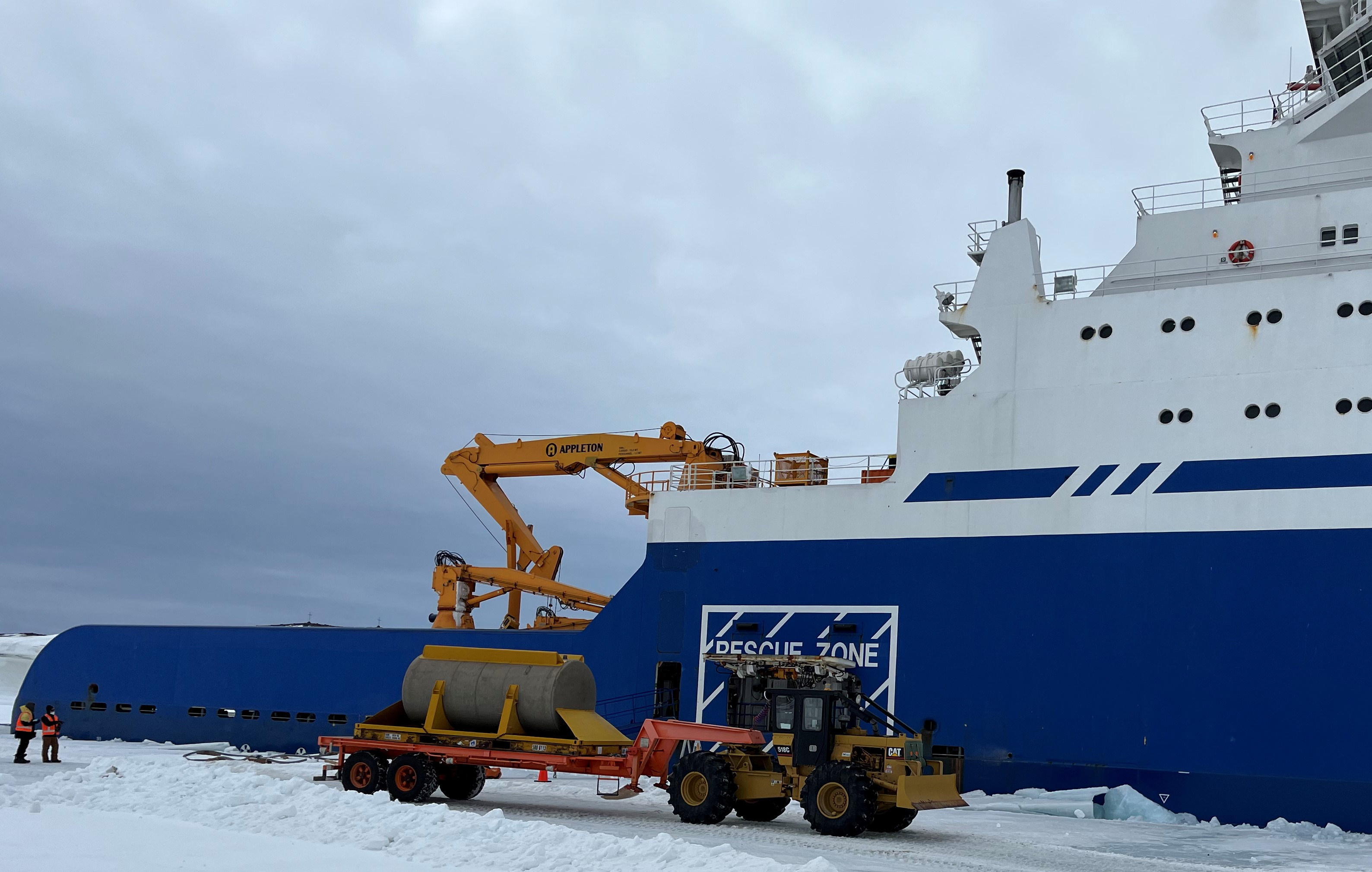
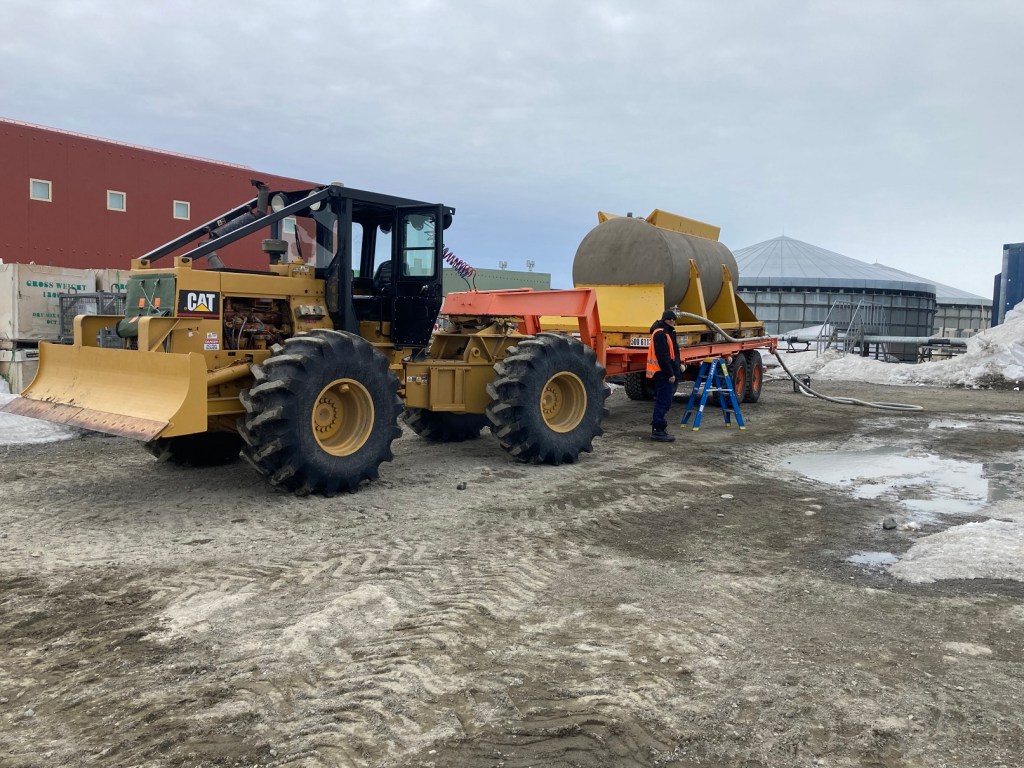
The following day we had to get 200,000 litres of fresh water over to the station. For some strange reason they don’t like pumping the water though the fuel hose so we do that transfer with two water trucks. Each truck loads up with 8000 litres of water which it then takes to station and we then pump it into one of two big 600,000 litres water tanks. At least for this job I got to be ashore. It only took about 24 hours and probably a few drops were spilled. But they were nothing compared to the 2500 litres a day that was leaking out of the tank we were filling. That’s another story.
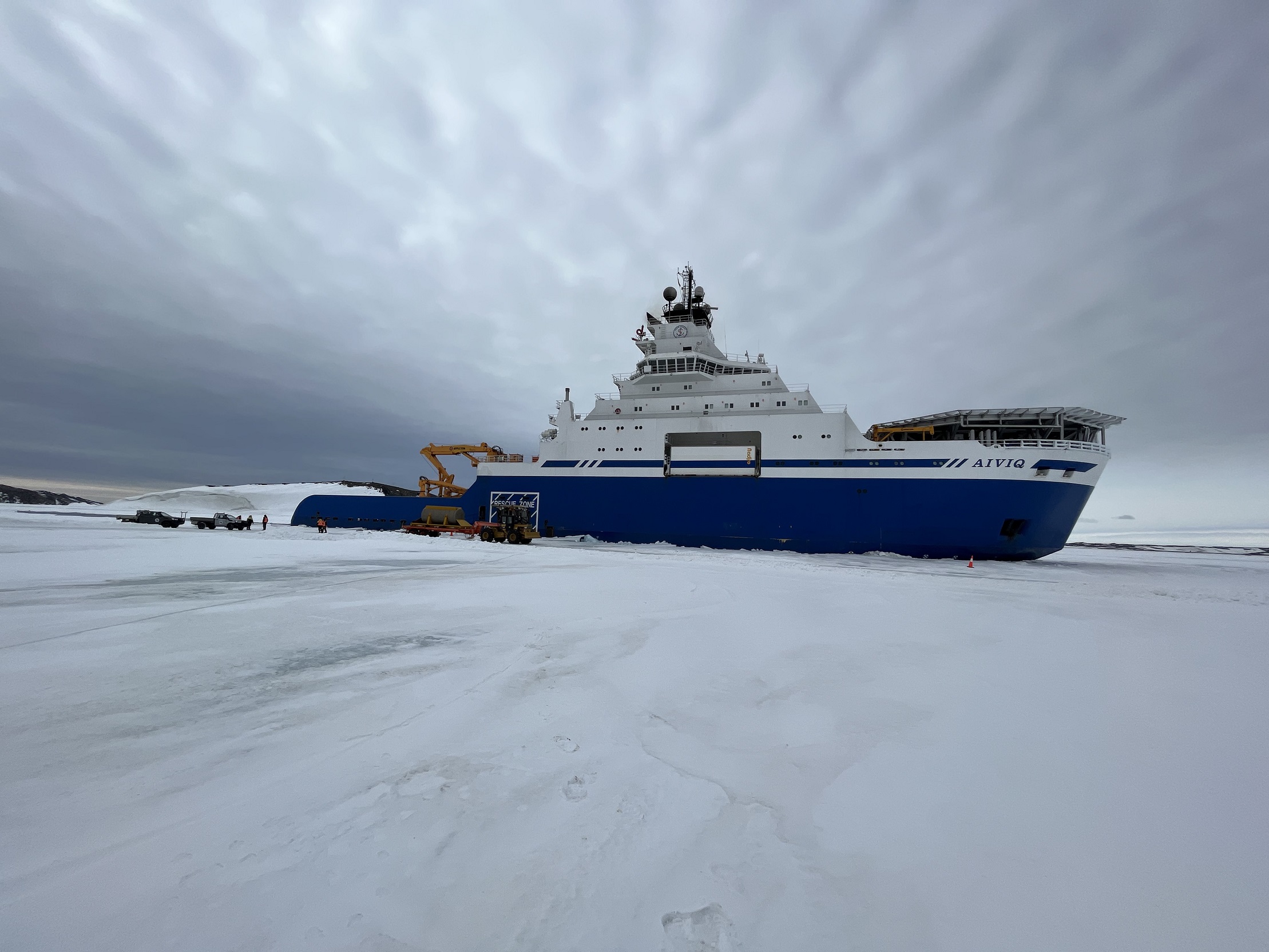
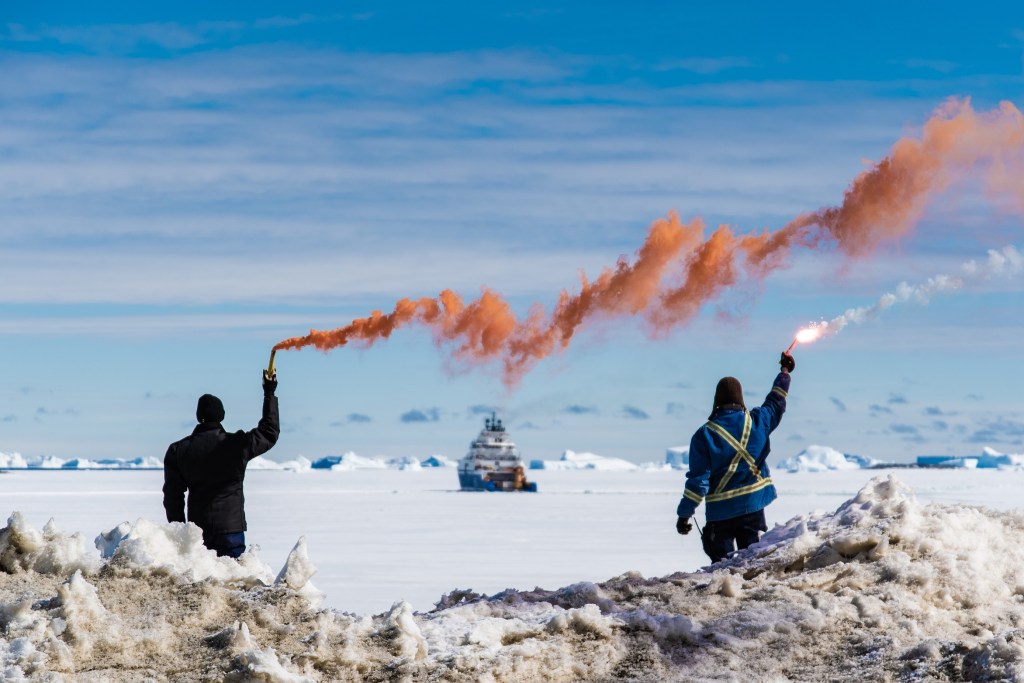
So with the resupply and refuel complete the ship was ready to accept the unfortunate returnees and head back to Australia to fill up again and head down fuel up Casey Station (which takes over a million litres). In traditional Antarctic style we waved her goodbye with flares and chatted about how glad we were not to be aboard.


Wow. What a summer! Glad to hear you made the cut to stay for winter!
Sounds like Davis uses a little over half as much fuel as Casey? Is all the extra fuel at Casey used by the plumber for the melt bell or what makes up the difference?
LikeLike
Davis has Wilkins Aerodrome and the skiway and traverses, so lots more machinery. It also has up to 120 people over summer. The melt bell wouldn’t be a huge user compared to the reverse osmosis plant we run here, I’ll write about that soon.
LikeLike
Gre
LikeLike