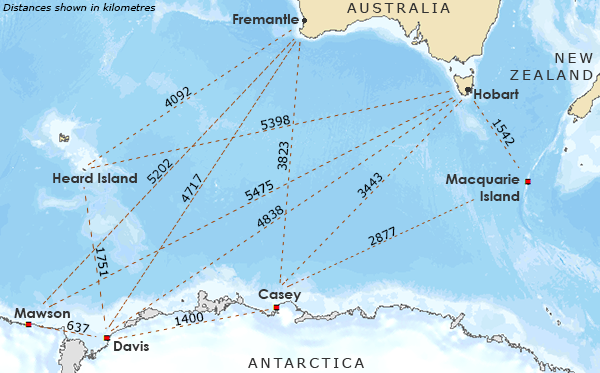
Well, who would have thought I’d spend the last years of my working life in a foreign country. Well, a foreign continent to be exact. This will be my lucky fourth, and most likely last year, working for the Australian Antarctic Division (AAD). I started with my first year at Mawson Station in early 2017. I had to apply each year and the contracts are usually between 13 and 15 months which means I get a full year down south each time. There are summer contracts on offer but I prefer to do the whole thing. There are about 10 of us plumbers doing the winter across 4 stations this year. My second station was Macquarie Island, fondly referred to as Macca, which is sub-Antarctic and like living a year inside a National Geographic magazine. My third station was Casey which is basically a few thousand kilometres south of Perth. Lots of snow, wind and ice. Awesome. And now I’m at Davis Station which is about 1000km west of Casey and directly below India. Quite a long way south of India. Davis is Australia’s most southerly research station. I’m going to try and give you a glimpse of my life down here over the next 12 months and thought I’d start with my trip to get here.
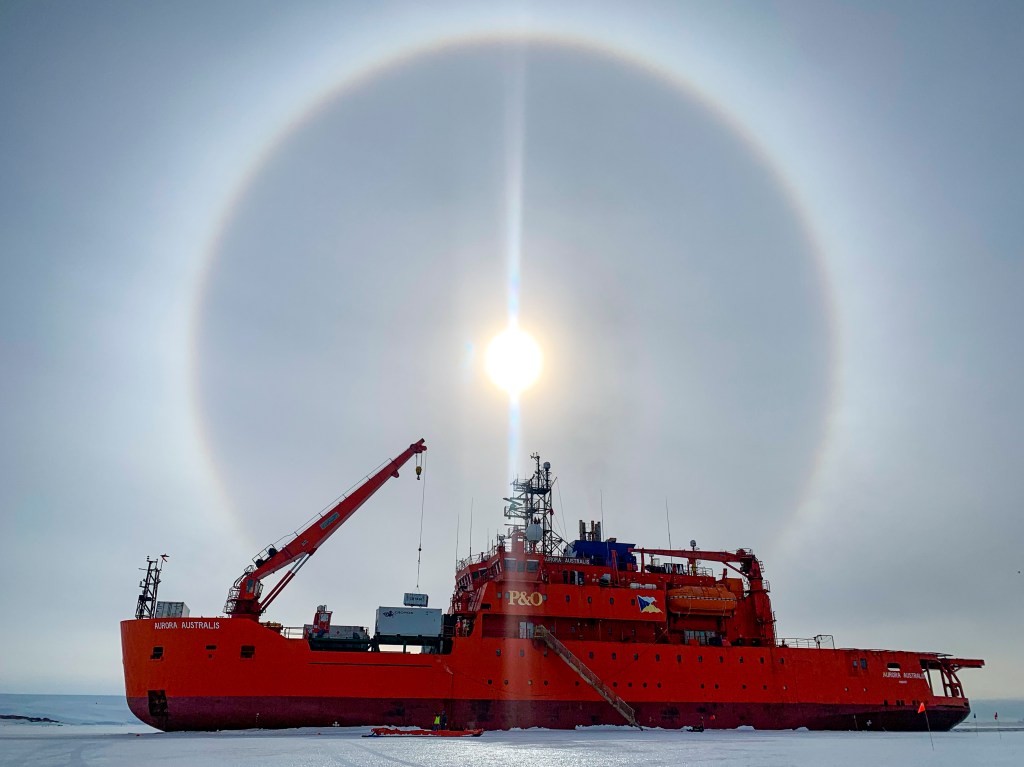
Three of Australia’s research stations are normally accessed by ship and the fourth one, Casey, is now accessed by air. In my first two expeditions I travelled on the Aurora Australis (AA) which was Australia’s only icebreaker and serviced Australian Antarctic Expeditions for 30 years and then was retired after my last trip back from Macca in early 2020. There was supposed to be a big celebration of its last voyage but due to a clash with the arrival of Covid 19 in the same week it fizzled out to nothing. Unlike the latter. The AA was replaced by the Nuyina which is pronounced ‘Noy yee nah’ and means Aurora Australis (the southern lights in a Tasmanian aboriginal language). But due to Covid and a myriad of other excuses, it’s still not in service yet. Fingers crossed it will be all sorted and come and pick us up at the end of the year and I can write about it.
So this year after almost three months of training (yawn) we finally ended up on a hired American icebreaker called the Aiviq pronounced ‘Eye Vic’(with my aussie accent). The name has nothing to do with southern lights, but it does mean walrus in Iñupiaq, the language of the Alaskan Iñupiat people. The Aiviq is an American icebreaking anchor handling tug supply vessel which can take 38 free loading passengers like me and a shipload of fuel to resupply the station. Unfortunately, it can’t carry much cargo so the AAD hired a separate ship to do that and which I will talk about another time. While relatively new and a nice ship, the Aiviq is no cruise liner. It travels at a glacial speed of about 8 knots (15km) and with a 5000 km trip across the wild Southern Ocean it’s a sloooow trip. There were originally going to be 31 of us going for the whole year and another dozen for the summer but Antarctica had different plans to us.
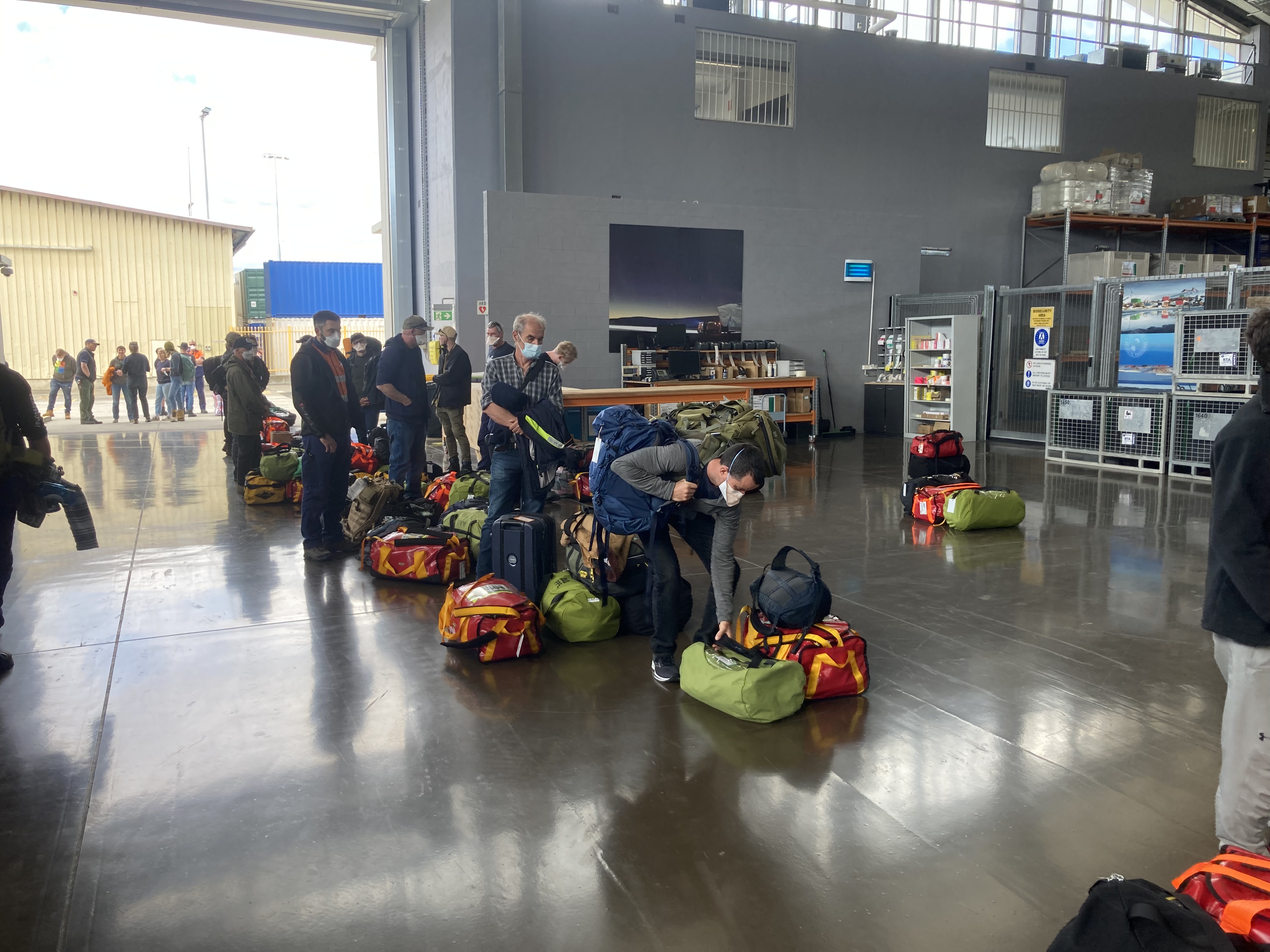
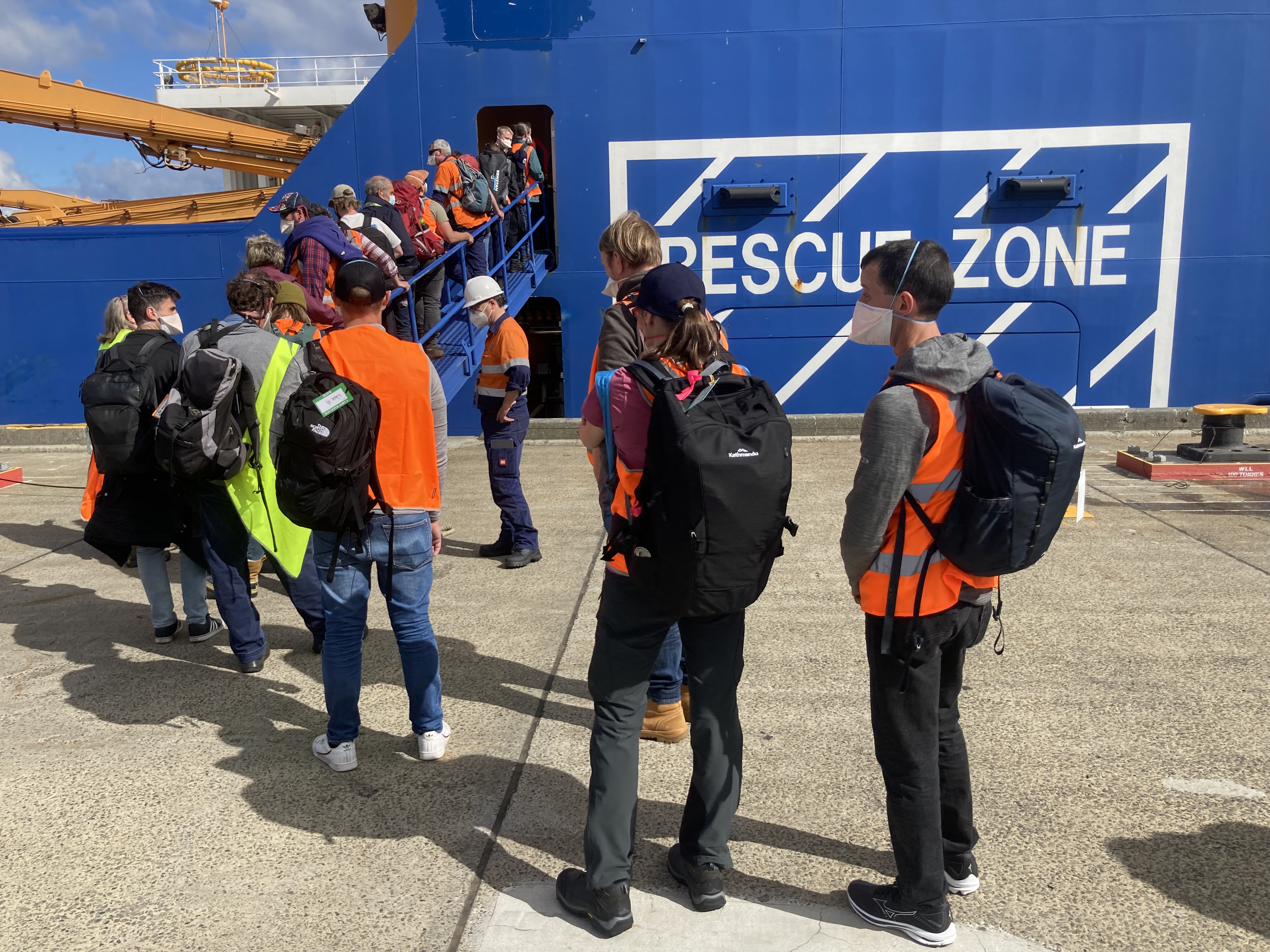
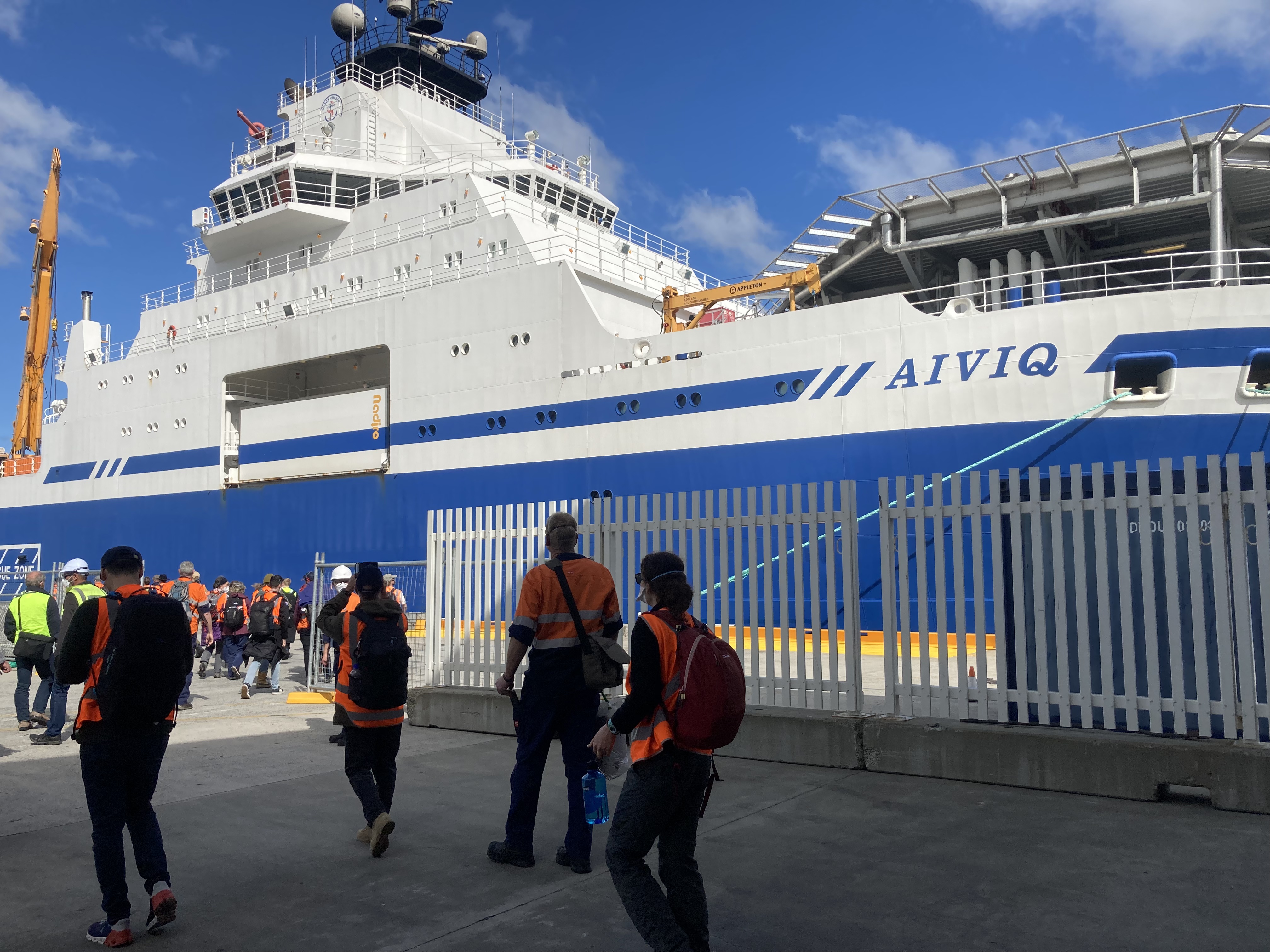
After yet another 24 hour delay in Hobart we cleared immigration and boarded the Aiviq. Despite not going to another country, we must get checked out of Australia when we go to Antarctica. It’s all pretty serious and we also had the added excitement of not taking Covid with us to Antarctica. In theory we had all been self-isolating in our hotel rooms for 10 days but in reality they had us doing training almost until we left. The most ridiculous of all being three days of confined space rescue training. The highlight being when the trainer rocked up on the second morning saying he had covid symptoms and was off for a PCR test. Many of us were also regularly changing hotels and having to eat out because we had no cooking facilities. We diligently wore masks and did PCR tests on days 10, 6 and 2 prior to departure. Unfortunately two of our electricians tested positive (that could be a joke) before departure but at the last minute one of them got a negative result back and was able to travel. The other one had to stay and hoped he could get him down there some other way. We boarded the ship, spent 24 hours sitting out in the Derwent River waiting for bad weather to pass and then we were off. Like snails. To Antarctica.
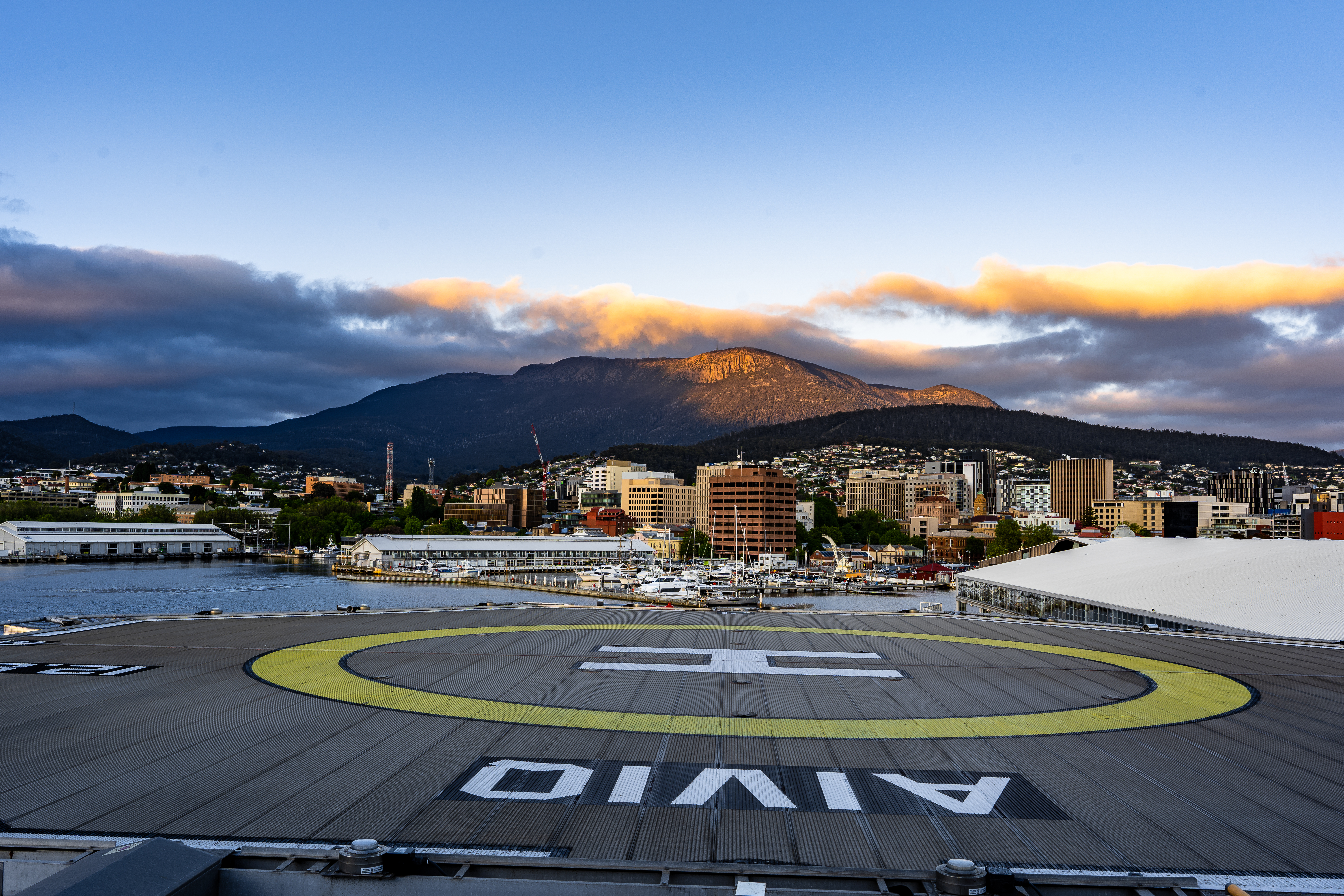
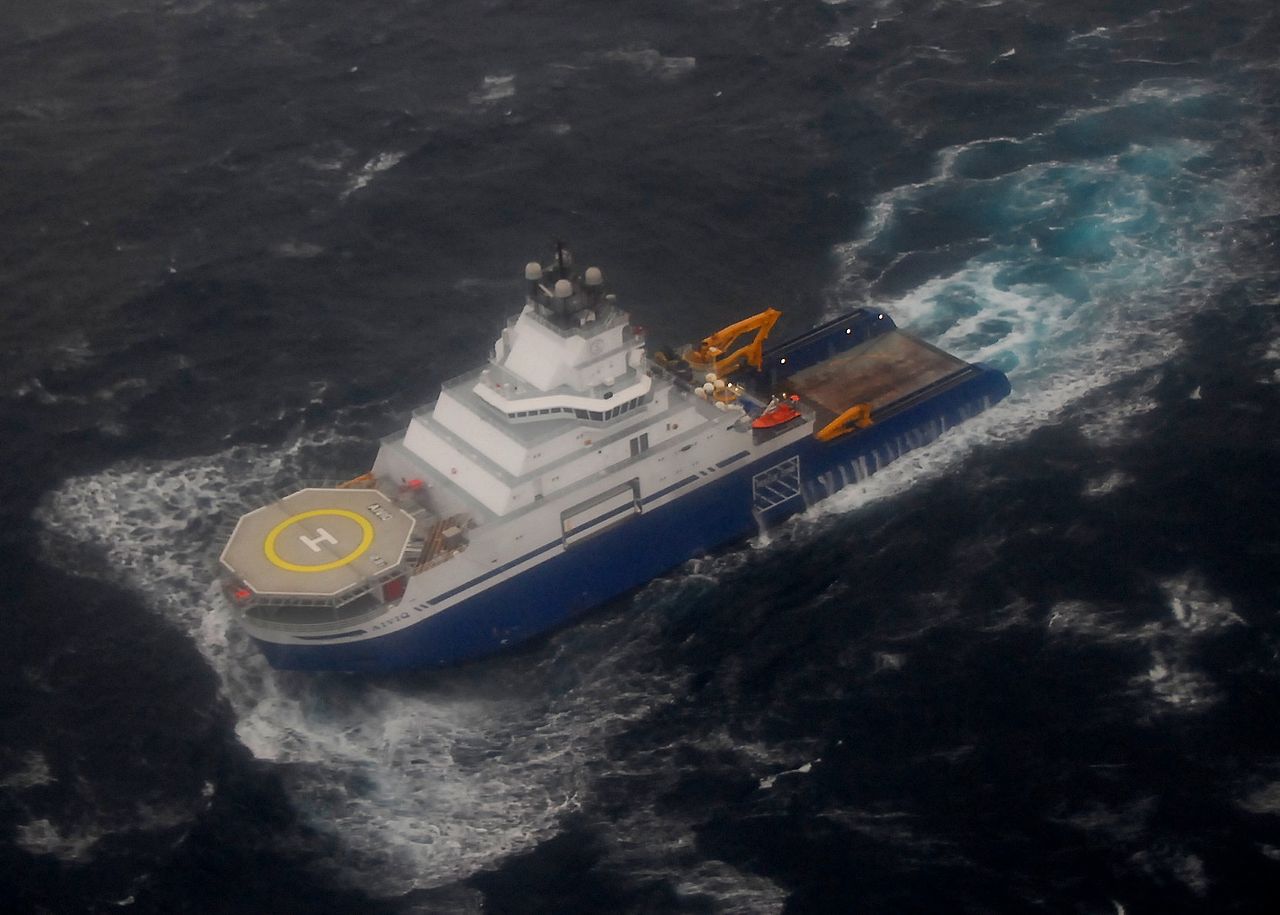
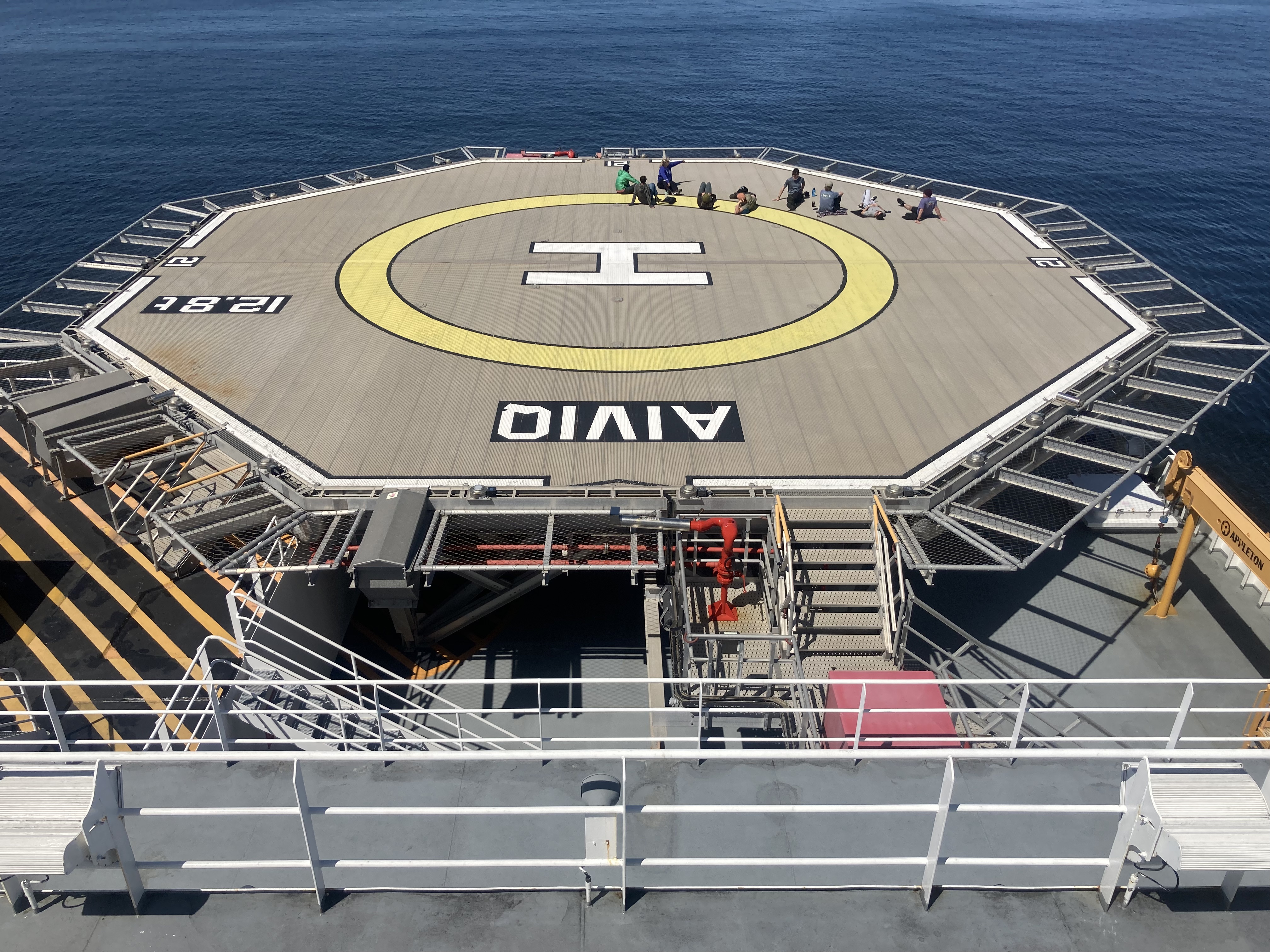
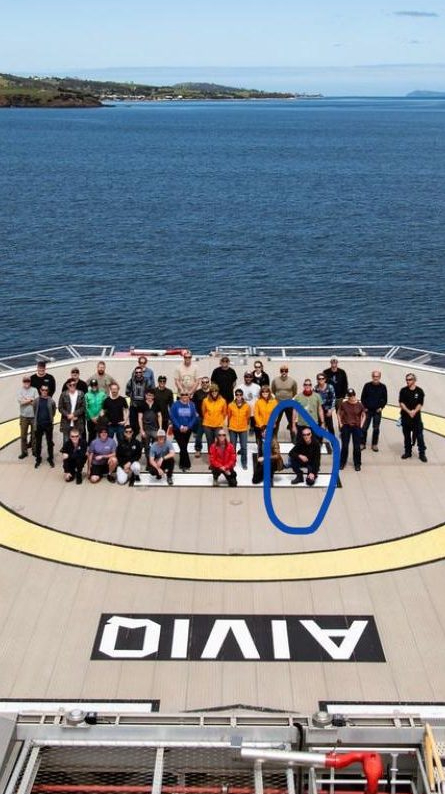
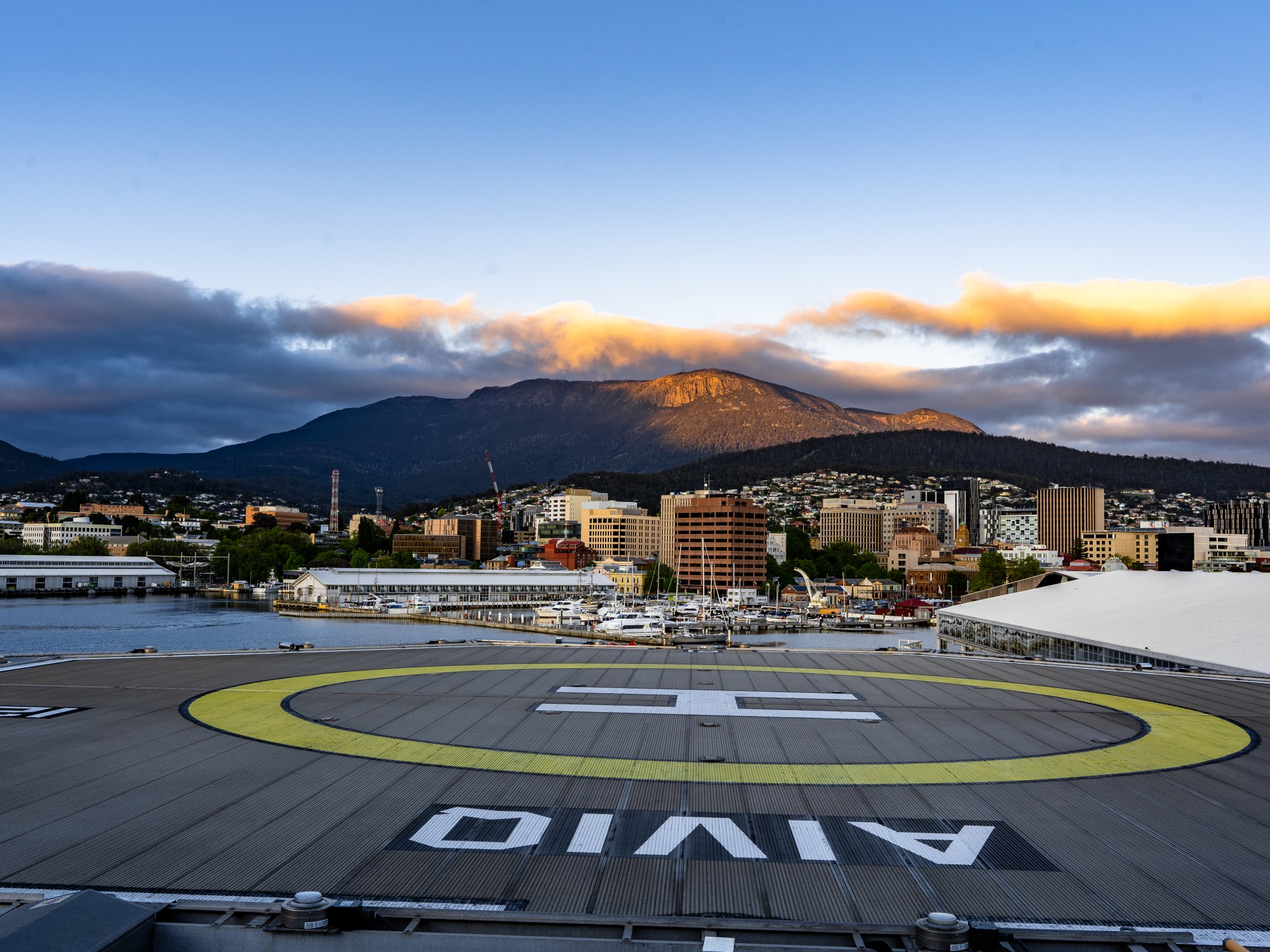
The Aiviq is about 7 stories/levels high. The helipad is on about level 4 I think. While the weather was nice and the sea was calm we could hang out there. The cabins had two single beds and their own bathrooms which was great. I’ve never been a fan of vomiting in public toilets. The AAD supplied us with sea sickness medication but it makes me feel sick so I’d visited a chemist in Hobart and bought a few different options. My big hope lay in these special fluffy wristband things with an inset metal disk that pushes on some special pressure point and prevents sea sickness. While they didn’t work at all, I thought they were quite good for wiping the edges of your mouth after you’d thrown up.
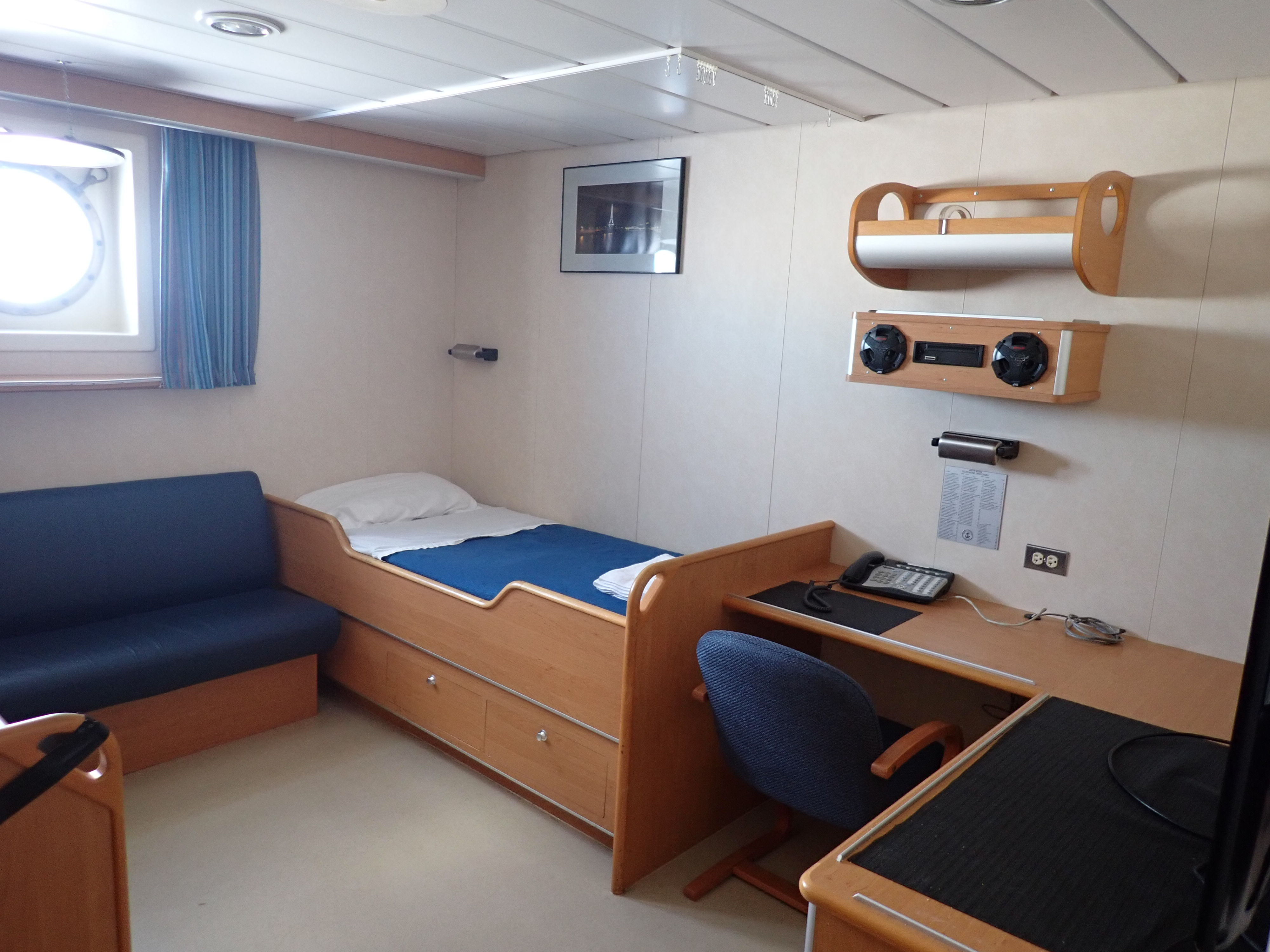
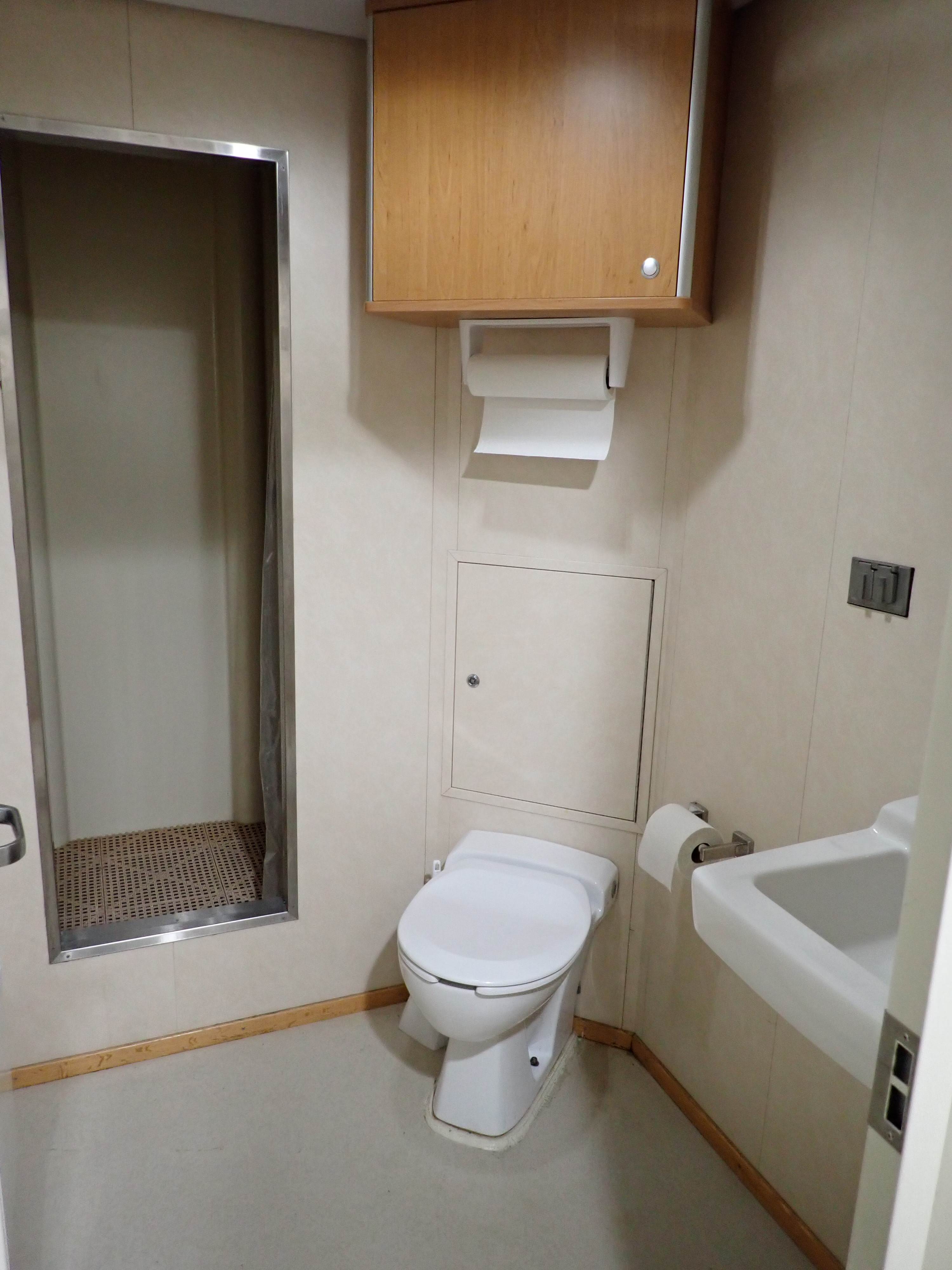
Fortunately I managed to do the whole trip with my stomach contents contained. This meant spending about 22 hours a day laying on my bed. I’m normally okay after a few days but my body just couldn’t adapt to the incessant rocking and rolling of the Aiviq. I now have more sympathy for a load of washing. I managed to watch about 20 movies (I had a TV and a good roommate with a hard drive full of movies) as well as read 6 books on my kindle and about 100 hard sudokus. My daily ambition was to get up for every meal and go to the room that had internet and do my worldle, wordle and duolingo Spanish lesson. A task I succeeded in. While I felt poorly, there were others who rarely left their cabin or vomited every day for the first couple of weeks. But prior to this not everything was so rosey. We had a PCR test on the ship on Day2 and Day6 and surprise surprise someone tested positive for covid.
The news travelled faster than the virus. The initial plan was that if your roommate tested positive then you were both locked in your room until you both tested negative. Then suddenly we had a knock on our cabin door with the good news/bad news story. One of us had also tested positive for covid. Fortunately, it wasn’t me. I’d like to say that in their wisdom the medical team decided to put the two covid patients together and put us two potential non-covid people together. But in reality it was the other guy who refused to go back into the room with his covid roommate that steered them to cleaning his old cabin and putting us in together and the two covid guys together. We had to have a PCR test every morning for a week. Nothing like having a swab shoved down your throat and up your nose each morning when you are juggling seasickness. Unfortunately in the deal I lost my cushy porthole cabin and a non-snorer mate, but my new roommate was a great guy that I’d wintered with the year before and I was just happy not to be seasick and have covid as well. We ended up with 4 cases over 2 weeks and made the national newspapers apparently. COVID DEATH SHIP HEADS TO ANTARCTICA or maybe not so dramatic.
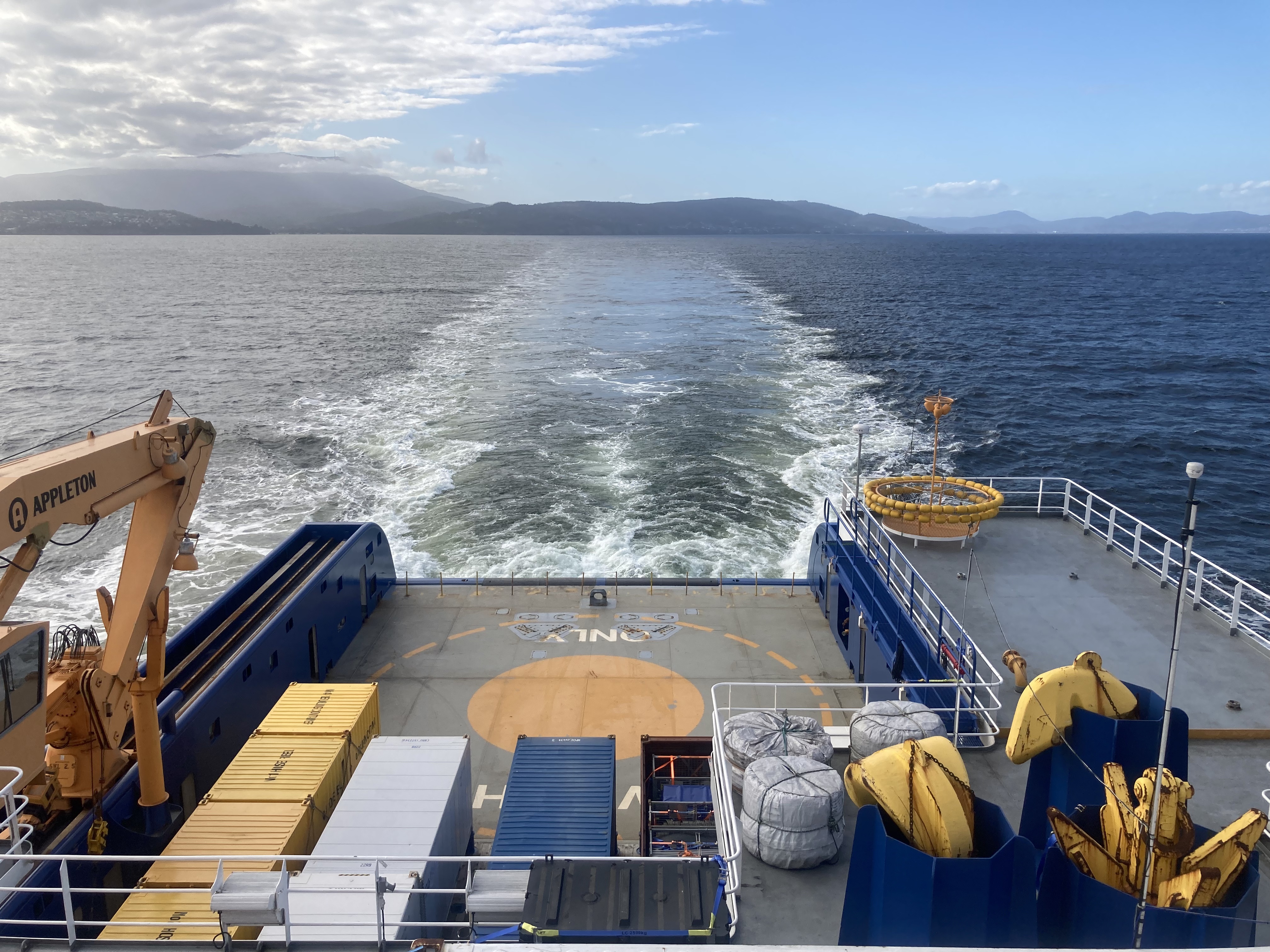
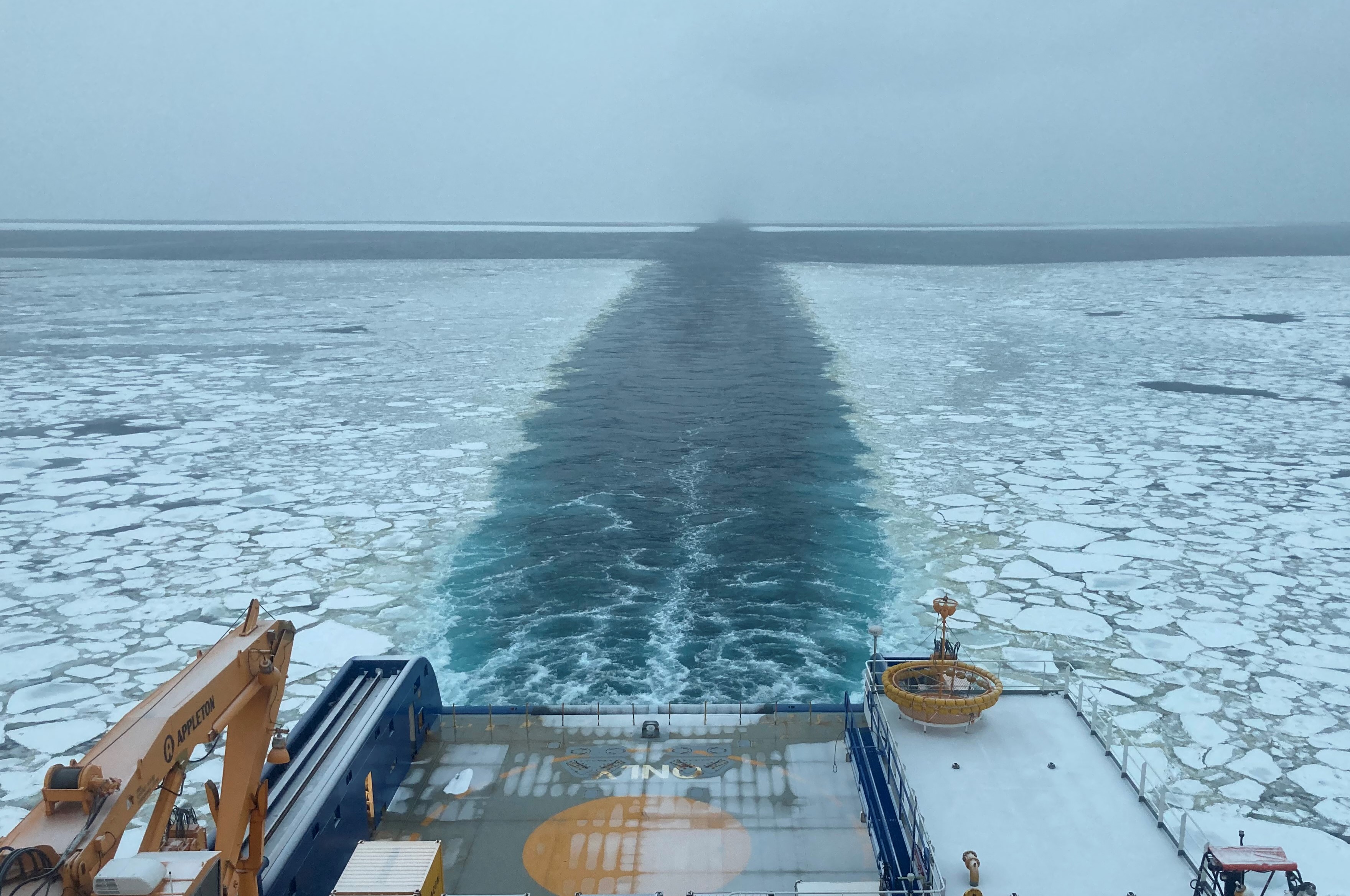
While the food was good Southern Mississippi fare made with Australian ingredients it was nice to get off and have some Australian food on station cooked by an aussie chef. The galley crew, like the rest of the 20 odd crew were really nice and we often wondered how they managed to make meals when we were pushing through some pretty rough seas.
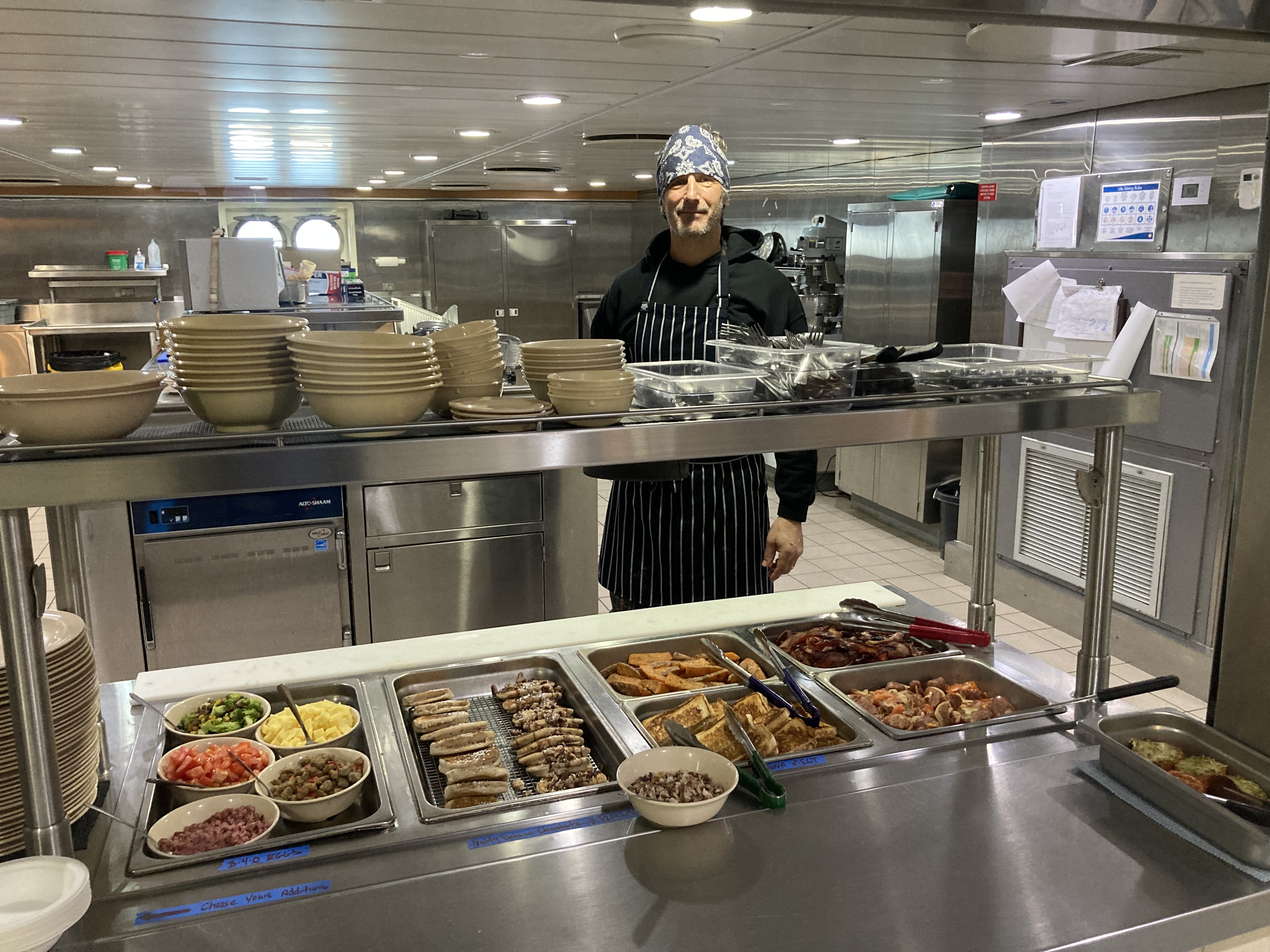
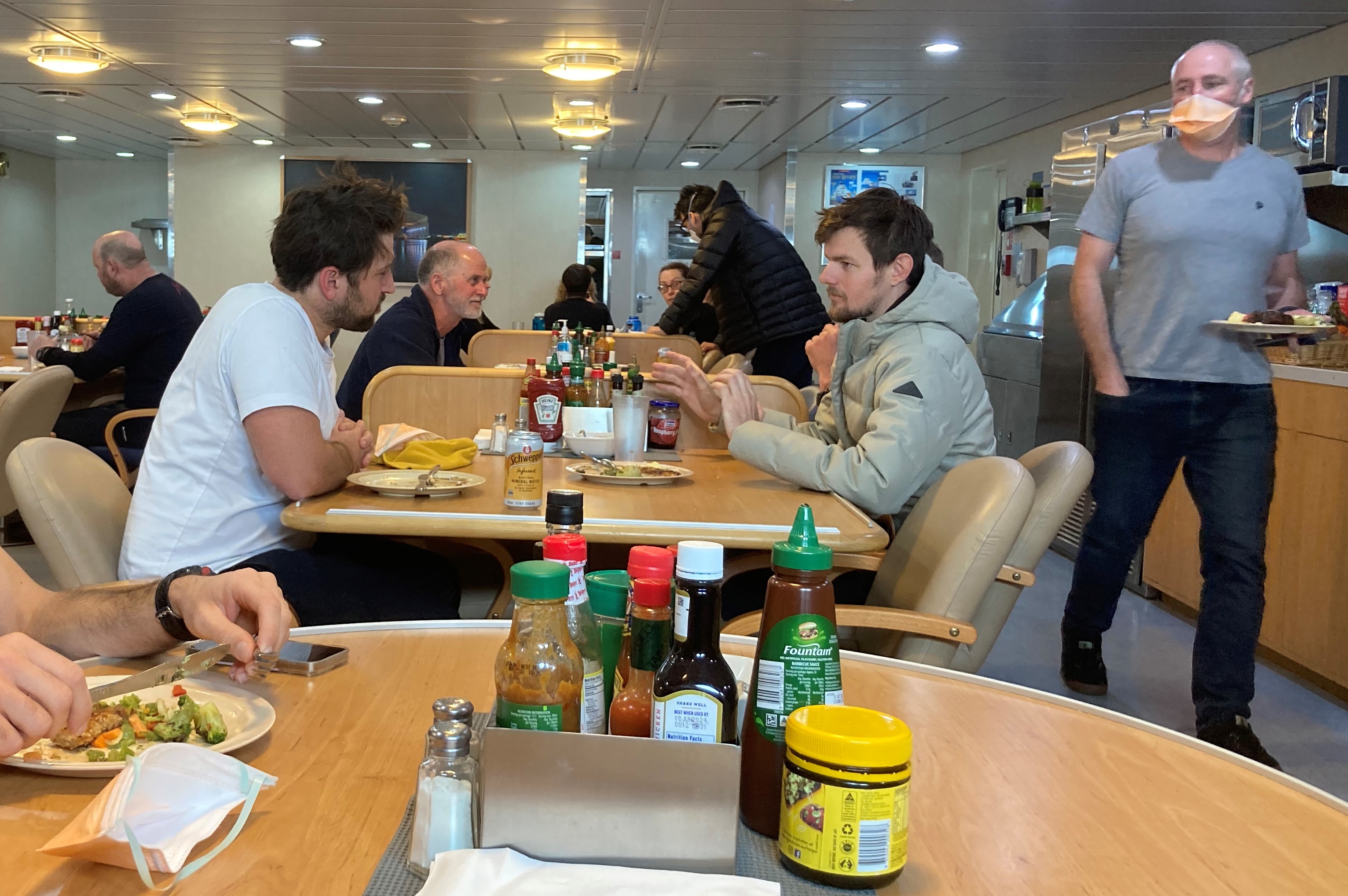
It ended up being 18 days at sea which is a bloody long time. I was able to get up and about and okay for the last few days when we reached the coast of Antarctica. I don’t think the seas were over about eight metres, but the Aiviq was a real tub and just rolled around with every swell. It wasn’t designed to cut through waves or get anywhere fast.
A few days before you get to the protected antarctic waters you start seeing icebergs and then have to push through pack ice. It comes in all shapes and sizes like the icebergs. The Aiviq was in it’s element and sailed on as if it wasn’t even there. We had access to the Bridge, where the crew operated the ship from which was great. It’s the ultimate penthouse with the amazing 360 degree views. As long as we were well behaved, quiet and didn’t fiddle with any controls we were allowed to go up there at any time we wanted.
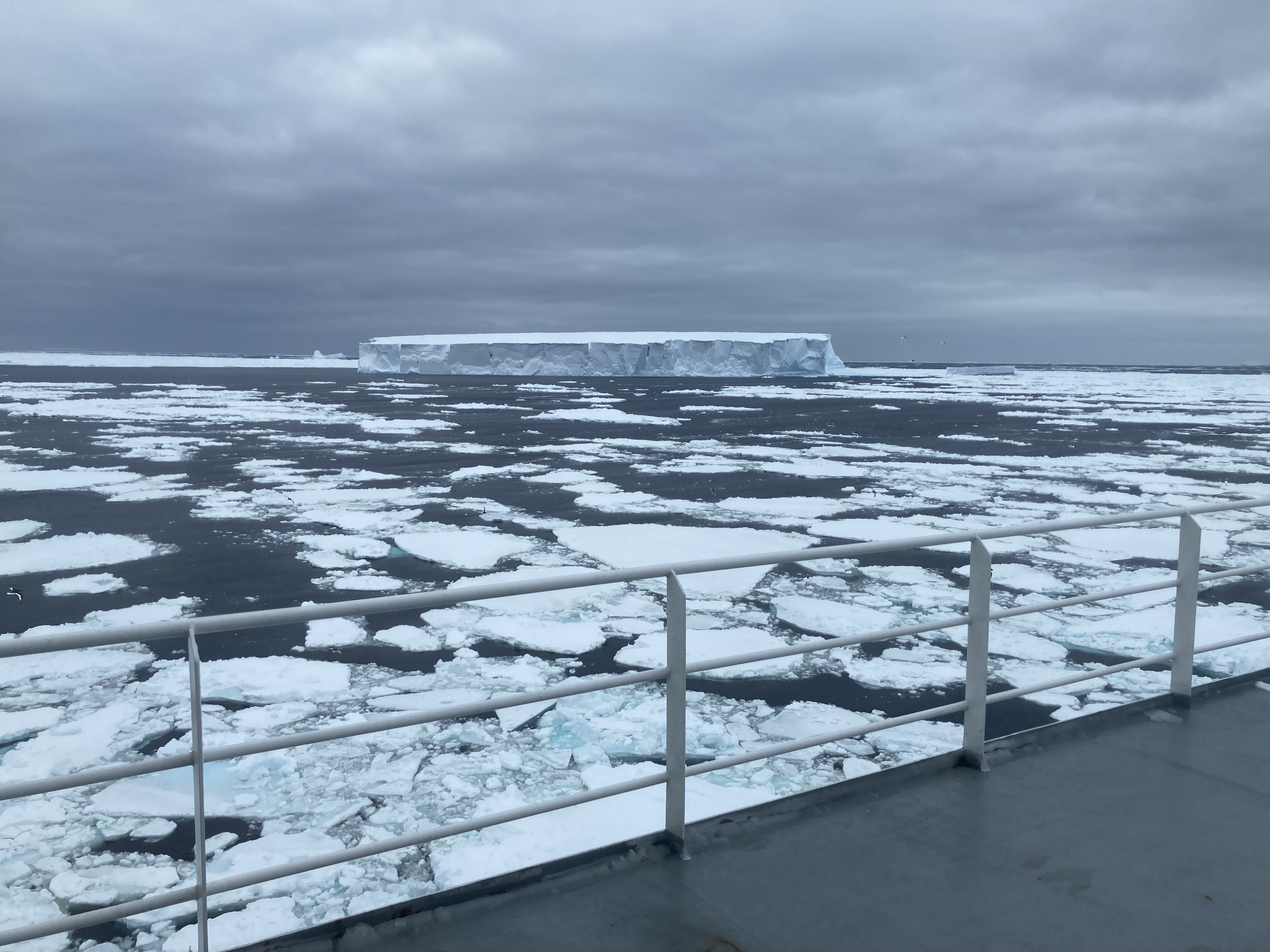
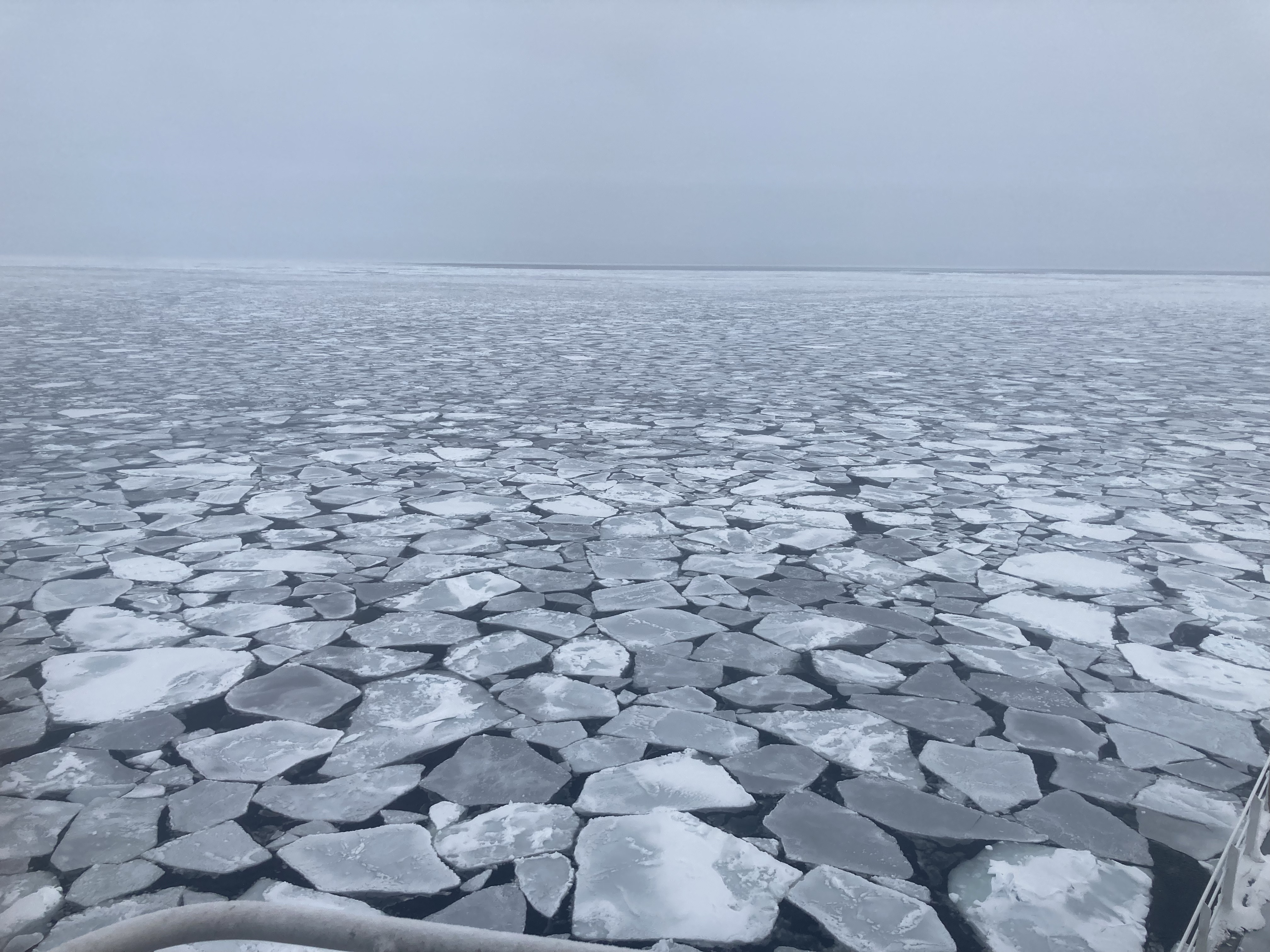
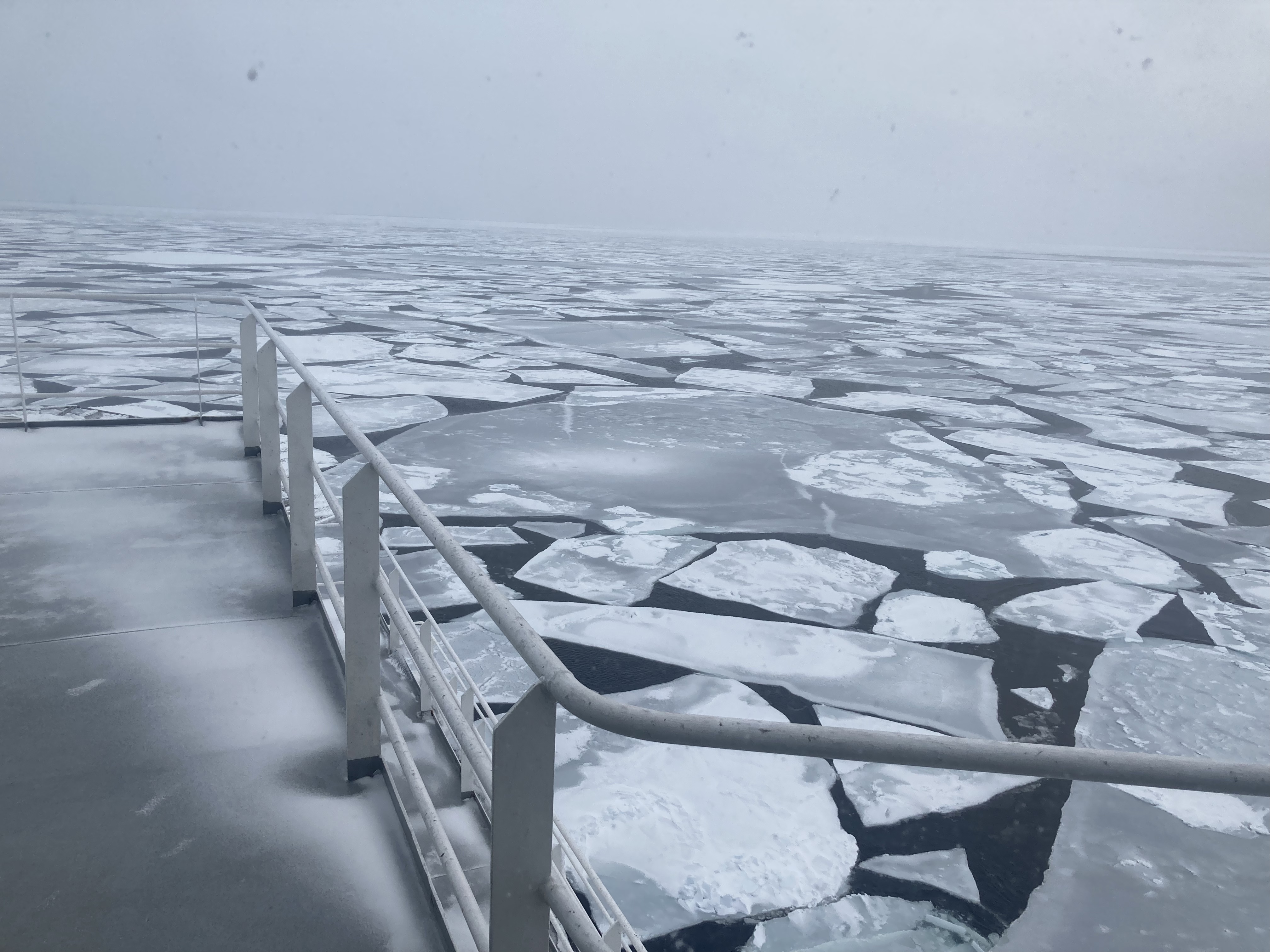
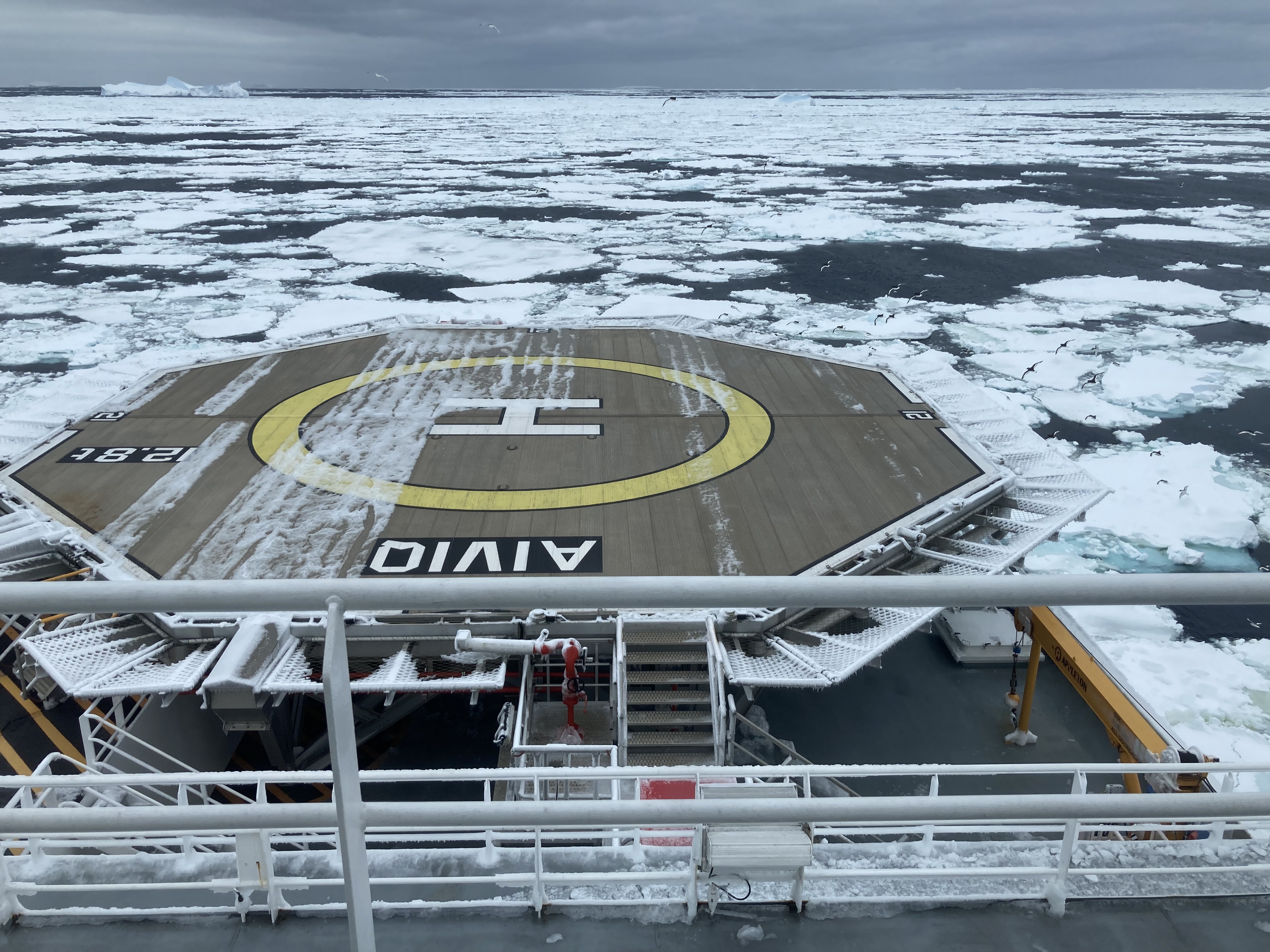
And I guess I need to stick in a few iceberg pictures from our trip. The photos don’t do them any justice.
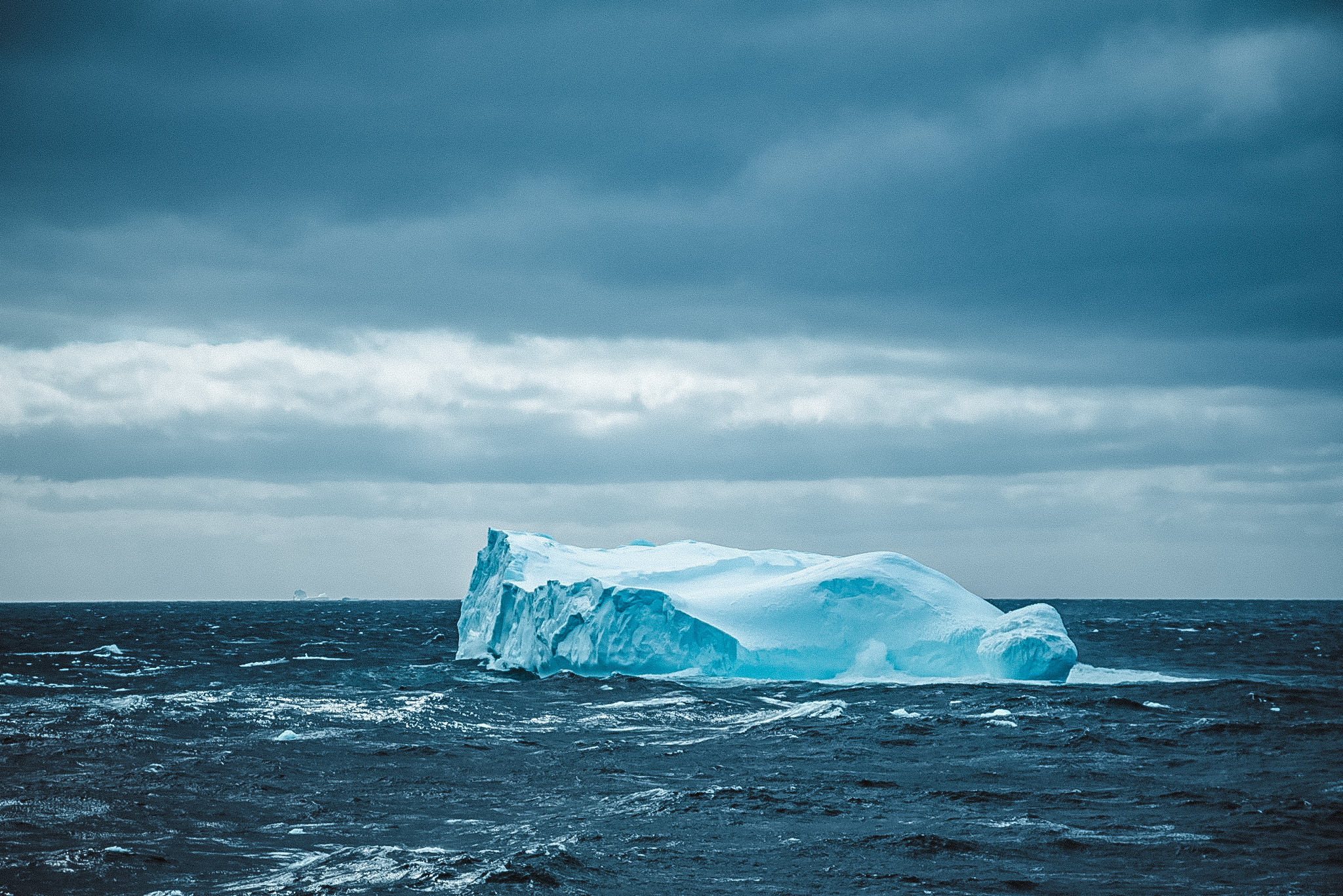
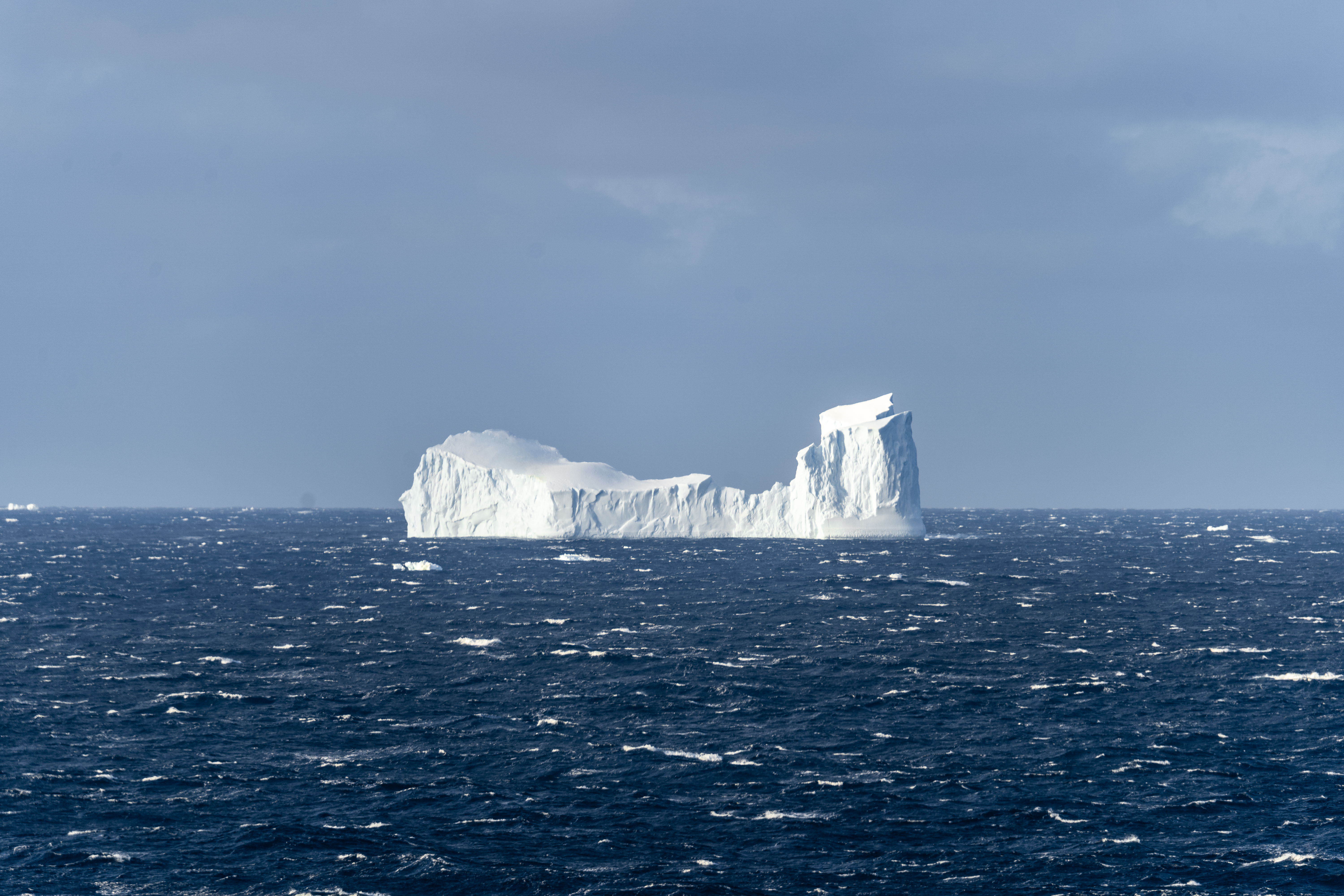
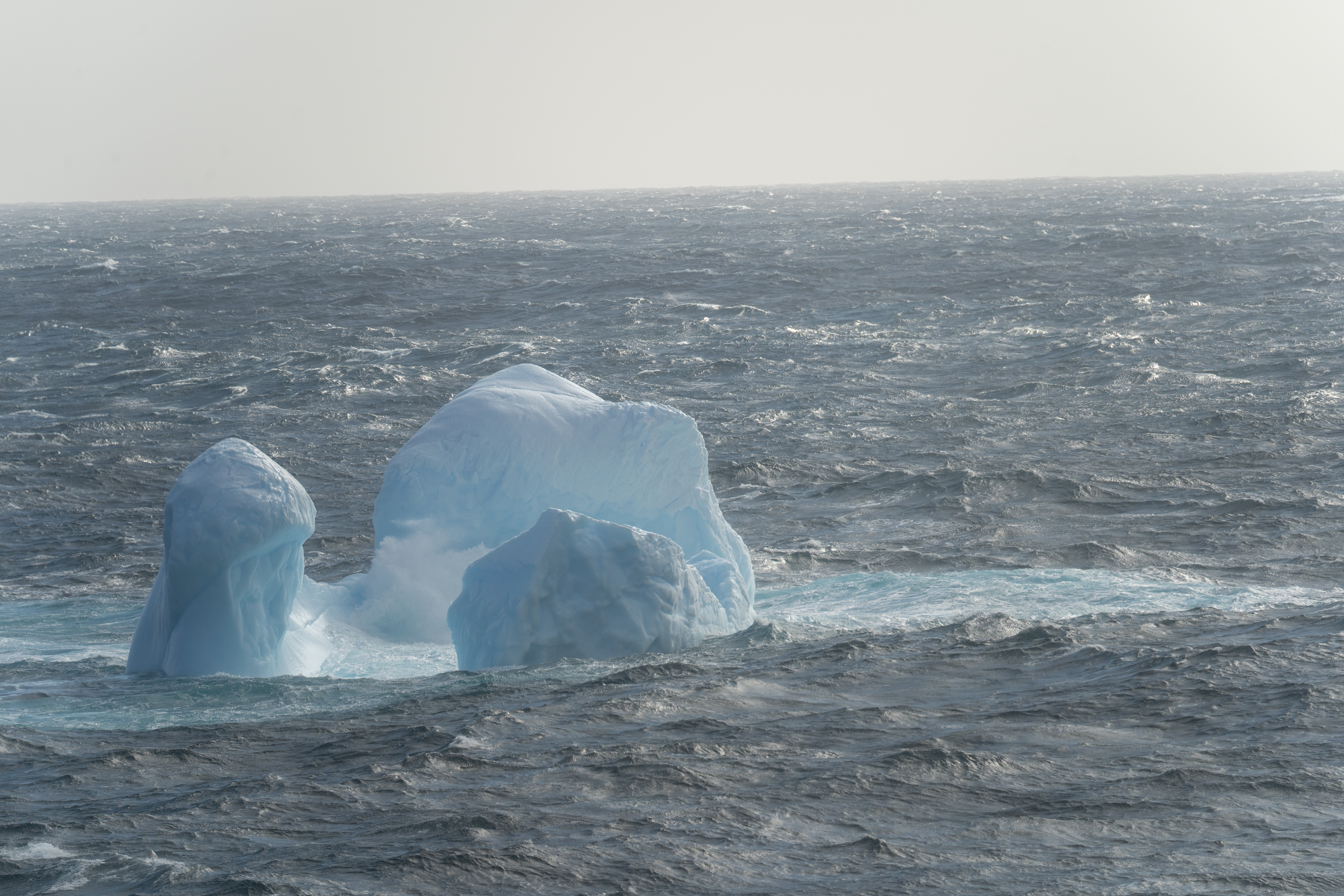
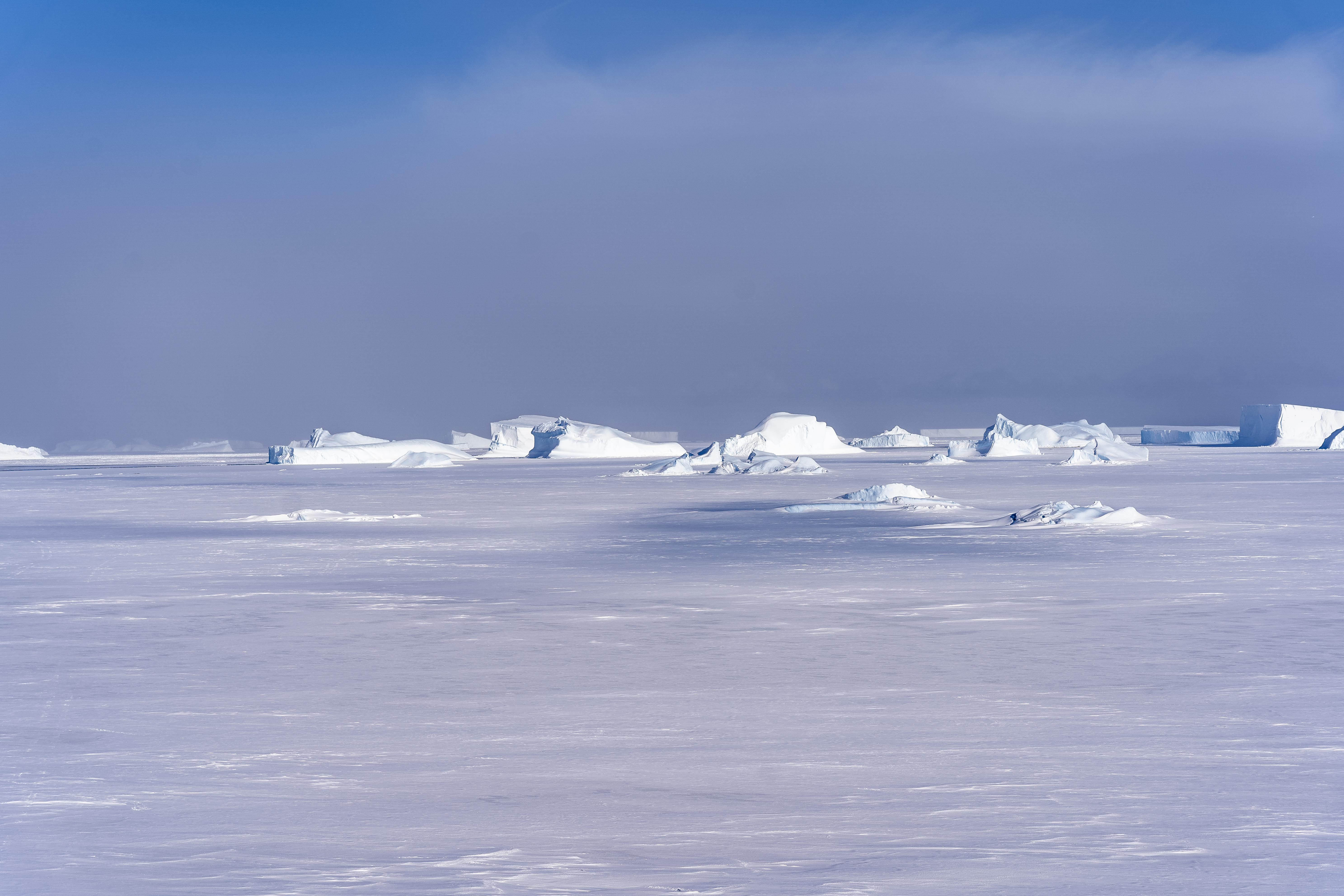
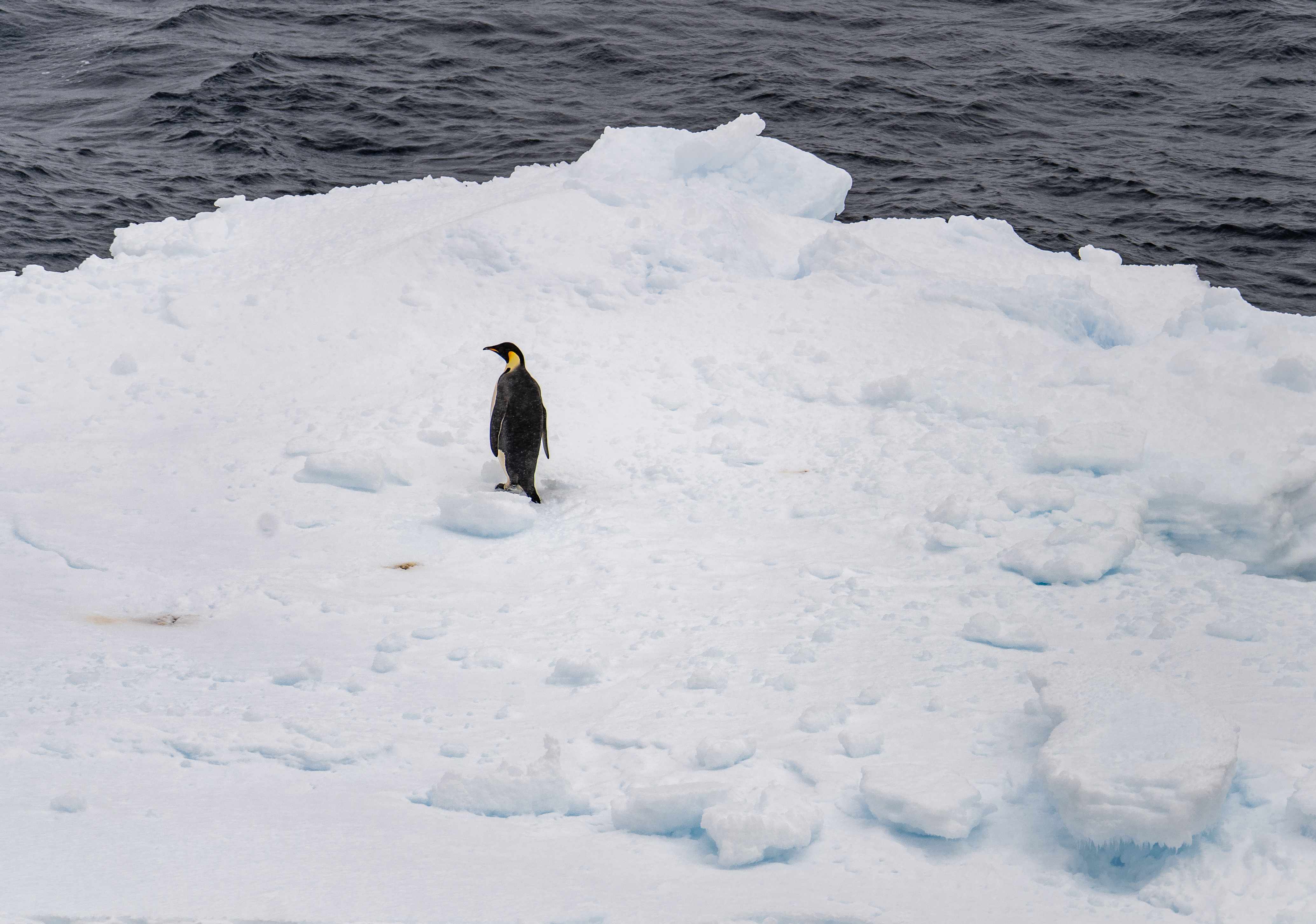
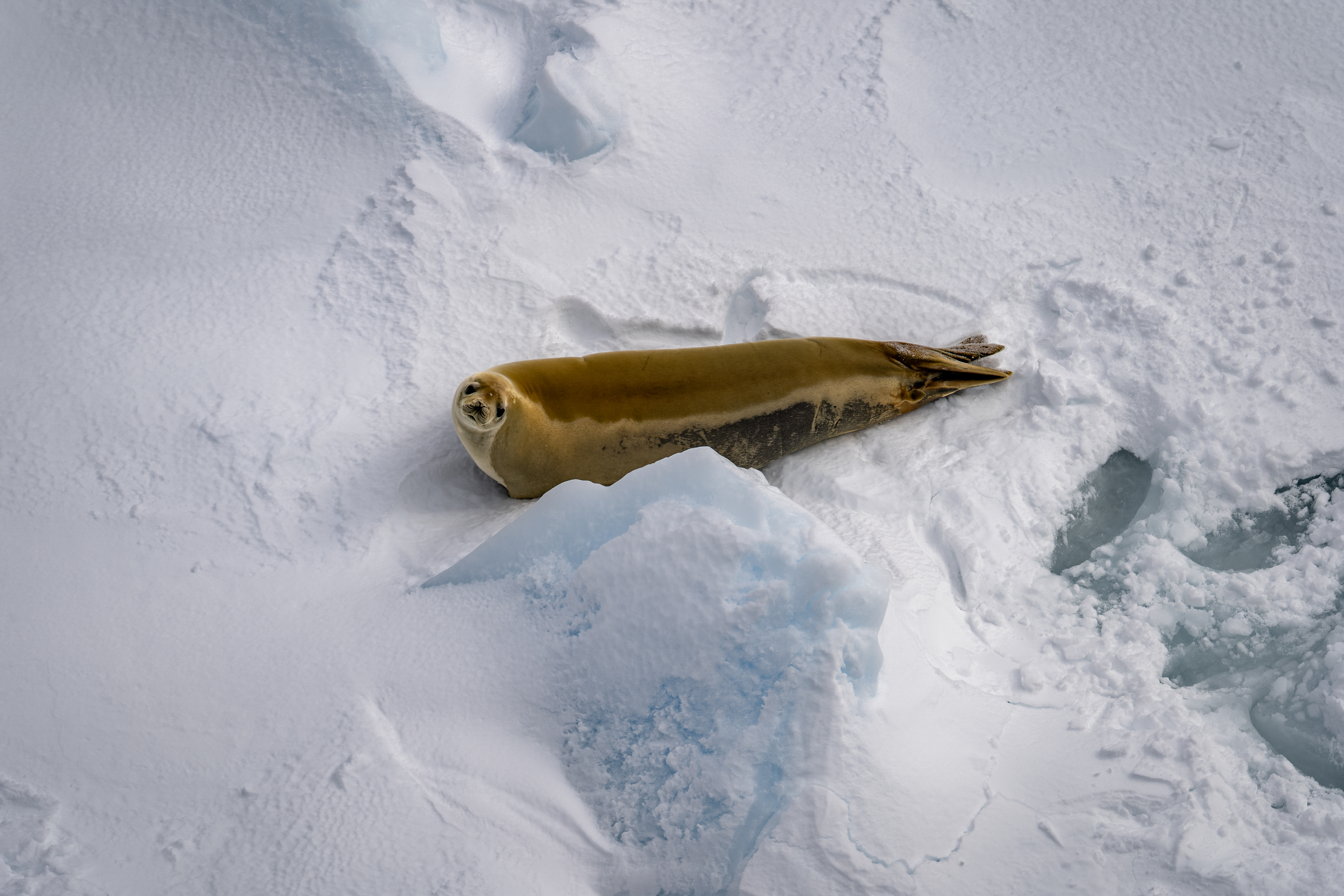
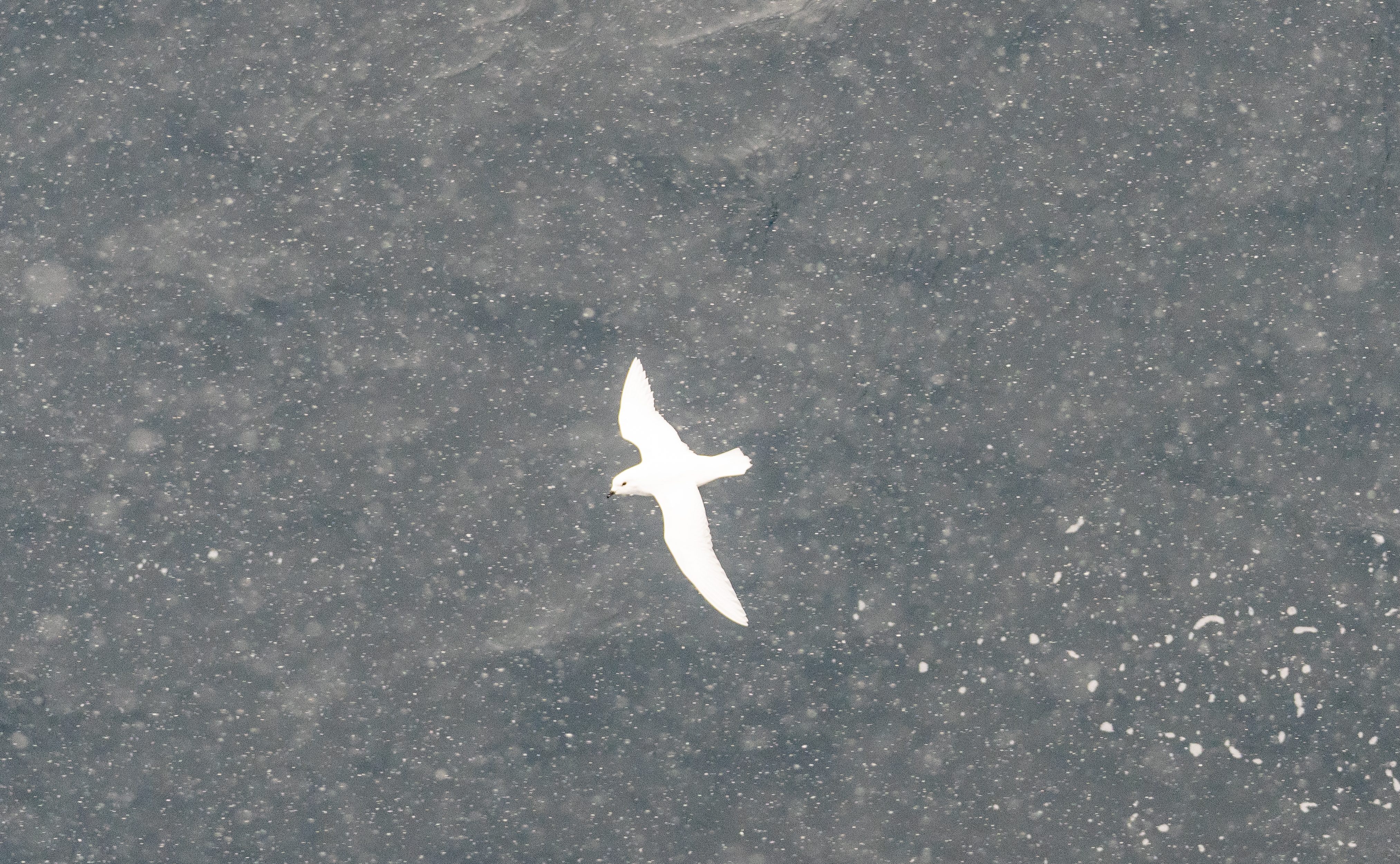
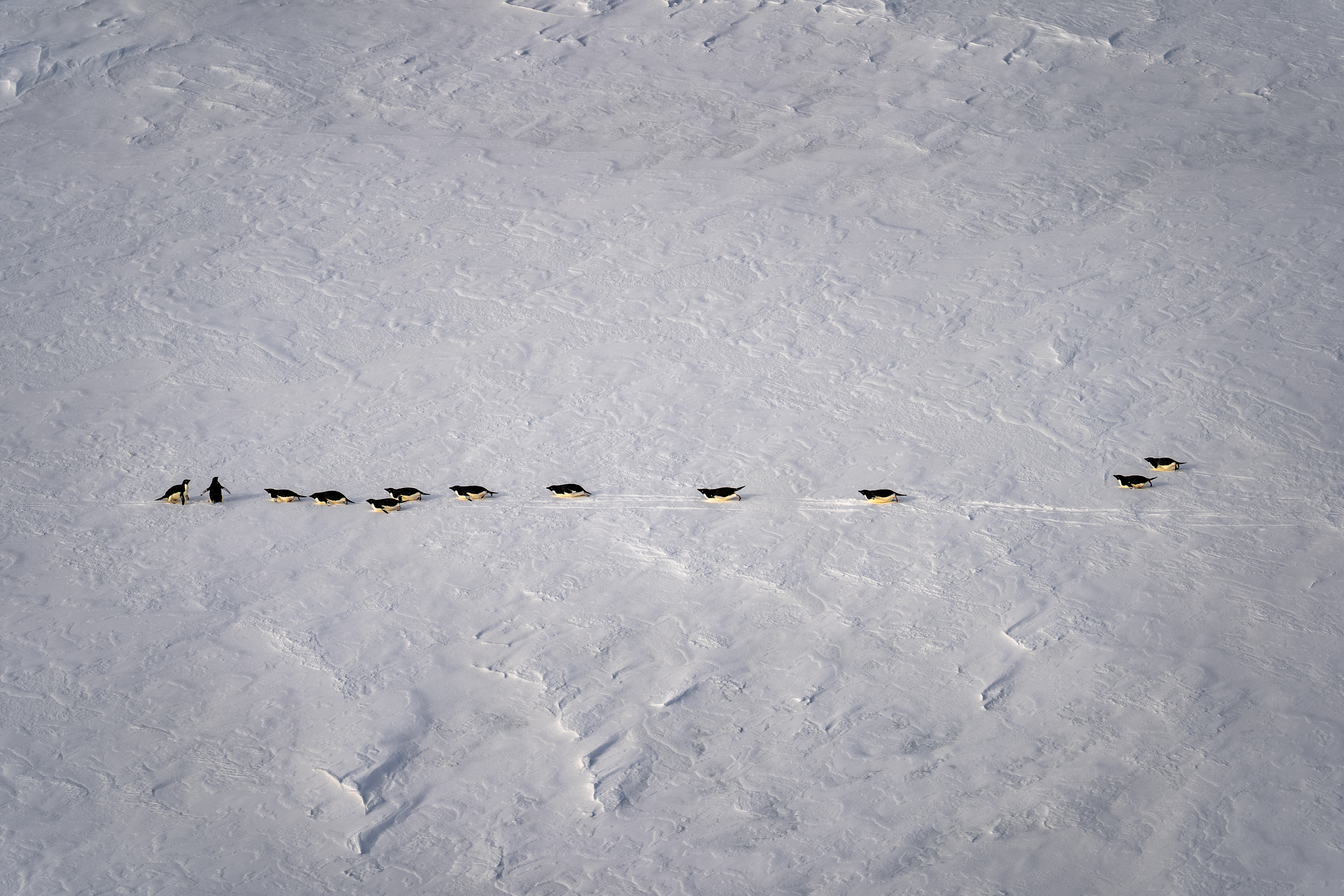
And a few wildlife pics as well. The birds love to check out the ship and the penguins and seals are lying around on ice. Well at least they are until a big ship passes by.
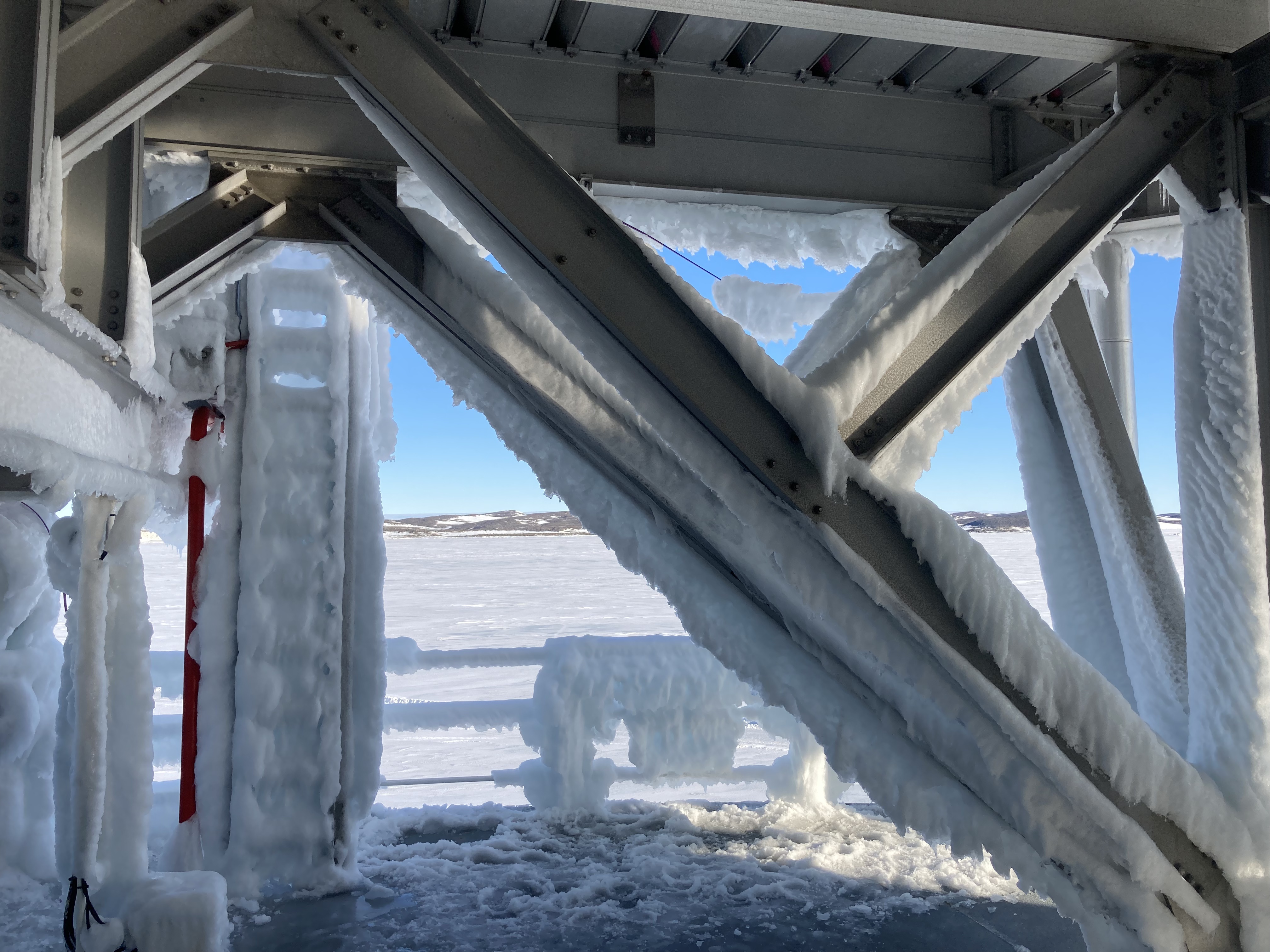
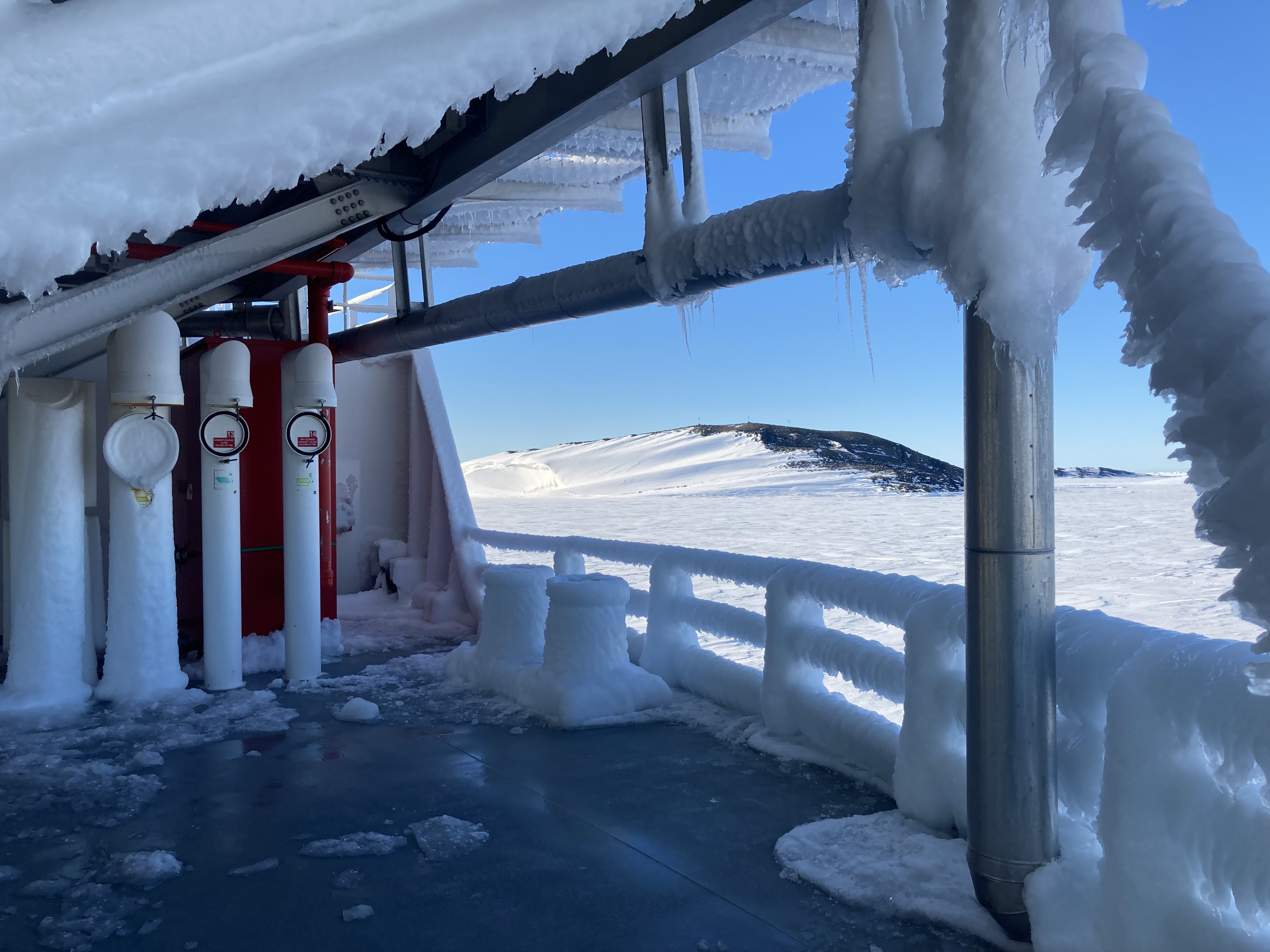
I also want to chuck in a couple of pictures of the structure under the helipad which got hammered with southern ocean on the way down. It was pretty cool.
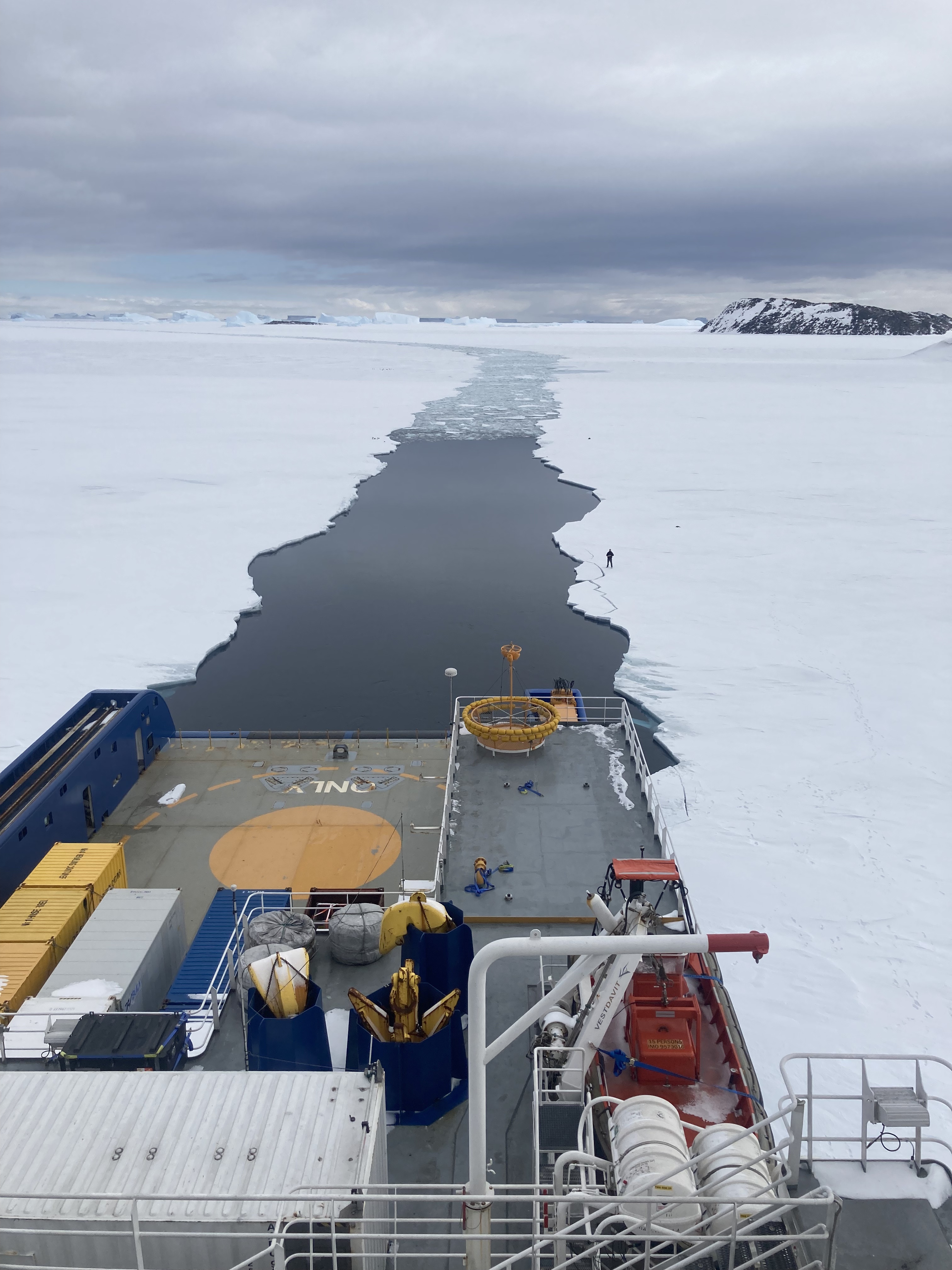
We finally arrived outside the fast ice off Davis on the 21st of November. The sea ice was about 1.8m thick and so the ship would just go for it flatout and ride up on the ice, using its weight to crush the ice and smash a passage through. After about 2 ship lengths of this it lost momentum and so it would back up the channel it had just formed and then get another runup and have another go and make the channel longer again. It took us about 6 hours of doing this to move forward a couple of kilometres and get to the usual parking spot about one and a half kilometres off the station. The ship’s arrival is timed to get there when there is just the right amount of ice to do this as it is an important part of the resupply routine. The ship is basically locked into the ice on three sides and makes a perfect ice wharf beside the ship so we can get on and off, and trucks can drive right up to the ship to load and unload. A few weeks later it’s just an ocean again. Davis is the only station where we do this type of resupply. That process is a story in itself.
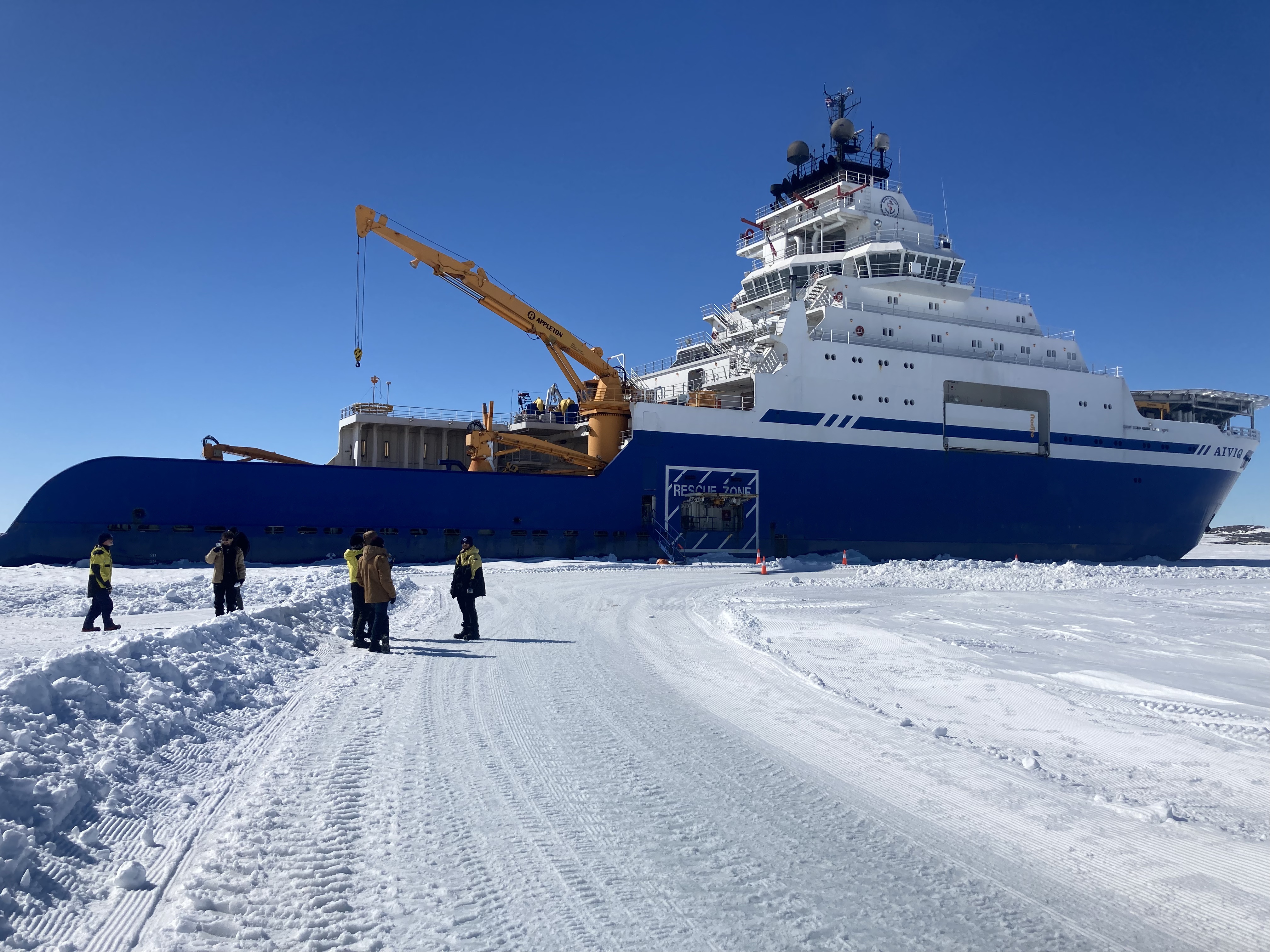
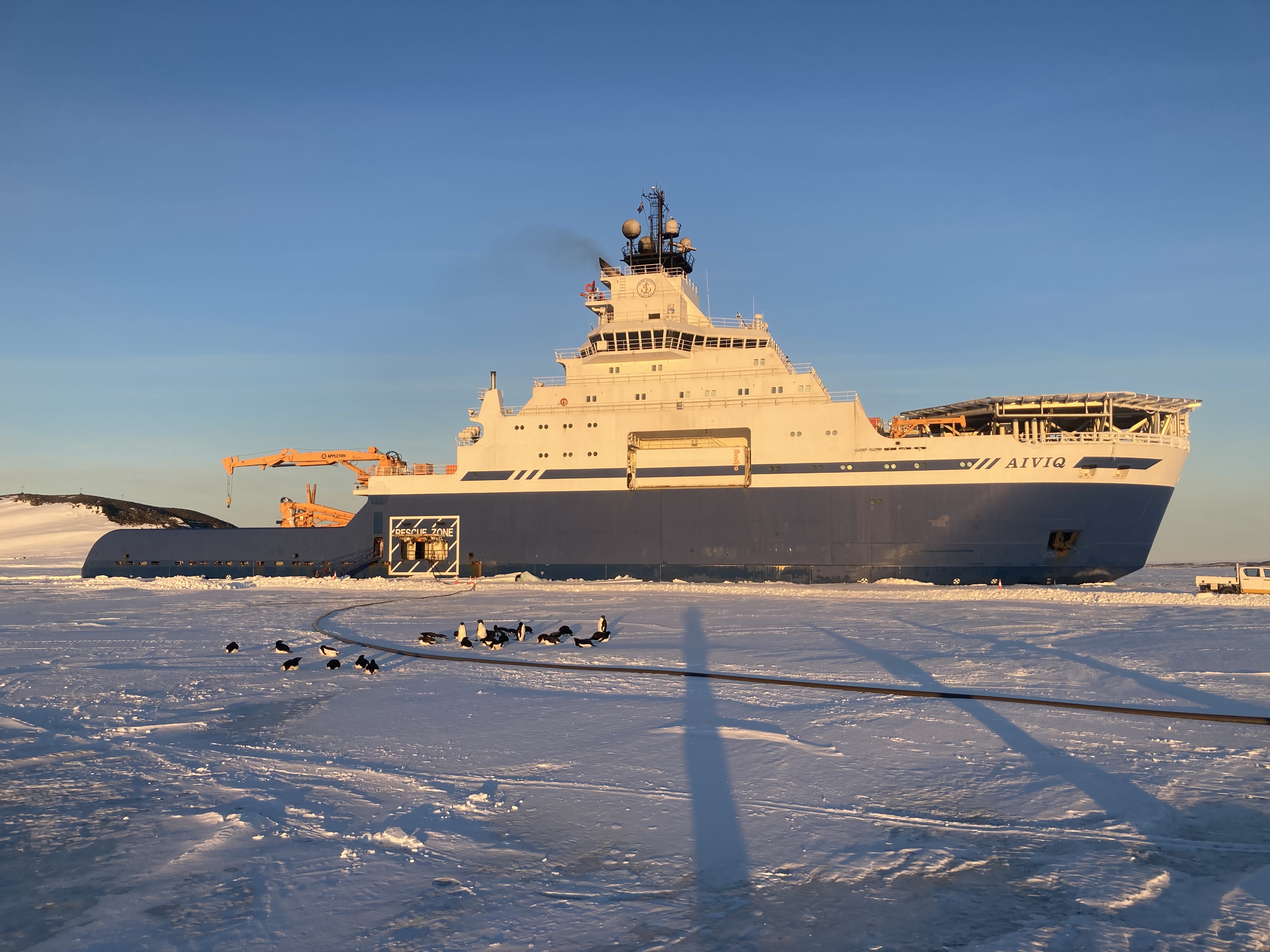
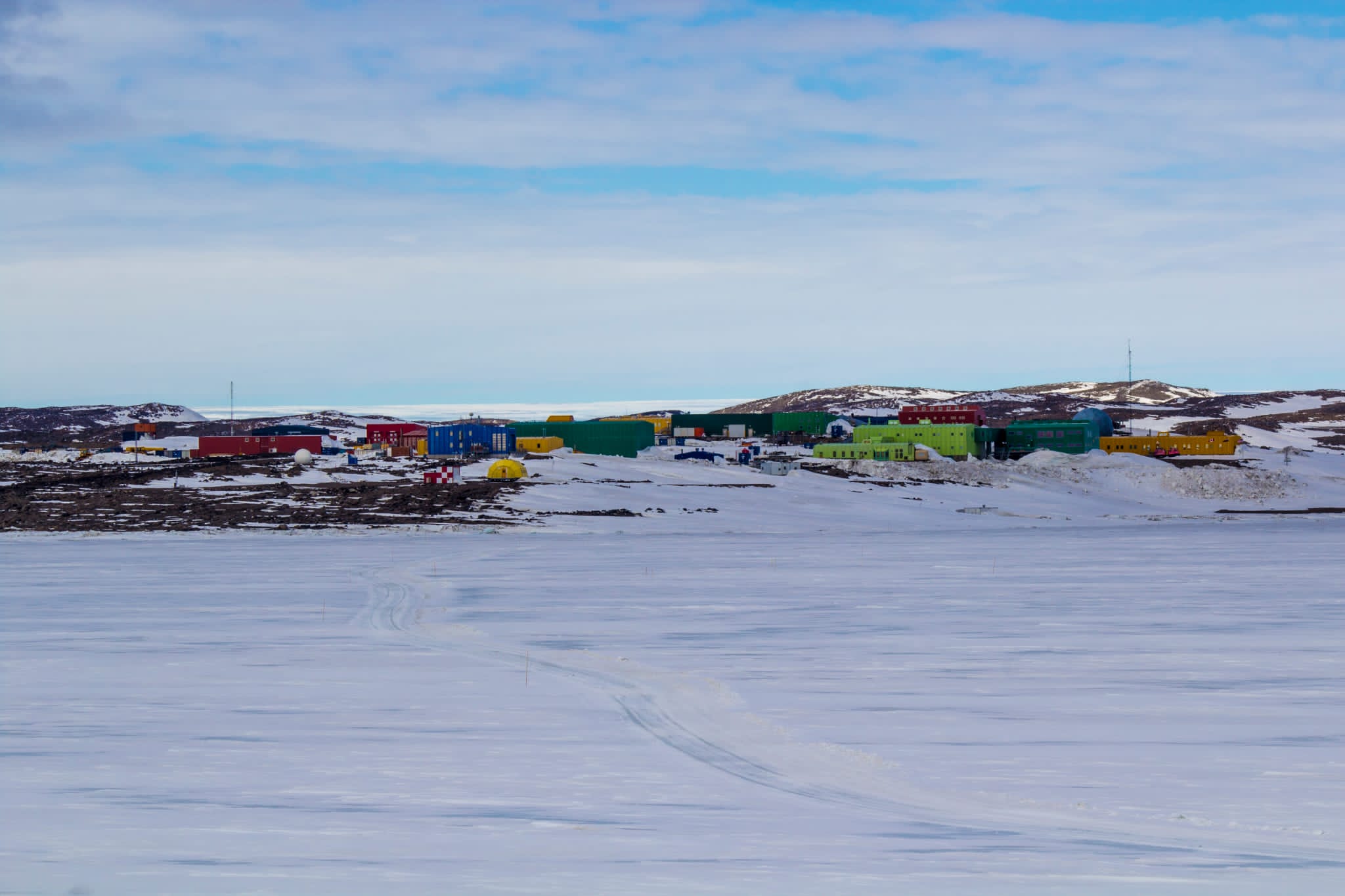
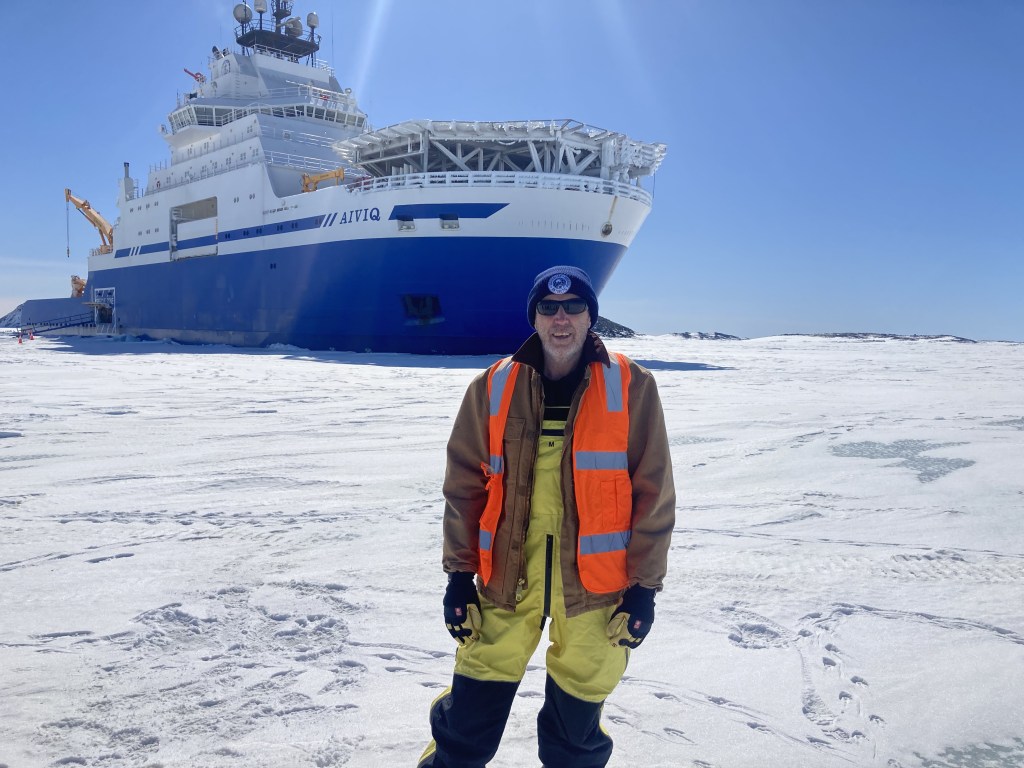
So needless to say I was pretty happy to be there and get off the ship but then that wasn’t to be. I was part of the refuelling team and apparently needed to stay on the ship for another 4 days! Don’t ask. I did manage to get my feet onto dry land briefly if you can call the frozen ocean dry land? I was looking a bit rough but happy to have made it there safely. Some others weren’t so lucky. Little did we know what was about to unfold over the next couple of weeks.
 Gotaway
Wow. You really left us on a cliff hanger there! Can’t wait until the next installment.
Are the containers fully watertight? They seem to be getting a bit more than sea spray on the back deck.
LikeLike
No. They don’t really like carrying containers on the Aiviq because they can get pretty wet. And did.
LikeLike
The photo at the top right shows the ship with a group of people standing about. The person on the left looks really dodgy. He looks like trouble. Do they allow just anyone to go down there to work, or is this bloke indigenous to Antarctica and you just found him there wandering about?
Thanks
Chris
LikeLiked by 1 person