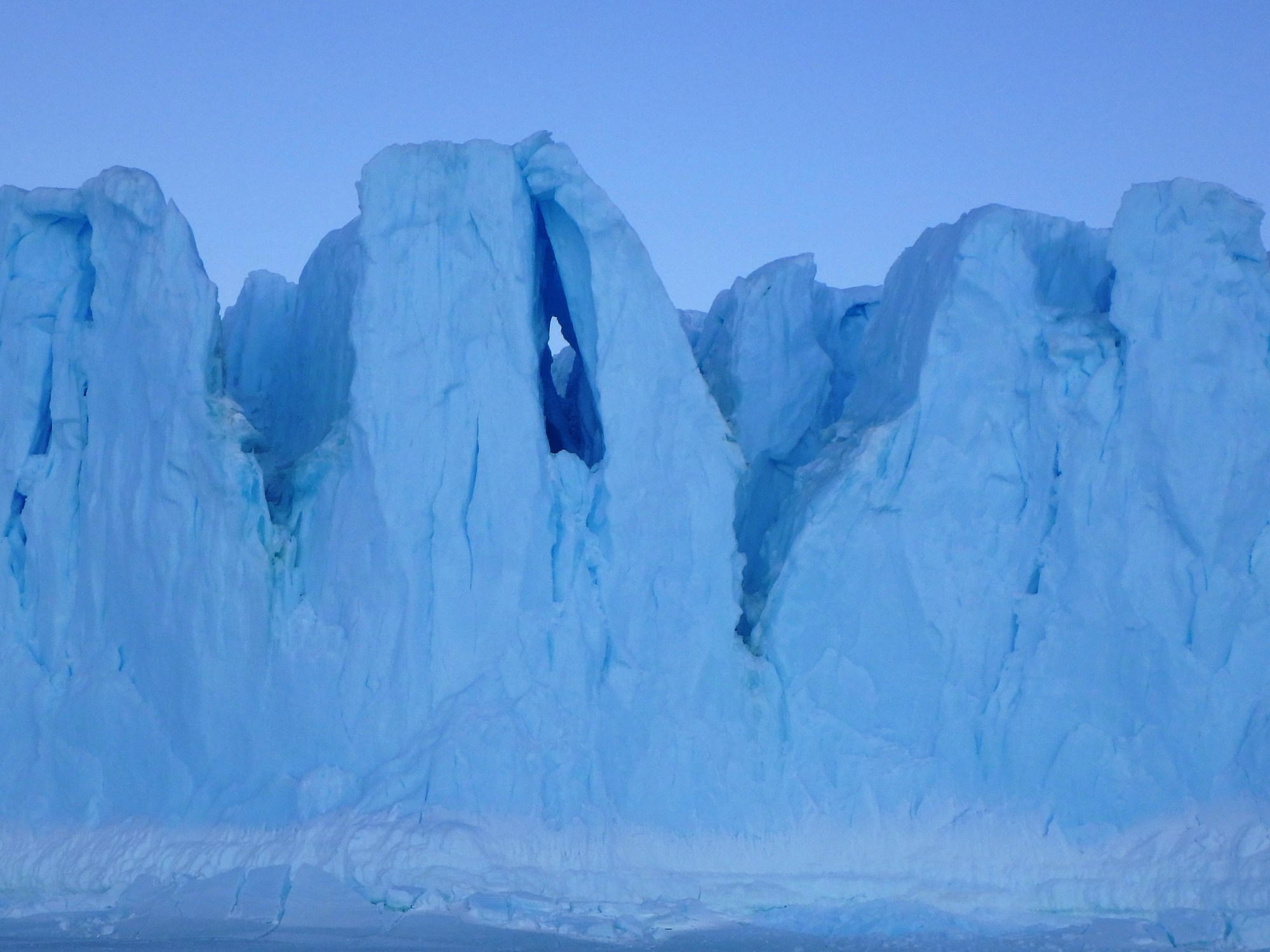
Icebergs aren’t something that you see everyday. Unless you live in Antarctica, then you see them all the time. It takes a long time to make an iceberg but once they start floating you only get to see the top 10% of the berg. I find that amazing as we drive around out on the sea ice and look at all the big bergs and yet we can only see such a small part of them. I guess the obvious question here is “where did iceberg lettuces get their name from?” Funny you should ask. I haven’t seen any of them around but I’ll keep an eye out for them.
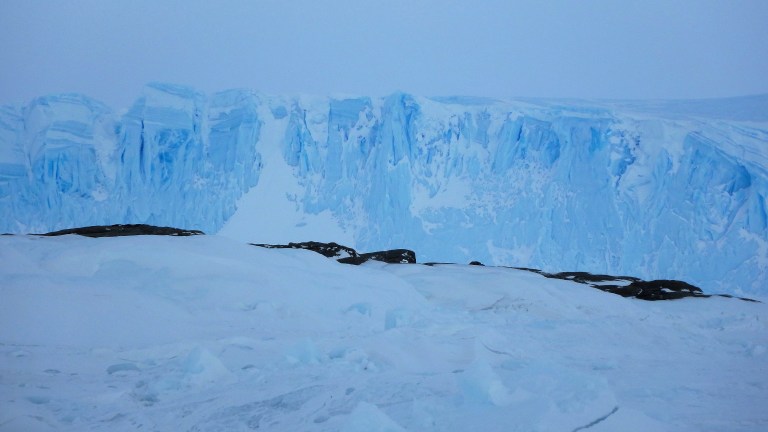
When the land base ice mass slides off in to the ocean to become an iceberg it sometimes takes quite a while and sea ice begins to freeze to the bottom of it and become part of the berg. Ice bergs are fresh water? Yes. Normally you never see this frozen sea ice part unless you’re snorkelling around a berg but that’s probably not going to happen, but, sometimes an amazing thing happens.
Apparently iceberg lettuces used to be called head lettuces and in the early days of transporting produce in California they used rail carriages. They would pack the lettuces in ice to keep them fresh but when they reached their destination the ice had melted and the lettuces were floating around in the cold water. And, like their namesake, only 10 percent floated above the surface. Pretty cool explanation I thought. I’m going to buy it as it’s the best option I found.
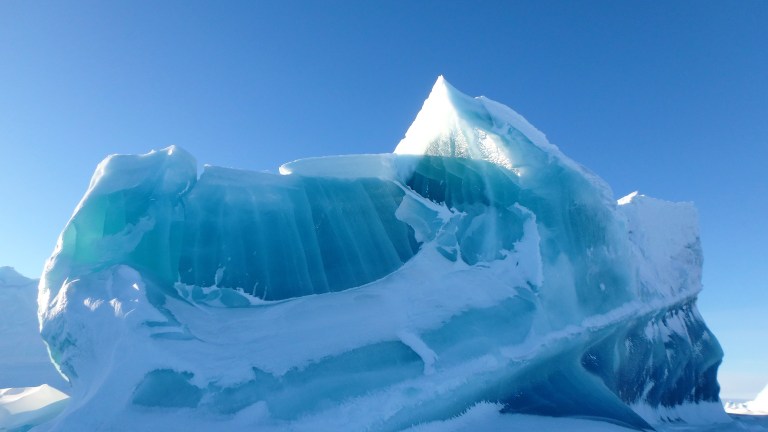
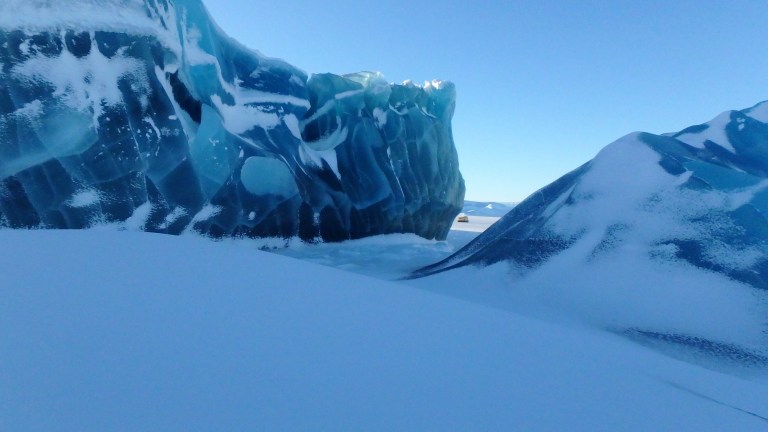
So back to the amazing thing that happens to the frozen sea water forms on the bottom of the berg. Every now and then the berg is top heavy and tips upside down and the seawater bit ends up on top and you end up with a ‘Jade berg’. We are lucky enough to have two of these on our 45km trip to Auster Penguin Rookery.
They are pretty special. Not taking anything away from the normal bergs as they are still awesome but with the right light the jade bergs are pretty remarkable. One of ours has a cave in it but none of us would ever go in the cave as we’re not allowed to go close to them. But, if it was allowed then the colours inside would be amazing. And we would say wow. And if we were to lick it then it would taste salty but we wouldn’t do that either. Not because of the above rule but because your tongue could get stuck to it. Which could look really funny and we would laugh. A lot.
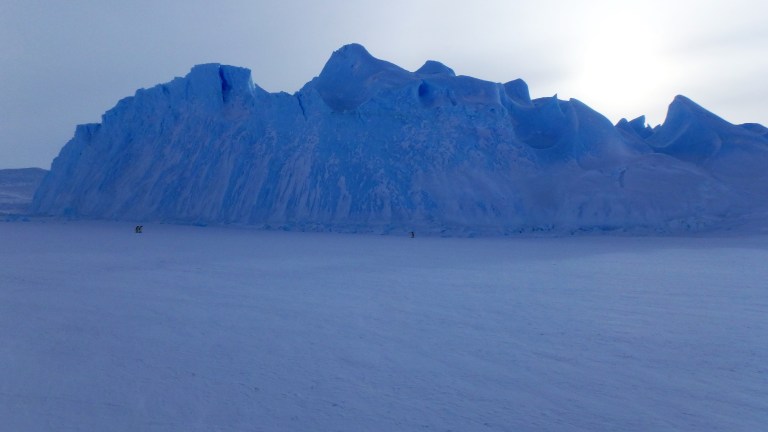
The biggest bergs on our trips are only about a kilometre long and about 40 metres high. If they are over 10kms long they get a name, well, actually a letter from A-D based on location and a number based on longitude. Iceberg A-68 was the big one that broke off (calved) a few months ago. Its 58,000sq kilometres and was on the opposite side of Antarctica to where I live. They can hang around for decades as they have huge bottoms and get stuck on the ocean floor and stay down here in the cold and get frozen in for the winter. When they are floating they are big shipping hazards. Just ask the Titanic.
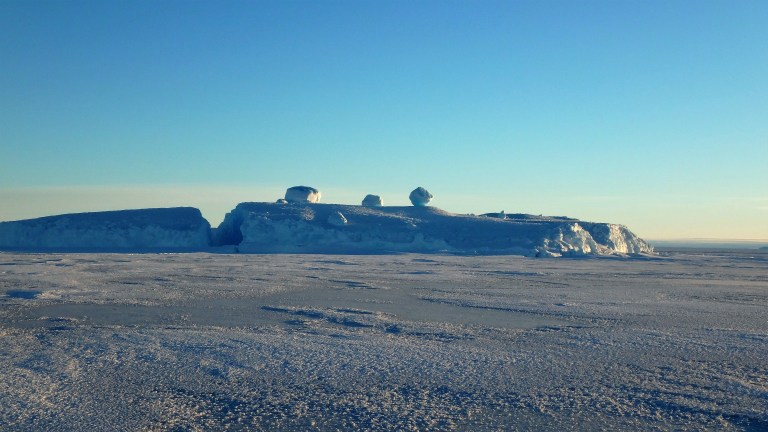
Icebergs. Who knew a bit of frozen water could be so amazing.
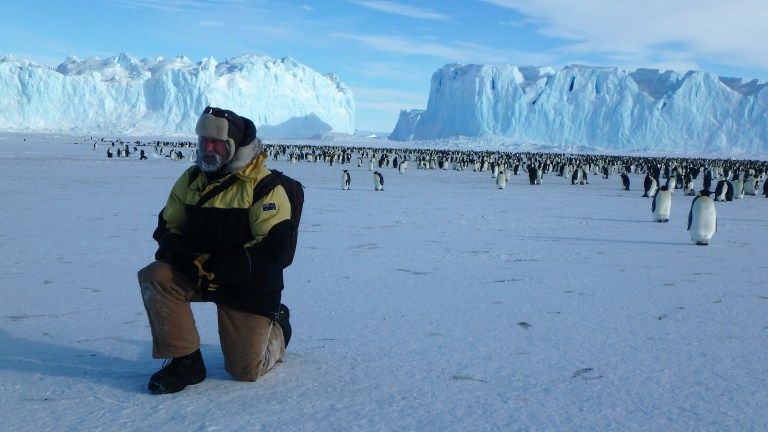
 Gotaway
Hi Shane. Fairly icy here in Ballarat at present. I have enjoyed reading your monthly subjects. I hope u are well and I am looking forward to your next instalment. Birdlife? I am now living in Ballarat. From Ruth
LikeLike